Explore This Journey
Let's be honest. The classic Japan trip can feel like a checklist marathon. Tokyo, check. Bullet train to Kyoto, check. Sprint through Fushimi Inari, check. Rush to Osaka for street food, check. You come home with a thousand photos and a deep-seated need for another vacation to recover. Your memories are a blur of train platforms and crowded viewpoints.
There's another way. A way that lets you actually taste the tea, hear the silence of a moss garden, and have a conversation (however broken) with the old man running the soba shop. It's called slow travel Japan, and it's not just a style of travel—it's a mindset shift. It's about choosing depth over breadth, connection over consumption.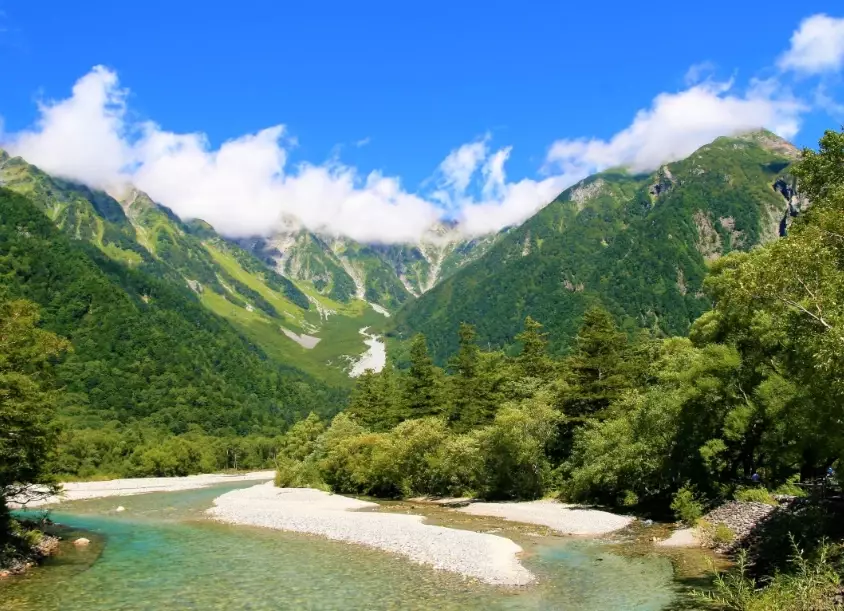
I learned this the hard way. On my first trip, I was that checklist traveler. I saw everything and experienced nothing. The turning point was getting hopelessly lost on a backroad in rural Nagano, only to stumble upon a family-run apple orchard. They didn't speak English, I didn't speak Japanese, but we shared some fresh-pressed cider and a lot of smiles. That twenty-minute detour is etched in my memory far more vividly than the view from Tokyo Skytree. That's the magic slow travel Japan promises.
Why Japan is Basically Built for Slow Travel
You might think a country famous for its efficiency and fast trains is an odd place to slow down. I'd argue it's the perfect place. The infrastructure is so impeccable and safe that slowing down isn't a logistical nightmare—it's a conscious, rewarding choice.
First, the convenience factor is off the charts. Even in small towns, you'll find clean, affordable coin laundries (laundromats), ubiquitous convenience stores with healthy food options, and reliable public transport. This safety net frees you up to explore without anxiety. Second, Japanese culture itself has a deep-seated appreciation for slowness and detail—think tea ceremony, kaiseki dining, Zen gardens. You're just tuning into the local frequency.
And the rewards? Immense. You move beyond the omiyage (souvenir) shops and into the daily rhythm of life. You might find yourself helping a host bring in the washing, or being shown a secret local shrine by a shopkeeper. These are the moments that define a true slow travel Japan experience. The country reveals its layers to those who linger.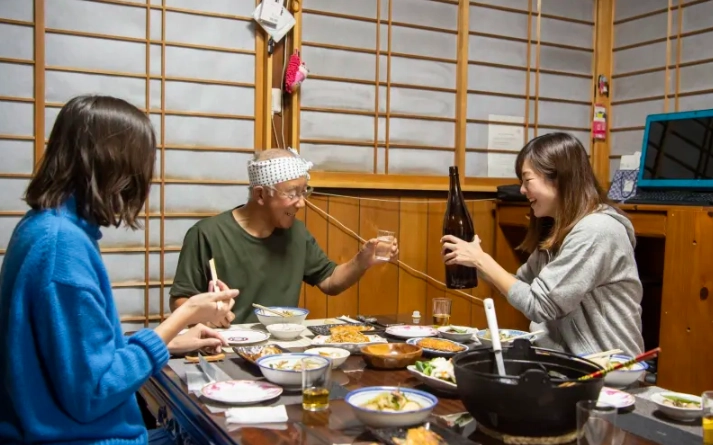
Crafting Your Own Slow Travel Japan Blueprint (Forget the Templates)
Planning a slow trip is different. It's less about pinning attractions on a map and more about choosing a base and a theme. Here’s how to think about it.
Budgeting: It's Often Cheaper, Honestly
This surprises people. Rushing is expensive. Bullet trains (Shinkansen) are fantastic, but pricey. Instead, use local trains, buses, or even rent a bicycle. Accommodation gets cheaper the longer you stay in one place—many guesthouses offer weekly rates. Your biggest expense shift? You'll spend less on entrance tickets and more on food, local crafts, and unique activities. You're investing in experiences, not transit.
- Accommodation (Guesthouse/Minshuku): ¥5,000 - ¥8,000
- Food (Eating locally, some self-catering): ¥3,000 - ¥5,000
- Local Transport & Bike Rental: ¥1,000 - ¥2,000
- Activities/Incidentals: ¥1,000 - ¥3,000
- Total (approx.): ¥10,000 - ¥18,000 ($65-$120 USD)
Getting Around: The Joy of the Local Line
Ditch the Japan Rail Pass for most of your trip. Seriously. For slow travel, a nationwide pass encourages you to move too much to "get value." Instead, buy regional passes or just pay as you go. The real charm is on the kakueki-teisha—the local, all-stations trains. They're slow, often old, and utterly wonderful. You'll see schoolkids, farmers with produce, and life unfolding outside your window. For hyper-local exploration, nothing beats a rental bicycle. Most towns have rental shops near the station.
Where to Stay: Skip the Business Hotel
Your accommodation is your anchor. Choose places that offer connection.
- Minshuku & Ryokan: Family-run guesthouses and traditional inns. Dinner and breakfast are often included, made with local ingredients. This is the heart of slow travel Japan. Websites like Japanese Guest Houses are a great resource.
- Weekly Apartments (Weekly Mansion) or Guesthouses: In larger towns, these give you a kitchen and the feeling of living there. Try platforms like Daiwa House or local real estate agencies.
- Farm Stays (Green Tourism): For a deep dive, stay on a farm. The Japan Green Tourism Association has listings across the country.
I stayed in a minshuku in the Kiso Valley. The owner, Obāsan (grandmother), taught me how to make soba noodles from scratch. It was messy, I was terrible at it, but we laughed for two hours. You don't get that at a Hilton.
Beyond Kyoto: Slow Travel Japan Regions That Will Steal Your Heart
Everyone knows Kyoto. For a slow travel Japan approach, you need to look further afield. Here are some regions that reward the slow traveler immensely.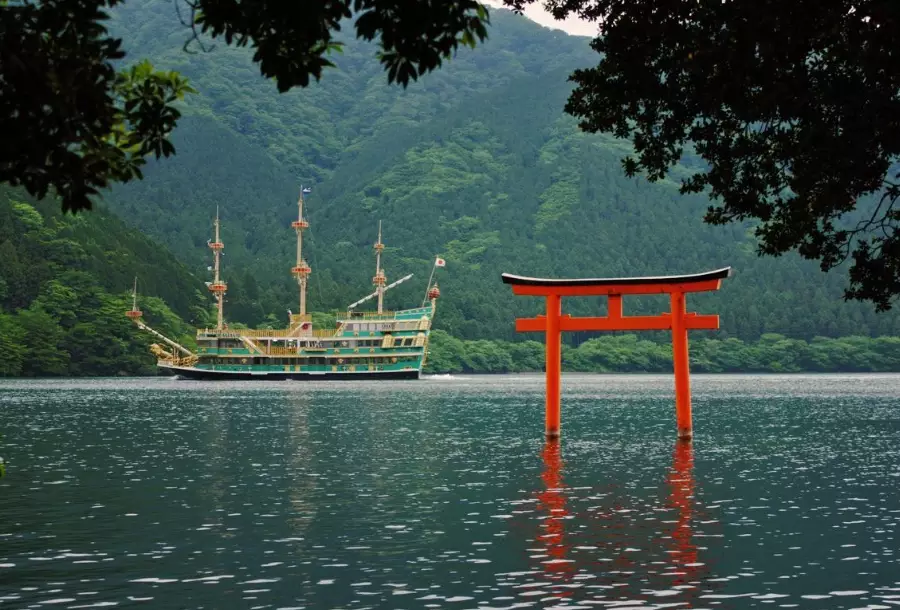
| Region | The Vibe | Perfect For | A Slow Base Town |
|---|---|---|---|
| Shikoku | Rural, spiritual, rugged coastline. Japan's forgotten island. | Pilgrimage trails (the 88 Temple route), citrus groves, epic udon. | Uchiko (Edo-period paper & wax town) or a village along the Yoshino River. |
| Tohoku (North Honshu) | Wild, mountainous, deeply traditional. Hot springs galore. | Onsen hopping, temple retreats, legendary hospitality. | Kakunodate (samurai district) or Nyūtō Onsen (remote hot spring village). |
| Noto Peninsula | Remote, dramatic seascapes, unique folk culture. | Cycling the coastal route, thatched-roof villages (gasshō-zukuri), fresh seafood. | Wajima (famous for lacquerware) or a fishing village like Osawa. |
| Kyushu (outside Fukuoka) | Volcanic, friendly, diverse. Great food and nature. | Farm stays, active volcanoes (Sakurajima), shōchū (spirit) distilleries. | Yufuin (artsy onsen town) or the countryside around Kagoshima. |
See what I mean? Picking just one of these for a 5-7 day stay opens up a world you'd miss completely on the golden route. A week based in a Noto Peninsula village lets you see the tides change, help with morning fishing, and visit a different craft workshop each day.
Even in popular areas, you can adopt a slow approach. In Kyoto, stay in the quieter northern Higashiyama area or across the river in Arashiyama. Wake up early, visit one temple mindfully, then spend the afternoon wandering the backstreets of a neighborhood like Murin-an.
The Slow Traveler's Toolkit: Practical Stuff They Don't Tell You
Okay, you're convinced. Here are the nitty-gritty details that make it work.
Communication: You Don't Need Fluency
Fear of the language barrier is a big reason people stick to tours. Let it go. A few phrases go a long way: Arigatou gozaimasu (thank you), Sumimasen (excuse me/sorry), Kore o kudasai (I'll have this, point at food). Download Google Translate's offline Japanese pack. The camera translation feature is magic for menus. But more importantly, embrace non-verbal communication. Smiles, gestures, a willingness to look silly—it's all part of the connection. People appreciate the effort immensely.
Etiquette: Just Be Considerate
You'll read endless lists of rules. For slow travel, it boils down to basic respect. Be quiet on trains and in residential areas. Don't eat while walking in busy urban centers. Follow shoe rules (slip them off when you see a step up or tatami). If you're staying in a minshuku, your hosts will gently guide you. Observe and mimic. It's not about perfection; it's about showing you care.
Finding the Hidden Gems
Guidebooks are starting points. For a genuine slow travel Japan find, you need to dig.
- Local Tourist Information Centers (Kankō Annai): These are goldmines, especially in small towns. The staff speak English and have maps of local walking trails, cycling routes, and tiny museums you'd never find online.
- Talk to Your Hosts: Your minshuku owner is your best resource. Ask: "Where do you eat?" "Is there a beautiful walk nearby?" "Any local festivals this week?"
- Follow Your Eyes: See a small path leading into a forest? A line of locals outside an unmarked shop? Go investigate. The best discoveries are unplanned.
Morning: Lazy breakfast at the minshuku. Borrow a bike and ride along the river, stopping at a roadside stand for peach ice cream. Afternoon: Visit a local kōminkan (community center) where a free washi (paper) making demo is happening. Get invited for tea afterwards. Evening: Soak in the local soto-yu (public bath). Dinner is at a tiny izakaya recommended by the bath attendant, where you point at what the old men next to you are drinking. Zero famous landmarks, one perfect day.
Answering Your Big Questions About Slow Travel Japan
Let's tackle the hesitations head-on.
Look, slow travel Japan isn't for everyone. If your primary goal is to collect photos of famous landmarks, stick to the classic tour. But if you're feeling a bit burnt out on that style, if you crave something more meaningful than just "seeing," then this approach is your antidote.
It asks for less rushing and more noticing. Less spending and more connecting. You'll come home with fewer souvenirs but richer stories. You won't just have visited Japan; you'll have, in some small way, lived there for a while. And that changes you.
Ready to try it? Pick one region. Book a minshuku for four nights. Leave half your days blank. And just see what happens. That's the real journey.

Share Your Thoughts