You're planning a trip to Japan, imagining ancient temples, bustling cities, and serene gardens. Then a thought strikes: can I see the Milky Way in Japan? The short, definitive answer is yes, absolutely. But the real answer, the one that matters for your trip, is more nuanced. It's a conditional yes that depends entirely on where you go, when you go, and a bit of stubborn planning to escape the country's pervasive urban glow. Japan's dense cities create some of the worst light pollution in the world, which is why most visitors never even think about stars. But venture beyond the metropolitan corridors, and you'll find pockets of astonishing darkness where the galactic core arches across the sky in a spectacle that rivals anywhere on Earth.
I've spent over a decade chasing dark skies across the archipelago, from the northern tip of Hokkaido to the remote islands of Okinawa. The first time I successfully saw and photographed the Milky Way from the Japanese Alps, after several failed attempts, was a moment of pure magic. This guide isn't just a list of places; it's the accumulated know-how of what actually works, including the mistakes I made so you don't have to.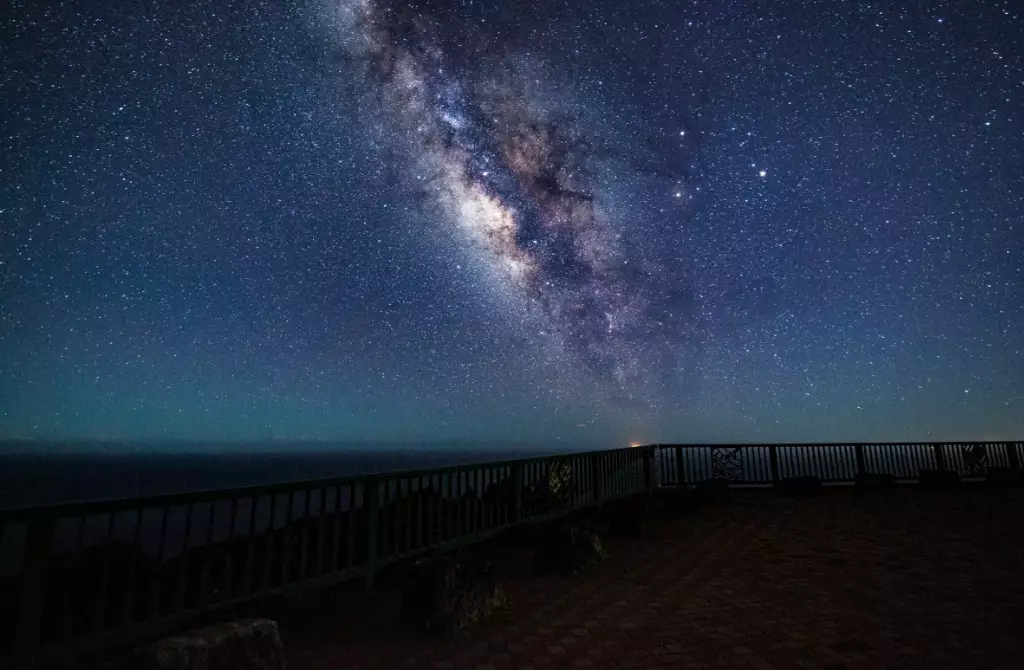
Your Stargazing Journey Map
Can You Really See the Milky Way from Japan? A Reality Check
Let's be brutally honest. If your itinerary is only Tokyo, Kyoto, and Osaka, forget it. The light pollution in these areas is so intense that you'll be lucky to see a handful of the brightest stars. According to light pollution maps like those from LightPollutionMap.info, the Kanto and Kansai plains glow like a continuous orange blob. Your quest starts with accepting that you must travel to the periphery: the mountains, the northern wilderness, or the remote southern islands.
The primary enemy is 光害 (hikari-gai), or light pollution. Japan's safety-conscious, 24/7 urban culture means lights are everywhere, often shining upwards. The key is finding a location rated Class 3 or darker on the Bortle scale. In a Class 3 rural sky, the Milky Way becomes clearly visible. In a Class 2 or 1 (true dark sky), it's breathtaking, casting faint shadows.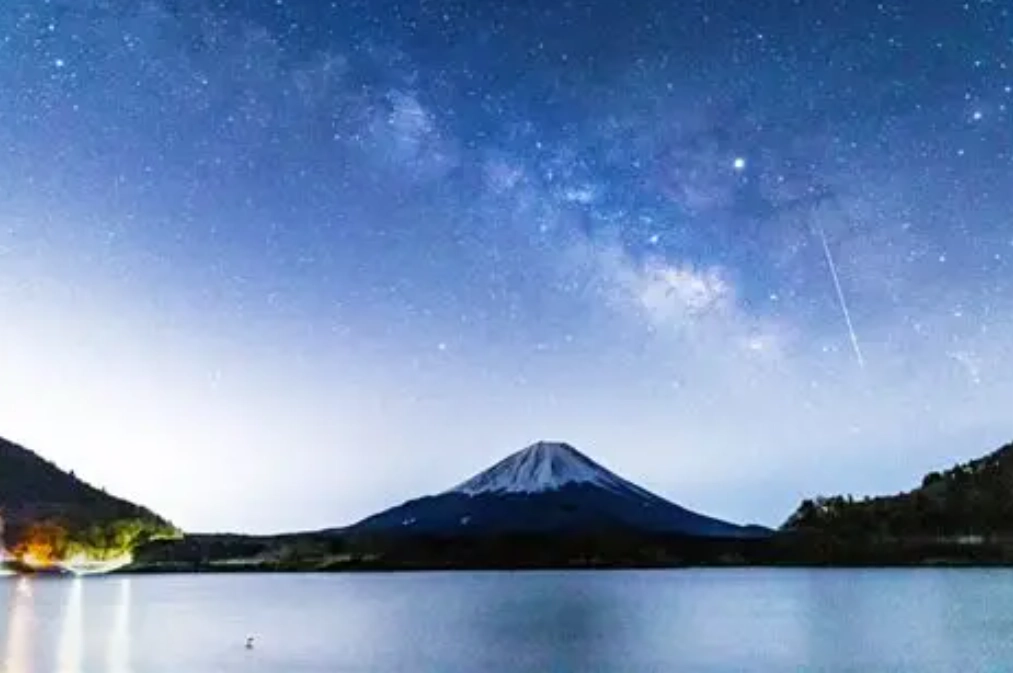
Pro Tip Most Guides Miss: Don't just look for "dark places." Look for places with a southern horizon unobstructed by mountains. The brightest, most dramatic core of the Milky Way arcs across the southern sky in the Northern Hemisphere. A fantastic dark spot tucked in a deep northern valley facing north is useless for Milky Way viewing.
The 5 Best Places to See the Milky Way in Japan
These locations aren't just dark; they offer some practical access (though some require effort) and have proven track records for stargazers. I've ranked them based on darkness, accessibility, and the overall experience.
td>Japan's first "Dark Sky Sanctuary" (2021). Bortle Class 2. Southern latitude offers a higher, more vertical Milky Way arc. Minimal light pollution.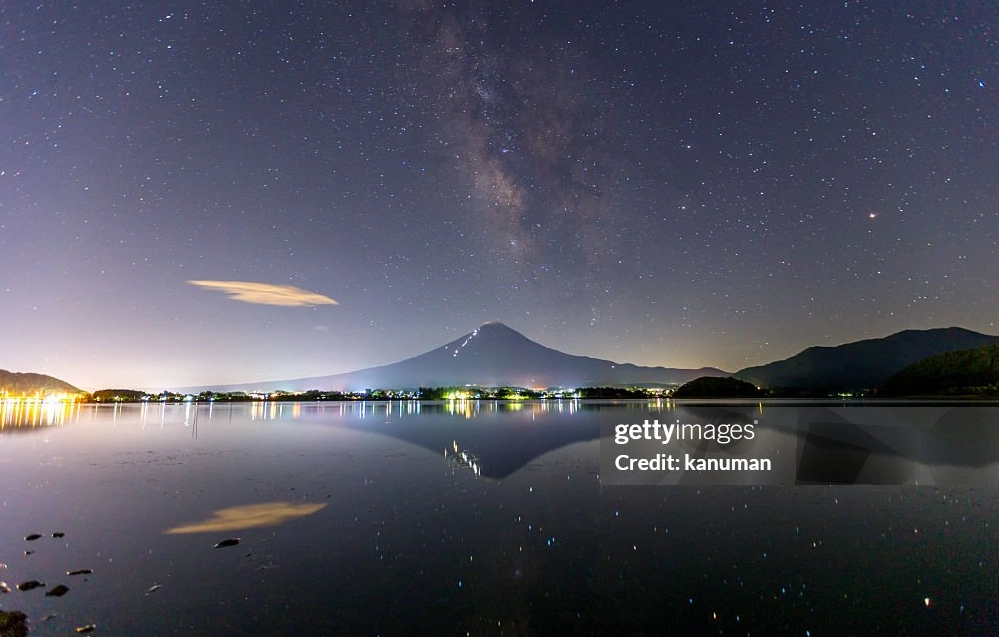
| Place & Region | Best Viewing Spot (Specific Location) | Key Advantage & Dark Sky Rating | How to Get There & Notes |
|---|---|---|---|
| 1. Iriomote-Ishigaki National Park, Okinawa | Iriomote Island's northern coast (e.g., Hoshizuna no Hama beach) or Ishigaki's Kabira Bay overlook (on a new moon). | Fly to Ishigaki (ISH). Ferry to Iriomote. No public transport at night; rent a car on Ishigaki or join a guided stargazing tour. Accommodation on both islands. | |
| 2. Minami Alps (Southern Alps), Nagano/Yamanashi | Kobuchizawa Plateau, specifically the Kobuchizawa Farm area or the roadside pull-offs along Route 152. | High altitude (700-1000m), dry air, stunning Alpine backdrop. Bortle Class 3. Relatively accessible from Tokyo. | ~2.5h train from Shinjuku to Kobuchizawa Sta. (JR Chuo Line). A rental car is essential for nighttime mobility. Numerous pensions and hotels. |
| 3. Aso-Kuju National Park, Kyushu | The vast Aso Grassland around Kusasenri, or the Kuju Mountain range foothills. | One of Japan's largest calderas creates a natural bowl shielding distant city lights. Bortle Class 3-4. Dramatic, open landscape. | Fly to Kumamoto (KMJ). 1.5h drive or bus to Aso area. A rental car is highly recommended. Check volcanic activity alerts for Mt. Aso on the Japan Meteorological Agency site. |
| 4. Lake Toya & Shikotsu-Toya National Park, Hokkaido | The lakeshores of Lake Toya (Toyako) or the quieter Lake Shikotsu. | Low population density, clean air, and stunning reflective opportunities over water. Bortle Class 3. Summer offers comfortable temperatures. | Fly to New Chitose (CTS) or take the Shinkansen to Hakodate. 1.5-2h drive to the lakes. A car is mandatory. Popular hot spring (onsen) resorts nearby. |
| 5. Noto Peninsula, Ishikawa | The coastal areas around Rokkosaki Lighthouse or any of the secluded western coast beaches. | A dark coastal sky with a 180-degree view over the Sea of Japan. Bortle Class 3-4. Combines stargazing with a beautiful, less-touristed region. | Take the Thunderbird train from Osaka/Kyoto to Kanazawa. 1.5-2h drive from Kanazawa to the tip of the peninsula. A rental car is absolutely necessary. |
A common mistake is picking a place like Fuji Five Lakes (Kawaguchiko). While popular, it's heavily affected by lights from the towns and Tokyo's glow to the southeast. The Alps or more remote locations offer a far superior experience.
The Art of Perfect Timing: Season, Moon, and Weather
Location is half the battle. The other half is timing. Get this wrong, and you'll see a washed-out sky even in the darkest spot.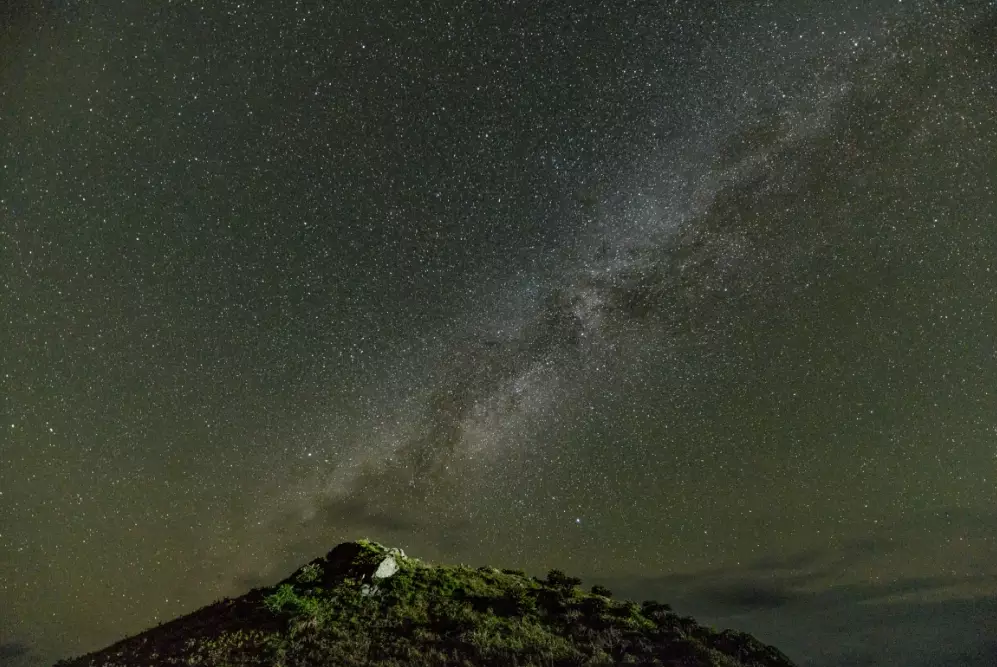
The Milky Way Season in Japan
The galactic core (the bright, photogenic part) is visible in the evening sky from roughly late March to early October. The prime viewing window is from May to September, when it's highest in the sky after sunset.
- April-June: Core rises in the late evening. Cooler mountain temperatures.
- July-August: Core is visible right after sunset, high in the south. Best for photography. Also peak for humidity and potential clouds.
- September-October: Core sets earlier in the evening. Crisp, clear autumn air is excellent for visibility.
The Single Most Important Factor: The New Moon
A full moon will completely drown out the Milky Way. You must plan your trip around the new moon phase. The best viewing is from about 3 days before to 5 days after the new moon. Check a moon phase calendar religiously. I use apps like PhotoPills or websites like Time and Date.
Weather: The Final Gamble
Japan's weather, especially in summer, can be fickle. Coastal areas can get hazy, and mountains attract afternoon clouds. You need a perfectly clear sky. Use forecasts from the Japan Meteorological Agency and satellite cloud maps. Have a backup plan for a second night. I've driven 4 hours to a site only to be clouded out—it happens. Flexibility is your friend.
Watch Out: The rainy season (tsuyu) in June/early July across most of Japan is a terrible time for stargazing. Late July through September is better, but also typhoon season. Hokkaido and the higher Alps have more stable summer weather patterns.
Your Practical Stargazing Field Guide
You've picked a dark place during a new moon in clear weather. Now what?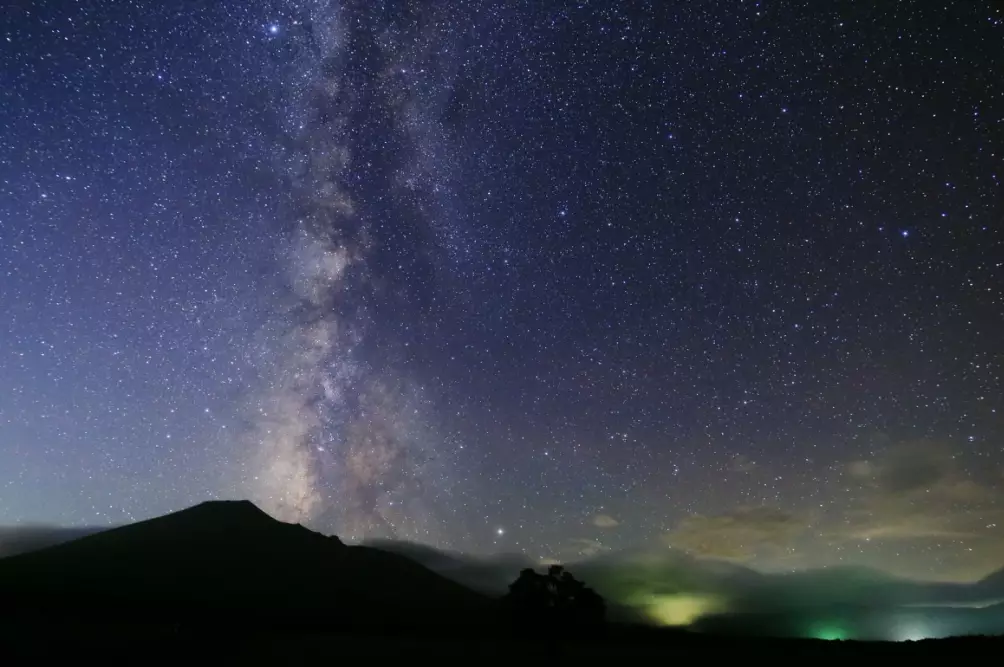
Essential Gear: A red-light headlamp (preserves night vision). Warm clothing (even in summer, mountains get cold at night). A comfortable chair or ground mat. Snacks and water. A star chart app on your phone (set to night mode). For photography: a DSLR/mirrorless camera, fast wide-angle lens (f/2.8 or faster), sturdy tripod, and intervalometer.
Getting There & Safety: Public transport does not run to these places at night. A rental car is non-negotiable. Drive carefully on dark, unfamiliar roads. Park legally and safely in designated areas. Inform your accommodation of your plans. In remote areas, wildlife (like bears in Hokkaido or the Alps) is a consideration; make noise if hiking out.
Let Your Eyes Adjust: It takes a full 20-30 minutes for your eyes to reach maximum dark adaptation. Avoid looking at your phone's bright screen. Use that red light.
What You'll Actually See: Don't expect the vibrant colors you see in long-exposure photos. To the naked eye, the Milky Way appears as a majestic, luminous band of cloudy light, streaked with dark dust lanes. Its structure and grandeur are what's breathtaking. You'll see thousands of stars invisible in the city.
Expert Answers to Your Burning Questions
Can I see the Milky Way from Tokyo or Kyoto if I just go to a park or a mountain on the city outskirts?
Realistically, no. The light dome from these megacities extends for dozens of kilometers. Even from the top of Mount Takao near Tokyo, the sky glow is overwhelming. You might see a vague, ghostly hint of the Milky Way's structure on the absolute best night, but it will be nothing like the dark sky experience. The effort is better spent taking a train or driving the extra 2-3 hours to a truly dark zone.
Is there an official "Dark Sky Park" in Japan I can visit?
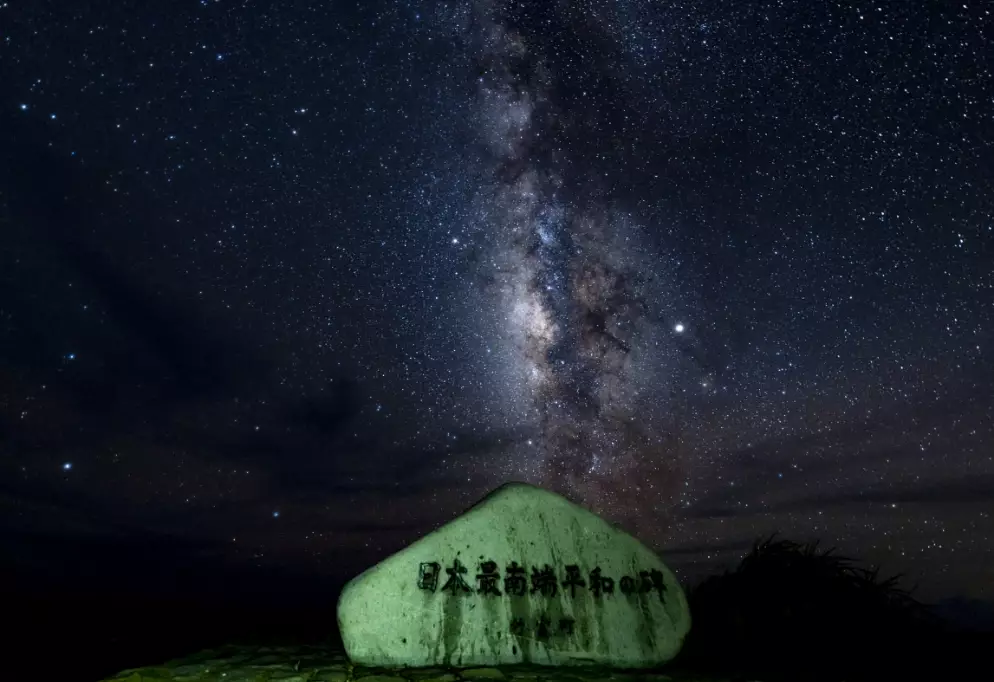
Yes, Japan has its first internationally recognized dark sky place. The Iriomote-Ishigaki National Park in Okinawa was designated a "Dark Sky Sanctuary" by DarkSky International in 2021. This is the highest tier of certification for places with exceptional starry skies and a commitment to protection. It's your best bet for a guaranteed, pristine dark sky experience with some infrastructure (guided tours, etc.).
 What's the biggest mistake first-time stargazers make when trying to see the Milky Way in Japan?
Ignoring the moon phase. I see it constantly. People plan their entire trip around a weekend, not realizing it's a full moon. They travel for hours, reach a dark site, and are disappointed by a bright, washed-out sky where only the moon and planets are visible. The moon is the dictator of night sky observation. Your entire plan must submit to the new moon calendar.
Are there any stargazing tours or astronomy lodges you recommend?
In several dark sky regions, local businesses offer guided tours, which are fantastic for beginners. In Kobuchizawa, look for local guides who set up telescopes. On Ishigaki Island, multiple companies run minibus tours to dark spots. In Biei, Hokkaido, some pensions cater to photographers and stargazers. A great resource is the regional tourism websites—they often list certified "Star Guides." It takes the logistics hassle out of the equation.
I'm a photographer. What specific camera settings should I start with in Japan's conditions?
Start with this baseline and adjust: Use manual mode. Lens as wide as possible (14-24mm). Aperture wide open (f/2.8 or lower). Shutter speed following the "500 Rule" (500 divided by your focal length = max seconds before star trails; e.g., 20mm -> 25 seconds). ISO between 1600 and 6400. Shoot in RAW. Manually focus to infinity (use live view zoomed on a bright star). Take test shots and adjust. Light pollution on the horizon may require a lower exposure than in a perfect desert.
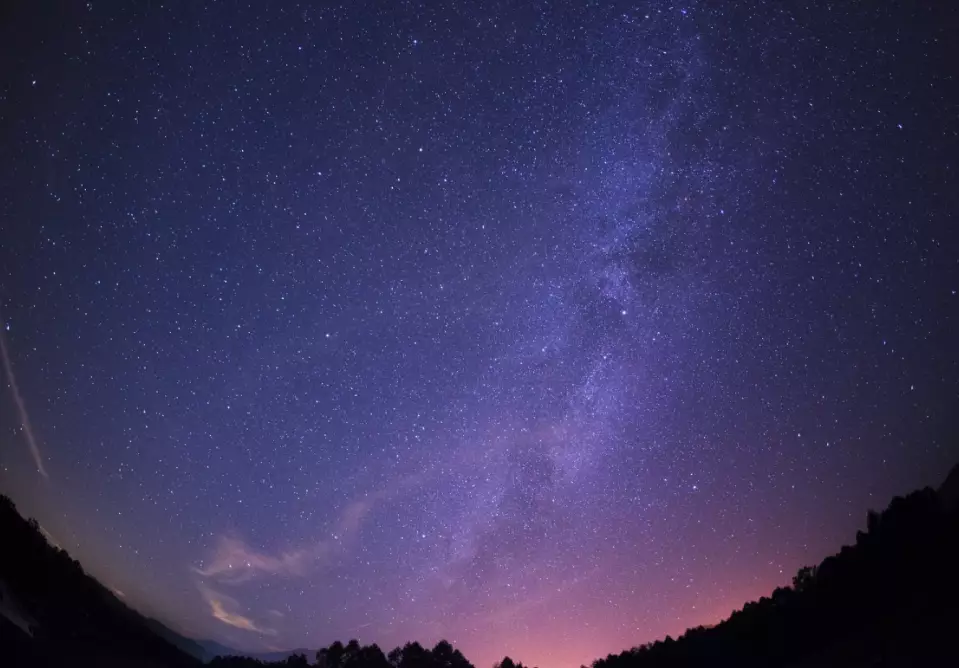 So, can you see the Milky Way in Japan? The journey to find it might be the most memorable part of your trip. It forces you off the beaten track, into Japan's breathtaking rural and wild landscapes under a canopy of stars few visitors ever witness. It's a powerful reminder that beyond the neon and the noise, an ancient, silent spectacle awaits. Check that moon calendar, book that rental car, and point yourself toward the darkness.


Share Your Thoughts