Japan's festival calendar is famously packed. You've probably heard of Gion Matsuri in Kyoto or Nebuta in Aomori. But beyond these photogenic giants lies a whole other layer of celebration—the bizarre, the shocking, and the wonderfully weird. These unusual festivals in Japan aren't just random parties; they're deep-rooted cultural expressions, often tied to ancient Shinto beliefs, prayers for fertility, bountiful harvests, or the warding off of evil spirits. If your idea of a festival involves polite clapping and orderly processions, get ready to have your expectations turned inside out.
I've spent years chasing these events, and the first thing you learn is that "unusual" doesn't mean "inauthentic." The energy is raw, the participation is visceral, and the stories behind them are what make Japan's cultural fabric so unique. This guide isn't just a list. We'll dig into the "why" behind the weirdness, give you the exact logistics to experience them yourself, and tackle the questions most travel blogs gloss over.
What's Inside This Guide?
What Makes a Festival "Unusual" in Japan?
Let's clear this up. A festival like Sapporo's Snow Festival is spectacular, but it's not "unusual" in the context we're talking about. The festivals that truly fit the bill usually involve one or more of these elements: ritualized chaos (like semi-naked scrambles), symbolic objects that seem shocking to modern sensibilities (giant phalluses), or competitions based on unconventional metrics (which baby can cry the loudest). Their origins are almost always pre-modern, blending Shinto animism with local folklore and practical community needs—ensuring healthy children, good crops, or protection from disease.
The mistake many first-time visitors make is treating them as mere spectacle, a photo op for shock value. If you do that, you'll miss the point entirely. The participants aren't performers for tourists; they're often community members fulfilling a yearly ritual obligation. The key to appreciating them is understanding the intent behind the action. It's the difference between seeing a mass of nearly naked men and understanding they're seeking purification and luck through physical struggle.
Hadaka Matsuri: The Naked Festival (Well, Almost)
The name translates directly to "Naked Festival," but don't envision what you see in an onsen. Participants, known as rokushaku fundoshi, wear minimal loincloths. The most famous one happens at Saidaiji Temple in Okayama on the third Saturday of February.
The Origins and The Mad Scramble
It started over 500 years ago as a way for common people to pray for good fortune and a bountiful harvest. The climax is the Shin-otoko ("God Man") throwing two sacred shingi (wooden sticks) into a massive crowd of thousands of near-naked men. The goal? Catch one of those sticks. The belief is that the man who catches a stick will have a year of incredible luck. I've been on the periphery of this scramble. It's not a gentle affair. It's a pulsing, steaming, yelling mass of humanity. The energy is less celebratory and more intensely focused, almost desperate.
Location, Date & How to Get There
Venue: Saidaiji Kannon-in Temple, Okayama City, Okayama Prefecture.
Date: The main event is always the third Saturday of February. The action starts in the evening, around 10 PM, with the scramble happening just before midnight.
Access: From Okayama Station, take the JR Ako Line to Saidaiji Station (about 15 minutes). The temple is a 10-minute walk from the station. Trains back to Okayama City run late for the event, but check the last train times—it's easy to get stranded.
What to Expect as a Spectator
You will not be participating unless you've registered well in advance with a local group—this isn't a tourist activity you can just join. As a spectator, you'll be held behind barriers. Dress very warmly; February nights are freezing, and you'll be standing outside for hours. The atmosphere is electric but can be overwhelming. The smell of sweat, sake, and burning torches is potent. It's chaotic, and personal space doesn't exist near the front.
Kanamara Matsuri: The Festival of the Steel Phallus
Held at the Kanayama Shrine (Kawasaki, Kanagawa) on the first Sunday of April, this is probably Japan's most famous "unusual" festival. The streets fill with pink, candy, and parade floats shaped like giant penises.
A Festival of Inclusion and Safe Sex
Its origins are folklore. One story involves a demon hiding inside a woman's vagina, breaking the teeth of any man who tried to marry her. A blacksmith created a steel phallus to break the demon's teeth, allowing her to marry. Today, it's openly celebrated as a festival for fertility, safe sex, and happy marriages. It also has a strong modern association with LGBTQ+ inclusivity and fundraising for HIV research. The mood is completely different from Hadaka Matsuri—it's joyful, colorful, and full of laughter.
Logistics for Visitors
Venue: Kanayama Shrine, Kawasaki, Kanagawa (just south of Tokyo).
Date: First Sunday of April. The main parade is usually around noon.
Access: Take the Keikyu Line to Kawasaki-Daishi Station. From there, it's a 15-20 minute walk following the crowds. The station and streets get extremely packed.
You can buy all sorts of phallus-themed souvenirs: candies, vegetables, keychains, even candles. It's incredibly photogenic, but remember to be respectful when taking photos of participants or the portable shrines (mikoshi). Ask if it's okay first.
Naki Sumo: The Baby Crying Sumo Tournament
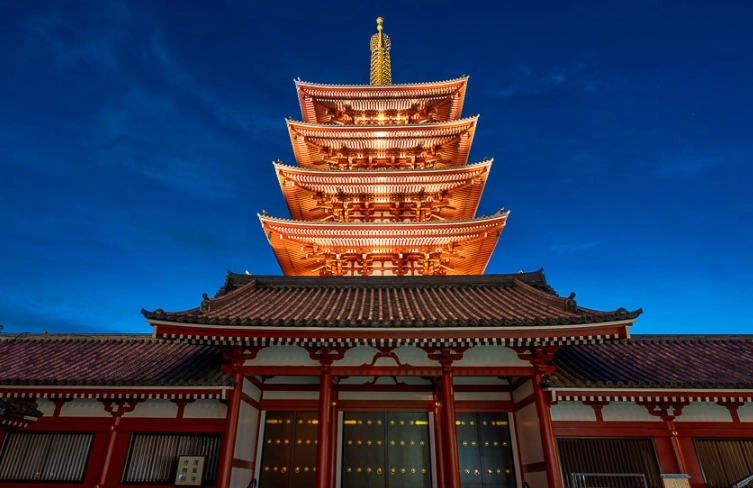
This one is less about shock and more about pure, adorable weirdness. Held at various shrines across Japan (most famously at Sensō-ji Temple in Tokyo and Sumiyoshi Shrine in Fukuoka), the concept is simple: sumo wrestlers hold babies, and the first baby to cry is declared the winner.
Beliefs and The Ceremony
The belief is that a baby's cry wards off evil spirits. A crying baby is a healthy, strong baby. The event usually takes place in spring (April at Sensō-ji). Parents volunteer their infants (typically around one year old). A sumo wrestler, in full regalia, holds the baby, makes faces, and gently bounces them. Sometimes the referee (gyōji) will encourage crying by making loud noises or wearing a scary mask. The arena is filled with the confused, then amused, then distressed wails of dozens of babies. It's surreal.
Practical Details for Tokyo
Venue: Sensō-ji Temple, Asakusa, Tokyo.
Date: Usually late April. Check the Sensō-ji official website for the exact annual schedule.
Access: Asakusa Station (Tokyo Metro Ginza Line, Toei Asakusa Line, etc.). The event is held in the temple precincts.
Time: It's a daytime event, often around midday. Get there early for a good view, as it attracts huge crowds of both locals and tourists.
This is a fantastic family-friendly unusual festival. The atmosphere is light-hearted and full of laughter (from the adults, at least).
| Festival Name | Location | Typical Date | Key Activity | Cultural Purpose | Visitor Vibe |
|---|---|---|---|---|---|
| Hadaka Matsuri | Saidaiji Temple, Okayama | 3rd Sat of February | Catching sacred sticks in a near-naked scramble | Purification, good fortune | Intense, chaotic, solemn |
| Kanamara Matsuri | Kanayama Shrine, Kawasaki | 1st Sun of April | Parade of phallus-shaped floats, prayers | Fertility, marriage, safe sex | Joyful, inclusive, festive |
| Naki Sumo | Sensō-ji, Tokyo (and others) | Late April | Sumo wrestlers try to make babies cry | Warding off evil, ensuring health | Light-hearted, cute, family-friendly |
How to Plan Your Trip to an Unusual Festival
Failing to plan is planning for a frustrating experience. These aren't your standard tourist attractions with clear signage in English.
1. Research Dates Like Your Trip Depends on It (It Does): Japanese festival dates are often based on the lunar calendar or fixed weekdays (e.g., "first Sunday"). Dates can shift slightly year to year. Always, always check the official shrine/temple website or the local tourism board page for the exact year you're traveling. The Japan National Tourism Organization (JNTO) site is a reliable starting point.
2. Book Accommodation Early: Hotels near these festival towns (like Okayama for Hadaka Matsuri or Kawasaki for Kanamara) sell out months in advance. If staying in a major city like Tokyo, ensure you know the last train times—you might need a taxi, which will be expensive and hard to get.
3. Understand Your Role: Are you a spectator or a participant? For 99.9% of visitors, it's the former. Respect the boundaries. Don't push into restricted areas just for a better photo. At participatory events, joining usually requires local connections and preparation.
4. Dress and Pack Appropriately: Think about weather and crowds. Layer up for winter festivals. Wear comfortable, sturdy shoes you don't mind getting dirty. A small backpack is better than a shoulder bag. Cash is king at festival stalls.
Beyond the Big Three: Other Unusual Festivals to Explore
The weirdness doesn't stop there. Here are a few more, each with its own unique flavor:
Onbashira Festival (Nagano): Held every six years (next in 2026), teams of men ride giant logs down steep mountain slopes. It's incredibly dangerous and breathtaking. Pure, ritualized bravery.
Yamayaki (Nara): In late January, the grass on the slopes of Mount Wakakusa is set on fire in a grand spectacle. Its origins are disputed—some say it was a boundary dispute, others a pest control measure. The view of the flaming hillside against the dark sky with Nara Park below is unforgettable.
Hōnen Matsuri (Komaki, near Nagoya): Similar to Kanamara but older and, some say, more traditional. Centered around a giant wooden phallus, it's a prayer for a rich harvest. It feels less like a street party and more like a solemn, ancient ritual.

Share Your Thoughts