Getting a Japan work visa isn't as mysterious as it seems, but miss one detail and your application could stall. I've helped dozens of professionals move to Japan, and the key is understanding the requirements inside out. Let's cut through the noise and focus on what actually matters.
Skip to the Good Stuff
- Who Can Apply? Understanding Japan Work Visa Eligibility
- The Japan Work Visa Application Process: A Detailed Walkthrough
- Different Types of Japan Work Visas and Their Specifics
- Essential Documents for Your Japan Work Visa Application
- Expert Tips to Avoid Common Visa Application Mistakes
- Your Japan Work Visa Questions Answered
Who Can Apply? Understanding Japan Work Visa Eligibility
Not everyone can waltz into Japan and start working. The basics are simple: you need a job offer from a Japanese employer. But here's where people trip up. The job must align with your qualifications and experience. If you're a marketing specialist applying for an engineering role, immigration will raise an eyebrow.
Your employer in Japan plays a huge role. They must sponsor your visa and often need to prove they can't find a local for the job. This is why networking in Japan or using platforms like LinkedIn is crucial. I once saw a friend's application rejected because the company was too new and couldn't show financial stability. Immigration wants assurance you won't end up jobless.
Education matters too. For most work visas, a bachelor's degree or equivalent professional experience is required. But "equivalent" is fuzzy. If you have 10 years in IT without a degree, you might still qualify, but you'll need solid documentation. The Japanese Ministry of Justice outlines this, but it's open to interpretation.
Key Eligibility Points You Can't Ignore
Health checks? Yes, you'll need a clean bill of health. No serious infectious diseases. Criminal record? Any major offenses might sink your application. It's not just about having a job; it's about being a reliable resident.
Financial stability also comes into play. While your employer sponsors you, having some savings helps. Immigration might ask for bank statements to ensure you can settle in without immediate financial stress.
The Japan Work Visa Application Process: A Detailed Walkthrough
The process feels like a marathon, but break it down and it's manageable. It starts outside Japan. You can't apply from within on a tourist visa—that's a common misconception.
First, your employer in Japan applies for a Certificate of Eligibility (COE) on your behalf. This is the golden ticket. The COE proves to immigration that you meet all requirements. It takes 1 to 3 months, sometimes longer if documents are incomplete. I've seen cases drag on because of minor errors in the COE application, like mismatched names on degrees.
Once the COE is approved, you take it to the nearest Japanese embassy or consulate in your home country. You'll submit your visa application there. This step is usually faster, about 5 to 10 working days. But don't book your flight yet. Wait for the visa stamp in your passport.
After arriving in Japan, you have to register your address and get a Residence Card. Then, if your job changes, you might need to update your visa status. It's a layered process, but each step is straightforward if you're prepared.
A Real-Life Timeline Example
Take Sarah, a software developer from Canada. Her Japanese company filed the COE in early January. By mid-March, she had it. She applied for the visa in Vancouver and got it in a week. She landed in Tokyo in April. Smooth, right? But her company had all documents ready—contract, company registration, financial statements. Without that, delays pile up.
Different Types of Japan Work Visas and Their Specifics
Japan doesn't have a one-size-fits-all work visa. The type depends on your job. Picking the wrong one is a rookie mistake. Here's a breakdown of the main categories.
| Visa Type | Who It's For | Key Requirements | Duration |
|---|---|---|---|
| Engineer/Specialist in Humanities/International Services | IT professionals, translators, designers, consultants | Bachelor's degree or 10+ years experience | 1 to 5 years, renewable |
| Intra-company Transferee | Employees transferred from overseas branch | Worked at company for 1+ year, managerial/specialist role | Up to 5 years |
| Skilled Labor | Chefs, artisans, sports instructors | Proven skills, often via certifications | 1 to 3 years |
| Professor | University lecturers, researchers | Academic credentials, job offer from institution | 3 to 5 years |
The Engineer/Specialist visa is the most common for foreign professionals. But "Specialist in Humanities" covers a wide range—from marketing to legal work. If your job involves cultural exchange, you might fall under International Services. It's vague, so consult with your employer or an immigration lawyer.
Duration varies. Initially, you might get 1 year. After renewing a couple of times, you could qualify for 3 or 5 years. Aim for longer durations to avoid frequent renewals.
Why Visa Type Matters
Your visa type affects your life in Japan. For example, the Skilled Labor visa for chefs might restrict you to specific restaurants. Changing jobs? You'll need permission from immigration. I've met people stuck in jobs they hate because switching visas is bureaucratic.
Essential Documents for Your Japan Work Visa Application
Paperwork is the backbone of your application. Miss one document, and everything halts. Here's a checklist based on my experience.
Core Documents You Must Have:
- Valid passport (with at least 6 months validity)
- Completed visa application form (available from Japanese embassy website)
- Passport-sized photos (4.5cm x 4.5cm, recent, plain background)
- Certificate of Eligibility (original)
- Job contract from Japanese employer (detailing salary, role, duration)
- Academic diplomas and transcripts (translated into Japanese or English)
- Resume or CV (highlighting relevant experience)
Translations are tricky. If your degree is in Spanish, get it translated by a certified translator. Immigration officers might not accept informal translations. I recall a case where a candidate's transcript translation had minor errors, causing a month's delay.
Your employer needs to provide documents too: company registration, tax certificates, and a letter explaining why they're hiring you. This is often overlooked. Small companies might struggle with this, so double-check they have everything.
Additional documents depend on your visa type. For an Engineer visa, proof of technical skills like certifications helps. For a Professor visa, publication lists or research papers.
The Document That Trips Everyone Up
The Certificate of Eligibility is the big one. It's issued by Japanese immigration, so your employer handles it. But you need to supply accurate info. Any mismatch—like your name on the passport vs. the COE—spells trouble. Verify every detail before submission.
Expert Tips to Avoid Common Visa Application Mistakes
After years in this field, I've seen patterns. Here are tips you won't find on generic government sites.
First, start early. The whole process can take 4 to 6 months. Don't wait until you have a job offer to think about documents. Gather your academic records, police certificates, and health checks in advance.
Communicate directly with your employer's HR or legal team. Don't rely on recruiters alone. I've seen recruiters promise quick visas but miss crucial steps. Get involved in the COE application—ask for drafts, check details.
Be meticulous with dates. Japanese immigration loves consistency. If your resume says you worked somewhere from 2018 to 2020, but your tax documents show 2019, they'll notice. Align all records.
Consider hiring an immigration consultant if your case is complex. But choose carefully. Some overcharge for basic advice. Look for ones with good reviews and experience in Japan work visas. A consultant saved a friend's application when his job title didn't match the visa category.
Finally, plan for the worst. Have backup funds in case of delays. Keep digital copies of all documents. And learn basic Japanese—it helps with local procedures and shows commitment.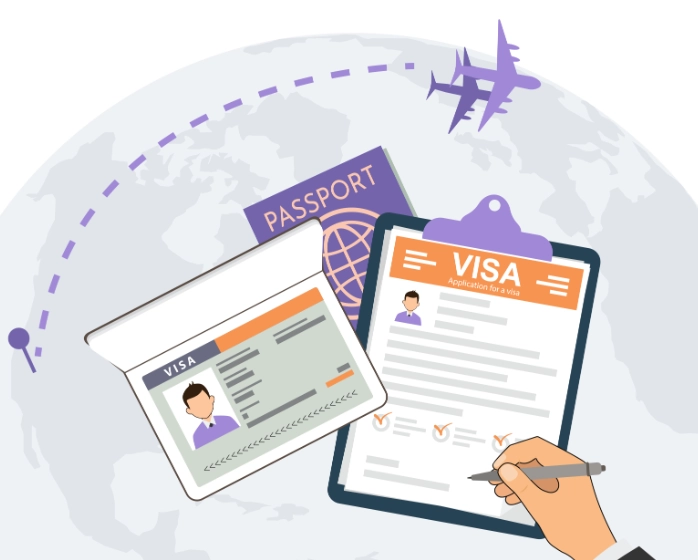


Share Your Thoughts