Quick Beach Guide
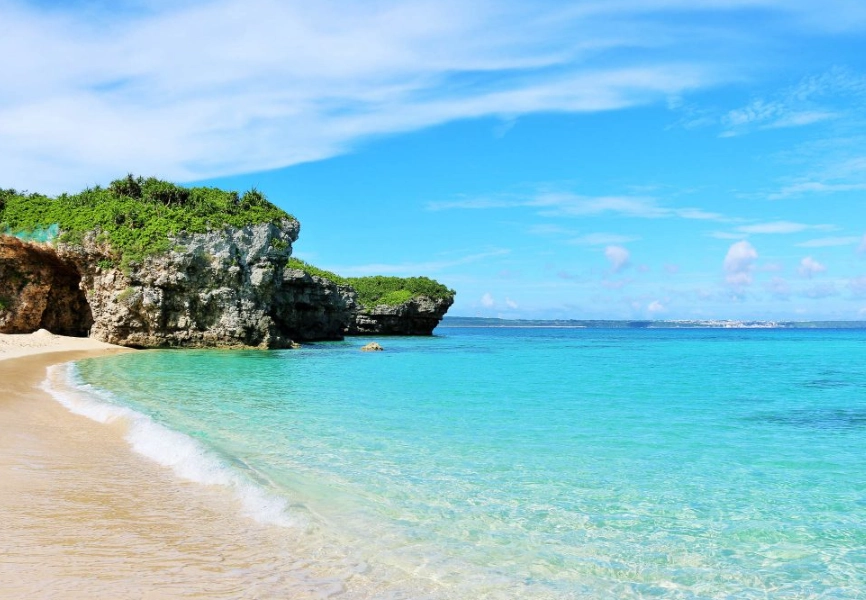
Let's be honest. When you picture Okinawa beaches swimming, your mind probably conjures up those impossibly perfect Instagram shots. Crystal-clear, turquoise water so transparent you can see your toes wiggling in the sand. Gentle waves, maybe a sea turtle gliding by. It's the kind of daydream that sells plane tickets. And for the most part, Okinawa delivers on that fantasy in a big way. I've been lucky enough to spend weeks hopping between these islands, and the reality of slipping into that warm, blue water often matches, and sometimes even exceeds, the hype.
But here's the thing they don't always tell you in the brochures. Not every stretch of sand is created equal for a swim. Some are postcard-perfect but have currents that demand respect. Others are calm as a lake but packed with families. And figuring out when to go is just as important as where. A beach that's paradise in July can be a windy, choppy affair in January.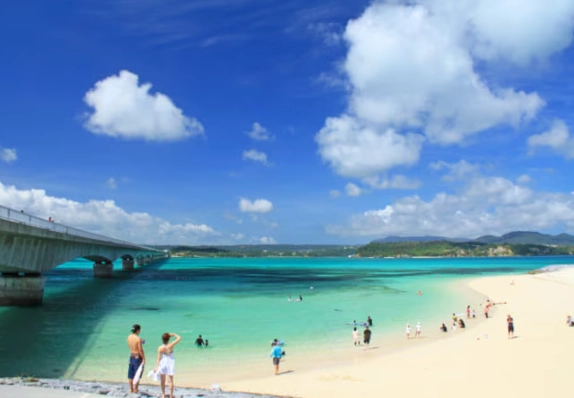
So, whether you're a confident open-water swimmer looking for adventure or a parent wanting a safe, shallow paddling pool for the kids, this guide is here to cut through the noise. We're going beyond the generic "top 10 beaches" list. We're talking about the real, practical, sometimes gritty details of planning your Okinawa swimming adventure. I'll share the spots that took my breath away, the one beach I found overrated (and why), and all the safety stuff you absolutely need to know before you dive in.
Finding Your Perfect Match: A Swimmer's Guide to Okinawa's Best Beaches
Okinawa isn't just one island; it's a long, beautiful chain. The vibe, the water, and the swimming conditions can change dramatically from one coast to another. Instead of just throwing names at you, let's break it down by what you're actually looking for in your beach swimming experience. Think of this as a matchmaking service for you and the perfect stretch of sand.
For Families and Nervous Swimmers: Calm, Protected Bays
If your ideal swim involves water so calm you can barely tell it's moving, these are your spots. These beaches are often nestled inside bays or protected by offshore reefs, making them perfect for toddlers, first-time snorkelers, or anyone who just wants to float without a care.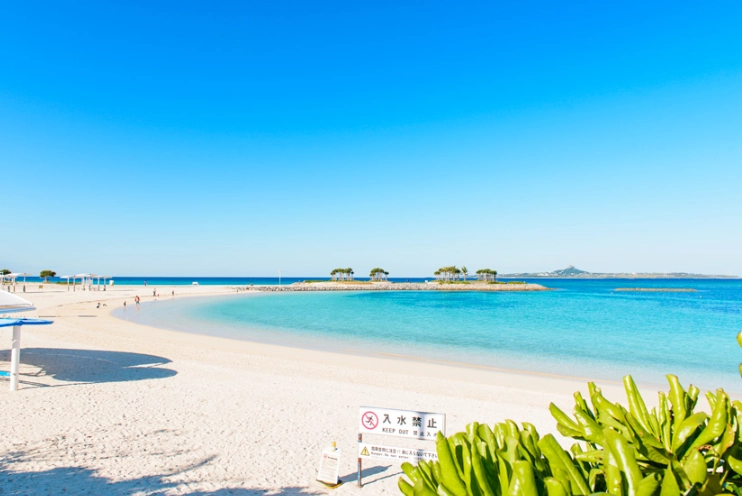
Manza Beach (Onna Village)
Nestled right next to the tourist hub of the Manza Beach Resort, this cove is a model of managed, safe swimming. The water is almost always placid, thanks to the surrounding geography. There's a roped-off swimming area monitored by lifeguards, plenty of facilities (showers, rentals, food), and the sand is meticulously maintained. It's not the "wildest" experience, but for guaranteed easy swimming, it's hard to beat. The coral right off the beach isn't what it used to be, but it's a great place to get your fins wet for the first time.
Best For: Guaranteed calm water, families with young children, first-time visitors.Moon Beach (Onna Village)
Another Onna Village gem with a beautiful, long crescent of sand. The swimming area is clearly defined and protected. What I love here is the variety—you can stick to the shallow, calm edges or swim out a bit further over some interesting rock and coral formations. It's a popular spot, so it can get busy, but the infrastructure (parking, restaurants) is top-notch. A solid, reliable choice for a stress-free day of Okinawa beaches swimming.
Best For: Reliable conditions, good facilities, a mix of shallow and slightly deeper water.For Snorkelers and Underwater Explorers
This is where Okinawa truly shines. Some beaches are like stepping into a giant, natural aquarium. The key here is healthy coral close to shore and clear visibility.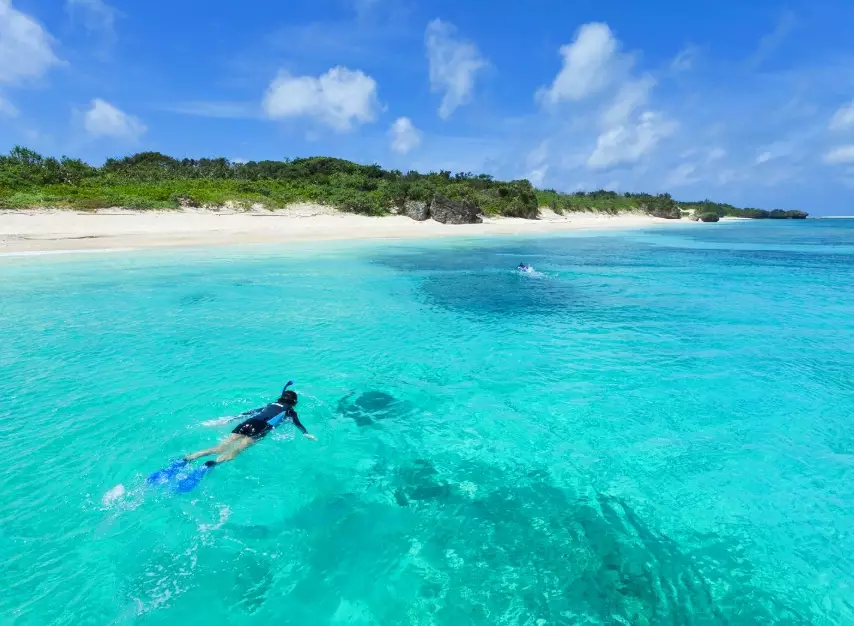
Sunset Beach (Chatan)
Don't let the American Village backdrop fool you—the water quality here is surprisingly good. A long, shallow sandbar extends way out, making it feel like you're walking on water. Once you get past the sandbar, you'll find patches of coral and an incredible diversity of fish. It's a fantastic, accessible spot for snorkeling without needing a boat. Plus, watching the planes land at the nearby airport from the water is a unique experience. Parking can be a nightmare on weekends, though.
Best For: Easy, productive snorkeling, unique views, long, shallow wades.Maeda Point (aka Maeda Flats - Onna Village)
Okay, a confession. This isn't a classic sandy beach. It's a rocky, limestone point with concrete steps leading into the ocean. So why is it on every snorkeling and diving list? Because it's arguably one of the most accessible and spectacular underwater sites on the main island. You walk in from the shore and are almost immediately surrounded by stunning coral formations, huge schools of tropical fish, and if you're lucky, sea turtles. The current can pick up, so it's best for confident swimmers and snorkelers. Go early to beat the crowds.
Best For: Serious, accessible snorkeling and shore diving, seeing big marine life. Note: Not a lounging beach; it's an entry point for the water.For the Secluded Beach Experience
Want to feel like you have a slice of paradise to yourself? You'll need to venture a bit further or work a little harder.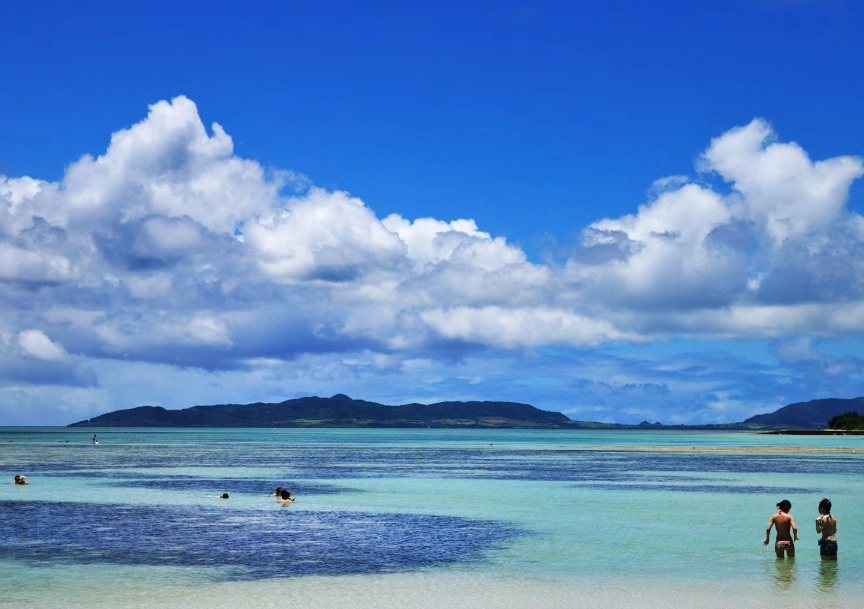
Aharen Beach (Tokashiki Island, Keramas)
This is what happens when you take a 35-minute ferry from Tomari Port in Naha. You arrive at a beach that looks like it's been photoshopped. The sand is pure white, the water is a gradient of blues, and the coral reefs are vibrant. It's more popular than it used to be, but it still feels a world away from the bustle of the main island. The swimming area is large and generally calm. This is the quintessential "getaway" Okinawa beach swimming spot. Just remember to check the ferry schedule for your return trip!
Best For: Picture-perfect scenery, a day-trip adventure, fantastic snorkeling.Swimming in Paradise 101: The Non-Negotiable Safety Guide
This is the most important section in this entire guide. The ocean around Okinawa is breathtakingly beautiful but demands respect. Ignoring these rules isn't just risky; it can be deadly. Let's get serious for a moment.
Understanding Rip Currents - The Silent Hazard
This is Public Enemy Number One for swimmers worldwide, and Okinawa is no exception. A rip current is a powerful, narrow channel of fast-moving water flowing *away* from the shore. It can pull even the strongest swimmers out to sea. They don't drag you down, they pull you out. Panic is the real killer.
How to spot one: Look for a channel of churning, choppy water. A line of foam, seaweed, or debris moving steadily seaward. A break in the incoming wave pattern.
What to do if you're caught: DO NOT swim directly against it. You'll exhaust yourself. Swim *parallel* to the shoreline until you're out of the current's pull, then swim back to shore at an angle. If you can't swim out of it, float or tread water, wave for help, and conserve your energy. The current will usually dissipate just beyond the breakers.
The Okinawa Prefectural Government's Disaster Prevention and Crisis Management Division provides excellent resources on marine safety, emphasizing the importance of heeding warning flags and lifeguard instructions at designated swimming beaches.
Marine Life: What's Friendly, What's Not
Most encounters are harmless and amazing. But a few creatures require caution.
- Sea Urchins: Very common, especially in rocky areas. Their spines are brittle and painful if stepped on. Always wear swim shoes (aqua socks) when walking on rocks or coral. This is my number one piece of gear advice.
- Stonefish & Lionfish: Masters of camouflage (stonefish) or beautiful but venomous (lionfish). Both have venomous spines. Again, swim shoes and watching where you put your hands are key. Don't touch anything.
- Jellyfish: Box jellyfish can appear, particularly in warmer months (May-October). Beaches with nets will have signs. Vinegar stations are often available if stung. The Japan Meteorological Agency (JMA) sometimes issues warnings about dangerous marine life like jellyfish blooms, so it's a good resource to check for seasonal advisories.
- Sea Snakes: Highly venomous but incredibly docile. They have tiny mouths and are not aggressive. Just give them space and admire from a distance.
The Lifesaving Flag System
Japan uses a standard flag system at managed beaches. Ignoring them is foolish.
| Flag Color | Meaning |
|---|---|
| Red | Danger! Swimming is prohibited. High waves, strong currents, or marine pests present. |
| Yellow | Caution. Swim with care. Conditions may be challenging for weak swimmers. |
| Green | Safe. Conditions are calm and suitable for swimming. |
| Orange (Sometimes with a jellyfish pictogram) | Marine pests (like jellyfish) present. Swim at your own risk, or consider wearing protective gear. |
| Black & White Checkered | Surfing area. Swimmers should avoid this zone. |
When to Go: Decoding Okinawa's Swimming Seasons
Okinawa has a subtropical climate, which means it's warm for most of the year. But "warm" doesn't always mean "ideal for swimming."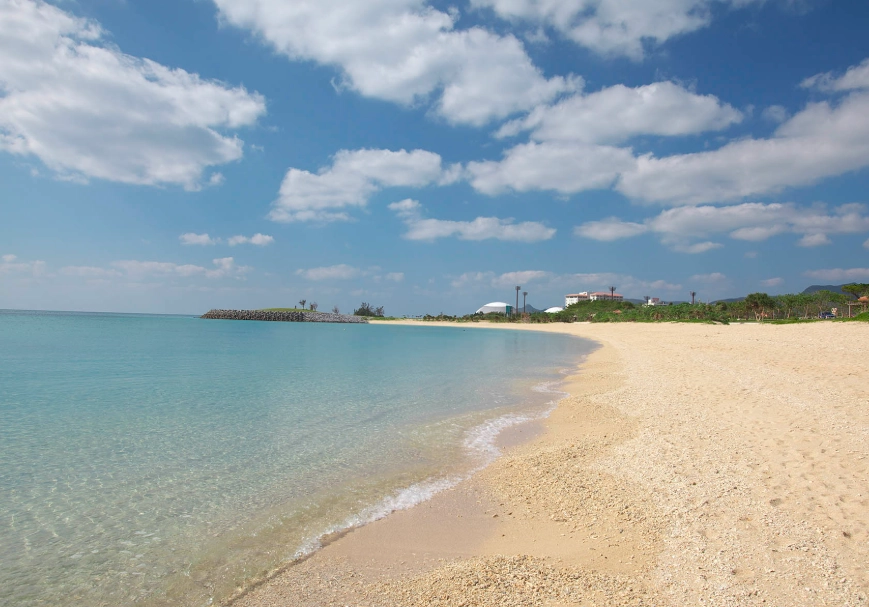
- Peak Season (Late May - September): This is when most people imagine Okinawa beaches swimming. Water temperatures are bath-like (26-30°C / 79-86°F). However, this is also typhoon season. While not constant, a typhoon can disrupt plans for days. It's also hot, humid, and crowded. Be prepared for afternoon thunderstorms.
- Shoulder Season (April - early May, October - November): My personal favorite time. The water is still very warm (23-27°C / 73-81°F), the humidity drops, the risk of typhoons is lower, and crowds thin out. Swimming in October is absolutely delightful.
- Off-Season (December - March): Don't write it off! On calm, sunny days, swimming can be wonderful. The water is cooler (18-22°C / 64-72°F)—what many would call "refreshing." But the north wind (the "Nishi") can kick up, making the sea choppy and some beaches unpleasant for swimming. It's hit or miss, but when you hit, you often have the beach to yourself.
Always check the local forecast and wave reports. A website like the JMA's marine forecast page can give you detailed wave height and wind direction info for different coastal areas.
Your Okinawa Beach Swimming FAQ: All Those Little Questions Answered
- Swim Shoes (Aqua Socks): I cannot stress this enough. Protects from urchins, sharp coral, and hot sand.
- Rash Guard: Protects from sunburn (the sun is intense) and minor jellyfish stings.
- Reef-Safe Sunscreen: Please! Many sunscreens contain chemicals that bleach and kill coral. Look for mineral-based (zinc oxide/titanium dioxide) and "reef-safe" labels. This is becoming a major focus for conservation, and rightly so. The Okinawa Prefectural Nature Conservation Council has information on protecting the marine environment.
- Water, Hat, Towel: Basic but essential.
So there you have it. A real, no-BS guide to making the most of the incredible opportunity that is Okinawa beaches swimming. It's an experience that can be the highlight of any trip, as long as you go in with your eyes open, a healthy respect for the ocean, and a good pair of swim shoes. Do your homework on the beach that matches your needs, check the flags, slather on that reef-safe sunscreen, and dive into some of the most beautiful water on the planet. You won't regret it.
Got a specific beach in mind or a question I didn't cover? Drop it in the comments below—I read them all and am always happy to help fellow beach lovers plan their perfect day.


Share Your Thoughts