Your Quick Guide
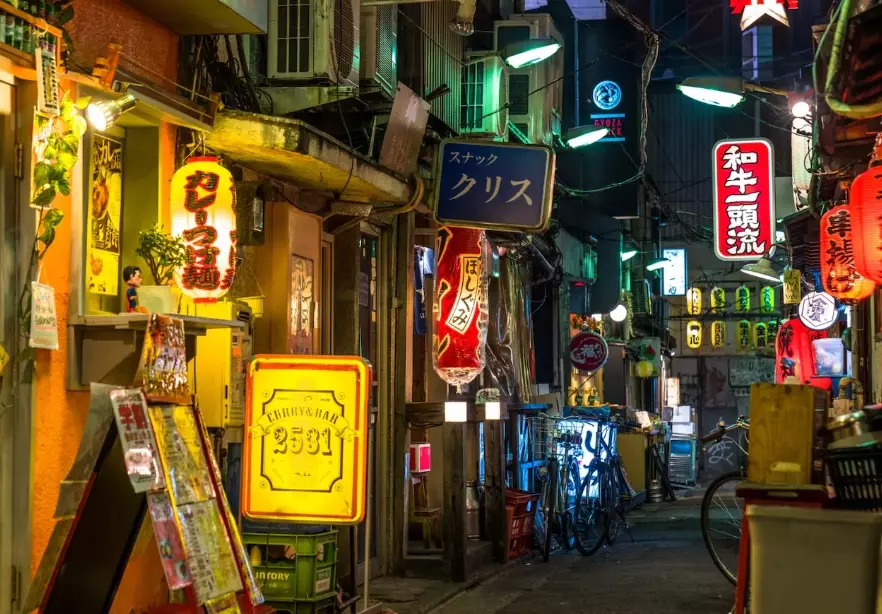
Let's be honest, the thought of Japanese etiquette can be downright intimidating. You've probably heard stories – the precise bowing, the intricate dining rules, the silent trains. It feels like a minefield where one wrong step labels you as the rude foreigner. I remember my first solo trip to Tokyo, clutching a phrasebook and paralyzed at the entrance of a tiny izakaya, terrified of offending someone. Spoiler: I survived, and you will too. The secret isn't memorizing a thousand rules; it's understanding the why behind them. This Japanese etiquette guide isn't about perfection, it's about showing respect. And guess what? Japanese people are incredibly forgiving and appreciative when they see you trying. They know it's complex. So, take a deep breath. This guide will walk you through the real, practical stuff you need to know, not just textbook theory.
Why does it matter so much? In Japan, harmony (wa) is the glue that holds society together. Etiquette is the practical application of that. It's a way of showing consideration for others, of not causing discomfort or disruption (meiwaku). It's less about you being "good" and more about you not making others feel bad. Once you see it that way, it starts to make sense.
The Non-Negotiable Basics: Your First Steps
Before we dive into restaurants and temples, let's cover the absolute fundamentals. Get these right, and you've already won half the battle. These are the pillars that everything else is built on.
Greetings and Bowing: It's Not Just a Nod
The bow (ojigi). It's the first thing everyone thinks of. Handshakes are becoming more common, especially in business with foreigners, but the bow is king. Don't stress about the exact angle. As a visitor, a polite incline of the head and shoulders (about 15 degrees) is perfect for most situations – greeting a shopkeeper, thanking someone. The deeper the bow, the more formal or sincere. A key point? Keep your back straight and bow from the waist. And avoid eye contact during the bow; it can be seen as aggressive. Just look down naturally.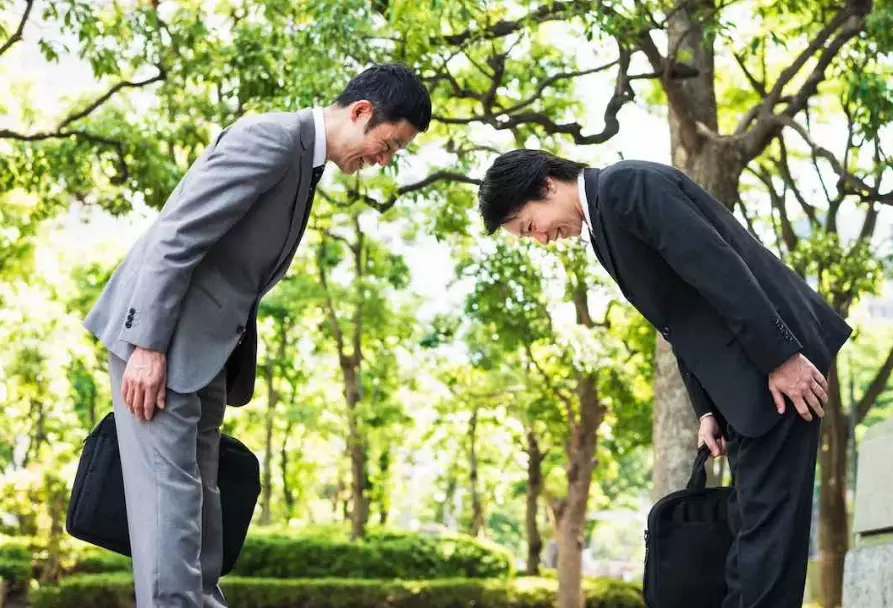
What about words? "Konnichiwa" (hello) is your safe bet during the day. In the morning, "ohayou gozaimasu" is more specific and polite. When leaving, "sayounara" is quite final. "Shitsurei shimasu" (excuse me/I'm being rude) is actually a very common and polite way to say you're leaving a room or ending a conversation. Try it.
The Shoe Saga: Indoors vs. Outdoors
This is a big one, and non-negotiable. The separation of the dirty outside world and the clean inside world is sacred. You will encounter this at ryokans (traditional inns), temples, some restaurants, and even some people's homes or certain offices.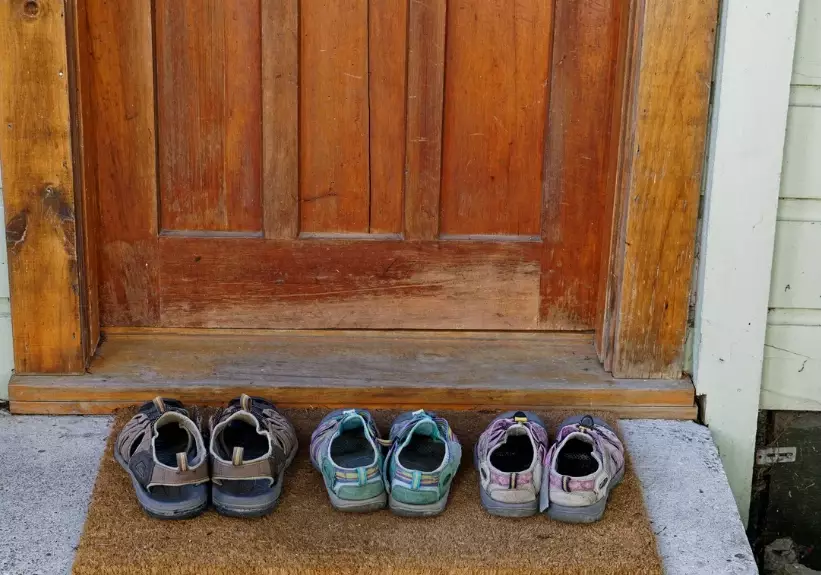
How does it work? You'll see a step up or a clear change in flooring (often from tile to tatami). That's your cue. There will usually be slippers provided. Step out of your shoes onto the raised floor, turn around, and neatly place your shoes facing outward so you can step into them easily when you leave. Then put on the house slippers.
But wait, there's more! There's often a second slipper change for bathrooms. You'll see special bathroom slippers. You must change into these when entering the bathroom and change back when you leave. Forgetting this and walking around the main house in bathroom slippers is a classic foreigner blunder. I've done it. My host gently pointed it out with a smile. It was embarrassing, but a good lesson.
And tatami mat rooms? No slippers at all. Socks or bare feet only. The straw mats are delicate.
Exchanging Things: The Grace of Two Hands
This is a subtle but deeply ingrained practice. Whenever you give or receive something – money, a gift, a business card, even a shopping bag – use both hands. It shows care and respect. Receiving with one hand can seem casual or dismissive. When paying in a shop, place your money on the small tray provided, don't hand it directly to the cashier. They will give you change the same way.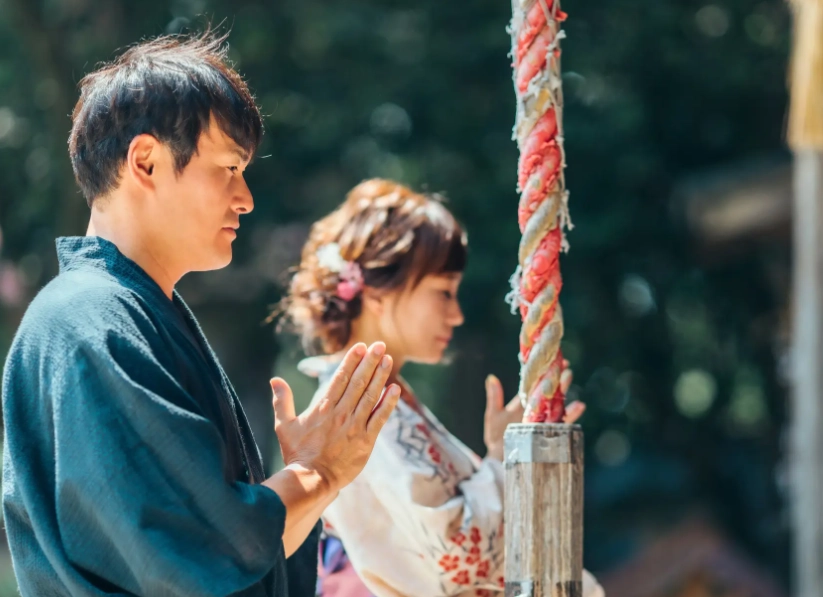
Which brings us to…
Mastering the Japanese Dining Experience
Food is central to Japanese culture, and the rules around it are where many visitors feel most anxious. Let's break it down by setting.
General Table Manners That Apply Everywhere
Some universal truths before we hit specific dishes. Saying "itadakimasu" before you eat (literally "I humbly receive") and "gochisousama deshita" after ("thank you for the feast") is polite. It shows appreciation.
The hasahi (chopsticks). So many rules! The main ones to avoid: don't stick them upright in a bowl of rice (it resembles a funeral rite), don't pass food directly from your chopsticks to someone else's (another funeral association), don't spear your food, and don't point with them. Rest them on the chopstick rest (hashioki) or across your bowl when not in use.
Slurping noodles is not only acceptable, it's encouraged! It shows you're enjoying the meal and helps cool down hot noodles. Go for it.
| Chopstick Faux Pas (Kiraibashi) | Why It's Avoided |
|---|---|
| Sashi-bashi (Spearing food) | Seems aggressive, lazy technique. |
| Yose-bashi (Pulling a dish closer with chopsticks) | Use your hands for the dish, not your eating utensils. |
| Namida-bashi ("Tearful chopsticks" - letting sauces drip) | Messy and inconsiderate. |
| Saguri-bashi (Digging around in a dish for a good piece) | Greedy and rude. Take the piece on top. |
| Neburi-bashi (Licking your chopsticks) | Unhygienic and unappealing. |
Drinking etiquette: Never pour your own drink. Keep an eye on your companions' glasses and refill them when they get low. They will do the same for you. When someone is pouring for you, lift your glass slightly with one or two hands. A small nod of thanks is good too.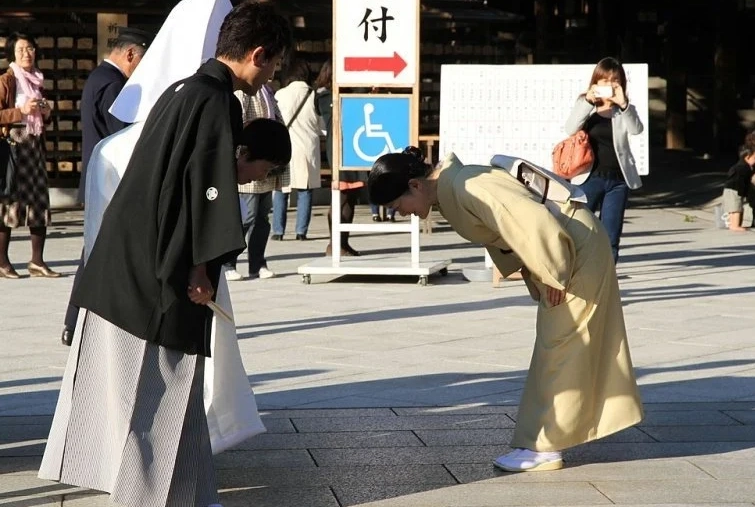
Sushi Bar Specifics
At a high-end sushi counter, the chef (itamae) is in command. It's an experience. You can use your hands or chopsticks for nigiri sushi – both are fine. The chef will usually place a piece directly on your plate. Eat it soon after it's served for the best temperature and texture. Dipping? Turn the nigiri sideways or upside-down so the fish (not the rice) lightly touches the soy sauce. Putting the rice in the soy bowl makes it fall apart and soaks up too much sauce, which the chef might interpret as you finding his rice bland.
Ginger (gari) is a palate cleanser, not a topping. Eat it between different types of fish.
Izakaya & Group Dining Vibes
Izakayas are Japanese pubs, loud, fun, and relaxed. Here, sharing is key. Dishes are ordered for the table. It's polite to take only a small portion at a time. The "oshibori" (hot towel) is for cleaning your hands before the meal, not your face or neck. And remember the pouring rule – it's in full effect here with beer and sake.
Speaking of sake, don't refill if your companion's glass is still full! Wait until it's at least half-empty. And if you've had enough, leave your glass full. It's a silent signal.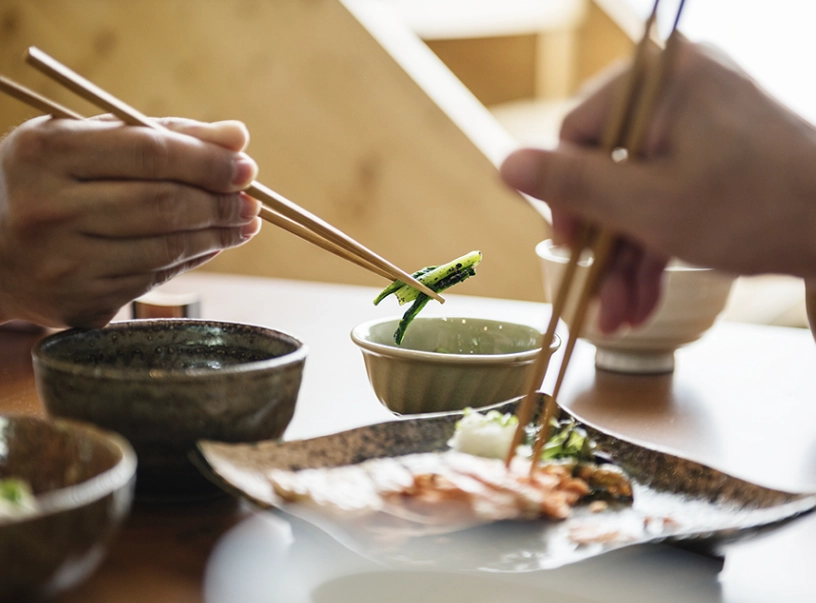
Navigating Public Spaces and Transport
Japan's public spaces run on an unspoken code of conduct. Following it makes life smoother for everyone.
The Sacred Silence of Trains
The famous quiet of Japanese trains isn't a myth. Talking on the phone is a major no-no. Keep conversations with companions to a low murmur. Most people are reading, sleeping, or on their phones (silently!). If you must take a call, go to the area between carriages. Playing audio out loud from your device is probably the quickest way to get disapproving stares. Use headphones.
Queuing: Lines are orderly. Wait for people to exit the train before you board. On escalators, stand on the left in Tokyo (and most of Eastern Japan), and on the right in Osaka/Kyoto. The other side is for people walking up.
Onsen (Hot Spring) Etiquette: The Ultimate Test
This is a bucket-list experience that scares many due to the nudity and ritual. Let's demystify it. First, onsens are segregated by gender. You strip completely in the changing room. No swimsuits, no underwear. Bring only the small towel provided (you can rent or buy one).
Before entering the communal bath, you must wash thoroughly. Sit on the little stool in the shower area, soap up, rinse off every bit of suds. The bath is for soaking, not cleaning. Your small towel? You can put it on your head, fold it on the side of the bath, but do not let it touch the bath water. It's considered unclean.
Long hair should be tied up. No splashing, no swimming. Just relax. It's incredibly peaceful once you get past the initial awkwardness. I was nervous my first time, but the routine is so prescribed that it actually becomes meditative.
| Step | Action | Key Point |
|---|---|---|
| 1. Entrance | Pay fee, get towel. | Check if tattoos are allowed. Many ban them. |
| 2. Changing Room | Undress completely, store belongings in locker/basket. | No modesty towels into the bath area. |
| 3. Washing Station | Sit on stool, wash head-to-toe with soap/shampoo. | Rinse ALL soap off your body and stool area. |
| 4. Entering Bath | Rinse once more with hot water from the bath (using the provided ladle). | Be gentle, no splashing. |
| 5. Soaking | Enter slowly, relax quietly. | Towel on head or side, not in water. |
| 6. Exiting | Dry off lightly before returning to changing room. | Don't drip water everywhere. |
Temples and Shrines: Spiritual Sites
At Shinto shrines, you'll see a temizuya (water pavilion). Purify yourself: hold the ladle in your right hand, wash your left. Switch hands, wash your right. Then pour water into your left hand to rinse your mouth (spit the water out discreetly onto the ground, not back into the trough). Finally, tilt the ladle vertically to wash the handle.
At the main hall, toss a coin into the offering box (5-yen coins are considered lucky), bow twice deeply, clap your hands twice, bow once more, and pray silently. At Buddhist temples, the clapping is usually omitted – just put your hands together in prayer. Always be respectful and quiet. Photography is often allowed in courtyards but prohibited inside main halls. Look for signs.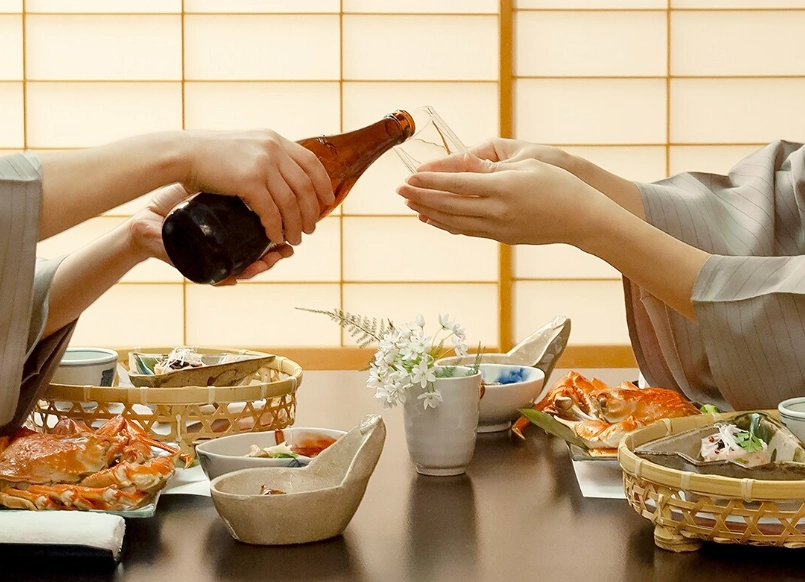
Money, Tipping, and Gifting
Japan is largely a cash society, though credit cards are widespread in cities. Having cash for small shops, temples, and rural areas is wise. The big cultural difference? No tipping. None. Not in taxis, not in restaurants, not for guides. Tipping can be confusing and even embarrassing, as it's not part of the culture. Excellent service is the standard and is included. If you try to leave cash on a table, staff will likely chase you down to return it.
Gifting (omiyage), however, is huge. If you visit someone's home, bringing a small gift is expected. Local sweets or food from your home country are excellent choices. Present it with both hands. The recipient may not open it in front of you immediately; this is to avoid appearing greedy. Don't be offended.
Quick Reference: Tipping vs. Gifting
DO NOT TIP: Restaurants, hotels (unless a clearly marked service charge), taxis, tour guides, spa therapists.
DO GIFT: When invited to a home, as a thank-you for a significant favor, when returning from a trip (to colleagues/family). Keep it modest and nicely presented.
Business Etiquette: A Brief Primer
If your trip involves work, the stakes feel higher. The cornerstone is the meishi (business card) exchange. Treat it with reverence. Have your cards ready in a case. Present and receive cards with both hands, taking a moment to actually read the card you're given. Don't just pocket it immediately. Place it on the table in front of you during the meeting. Never write on someone's card in their presence, and don't stuff it carelessly into your back pocket. I've seen Western colleagues fumble this, and the Japanese counterpart's polite smile never wavered, but you could feel the slight shift.
Punctuality is non-negotiable. On time is late. Aim for 5-10 minutes early. Decision-making can be consensus-driven and slow from a Western perspective. Be patient. Direct confrontation or saying "no" bluntly is avoided. "It is difficult" or "we will consider it" often means no.
Your Japanese Etiquette Guide FAQ: Quick Answers
Wrapping It Up: Mindset Over Memorization
After all these details, my final piece of advice is this: don't let the rules paralyze you. The most important thing you can bring is a respectful and observant attitude. Watch what locals do. When in doubt, a slight bow and a polite demeanor will carry you far. This Japanese etiquette guide is your roadmap, not a prison.
Japan is a country that delights in precision and care, and its etiquette reflects that. But it's also a country of immense kindness. I've been corrected gently, helped generously, and welcomed warmly far more often than I've been judged. They see you trying. They appreciate it. So use this guide, keep the core principles of cleanliness, quiet consideration, and respect in mind, and go enjoy one of the most fascinating cultures on earth. Your awareness alone sets you apart from the oblivious tourist. Have a fantastic trip – or "yoi tabi o!"
For further reading on the philosophical underpinnings of Japanese social behavior, resources from the Japanese Ministry of Foreign Affairs or cultural essays from institutions like the Japan Society can offer deeper insight. It all connects back to that fundamental desire for harmony, the wa that makes Japan work.

Share Your Thoughts