Tokyo might be all about skyscrapers and crowds, but here's a secret locals know: within two hours, you can be hiking a mountain trail or soaking in a hot spring. When travelers say "Tokyo National Park," they're usually talking about the cluster of national parks around Tokyo—perfect for day trips. I've spent years exploring these spots, and let me tell you, most guides get the timing wrong. You'll see why in a bit.
Quick Navigation: What's Inside This Guide
- Why Visit National Parks Near Tokyo?
- Top 3 National Parks You Can't Miss Near Tokyo
- How to Get to These Parks from Tokyo: Transportation Tips
- Insider Tips for Avoiding Crowds and Maximizing Your Experience
- What to Pack for a Day Trip to a National Park
- Frequently Asked Questions (Answered by a Local Expert)
Why Visit National Parks Near Tokyo?
After a week in Tokyo, your feet hurt from concrete, and your ears ring with subway noise. That's when these parks become a lifesaver. They're not just pretty views—they're a reset button. According to the Japan National Tourism Organization, over 60% of international visitors add a nature day trip from Tokyo, but few plan it right. Most rush to Hakone on a weekend and end up in lines longer than Shinjuku Station at rush hour.
I made that mistake once. Went to Nikko on a Sunday, spent three hours in traffic, and saw more selfie sticks than waterfalls. Now, I go on Tuesdays.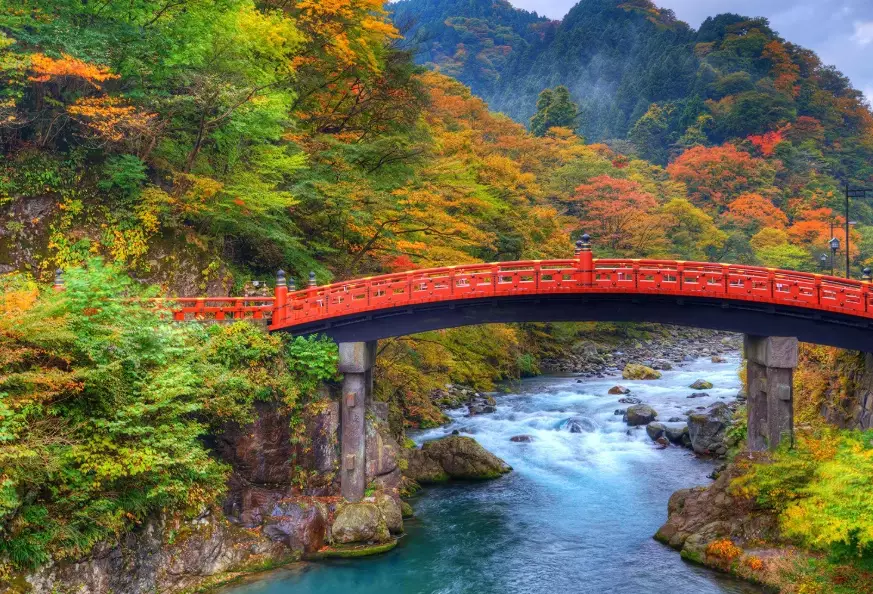
Top 3 National Parks You Can't Miss Near Tokyo
Forget trying to see them all. Pick one based on your mood. Here's my breakdown, with the gritty details most sites gloss over.
Fuji-Hakone-Izu National Park: Iconic Views and Hot Springs
This is the poster child, but it's huge—spanning multiple prefectures. Most people head to Hakone for the onsens and Fuji views. Entrance to the park itself is free, but attractions like the Hakone Open-Air Museum charge around 1,600 yen. The address is vague because it covers areas in Yamanashi, Shizuoka, and Kanagawa. Opening hours? Trails are 24/7, but cable cars and boats run from 9 AM to 5 PM. Nearest station: Odawara Station, about 80 minutes from Tokyo Station on the Shinkansen (costs around 3,000 yen one-way).
My take: Skip the crowded Lake Ashi cruise. Instead, hike the Old Tokaido Road near Hakone—it's free, shaded, and you'll have it mostly to yourself.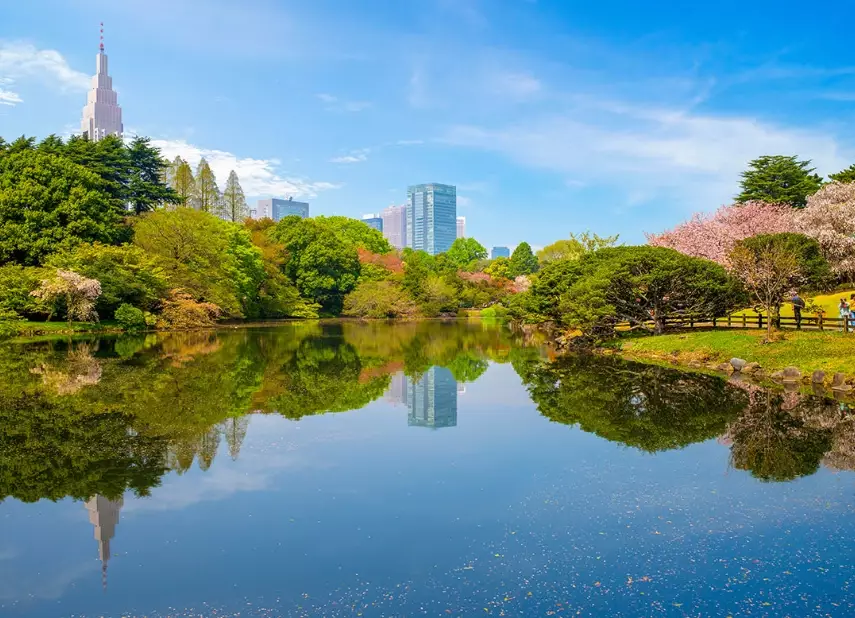
Nikko National Park: UNESCO Heritage and Stunning Waterfalls
Two hours north of Tokyo, this park mixes history with nature. Toshogu Shrine is the star, but it costs 1,300 yen to enter. The park address is in Nikko, Tochigi Prefecture. Trails like the Kegon Falls area are open from 8 AM to 5 PM. Nearest station: Tobu Nikko Station, accessed via a 2-hour train from Asakusa Station (about 2,800 yen round trip on the Tobu Railway).
Here's a tip nobody mentions: The shrine gets packed by 10 AM. Go straight to the waterfalls first—they're quieter in the morning—then hit the shrine after lunch when tour groups leave.
Chichibu-Tama-Kai National Park: Hiking Trails and Rural Charm
West of Tokyo, this is for hikers who want solitude. No entrance fees, just raw nature. Address covers parts of Saitama, Yamanashi, Nagano, and Tokyo (yes, Tokyo has a sliver!). Trails are accessible dawn to dusk. Nearest station: Chichibu Station, about 90 minutes from Ikebukuro Station on the Seibu Railway (costs around 1,500 yen one-way).
I love this place because it feels undiscovered. Last autumn, I hiked to Mitsumine Shrine and saw maybe ten people all day. Pack a lunch—there are few vendors.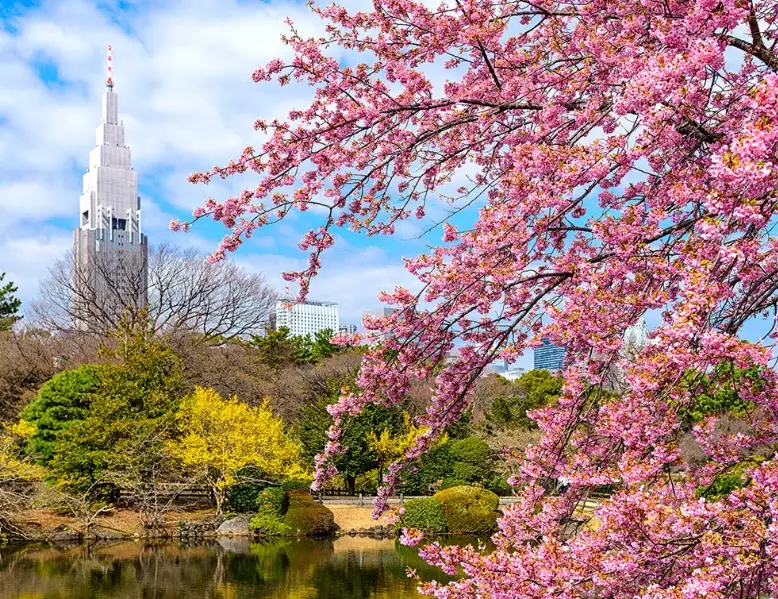
| Park Name | Entrance Fee | Address (Key Area) | Opening Hours (Main Area) | Nearest Station from Tokyo | Approx. Travel Time & Cost from Tokyo |
|---|---|---|---|---|---|
| Fuji-Hakone-Izu National Park | Free (attractions charge separately) | Hakone, Kanagawa Prefecture | 24/7 for trails; attractions 9 AM–5 PM | Odawara Station | 80 min, ~3,000 yen (Shinkansen) |
| Nikko National Park | Free (shrines charge, e.g., 1,300 yen for Toshogu) | Nikko, Tochigi Prefecture | 8 AM–5 PM for most sites | Tobu Nikko Station | 2 hours, ~2,800 yen (train from Asakusa) |
| Chichibu-Tama-Kai National Park | Free | Chichibu, Saitama Prefecture | Dawn to dusk (trails) | Chichibu Station | 90 min, ~1,500 yen (train from Ikebukuro) |
That table should help you compare at a glance. Notice how Chichibu-Tama-Kai is the budget option—great if you're watching your yen.
How to Get to These Parks from Tokyo: Transportation Tips
Transport can make or break your trip. Most people rely on Japan Rail Pass, but for these day trips, it's not always the best. For Hakone, the Odakyu Hakone Free Pass (from Shinjuku, around 6,100 yen for two days) covers trains, buses, and boats within Hakone—a steal if you plan to use local transport. For Nikko, the Tobu Nikko Pass (from Asakusa, about 4,800 yen for two days) is similar.
But here's my rant: Those passes lock you into a tight schedule. If you just want to hike in Chichibu, a simple train ticket is cheaper. Always check Hyperdia (a Japanese transit app) for real-time options.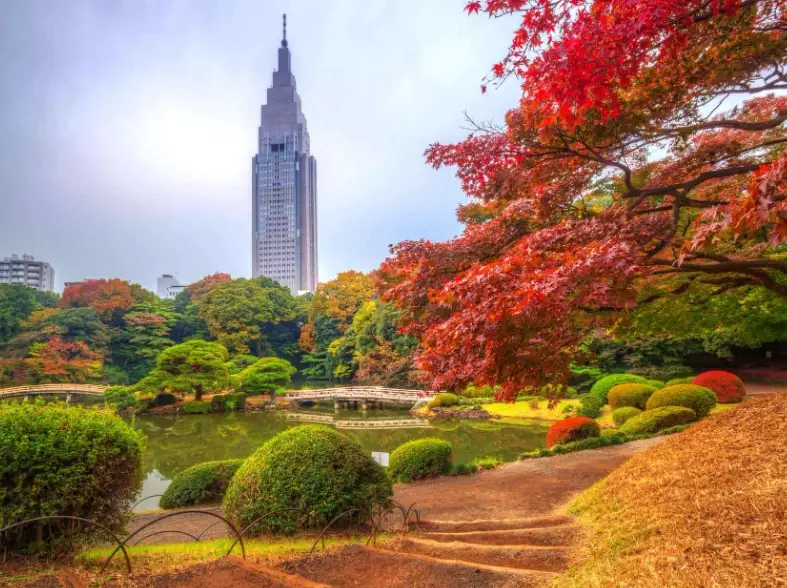
Insider Tips for Avoiding Crowds and Maximizing Your Experience
Crowds are the biggest pain point. Everyone goes on weekends or during cherry blossom season (late March to April). Go on a weekday—Tuesday or Wednesday are golden. Weather-wise, autumn (October to November) is best for colors, but spring has fewer bugs.
Another non-consensus point: Most blogs rave about Hakone's black eggs, but they're overpriced and taste like, well, eggs. Save your money for a good soba meal in Nikko instead.
Sustainable tourism is hot right now. In these parks, stick to marked trails to protect flora. The Japan Environment Ministry reports that off-trail hiking causes soil erosion—so be a responsible visitor.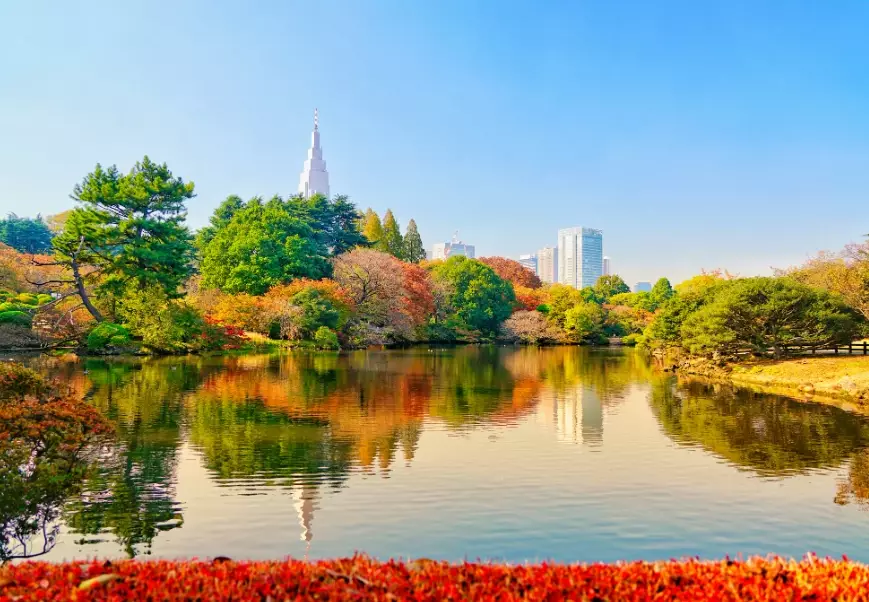
What to Pack for a Day Trip to a National Park
Packing light is key. Here's my go-to list:
- Sturdy shoes: Trails can be rocky. I use trail runners—no need for heavy boots.
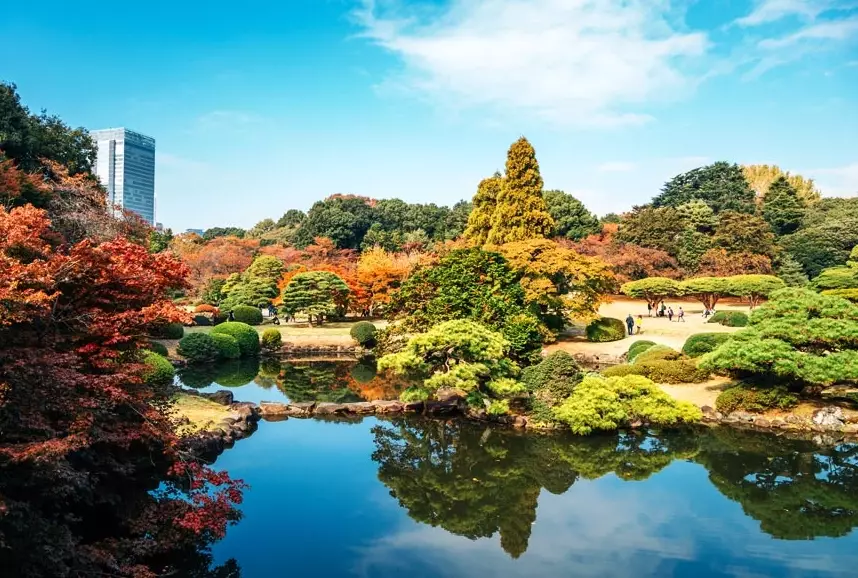
- Layered clothing: Weather changes fast. A light jacket even in summer.
- Water and snacks: Vending machines are scarce in Chichibu. Bring at least 1 liter of water.
- Cash: Many rural spots don't take credit cards. I always carry 5,000 yen in small bills.
- Portable charger: For photos and maps.
- Small trash bag: Carry your trash out—there are few bins.
This isn't just a checklist; it's from getting caught in a sudden rain in Nikko without a jacket. Not fun.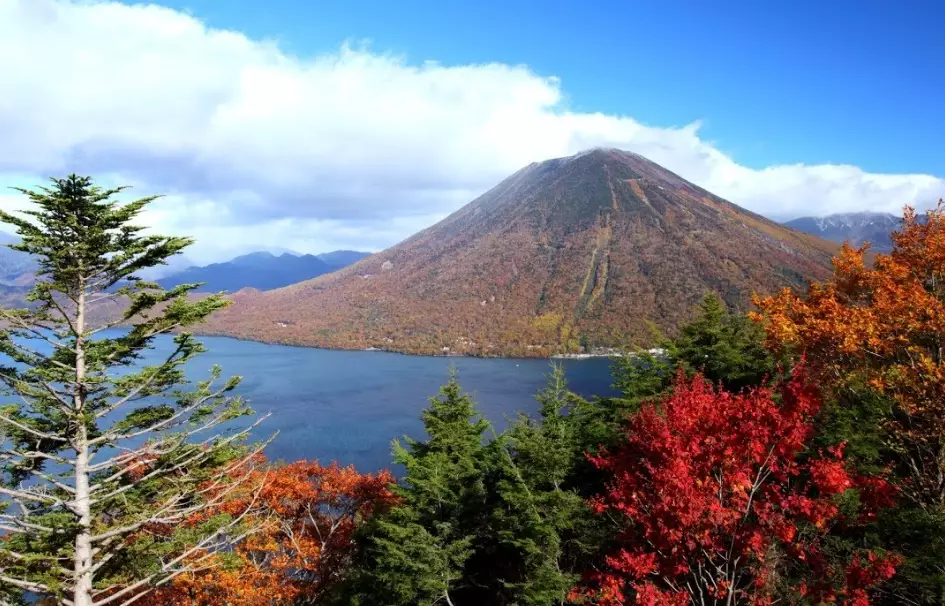
Frequently Asked Questions (Answered by a Local Expert)
That covers the essentials. Remember, these parks are more than just escapes—they're a way to see Japan beyond the cities. Plan smart, pack right, and you'll have stories to tell. If you're still unsure, start with Nikko; it's the easiest for first-timers. Happy trails!
Share Your Thoughts