Your Okinawa Beach Cheat Sheet
- The Seasonal Breakdown: What to Expect Weather-Wise
- Month-by-Month Beach Guide: A Detailed Comparison
- Beyond the Main Island: Regional Nuances
- What Are You Really Looking For? Matching Your Goal to the Season
- Practical Tips for Your Beach Trip, Regardless of Season
- Answering Your Burning Questions (FAQ)
- Wrapping It Up: Listen to Your Priorities
Let's be honest, figuring out the best time to visit Okinawa beaches can feel like a puzzle. You see pictures of impossibly turquoise water and sugar-white sand, and you just want to book the next flight. But then you hear about rainy seasons, typhoons, and sweltering humidity, and suddenly you're down a rabbit hole of weather charts and conflicting advice. I've been there. My first trip was in August because, well, summer equals beach, right? The water was bathtub warm and stunning, but the heat and humidity were intense, and the beaches were packed. It was amazing, but it made me wonder—was there a better time?
Turns out, there is. And "better" depends entirely on what you're looking for. The absolute best time to visit Okinawa beaches isn't a single month; it's a sweet spot that balances weather, crowds, water conditions, and your personal travel style. This guide isn't about giving you a one-size-fits-all answer. It's about breaking down each season and month so you can match your priorities—be it perfect snorkeling visibility, avoiding crowds, scoring a deal on flights, or just guaranteeing sunny skies—to the ideal window for your trip.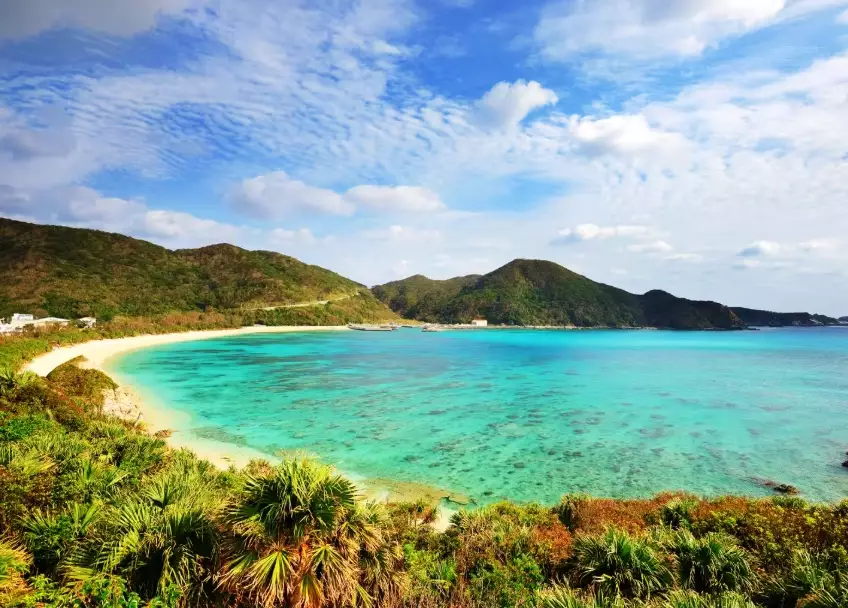
The Seasonal Breakdown: What to Expect Weather-Wise
Okinawa's weather dictates everything—from ocean clarity to how many people you'll share the sand with. Let's walk through the four main seasons, but forget the traditional calendar. Here, seasons are defined by temperature, rain, and typhoon risk.
Spring (March to May): The Awakening
This is a strong contender for the overall best time to visit Okinawa beaches for many travelers. Winter's chill has fully retreated, but the heavy humidity of summer hasn't arrived yet. Daytime temperatures climb comfortably from the low 20s°C (70s°F) in March to the high 20s°C (low 80s°F) by May. The rainy season is still a month or two away, so you get lots of bright, sunny days with relatively low humidity.
The ocean is warming up. By late March and early April, it's becoming swimmable for most, though some might still find it brisk. By May, it's genuinely pleasant. The biggest draw? The islands explode with color. Iconic bright pink bougainvillea and the vivid purple of the deigo (the Okinawan prefectural flower) are in full bloom. It's visually stunning.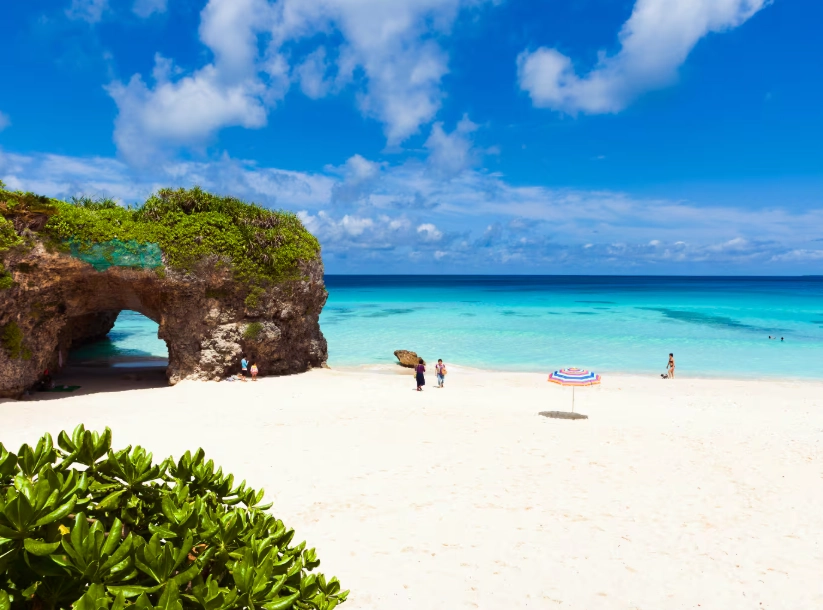
Crowds start to build in April and especially around Golden Week (a cluster of Japanese national holidays from late April to early May). If you can avoid Golden Week, you'll find a much more relaxed atmosphere.
Summer (June to September): Peak Power & Potential Storms
This is peak season. The weather is hot and humid—truly subtropical. Temperatures consistently sit in the high 20s to low 30s°C (mid-80s to low 90s°F), and the humidity can be oppressive, especially in July and August. The sea is at its warmest, like a soothing bath, perfect for long swimming and snorkeling sessions.
But here's the catch: summer encompasses two major weather events. First is the Rainy Season (Tsuyu), which typically runs from early May to late June. This isn't constant rain; it's periods of heavy, torrential downpours followed by sunshine. It can be unpredictable. Some days are a washout, others are just humid with a brief shower. Beach days are still possible, but you need flexibility.
Despite this, summer is wildly popular. Japanese school holidays mean families flock to the islands, and beaches like those in Chatan or Onna Village can get crowded. If you're set on summer, late June (after the main rainy front) or September (typhoon risk remains, but crowds thin) can be strategic choices for finding the best time to visit Okinawa beaches within the summer window.
Autumn (October to November): The Sweet Spot Returns
In my opinion, this is the secret champion. October can still have typhoon activity, especially in the first half, but as the month progresses, the risk drops significantly. The stifling heat and humidity of summer fade away, leaving behind warm, sunny days and comfortably cool evenings. The ocean retains immense heat from the summer, making water temperatures absolutely perfect—often still around 26-28°C (79-82°F).
The crowds dissipate after the summer rush and Silver Week (another holiday period in September). You'll find easier bookings, lower prices, and a more peaceful experience on the sand. By November, the air is crisp and fresh, ideal for active adventures. This period is arguably the best season for Okinawa beaches if you prioritize great weather, warm sea, and fewer people.
Winter (December to February): The Quiet Contrast
Winter is the wildcard. It's the low season for a reason. Air temperatures are mild, ranging from 17-20°C (63-68°F) during the day, but it can feel cooler with wind and rain. The big factor is the ocean temperature, which drops to around 20-22°C (68-72°F). For many, this is too cold for leisurely swimming, though it doesn't stop hardy surfers in wetsuits (winter brings consistent swells to the east coast).
What you get in return is stunning clarity. With less plankton in the water, visibility for snorkeling and diving can be exceptional. Crowds are minimal, and prices are at their lowest. If your dream is to see a famous beach like Kondoi Beach on Taketomi Island in complete serenity, winter can deliver that. Just pack a sweater and don't expect tropical heat.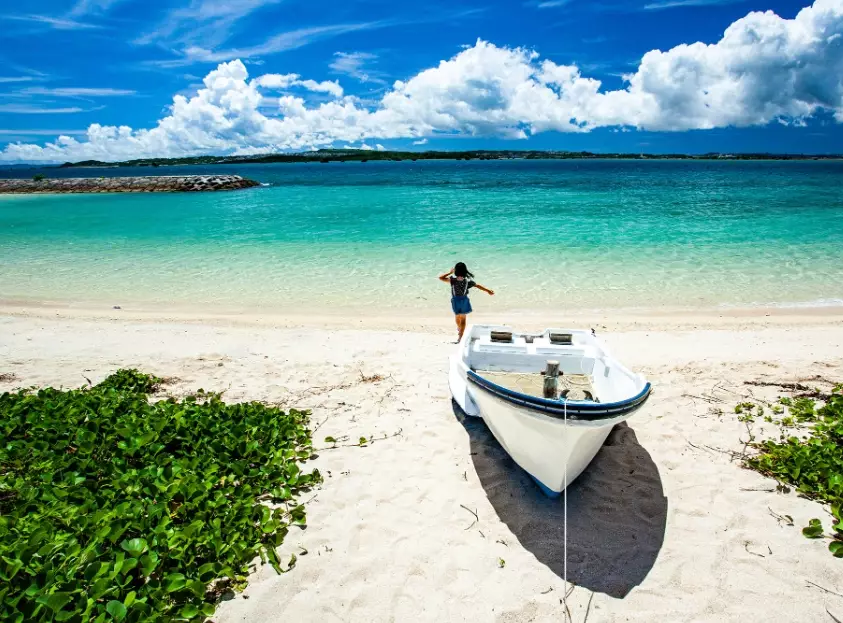
So, which season calls to you?
Month-by-Month Beach Guide: A Detailed Comparison
To really nail down your planning, let's zoom in. This table compares key factors month by month. Remember, these are general patterns—nature always has surprises.
| Month | Avg. Temp (°C / °F) | Sea Temp (°C / °F) | Rainy Days | Crowd Level | Best For / Notes |
|---|---|---|---|---|---|
| January | 17°C / 63°F | 21°C / 70°F | 12 | Very Low | Serenity, clear water, low prices. Chilly for swimming. |
| February | 17°C / 63°F | 20°C / 68°F | 11 | Very Low | Similar to Jan. Can be windy. Good for whale watching tours. |
| March | 19°C / 66°F | 21°C / 70°F | 12 | Low-Medium | Spring begins. Warming up, flowers bloom. Water still cool for some. |
| April | 22°C / 72°F | 23°C / 73°F | 11 | Medium-High | Lovely weather. Crowds build, especially near Golden Week. |
| May | 25°C / 77°F | 25°C / 77°F | 12 | High | Start of rainy season (late May). Warm sea, humid. Golden Week peak. |
| June | 28°C / 82°F | 27°C / 81°F | 14 | Medium | Rainy season in full swing. Hot, humid, but lush and green. |
| July | 30°C / 86°F | 29°C / 84°F | 11 | High | Rainy season ends. Hot, humid, sunny. Peak domestic tourism starts. |
| August | 30°C / 86°F | 29°C / 84°F | 12 | Very High | Peak heat, humidity, and crowds. High typhoon risk. |
| September | 29°C / 84°F | 28°C / 82°F | 12 | Medium-High | Typhoon peak month. Still hot. Crowds ease after first week. |
| October | 26°C / 79°F | 27°C / 81°F | 10 | Medium | Typhoon risk lowers. Excellent weather returns. Great balance. |
| November | 23°C / 73°F | 25°C / 77°F | 10 | Low-Medium | One of the best months. Warm days, cool nights, perfect water, few crowds. |
| December | 19°C / 66°F | 23°C / 73°F | 11 | Low | Cool and dry. Festive lights. Water cooling fast. Peaceful. |
Data sources like the Japan Meteorological Agency provide the official climate statistics that back up these patterns. It's always smart to check their forecasts closer to your trip.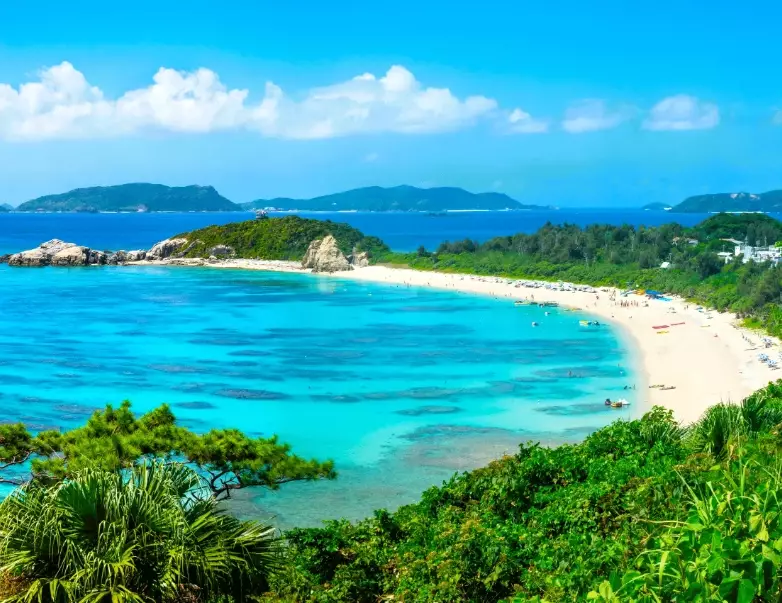
Beyond the Main Island: Regional Nuances
Okinawa isn't just one island. The best time to visit Okinawa beaches can shift a bit depending on where you go.
The Main Island (Okinawa Honto): This guide's core focus. Everything described above applies most directly here. Beaches like Manza Beach, Sunset Beach (Chatan), and Emerald Beach (Ocean Expo Park) follow the main seasonal rhythm.
The Kerama Islands (like Tokashiki and Zamami): Famous for insane "Kerama Blue" water clarity. They are a short ferry ride away but can be slightly more exposed to weather. The rainy season and typhoons might affect ferry schedules more directly. The best, most stable time for guaranteed trips to these paradise islets is often late spring (April-May) and autumn (October-November).
The Miyako and Yaeyama Islands (like Miyakojima, Ishigaki, Taketomi): These are further south. They are generally a degree or two warmer than the main island in winter and have a slightly shorter, less intense rainy season. Their typhoon season aligns but can sometimes be impacted differently. For these remote gems, the seasonal advice still holds, but winter swimming might be a tad more feasible, and the shoulder seasons (Apr-May, Oct-Nov) are absolutely golden.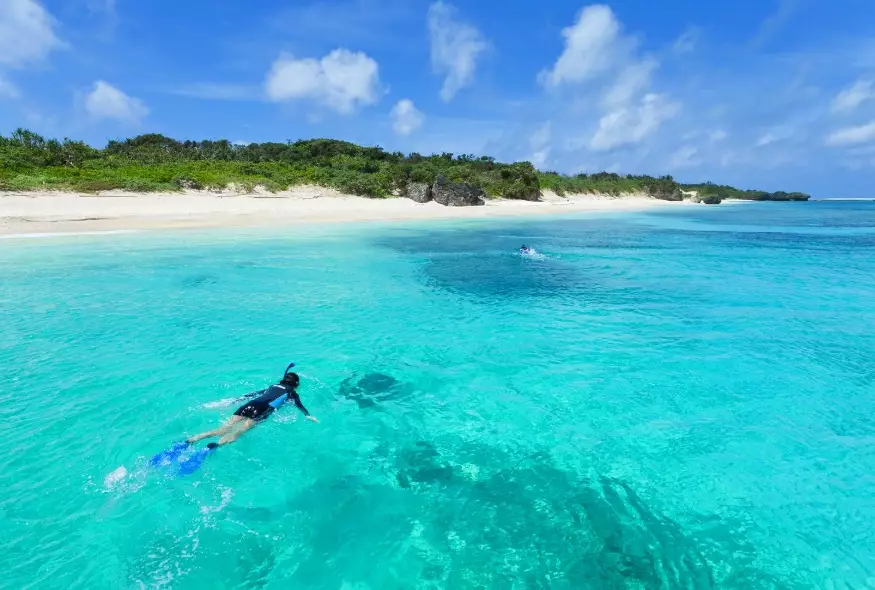
What Are You Really Looking For? Matching Your Goal to the Season
Let's cut to the chase. Your perfect best time to visit Okinawa beaches depends on your top priority. Choose your adventure:
- For Perfect Weather & Fewer Crowds (The Overall Winner): Late October through November. You get summer-warm seas without summer's heat and crowds. It's hard to beat.
- For Guaranteed Sunny Beach Days: July and early August. But you must accept peak heat, humidity, crowds, and the tangible risk of a typhoon disrupting plans. It's a trade-off.
- For Budget Travel & Serenity: January to March (excluding holidays). Flights and hotels are cheapest. You'll have beaches to yourself. Just be prepared for cooler air and water, and pack accordingly.
- For Snorkeling & Diving Clarity: Winter (Dec-Feb) offers the best visibility. Spring and Autumn offer a fantastic blend of very good visibility, comfortable conditions, and abundant marine life.
- For a Balanced Mix (Beach, Culture, Hiking): April-May (pre-Golden Week) and November. Pleasant temperatures make exploring castle ruins (gusuku) and forest trails just as enjoyable as beach time.
See? It's not one answer. It's your answer.
Practical Tips for Your Beach Trip, Regardless of Season
Knowing when to go is half the battle. Here's how to make the most of it, whenever you land.
Packing Non-Negotiables
- Reef-Safe Sunscreen: This is crucial. Many sunscreens contain chemicals harmful to coral reefs. Look for mineral-based (zinc oxide/titanium dioxide) and "reef-safe" labels. The Okinawan sun is strong year-round.
- Sun Protection Beyond Lotion: A rash guard or UV-protective swim shirt is a game-changer. Add a wide-brimmed hat and sunglasses.
- Footwear: Water shoes or sandals. Coral fragments and habu (stonefish) are risks in some areas. Protect your feet.
- Reusable Water Bottle: Stay hydrated. Tap water is safe to drink.
- Light Layers for Winter/Shoulder Seasons: A light jacket or sweater for evenings is essential outside of high summer.
Booking & Logistics
- Book Early for Peak Seasons: For summer (Jul-Aug), Golden Week, and Silver Week, book flights and accommodation months in advance.
- Consider Rental Car: Public transport to many best beaches is limited. A rental car offers freedom. An International Driving Permit is required.
- Ferry Schedules: For island hopping, check ferry company websites like Okinawa's official tourism site for routes and book ahead in peak times. Schedules can be reduced or canceled in winter or bad weather.
On the Ground
- Beach Amenities: Many beautiful beaches are undeveloped. Bring your own water, snacks, and shade (like a pop-up tent).
- Safety First: Heed warning flags (red = no swimming). Check for jellyfish warnings, especially from April to October. Lifeguards are not present everywhere.
- Leave No Trace: Take all your trash with you. Preserve the beauty.
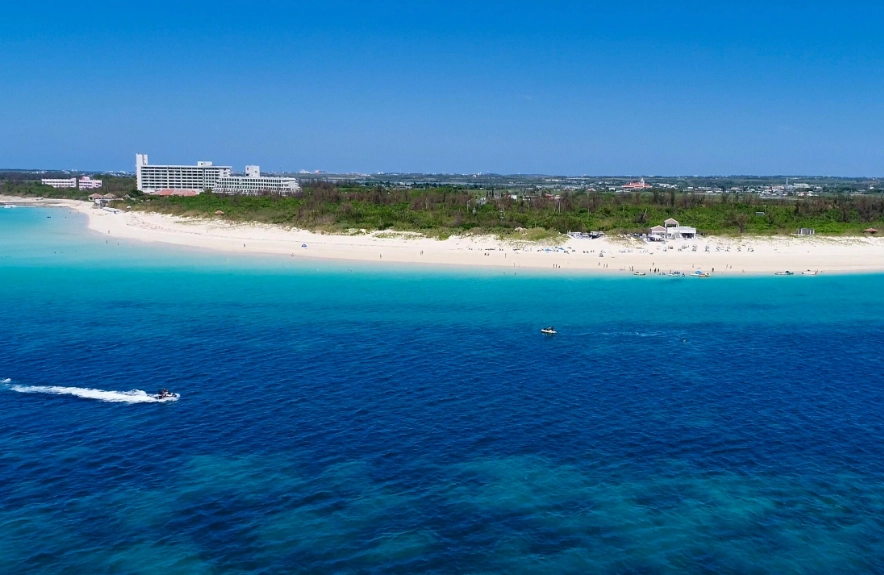
Answering Your Burning Questions (FAQ)
1. Get comprehensive travel insurance that covers weather disruptions.
2. Be mentally prepared for possible itinerary changes—a day spent indoors, a canceled ferry.
3. Monitor forecasts from the JMA if traveling during this window.
Avoiding it entirely removes risk but also misses the vibrant summer energy. It's a personal risk tolerance call.
Wrapping It Up: Listen to Your Priorities
So, after all this, what's the final word on the best time to visit Okinawa beaches?
If you forced me to pick one period with the fewest compromises, I'd point to the autumn window of late October through November. You get summer's warm ocean, autumn's comfortable air, thinning crowds, and diminishing typhoon risk. It's the package deal.
But maybe you thrive on heat and vibrant energy—then embrace summer, just go in with eyes open. Maybe you're on a tight budget and value solitude over swimming—winter will welcome you with open arms and lower prices. Perhaps you want flowers and perfect hiking weather—spring is your match.
Start checking flight prices for your target season, and get ready for some of the most breathtaking blues you'll ever see.

Share Your Thoughts