Japan isn't just about neon cities and ancient temples. For me, the country's true magic often lies outside the urban centers, in places where volcanoes punch through the clouds, ancient moss carpets thousand-year-old cedars, and brown bears fish in wild rivers. These are the national parks. Picking the "best" is subjective—it depends on what you're after. But after years of exploring, I've found that a handful stand out not just for their scenery, but for the depth of experience they offer. Forget the checklist approach. Let's talk about the parks that will actually stick with you long after you leave.
Your Quick Navigation Guide
Shiretoko: The Wild UNESCO Frontier
Located on the remote northeastern tip of Hokkaido, Shiretoko is Japan's last true wilderness. It's a place where the roads literally end. This isn't a park you "pop into" for a photo. It demands engagement. The peninsula juts into the Sea of Okhotsk, and in winter, drift ice locks the coast in a silent, blue-white grip—a sight so unique it's a core reason for its UNESCO status.
Most visitors cluster around the Shiretoko Goko (Five Lakes) area. The boardwalk loop is easy and stunning, but for a real feel, join a guided ground tour that ventures onto the dirt trails. You'll need it—bear activity is constant. I once had to back away slowly from a young brown bear that was more curious than anything. The guides know their stuff.
What You Can't Miss & How to Do It
Shiretoko Pass Drive: The road across the peninsula is only open from about late April to early November. The views from the pass are raw and immense. Check the Ministry of the Environment website for exact dates.
Kamuiwakka Hot Falls: You literally bathe in a warm waterfall as it cascades down a rocky riverbed. It's a bumpy drive on a restricted road (rent a small 4WD or join a tour) and the water gets hotter as you go up. Wear sturdy water shoes.
Drift Ice Walk (Winter): From late January to March, you can walk on the frozen sea ice in a dry suit. Companies like Aurora Tours in Rausu run these. It's otherworldly.
Getting There: The gateway is Utoro town. The closest major transport hub is Memanbetsu Airport (MMB). From there, it's a 1.5-hour bus ride. Having a rental car from the airport is the ultimate freedom, especially for catching the famous Rausu dawn cruises to see eagles and whales.
A Local's Tip: Everyone aims for the Five Lakes. For fewer crowds, head to the Furepe Falls trail near Utoro. It's a short cliffside walk to a waterfall that flows directly into the sea, and you often spot deer and sea eagles without the tour groups.
Fuji-Hakone-Izu: The Icon and Beyond
Yes, this park is home to Mount Fuji. But defining it solely by the mountain is a mistake many first-timers make. This massive park sprawls across multiple prefectures, encompassing volcanic zones, lakes, coastlines, and hot spring towns. The genius is in the variety.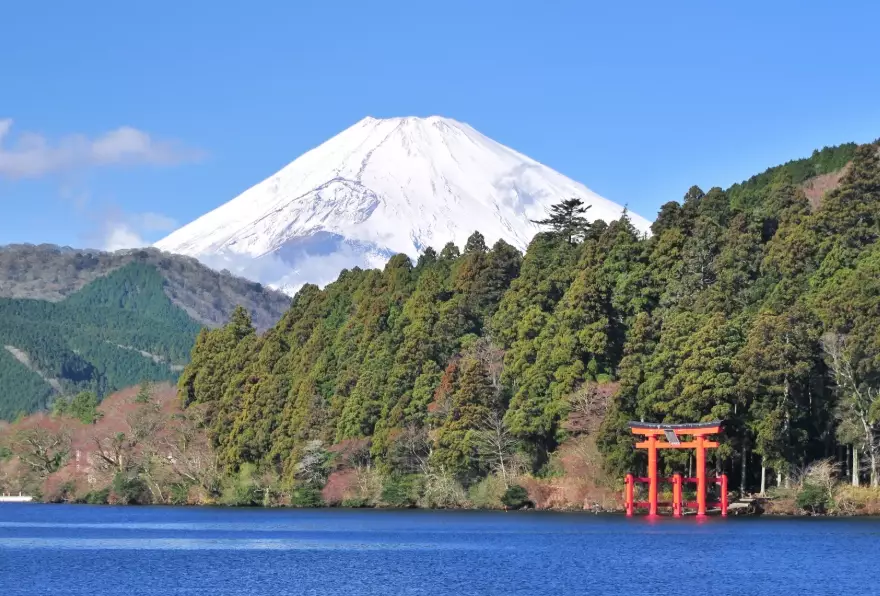
Most people experience it in fragments: a day trip to Hakone for the hot springs and lake views, or a climb up Fuji. To see its best side, you need to think about what Fuji does to the landscape around it.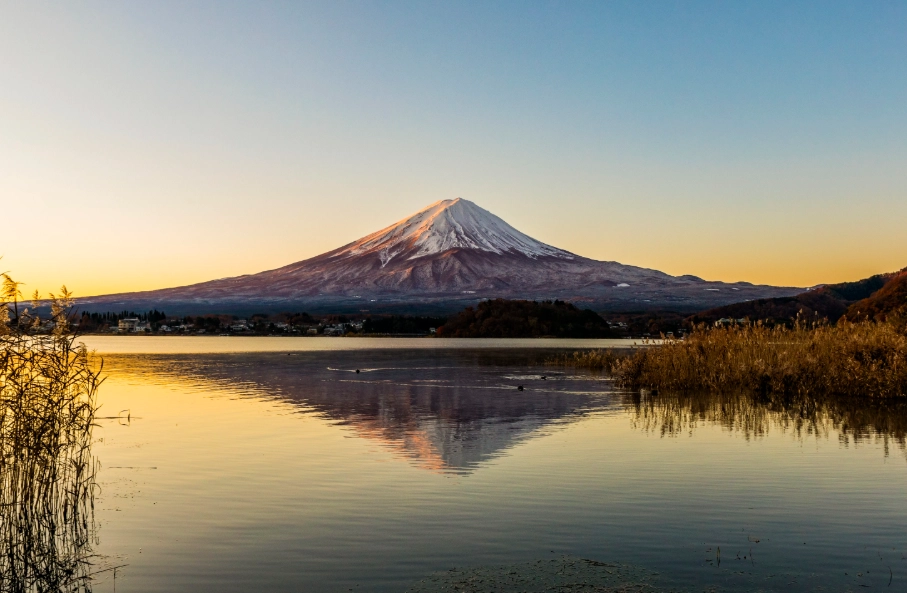
| Area | Best For | Key Access & Tip |
|---|---|---|
| Fuji Five Lakes (Fujigoko) | Classic Fuji views, museums, outdoor activities. Lake Kawaguchiko is the most developed. | Direct buses from Shinjuku Station (Tokyo). For the iconic Chureito Pagoda view, go at sunrise or on a cloudy day—clear blue skies can look flat in photos. |
| Hakone | Hot springs (onsen), the Open-Air Museum, pirate ships on Lake Ashi. | Hakone Free Pass from Odawara Station is worth it. The famous "Fuji view" from the lake is often obscured by clouds—don't bet your whole trip on it. |
| Izu Peninsula | Dramatic coastline, rugged hiking (like Mt. Omuro), and less crowded hot springs like Shuzenji. | Take the Odoriko limited express train from Tokyo Station. This is where locals go to escape the Fuji crowds. |
Climbing Fuji (July to early September) is a separate beast. It's not a wilderness hike; it's a long, grueling, often crowded pilgrimage. The sunrise from the top is spectacular, but the descent is brutal on your knees. Train properly, and book a mountain hut well in advance if you're doing the sunrise climb.
Yakushima: A Forest Outside of Time
Yakushima, an island south of Kyushu, feels like entering a different realm. The entire central mountain range is a national park, famous for the Yakusugi (Yakushima cedar) trees, some over 1,000 years old. The most famous, Jomon Sugi, is estimated to be between 2,000 and 7,000 years old.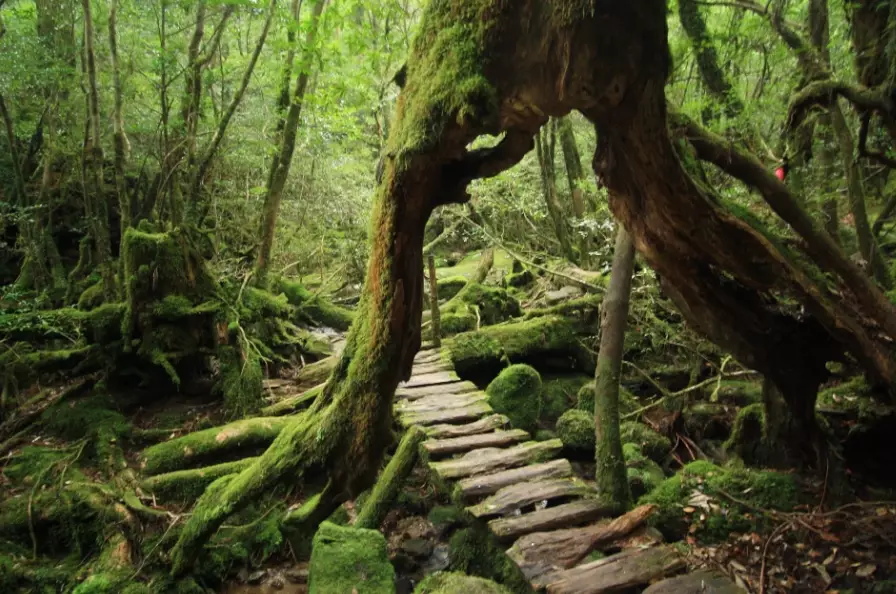
The weather here is no joke. They say it rains "35 days a month." That constant moisture is what creates the enchanting, moss-covered landscape that inspired Studio Ghibli's Princess Mononoke. You will get wet. Embrace it.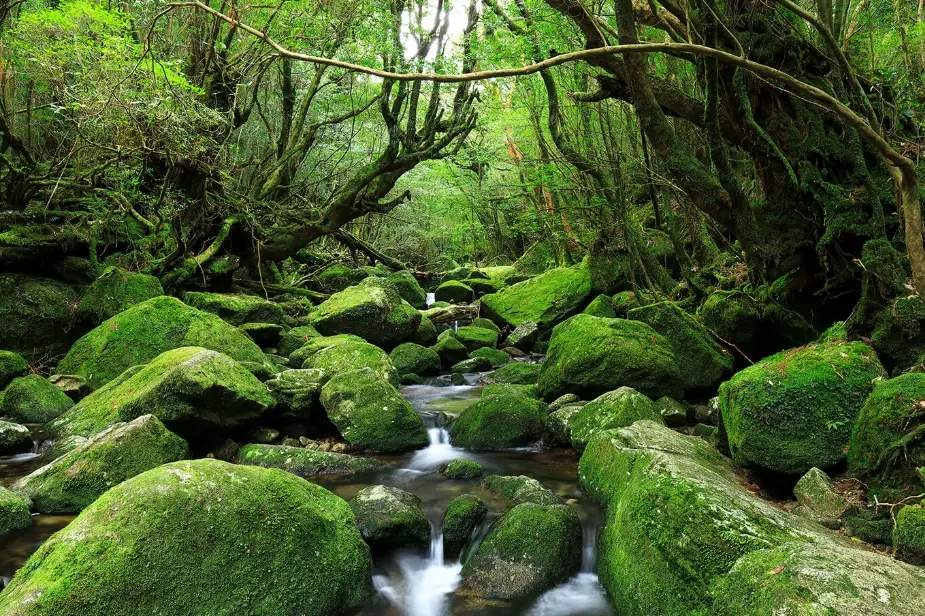
The Hike to Jomon Sugi: This is the big one. It's a 10-12 hour round-trip hike on an old railway track and rugged trail. It starts with a very early train/bus to the Arakawa Trailhead. The hike itself is more about the journey through incredible forest than the final tree, which is impressive but often viewed from a platform. You need solid fitness, rain gear, headlamp, and plenty of food/water.
Beyond the Big Hike
If the Jomon Sugi trek sounds too intense, don't write off Yakushima.
- Shiratani Unsuikyo Ravine: This is the real-life Princess Mononoke forest. Well-maintained trails range from a 1-hour loop to a 5-hour route that connects to the Jomon Sugi trail. The moss, streams, and ancient cedars here are utterly magical and more accessible.
- Yakusugi Land: Offers shorter loop trails (30 min to 150 min) past several impressive cedars. Great for families or a half-day walk.
- Coastal Hot Springs (Yudomari Onsen): A simple, free onsen right on the rocky coast. Go at sunset.
Getting There & Around: Fly to Kagoshima, then take a jetfoil (about 2.5 hours) or plane (30 min) to Yakushima. A rental car is highly, highly recommended. The bus network exists but is infrequent and won't get you to trailheads for early starts.
Akan-Mashu: Volcanic Lakes and Ainu Culture
In eastern Hokkaido, Akan-Mashu National Park is defined by three stunning caldera lakes: Lake Akan, Lake Mashu (one of the clearest in the world), and Lake Kussharo. The area is also a heartland of Ainu, the indigenous people of Japan.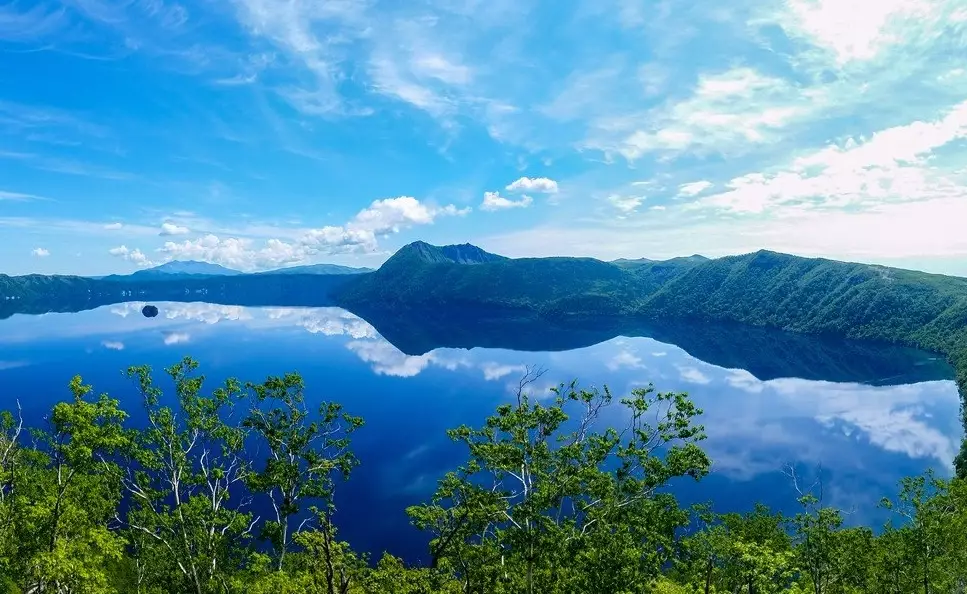
Lake Akan's Ainu Kotan village is a commercialized but important center for Ainu culture. Catch a performance of traditional dance and music—it's more powerful than you might expect. Look for workshops on wood carving or embroidery.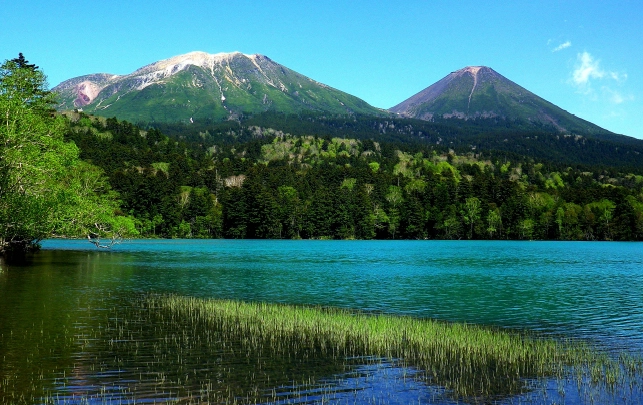
Lake Mashu is the showstopper. The first observation deck is often swarmed with tour buses. Skip it and drive to the Third Observation Deck. You have to walk 800 meters from the parking lot, which filters out 90% of the crowds. On a clear day, the view of the deep blue lake in its perfect volcanic crater is breathtaking. It's often foggy, though—that's part of its mystique.
Must-Do Experience: Soak in the Sunayu hot spring on the shores of Lake Kussharo. It's a free, DIY onsen where you dig your own pit in the sandy beach, and hot spring water seeps up. Mix it with cool lake water to your perfect temperature. Surreal and wonderful.
Iriomote-Ishigaki: A Tropical Paradise
This park in Okinawa is Japan's answer to the South Pacific. Iriomote Island is over 90% undeveloped subtropical jungle, mangroves, and coral-rich coastline. Ishigaki Island is the more populated gateway with stunning beaches.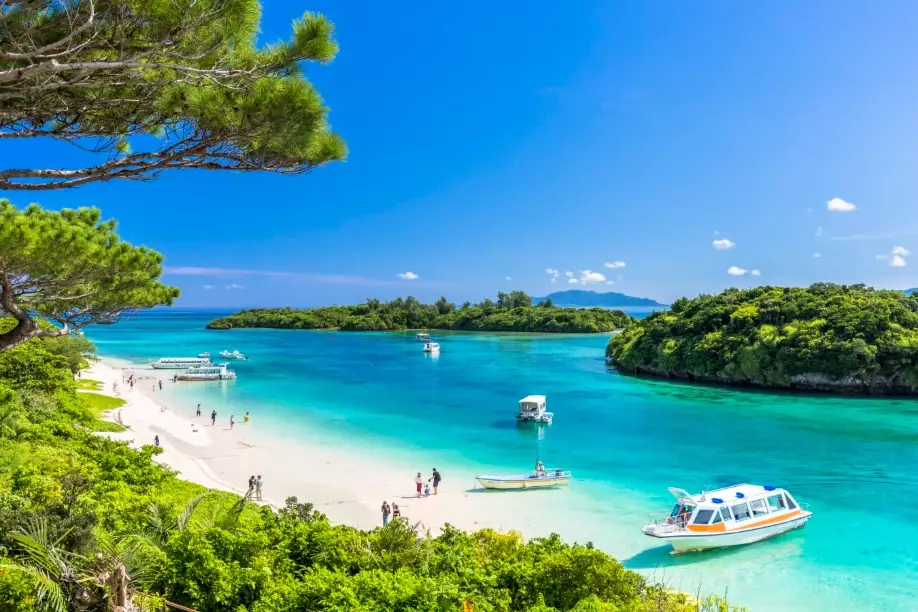
The signature activity here is a kayak or canoe tour through the mangrove forests of Iriomote, often combined with a hike to one of the many waterfalls like Pinaisara or Mariyudu. You'll feel like an explorer. The water is warm, the air is thick, and the wildlife includes the rare Iriomote wildcat (you'll be lucky to see one).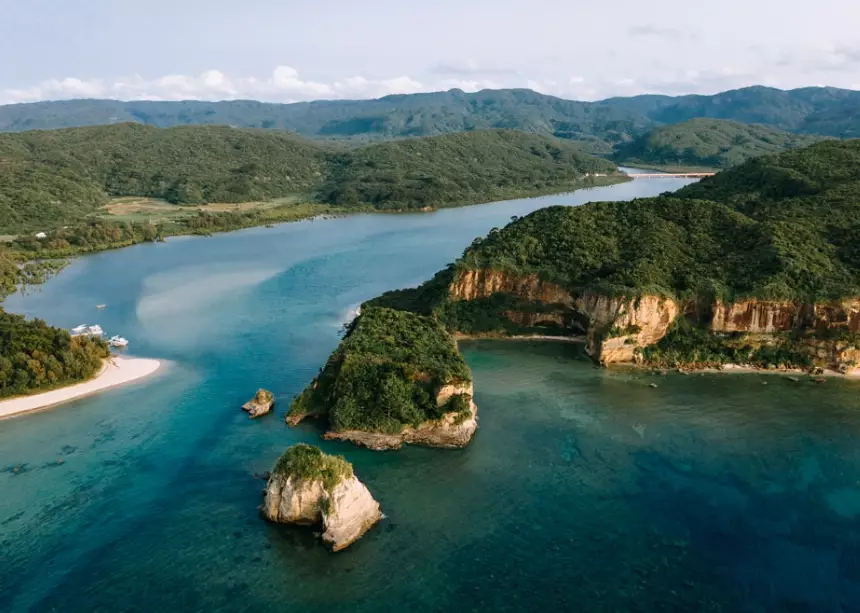
Snorkeling & Diving: The coral reefs around Ishigaki, particularly at Kabira Bay (though swimming is restricted there—glass-bottom boat tours are offered) and the remote Manta Ray Scramble spot, are world-class. From June to October, you have a high chance of swimming with manta rays.
Logistics: Fly to Ishigaki (ISG) from major Japanese cities. Ferries connect to Iriomote (about 40 min). Stay on Ishigaki for convenience and nightlife, or on Iriomote for immersion. Tours are essential for the jungle and mangrove activities—book ahead.
How to Plan Your Japan National Parks Trip
Throwing a dart at a map won't work. Here’s the practical stuff they don't always tell you.
Seasonality is Everything
Japan has four distinct seasons, and they transform the parks completely. Hokkaido (Shiretoko, Akan) is sublime in autumn (Sept-Oct) and for winter activities, but some roads close in winter. Fuji's climbing season is brutally short. Yakushima is hot and humid in summer, but that's when the sea is calm for water activities. Always check specific park access for your travel dates.
Transportation: The Golden Rule
Public transport to and within most national parks is limited or infrequent. For Hokkaido, Shikoku, or Yakushima, renting a car is almost non-negotiable for a fulfilling experience. It gives you freedom to chase weather, avoid crowded buses, and reach trailheads at dawn. Rent from regional airports. For Hakone/Fuji, the excellent train/bus networks work well.
Accommodation Strategy
Book lodging in the gateway towns (Utoro for Shiretoko, Miyanoura/Anbo for Yakushima, Fujikawaguchiko for Fuji) well in advance, especially during peak seasons (Golden Week, Obon, autumn foliage). Ryokans (traditional inns) with onsen are a fantastic way to end an active day.
Gear Up Appropriately
This isn't city walking. Waterproof hiking boots, a quality rain jacket (even in summer), layers, a daypack, and a power bank are essential. For Shiretoko or bear country, a bear bell is a good idea. In Yakushima, quick-dry clothing is your friend.
Japan National Parks: Your Questions Answered
Shikotsu-Toya National Park in Hokkaido. Everyone flocks to Shiretoko or Daisetsuzan, but Shikotsu-Toya has two stunning caldera lakes (Lake Toya and Lake Shikotsu), active volcanoes like Mt. Usu, and fantastic hot springs in Noboribetsu. The hiking trails around Lake Shikotsu, especially the mossy canyon of Okotanpe, feel wonderfully secluded even in peak season. You get the volcanic drama without the tour buses.
Absolutely, but be smart. Don't try to squeeze Hokkaido into a week with Tokyo—you'll waste days traveling. The most efficient combo is the Fuji-Hakone-Izu area. You can base yourself in Hakone or Kawaguchiko for 2-3 nights to hike, soak in onsens, and see Fuji, then take a direct train back to Tokyo (about 2 hours). Alternatively, fly from Tokyo Haneda to Yakushima (via Kagoshima) for a 3-4 day immersive nature fix, then return to the city.
The parks themselves are usually free to enter (specific attractions like museums or guided walks cost money). The expense comes from getting there and staying there. Domestic flights to Hokkaido or Okinawa, rental cars, and fuel add up. Accommodation in remote areas can be pricey due to limited options. To save money, travel in shoulder seasons (late spring or early autumn), use highway buses for long distances in Honshu, and consider camping—many parks have well-maintained, cheap campgrounds.
Generally, yes, Japan is very safe. The risks are environmental, not criminal. The main dangers are sudden weather changes, getting lost on poorly marked trails (especially in places like Yakushima's interior), and wildlife encounters (bears in Hokkaido, venomous habu snakes in Okinawa). Always tell someone your planned route and return time. On trails in Shiretoko, hiking alone is discouraged and often not allowed on certain paths—you must join a guided group. For solo hiking, the trails around Kamikochi in the Japan Alps or Daisetsuzan are better documented and busier.
You can manage without it, but a little effort goes a long way, especially in emergencies. In remote Hokkaido or Yakushima, English signage is minimal, and few locals in service industries speak fluent English. Use translation apps (Google Translate's offline mode is crucial), learn basic phrases, and always have your destination written down in Japanese for taxi drivers or if you need to ask directions. Booking tours and accommodation online in advance through English-friendly platforms solves most communication hurdles before you arrive.

Share Your Thoughts