Japan trips often get reduced to Tokyo, Kyoto, and maybe Osaka. That's a fantastic start, but you're missing about 90% of the country's soul. After a decade of guiding trips and living there, I've seen travelers make the same mistake: they stick to the "Golden Route" and leave feeling like they only scratched the surface. The real magic happens when you weave together the hyper-modern, the deeply traditional, and the stunningly natural. This list isn't just the famous spots; it's a curated mix of the essential and the extraordinary, with the gritty details you need to make it happen.
Your Quick Jump to Japan's Best
How to Use This Japan Travel Guide
Think of this as a menu, not a fixed itinerary. Don't try to swallow all 15 in one go unless you have two months. I've grouped them loosely by region and vibe. Cross-reference with the table below for quick facts, then dive into the details for the ones that spark your interest. My personal, non-consensus advice? For a first trip, pick one major city (Tokyo or Osaka), one historic hub (Kyoto or Kanazawa), and one wild card (like Hakone or the Japanese Alps). That balance gives you the full spectrum.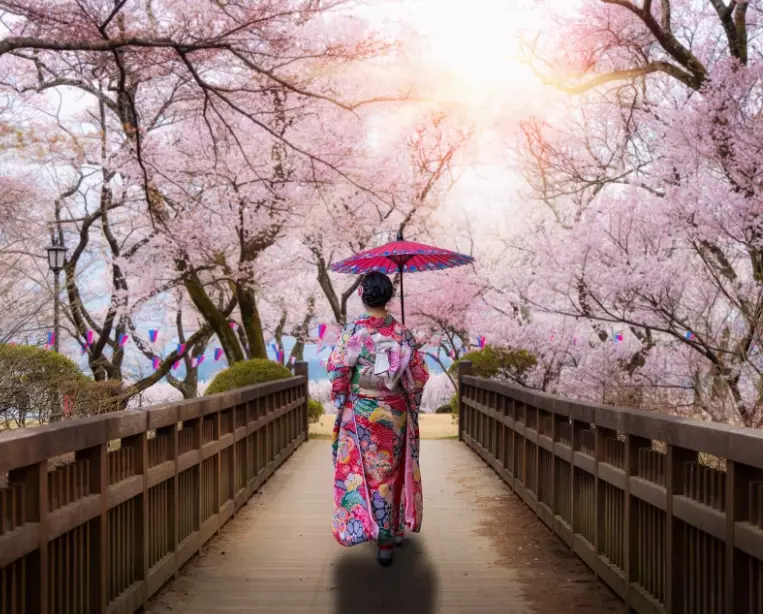
The One Big Mistake Everyone Makes
Overlooking transit time. Google Maps is your best friend, but it's optimistic. A "2-hour Shinkansen ride" forgets the 30 minutes to get to Tokyo Station, the 20 minutes to find your platform, and the 15 minutes to get to your hotel at the other end. Always add a 50% buffer to any major inter-city travel time in your planning. Trust me, it saves sanity.
Japan's Top 15 Destinations: A Curated List
Here they are, ranked not just by popularity, but by the depth of experience they offer. I've included the logistical brass tacks—because knowing a temple closes at 5:00 PM is more useful than a poetic description of its garden.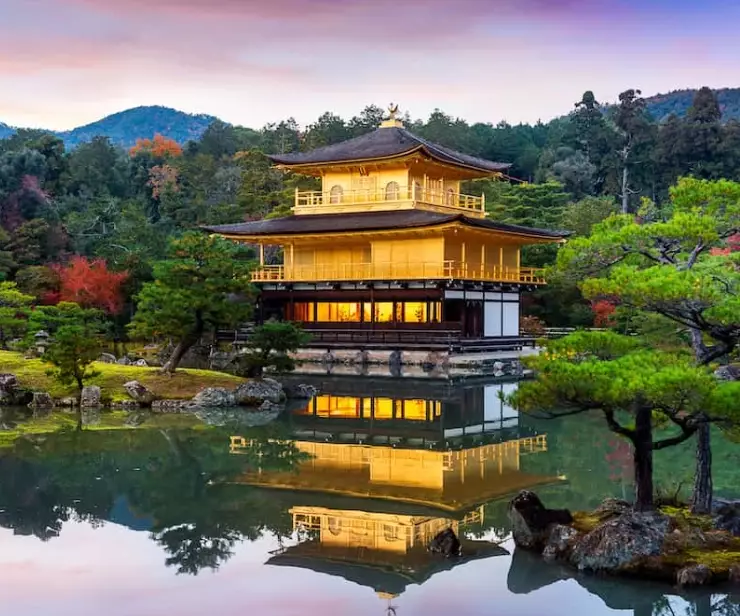
| # | Destination | Region | Key Experience | Best For |
|---|---|---|---|---|
| 1 | Tokyo | Kanto | Neon-lit energy, culinary depth | First-timers, foodies, pop culture |
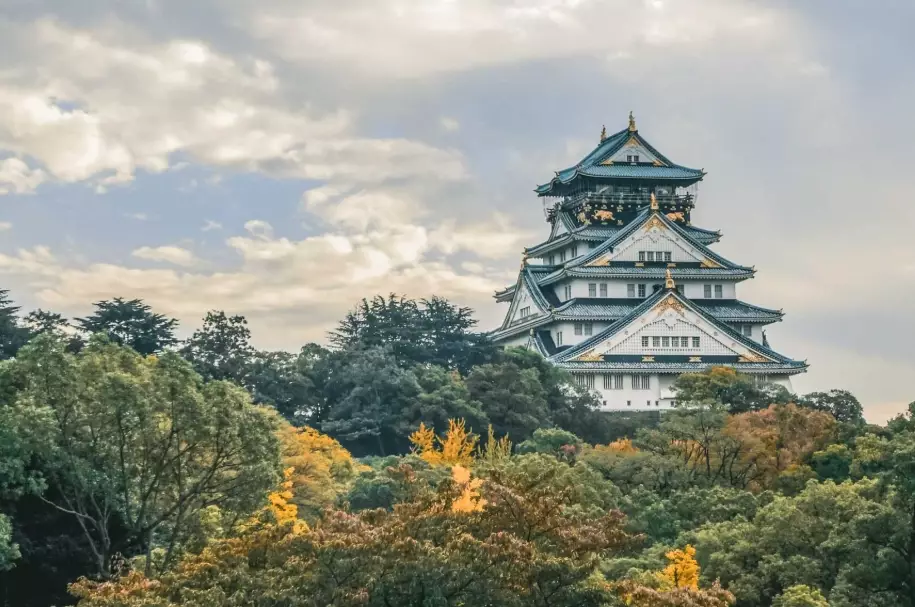
| 2 | Kyoto | Kansai | Ancient temples & geisha culture | History, photography, tradition |
| 3 | Osaka | Kansai | Street food & outgoing locals | Food lovers, nightlife, fun |
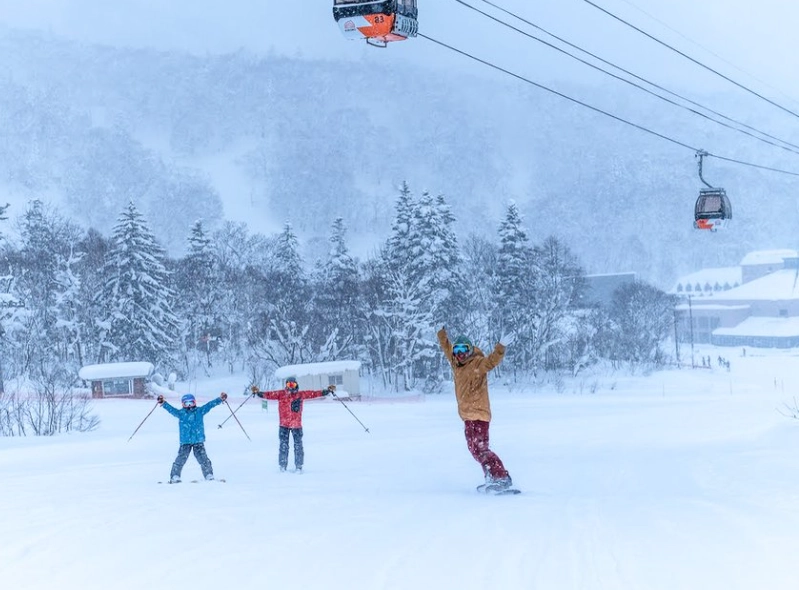
| 4 | Hokkaido | Hokkaido | Vast wilderness & winter sports | Nature, skiing, summer escapes |
| 5 | Hiroshima & Miyajima | Chugoku | Powerful history & iconic torii gate | Reflective travel, world heritage |
| 6 | Nara | Kansai | Friendly deer & colossal Buddha | Day trips, families, ancient art |
| 7 | Japanese Alps (Takayama/Shirakawa-go) | Chubu | Traditional villages & mountain scenery | Culture, scenery, off-the-beaten-path |
| 8 | Kanazawa | Chubu | Preserved Edo-era districts | Alternative to Kyoto, crafts, gardens |
| 9 | Okinawa | Okinawa | Turquoise seas & unique Ryukyu culture | Beaches, diving, subtropical climate |
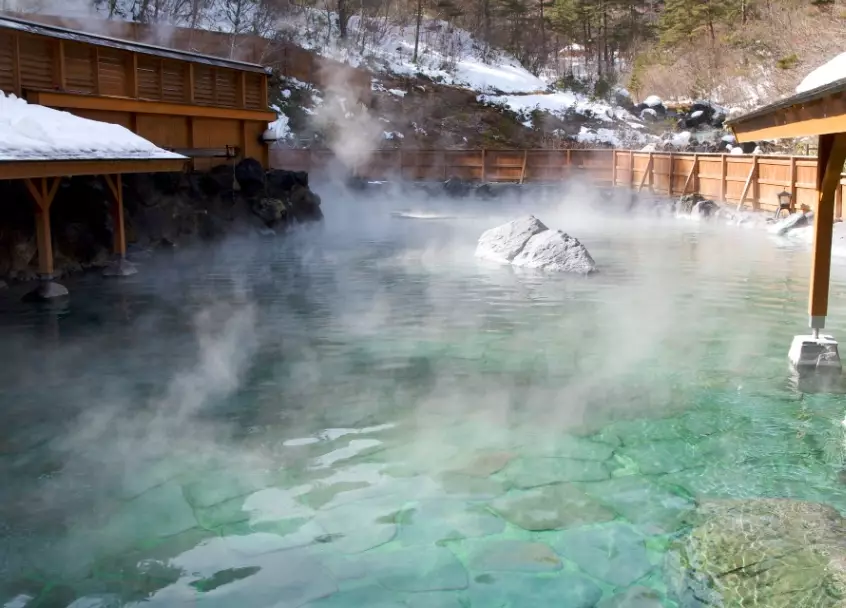
| 10 | Hakone | Kanto | Onsen (hot springs) with Mt. Fuji views | Romance, relaxation, Fuji sightings |
| 11 | Fukuoka | Kyushu | Ramen stalls & gateway to Kyushu | Food, easy-going city vibe |
| 12 | Sapporo | Hokkaido | Snow Festival & miso ramen | Winter travel, beer, urban Hokkaido |
| 13 | Koya-san (Mount Koya) | Kansai | Overnight temple stay (shukubo) | Spiritual experience, tranquility |
| 14 | Kamakura | Kanto | Great Buddha & coastal temples | Easy day trip from Tokyo, history |
| 15 | Ishigaki & the Yaeyama Islands | Okinawa | Japan's best beaches & snorkeling | Tropical paradise, marine life |
Tokyo: The Overwhelming Metropolis
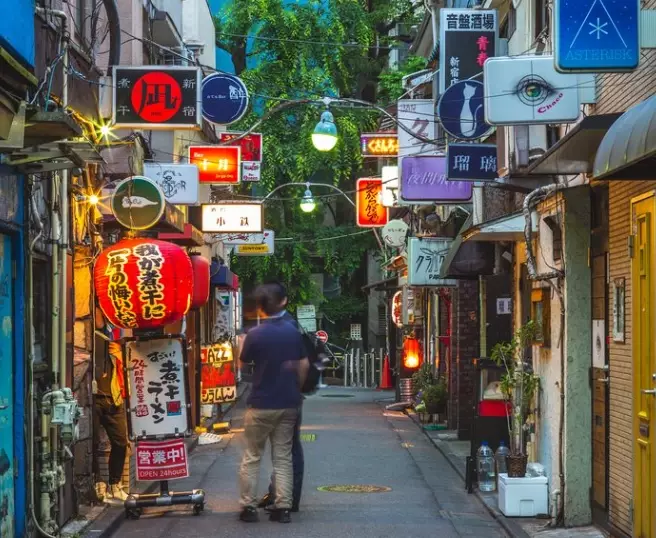
It's not a city; it's a collection of villages, each with a distinct personality. Shibuya's scramble crossing is an adrenaline rush of humanity—honestly, it can feel a bit like being in a human pinball machine. Shinjuku has the government skyscrapers on one side and the chaotic, neon-lit Kabukicho on the other. For a calmer, more curated experience, head to Daikanyama or Nakameguro for boutique shopping and cafes along the river.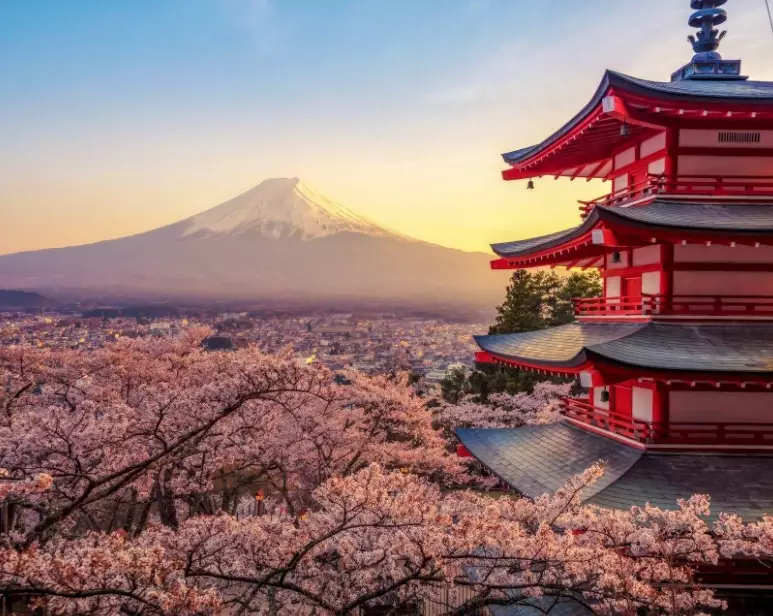
Key Logistics: Get a Pasmo or Suica card immediately. Forget taxis for long distances; they're brutally expensive. The subway is your lifeline. For a view, skip the expensive Tokyo Skytree observation deck and go to the free Tokyo Metropolitan Government Building in Shinjuku. The view is just as good, and it's free.
Kyoto: The Beating Heart of Tradition
Kyoto suffers from its own success. Fushimi Inari at noon is a slow shuffle up a mountain, shoulder-to-shoulder with tourists. The secret? Go at 7 AM, or even better, at 5:30 AM. You'll have the iconic torii gates almost to yourself, and the morning light is magical. Another tip: Arashiyama's bamboo grove is a 10-minute wonder. The real magic is across the Togetsukyo Bridge in the quieter, moss-covered gardens of the Okochi Sanso Villa.
Key Logistics: Most major temples charge between 500-1000 yen. They usually open around 8:30 or 9:00 AM and close by 5:00 PM. Buy a one-day bus pass (700 yen) if you plan to hit multiple sites; the subway doesn't cover all the temples. For official event info, check the Japan National Tourism Organization (JNTO) website.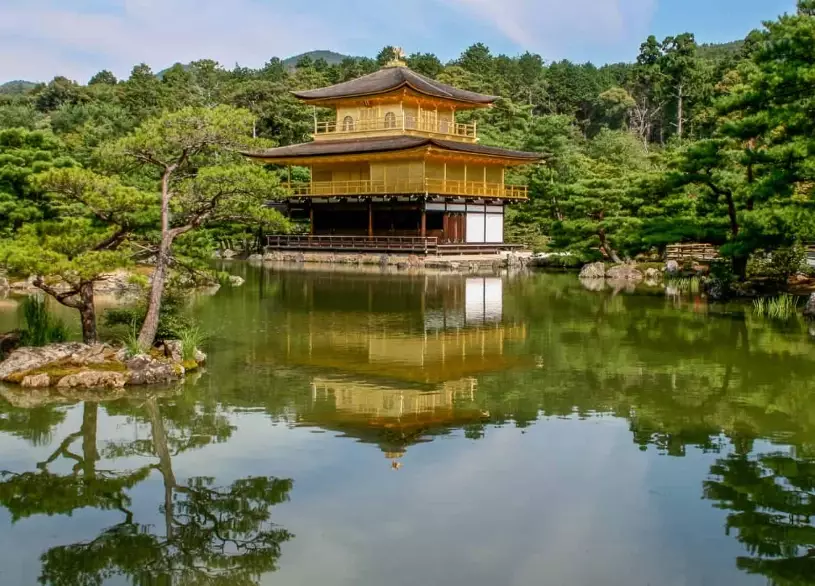
Hiroshima & Miyajima: A Day of Contrasts
This is a heavy but essential day. Start at the Peace Memorial Park and Museum in Hiroshima. It's not an easy visit, but it's a profound one. Then, take the 45-minute train and ferry combo to Miyajima. Seeing the "floating" Itsukushima Shrine torii gate is a classic, but the island's real charm is hiking up Mount Misen or feeding the surprisingly bold deer (they'll try to eat your map).
Key Logistics: The Hiroshima Peace Museum is closed on December 30th and 31st. Admission is 200 yen. The ferry to Miyajima from Miyajimaguchi station runs frequently and is covered by the Japan Rail Pass if you have one.
Japanese Alps: Takayama and Shirakawa-go
This is where you see the Japan of wood and thatch, not concrete and neon. Takayama's old town feels frozen in the Edo period. Shirakawa-go, with its steeply pitched gassho-zukuri farmhouses, looks like a fairy tale village, especially under snow. The common error? Trying to do it as a day trip from Tokyo. It's a 4.5-hour train ride one way. Stay overnight in a traditional ryokan in Takayama. Soak in an onsen and wake up to the morning markets.
Key Logistics: Buses from Takayama to Shirakawa-go take about 50 minutes. Book bus seats in advance during peak seasons (autumn foliage, winter). The observation deck in Shirakawa-go gives the famous panoramic view.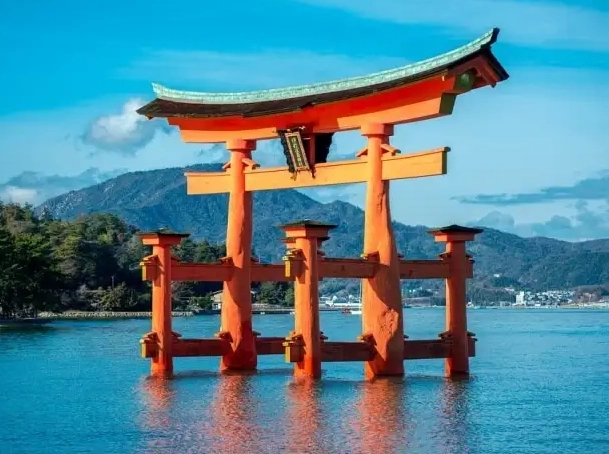
How to Plan Your Japan Trip Around These Destinations
Throwing darts at a map won't work. Japan's geography and its super-efficient but costly Shinkansen network demand strategy.
The Budget/Time Reality Check
The 7-Day Japan Rail Pass is often touted as a must-buy. It's not. Do the math. If your itinerary is just Tokyo -> Kyoto -> Osaka -> back to Tokyo, a one-way Shinkansen ticket from Tokyo to Kyoto is about 13,000 yen. A 7-day pass is about 50,000 yen. You'd need to make several more long trips to break even. Use a fare calculator like the one on HyperDia (or similar fare planning sites) before you commit. For regional travel, like in Hokkaido or Kyushu, consider regional rail passes instead.
Seasonality is Everything
Spring (late March-April) for cherry blossoms is beautiful but packed and expensive. Autumn (October-November) for koyo (fall colors) is just as stunning and slightly less chaotic. Summer (June-August) is brutally hot and humid, except in Hokkaido. Winter (December-February) is perfect for skiing in Hokkaido or the Alps, and for seeing snow-covered temples in Kyoto (a rare but magical sight).
Booking accommodation 3-4 months out is smart for popular spots like Kyoto during peak seasons. Use a mix of booking platforms, but don't overlook Japanese guesthouses (ryokan) booked directly through their sometimes-clunky websites for the most authentic stays.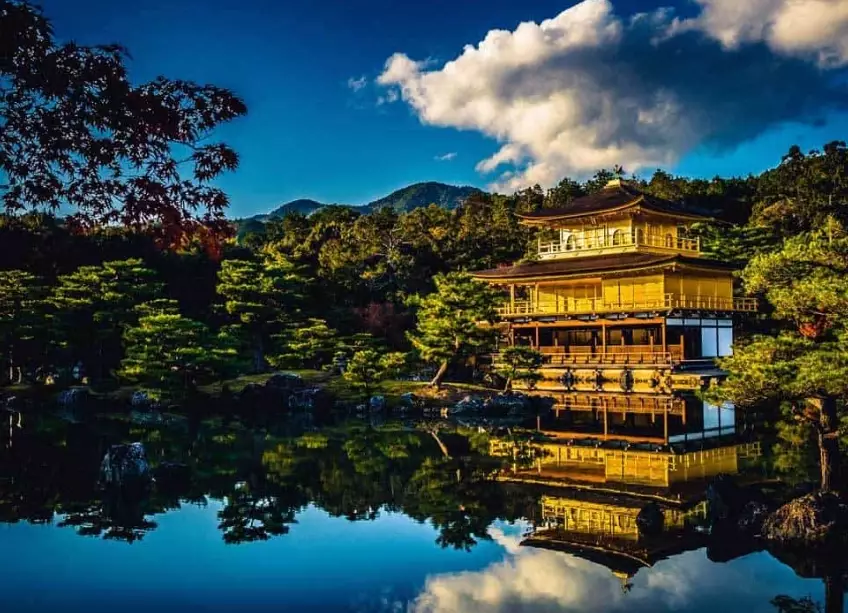
FAQs About Visiting Japan's Top Places
I only have 7 days, which of these top places should I prioritize?
Focus on the "Golden Route" but add one twist. Do Tokyo (3 days), Hakone (1 day), Kyoto (2 days), and Osaka (1 day). The twist? In Kyoto, dedicate a half-day to one deeper experience like a tea ceremony in a lesser-known garden or a hike in the Fushimi Inari foothills beyond the main path, rather than rushing to five temples.
What's the biggest misconception about traveling between these destinations?
That the Shinkansen is the only way. For some routes, flying can be cheaper and faster. Tokyo to Sapporo? A 90-minute flight often beats an 8-hour train ride, even with airport transit. Always check budget airlines like Peach or Jetstar for internal flights, especially for north-south travel like Tokyo to Fukuoka or Osaka to Sapporo.
Is it difficult to visit places like Shirakawa-go or Koya-san without a tour?
Not at all. Public transport is excellent. The challenge is timing and advance booking. Buses to Shirakawa-go have schedules, and temple stays (shukubo) on Koya-san require reservation, often by email or phone. A little research and using Google Translate for basic communication goes a long way. The reward is a much more personal experience than being herded on a tour bus.
How do I handle meals and dietary restrictions at these remote or traditional locations?
In cities, you'll be fine. In rural ryokan or temple lodgings, you must communicate dietary needs clearly and in advance—at booking, not at check-in. "Vegetarian" can be misunderstood as "eats fish." Be specific: "I do not eat meat, fish, or seafood" (Niku, sakana, kaimono taberaremasen). Many places appreciate the notice and will prepare a beautiful alternative meal.
What's one item most travelers forget to pack that's crucial for these destinations?
Comfortable, slip-on shoes. You will be taking your shoes off constantly—at temples, shrines, traditional restaurants, and ryokan. Shoes with laces become a genuine nuisance. Also, pack a small plastic bag for your shoes when you need to carry them in certain temple precincts.

Share Your Thoughts