You've seen the pictures of Hokkaido's perfect powder and the monkeys soaking in hot springs. But Japan in winter holds deeper, quieter mysteries for those willing to step away from the well-trodden itineraries. Forget fighting for ski lift tickets or navigating packed resort towns. The real magic happens in the frozen north, along forgotten coastal roads, and in mountain villages where the snow muffles everything but the sound of your own footsteps.
This isn't about avoiding winter; it's about embracing its most raw and beautiful form. We're talking about forests transformed into ice sculptures, streets straight out of a Studio Ghibli film, and wildlife spectacles few tourists ever see.
Your Winter Adventure Map
Here's what we're uncovering. Click to jump straight to the details.
Where to Find Japan's Secret Winter Wonders
Most winter travel focuses on a central spine: Sapporo, Niseko, Hakuba. Look east, look west. The Japan Sea coast gets hammered with snow, creating surreal landscapes. Hokkaido's eastern reaches are wild, cold, and starkly beautiful. The mountain ranges of Tohoku, often bypassed in summer, become pristine wonderlands.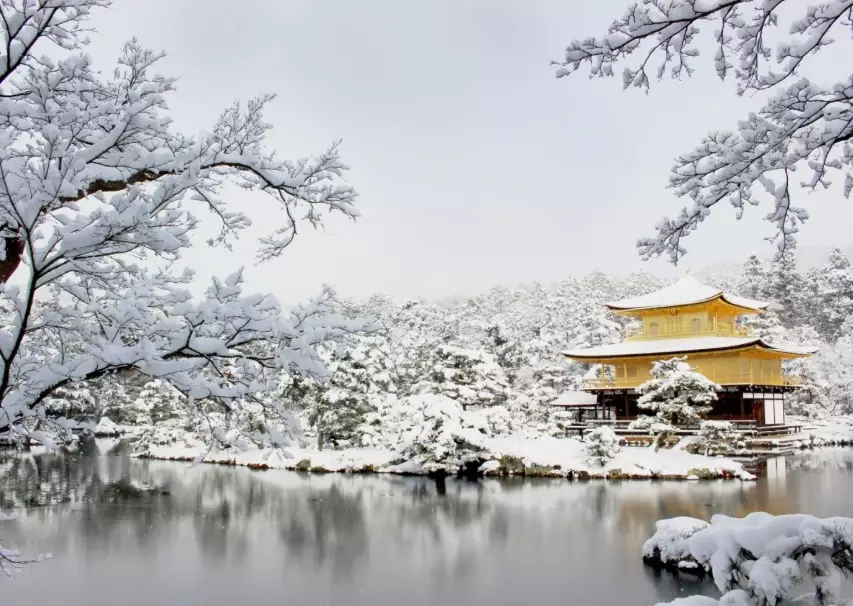
The light is different. The air is sharper. There's a stillness you won't find any other season.
I made the mistake once of only allocating a day trip to one of these spots. Rushing through a place like Ginzan Onsen as a checkbox item completely misses the point. The value here is in slowness, in letting the cold seep in just enough to make the warmth of a local izakaya or your ryokan's bath feel like a profound reward.
Five Hidden Winter Gems You Need to See
These aren't just locations; they're experiences. Each offers something uniquely winter, with far fewer faces in your photos.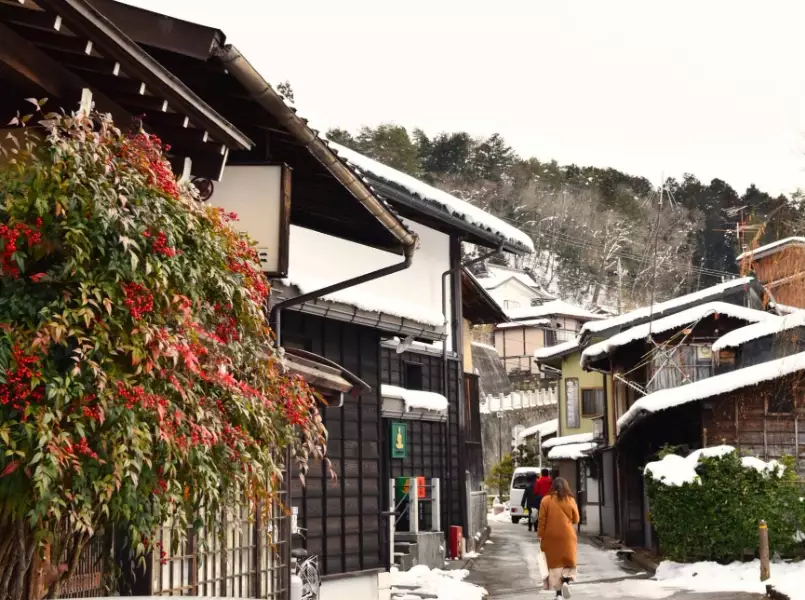
1. Zao Onsen's Snow Monsters (Yamagata)
The Juhyo, or "ice trees," aren't a myth. Freezing wind and moisture from the Sea of Japan coat the fir trees on Zao's summit in thick layers of ice and snow, sculpting them into grotesque, magnificent shapes locals call "snow monsters." Riding the ropeway up into this silent, alien forest is breathtaking. At night, they're illuminated, turning the landscape into a blue-hued dreamscape.
Need to Know: Zao Onsen
Access: From Yamagata Station, take a bus directly to Zao Onsen (约40 minutes). The Zao Ropeway starts from the town.
Ropeway Cost: Around ¥3,000 for a round trip to the Juhyo area.
Best Time: Late January to late February for the most impressive formations. Check the Zao Onsen Tourism Association website for conditions.
Pro Tip: Don't just go up and down. Spend a night in Zao Onsen town. The public foot baths (ashiyu) scattered around are free and perfect for warming your feet after a day in the snow.
2. Shirakawa-go's Silent, Snowy Embrace (Gifu)
Yes, it's a UNESCO site. Yes, you've seen photos. But most people see it on a summer day trip. In winter, Shirakawa-go transforms. The iconic gassho-zukuri farmhouses, with their steep thatched roofs designed to shed heavy snow, are buried under meters of it, looking like something from a fairy tale. The famous illumination events are stunning but require lottery-level luck to book. Here's the secret: go on any other winter night. The houses are still lit, the snow glows, and it's peaceful. You can actually hear it.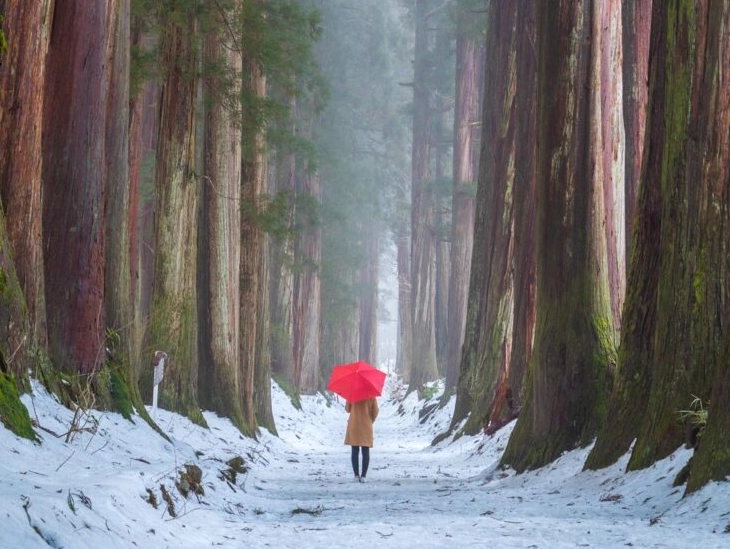
Need to Know: Shirakawa-go
Access: Bus from Takayama (约50 minutes) or Kanazawa (约75 minutes). Winter schedules are reduced; plan ahead.
Illumination: Held on select nights Jan-Feb. Private vehicle entry is by lottery only. Bus tours from Takayama/Kanazawa are the best public access.
Stay: This is the key. Book a minshuku (family-run guesthouse) in one of the farmhouses like Shirakawa-go no Yu. Waking up to a silent, snow-covered village before the day-trippers arrive is priceless.
Pro Tip: Pack microspikes. The village paths get incredibly slick.
3. Ginzan Onsen's Time-Warp Street (Yamagata)
Imagine a narrow, cobbled street lined with 3-4 story wooden ryokan, a river running down the center, steam rising from hot spring drains, and everything buried under a thick quilt of snow. That's Ginzan Onsen. It famously inspired the bathhouse town in Spirited Away. During the day, it's lovely. At night, when the gas lamps flicker on, it's pure magic. The catch? You can't drive into the main street. Park at the lot and walk in, which only adds to the feeling of arriving somewhere special.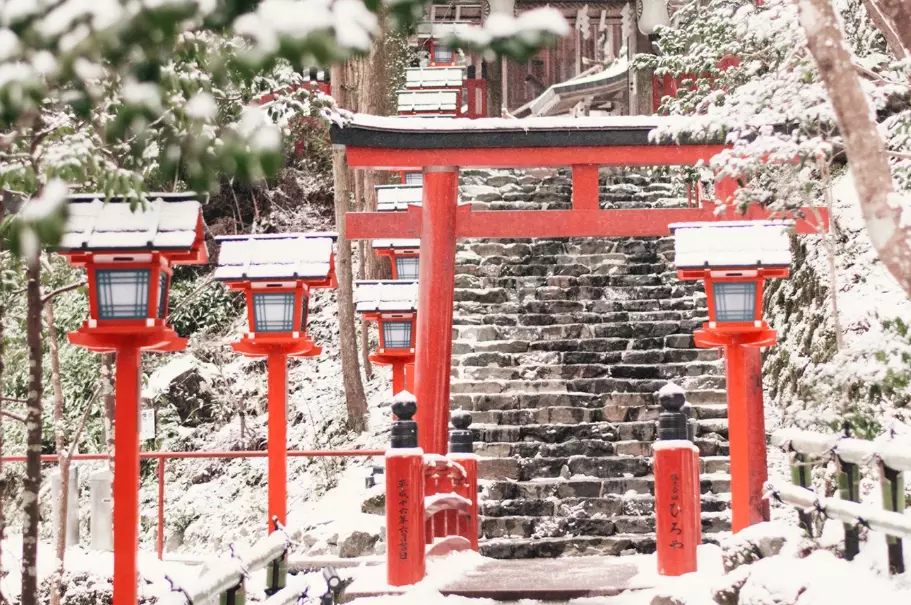
4. Drift Ice of the Sea of Okhotsk (Abashiri, Hokkaido)
This is raw, elemental winter. From late January to March, thick sheets of sea ice—ryuhyo—clog the coast off Abashiri. You board an icebreaker, the Aurora, and crunch your way out into a frozen sea. The sound is incredible. You might see Steller's sea eagles soaring above. It's cold, bracing, and unlike anything else in Japan. Pair it with a visit to the nearby Lake Akan for Ainu culture and marimo algae balls.
| Destination | Core Winter Experience | Crowd Level | Best For |
|---|---|---|---|
| Zao Onsen | Snow Monster (Juhyo) forests, onsen town | Moderate (busy on weekends) | Unique natural phenomenon, photography |
| Shirakawa-go | Snow-covered thatched roof villages | High during illuminations, Low-Modern otherwise | Cultural immersion, iconic scenery |
| Ginzan Onsen | Historic hot spring street at night | Moderate (day trippers leave by 5 PM) | Atmosphere, romance, photography |
| Abashiri Drift Ice | Icebreaker cruise on frozen sea | Low-Moderate | Adventure, wildlife, raw nature |
| Tsurui Village | Red-crowned crane watching at dawn | Low (except among photographers) | Wildlife, peaceful observation |
5. Tsurui Village & the Red-Crowned Cranes (Hokkaido)
In the frozen marshes of eastern Hokkaido, near the village of Tsurui, Japan's iconic tancho (red-crowned crane) gathers to feed. These elegant, endangered birds perform elaborate courtship dances in the snow. Watching hundreds of them take flight at dawn from the Tsurui Ito Tancho Sanctuary, with the mist rising off the river, is a profoundly moving experience. It's quiet, cold, and feels a world away from any notion of "tourism."
You'll need a rental car to get here comfortably. Stay in nearby Kushiro and drive out before sunrise.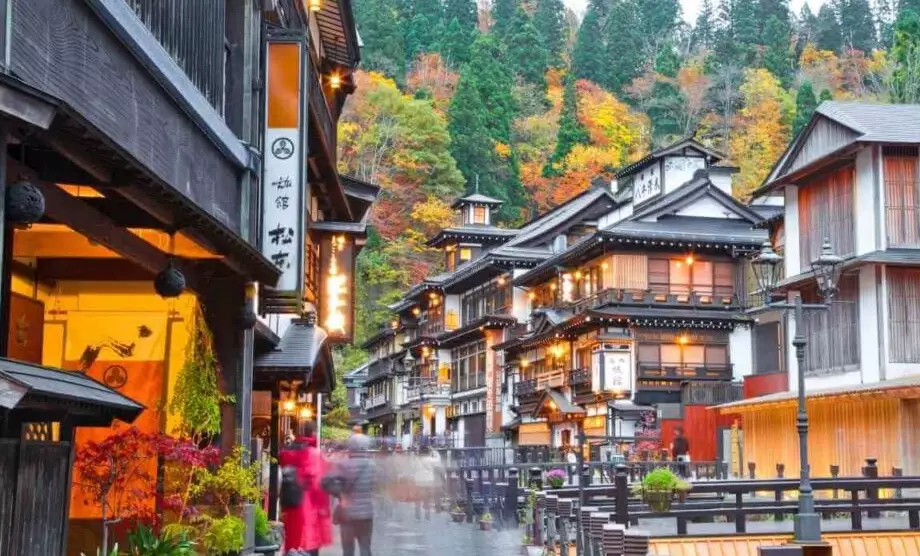
A Common Mistake: Trying to cram more than one of these into a single day. The travel between them in winter is slower. Roads close, trains delay. Pick two, maybe three, for a week-long trip and actually experience them. Depth over breadth, every time.
How to Plan Your Offbeat Winter Adventure
Logistics are different here. You're not relying on a resort's shuttle service.
Transport is Key: For Zao, Ginzan, and Shirakawa-go (via bus), public transport works. For Tsurui, the drift ice area beyond Abashiri station, and true flexibility in Tohoku, a rental car is superior. Book one with 4WD and winter tires—it's often mandatory. Don't assume your international license is enough; get an official Japanese translation if required (like for a US license).
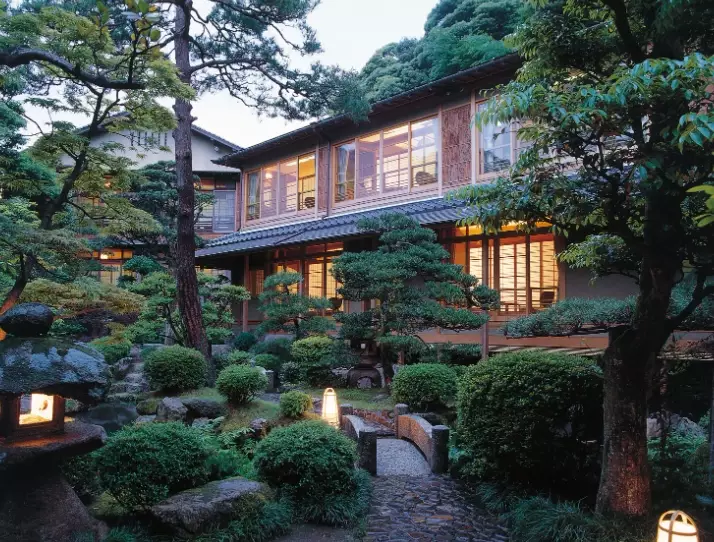
Accommodation Philosophy: Stay in local ryokan or minshuku. In Zao or Ginzan, this means onsen access. In Shirakawa-go, it's cultural immersion. In Kushiro or Yamagata city, it's a convenient base. These places often include dinner and breakfast (kaiseki or local cuisine), which is a blessing when restaurants in small towns close early.
Sample 7-Day Core Itinerary (Tohoku Focus):
Day 1-2: Tokyo to Yamagata. Base in Yamagata city. Day trip to Zao Onsen (stay late for night illumination).
Day 3: Travel to Ginzan Onsen (via Oishida Station & bus). Stay overnight in a Ginzan ryokan. This is non-negotiable for the evening atmosphere.
Day 4: Morning in Ginzan, then travel to Shinjo Station. Take the Resort Shirakami train (scenic coastal route) to Akita.
Day 5-6: Travel to Kakunodate (samurai district under snow) or Nyuto Onsen (remote hot spring village).
Day 7: Return to Tokyo via Akita Shinkansen.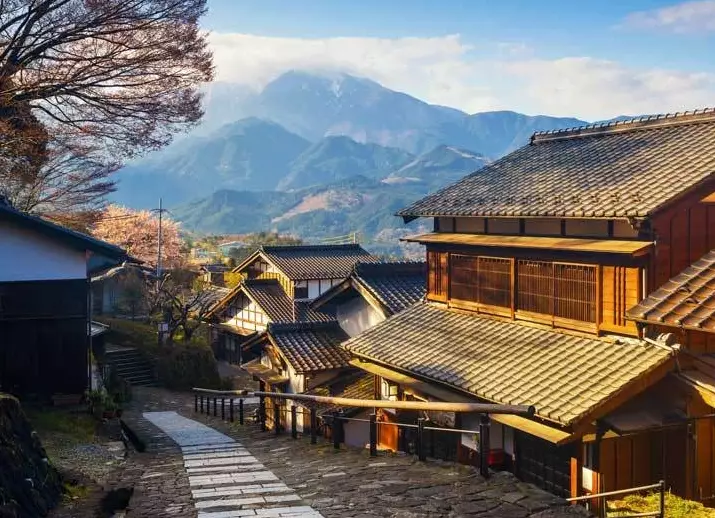
Essential Tips for Winter Travel Success
This isn't just about packing a coat.
Layer Like a Pro: Merino wool base layers are worth every yen. A down mid-layer, and a waterproof/windproof shell. Avoid cotton—it gets wet and stays cold.
Footwear is Everything: I can't stress this enough. Waterproof boots with serious traction. I use boots with Vibram Arctic Grip soles. If yours don't have great tread, buy removable ice cleats at a hardware store in Japan (Daiso sometimes has them). Slipping is the biggest physical risk.
Power and Skin: Batteries die faster in the cold. Keep your phone and camera battery in an inner pocket. Your skin will dry out. Bring heavy moisturizer and lip balm.
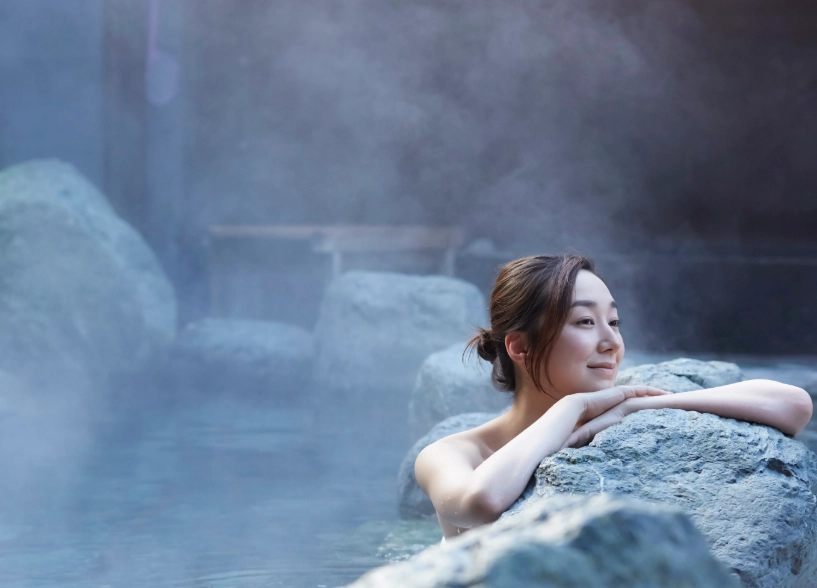
Embrace the Onsen: It's not just for pleasure; it's a survival tool. Soaking in a hot spring improves circulation and warms you from the core. Most ryokan and many towns have public baths.
Check Road & Attraction Status: Always check the official tourism site or a reliable source like Japan National Tourism Organization (JNTO) for winter road closures, ropeway operation status, and event schedules. Weather is unpredictable.
Your Winter Japan Questions, Answered
What is the best month for off-the-beaten-path winter travel in Japan?
Aim for late January to mid-February. This is peak winter, ensuring deep snow for sights like the snow monsters in Zao or the thatched roofs of Shirakawa-go. Crowds at major ski resorts are at their height, but our recommended hidden spots remain relatively serene. Early March can also work, but snow conditions become less reliable.
How difficult is it to book the Shirakawa-go illumination event?
Extremely competitive. The lottery for private vehicle entry and select accommodations opens months in advance, often in summer. If you miss it, your best bet is booking a bus tour from Takayama or Kanazawa, which also sell out quickly. A less stressful alternative is visiting on a regular winter night. The village is still lit, blanketed in snow, and magical, just without the official event's controlled crowds.
Is renting a car necessary for a winter trip to these remote areas?
For some locations, yes, it's highly recommended. While trains and buses serve Zao Onsen, Ginzan Onsen, and access points for Abashiri, reaching Tsurui village or having flexible access to Shirakawa-go outside tour times is much easier with a car. Ensure your rental is equipped with winter tires (mandatory in many regions) and you're comfortable driving in snowy conditions. For Ginzan Onsen, note that private cars are not allowed into the historic street; you must park at the designated lot and walk or take a shuttle.
What's one major packing mistake people make for these trips?
Underestimating footwear. It's not just about warmth; it's about traction and waterproofing. Standard winter boots often fail on packed snow and ice. Invest in quality insulated boots with a deep, aggressive tread (like Vibram soles) or use removable ice cleats/crampons. The streets in places like Ginzan Onsen or the paths in Zao can be incredibly slippery. Cold, wet feet will ruin your experience faster than anything else.


Share Your Thoughts