Your Hokkaido Ski Navigator
- What Makes a Resort One of the Best Hokkaido Ski Resorts?
- The Heavy Hitters: Internationally Famous Resorts
- The Underrated Gems: Less Crowded, More Character
- The Niche Favorites: For Specific Tastes
- Side-by-Side: How the Best Hokkaido Ski Resorts Compare
- Beyond the Slopes: The Logistics of Your Hokkaido Ski Trip
- Answering Your Burning Questions
- The Final Run: Making Your Choice
Let's be honest. When you type "best Hokkaido ski resorts" into Google, you're not just looking for a list. You're dreaming of that perfect run, the one where the snow is so deep and light it feels like you're floating. You're wondering where to take your family so the kids have a blast and you get some real skiing in too. Or maybe you're a powder hound, and your entire trip hinges on finding the most consistent, mind-blowing dry snow on the planet.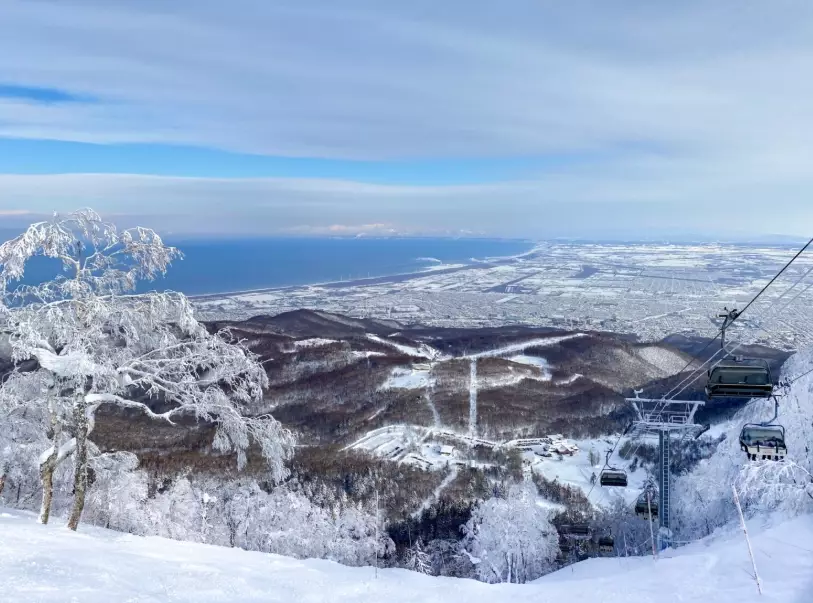
I've been there. I've spent seasons chasing snow across Japan, and Hokkaido is a special beast. It's not just one mountain; it's a whole island of possibilities, each resort with its own personality, strengths, and, let's be fair, weaknesses. Picking the wrong one can mean battling crowds when you wanted solitude, or ending up on beginner slopes when you craved steep chutes.
So, this isn't just another generic list. This is a breakdown from someone who's skied them, loved them, and been occasionally frustrated by them. We'll dig into what makes each of the best Hokkaido ski resorts tick, who they're really for, and how to match your dream ski vacation with the right patch of Hokkaido mountainside.
What Makes a Resort One of the Best Hokkaido Ski Resorts?
Before we dive into names and places, let's set the ground rules. What are we even judging here? For me, the "best" resort changes depending on who's asking. A resort perfect for a solo expert skier might be a nightmare for a young family. So, I'm judging on a few key pillars:
- The Snow: This is non-negotiable for Hokkaido. Quality, quantity, and consistency. Is it the legendary light powder?
- The Terrain: Variety is king. Does it have long cruisers, challenging trees, open bowls, and gentle learning areas?
- The Vibe & Amenities: Is it a bustling international village with nightlife, or a quiet, Japanese-focused base? Are there good restaurants, rentals, and ski schools?
- Access & Logistics: How easy is it to get there? Is it a hassle with gear and family?
- Value & Crowds: Are you paying a premium for the name? Will you be sharing those pristine slopes with a thousand other people?
With that framework, let's meet the contenders. I'm going to give you the straight talk on each.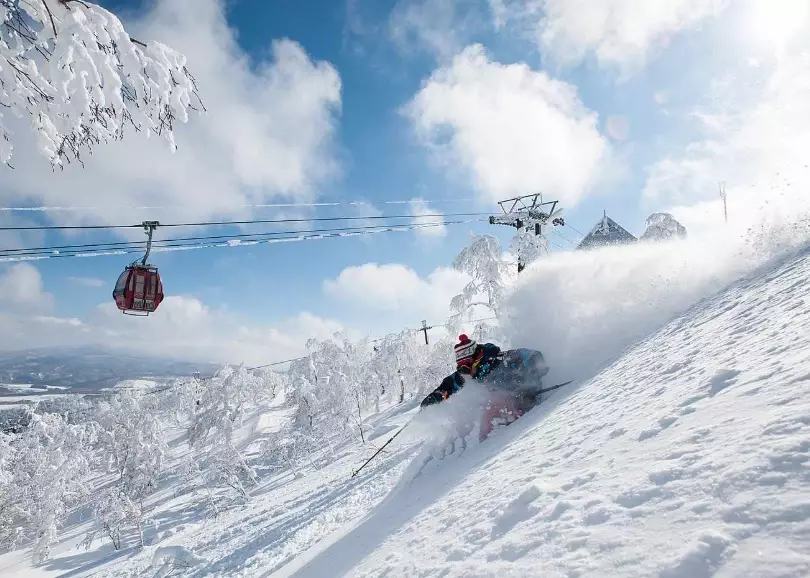
The Heavy Hitters: Internationally Famous Resorts
These are the names you know. They've earned their reputation, but that comes with pros and cons.
Niseko United: The Powder Megacity
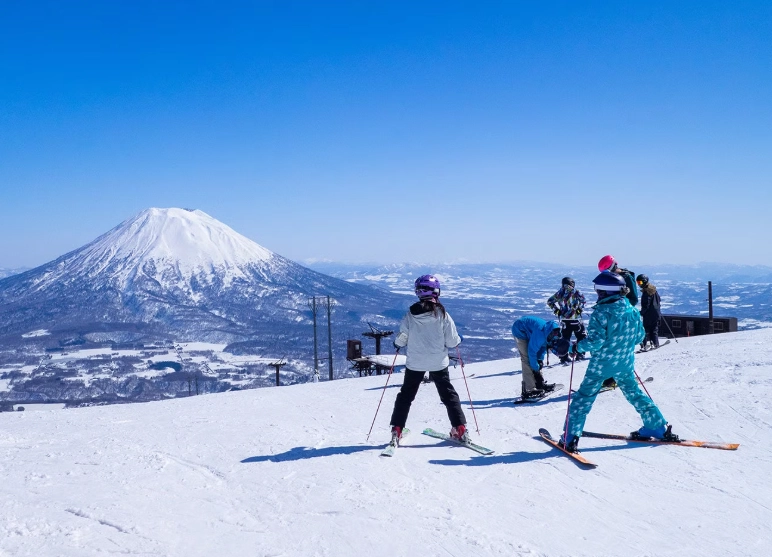
Niseko isn't so much a single resort as a sprawling interconnected domain of four main ski areas: Grand Hirafu, Hanazono, Niseko Village, and Annupuri. It's the undisputed, most famous name when discussing the best Hokkaido ski resorts, and for good reason.
The snow is reliably incredible. The sheer volume of terrain is massive, with something for everyone. The tree skiing is world-class and largely in-bounds, which is a rarity. The village at the base of Hirafu feels more like a Canadian ski town than Japan, with English signs everywhere, international restaurants, and a lively apres-ski scene.
Who's it for? First-timers to Japan who want an easy, English-friendly experience. Powder seekers who value terrain variety and reliable snow. Groups with mixed abilities. Party-goers.
Who might want to look elsewhere? Those on a tight budget. Skiers who crave a purely Japanese cultural experience. Anyone allergic to crowds.
Rusutsu Resort: The Family & Tree-Skiing Paradise
About an hour's drive from Niseko, Rusutsu offers a different flavor. It's a self-contained, massive resort complex with three mountains. What it lacks in Niseko's sprawling village vibe, it makes up for in sheer, unadulterated fun.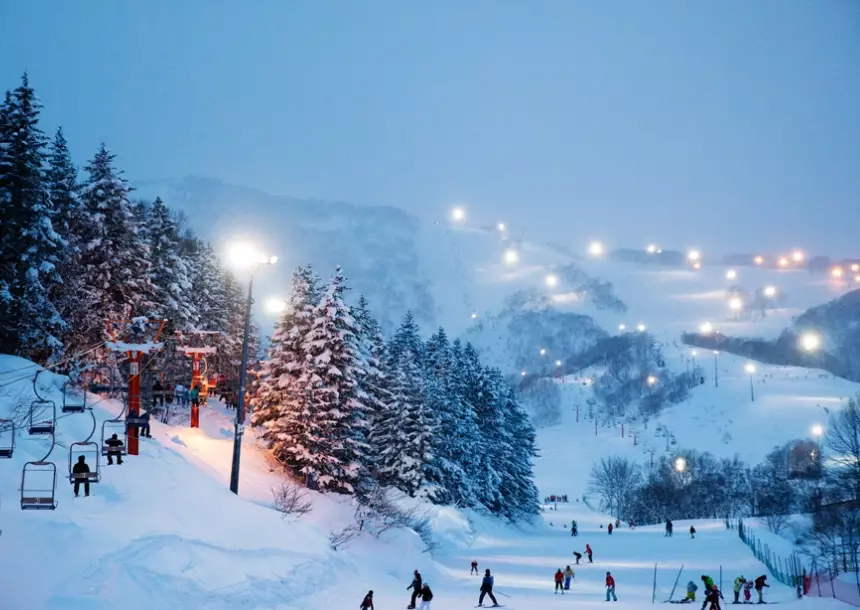
The terrain is fantastic, with long, rolling groomers perfect for intermediates and families. But the real magic is in the trees. Rusutsu has some of the most perfectly spaced, low-angle glade skiing I've ever seen. It's a safe and incredible place to learn how to ski powder in the trees. The resort is famously family-friendly, with a huge amusement park-like atmosphere (carousels, wave runners, etc.) at its heart, which kids adore.
It gets the same legendary snow as Niseko but, in my experience, often feels less crowded. The downside? There's not much of a traditional town. You're largely staying and eating at the resort hotels, which can feel a bit isolated after a few days.
The Underrated Gems: Less Crowded, More Character
If the big names feel too commercial, these spots offer incredible skiing with more local charm.
Furano: The All-Rounder with Japanese Soul
Located more centrally in Hokkaido, Furano is a proper town with a real community, not just a resort base. The ski area is split into two zones connected by a gondola. It offers a great mix of terrain, including some seriously steep and challenging runs off the Kitanomine side that will test any expert.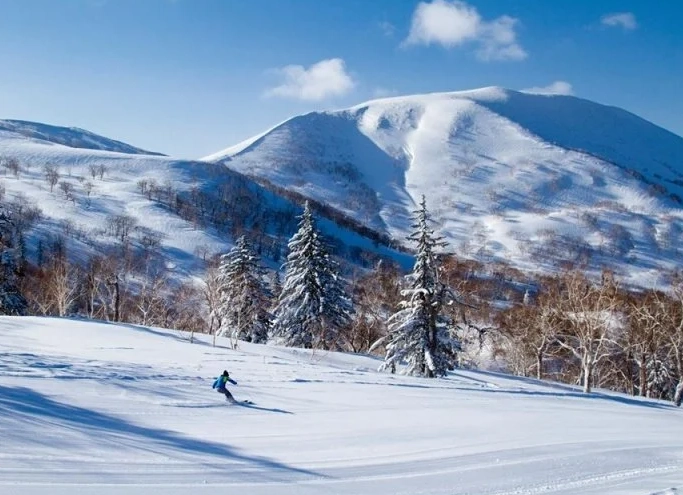
The snow is excellent (though sometimes slightly heavier than the coastal resorts), the crowds are thinner, and the prices are more reasonable. The town has fantastic local restaurants serving Hokkaido's famous produce—think rich dairy, melons, and curries. You get a much more authentic Japanese experience here.
My one gripe? The terrain, while high-quality, isn't as vast or interconnected as Niseko United. You might explore most of it in a couple of dedicated days.
Kiroro Resort: The Powder Factory
Sandwiched between Niseko and Otaru, Kiroro is a resort built for one thing: harvesting snow. It gets absolutely dumped on, often recording the highest snowfall totals in the region. The terrain is fun, modern, and well-designed, with great groomers and accessible off-piste areas.
It's a quieter, more modern resort base with a couple of nice hotels. It's perfect for a few days of intense powder skiing without the hustle. However, it's almost purely a resort destination. There's not much of a traditional town to speak of, so your dining and entertainment options are limited to the hotel facilities.
The Niche Favorites: For Specific Tastes
These might not be the overall "best" for everyone, but for the right skier, they are absolute heaven.
Asahidake: The Raw Backcountry Experience
This is not a resort in the traditional sense. Asahidake is Hokkaido's highest peak, accessed by a single cable car. What you get is raw, volcanic, above-treeline terrain. It's for experienced skiers and riders with proper avalanche training and gear. There are no groomed runs, no ski patrol defining a safety zone—just vast, open bowls and steep faces.
The experience is pure and humbling. You'll share the mountain with a handful of other adventurers. The onsen at the base is one of the best in Japan. This is as far from Niseko's glitz as you can get, and that's the point. Resources like the Geological Survey of Japan provide fascinating context on the volcanic landscape you're skiing on.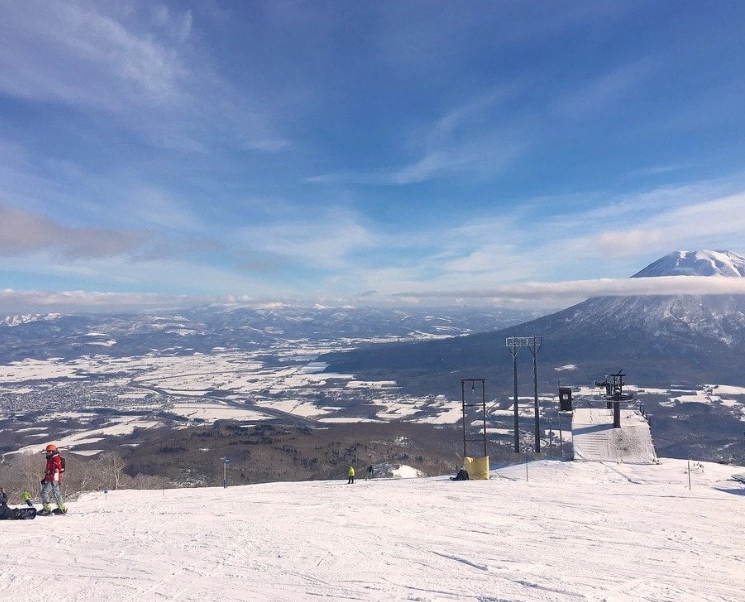
Tomamu: The Spectacular Resort Complex
Owned by the Hoshino Resorts group, Tomamu is sleek, modern, and architecturally stunning (the ice village and Mina-Mina Beach indoor beach are famous). The skiing is very good, with a fantastic beginner/intermediate area and some fun advanced pockets. The highlight is the panoramic views from the top of the mountain.
It's a fantastic choice for families or groups who want a luxurious, everything-under-one-roof experience with more than just skiing. However, for expert skiers looking for challenging terrain and deep powder stashes, it might feel a bit limited compared to the coastal powerhouses.
Side-by-Side: How the Best Hokkaido Ski Resorts Compare
Sometimes a table makes it all click. Here’s a quick-glance comparison of the key players.
| Resort | Best For | Snow Quality | Terrain Variety | Vibe & Amenities | Key Consideration |
|---|---|---|---|---|---|
| Niseko United | Powder, Nightlife, First-timers to Japan | Consistently legendary | Extremely High | Bustling international village | Can be crowded & expensive |
| Rusutsu | Families, Tree Skiing | Legendary, often less tracked | High (great glades) | Self-contained fun park | Limited off-resort town |
| Furano | Authentic culture, Steeper terrain | Excellent, can be slightly heavier | Medium-High | Real Japanese town feel | Terrain less vast than Niseko |
| Kiroro | Maximum snowfall, Modern convenience | Often the deepest | Medium | Quiet, modern resort base | Very limited dining/nightlife |
| Tomamu | Luxury families, Non-ski activities | Very Good | Medium (great for beginners) | Spectacular, all-inclusive complex | Not a powder/challenge focus |
| Asahidake | Experts/Backcountry, Unique experience | Variable, often deep | Raw & Uncontrolled | Remote, pure mountain vibe | Requires avy gear & knowledge |
See how the "best" label shifts depending on the column you care about most?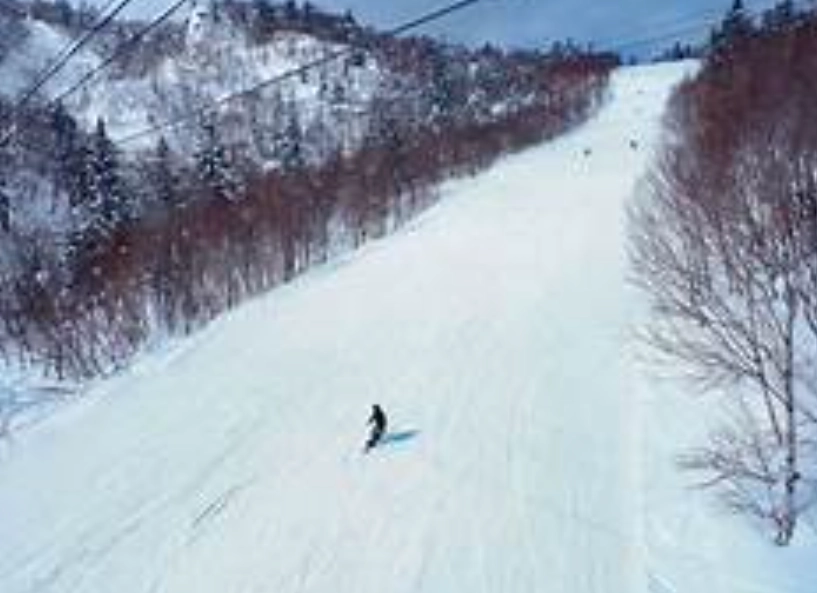
Beyond the Slopes: The Logistics of Your Hokkaido Ski Trip
Choosing the resort is half the battle. Actually getting there and making it work is the other half.
Getting There: Most international flights land at New Chitose Airport (CTS). From there, you have options. Major resorts run direct buses—book in advance, especially for Niseko. Renting a car gives you immense freedom to explore different resorts (a game-changer for chasing the best snow). Just be prepared for driving in heavy snow; winter tires are a must, and confidence is key. The Hokkaido Regional Development Bureau website is a crucial resource for road conditions.
When to Go: The core season is late December to late March. January and February are the coldest and snowiest, with the most reliable powder. December can be a bit early-season risky. March offers longer days, warmer weather, and often fantastic spring snow.
Accommodation: Book early, especially for peak periods (Christmas, New Year, Chinese New Year). Niseko prices are in a league of their own. Consider staying in a nearby town like Kutchan (for Niseko) or Otaru (for Kiroro) for better value, but factor in transport.
Answering Your Burning Questions
Is Niseko really worth the hype and cost?
For a first-time visitor who wants a guaranteed great experience with zero language barrier hassle, yes, it can be worth it. The skiing is world-class, and the convenience is real. For a seasoned Japan traveler or someone on a budget, there are better value options that offer 90% of the skiing with 50% of the crowd and cost.
Can I visit multiple resorts in one trip?
Absolutely, and I highly recommend it if you have a week or more. The "Shiribeshi" area (Niseko, Rusutsu, Kiroro) is perfect for this. Rent a car and make a base in one location (e.g., Kutchan), then drive 30-60 minutes to a different resort each day based on weather and snow conditions. This is the ultimate way to experience the diversity of Hokkaido's best ski resorts.
I'm an advanced skier but my partner is a beginner. Where should we go?
This is a common dilemma. Niseko United and Rusutsu are your best bets. Both have extensive, high-quality beginner areas and gentle slopes, while also offering plenty of challenging terrain (trees, off-piste) to keep experts entertained all day. The ski schools at both are excellent.
What about lift tickets and equipment rental?
Lift tickets are generally cheaper than North America or Europe. Multi-day passes offer good value. For rentals, you have two choices: rent at the resort for ultimate convenience, or rent from a specialized powder ski shop in a nearby town (like Rhythm Japan in Niseko) for higher-performance gear tuned for Hokkaido conditions. If you're serious about powder, I'd lean towards the latter.
The Final Run: Making Your Choice
So, after all this, which one is the single best Hokkaido ski resort? I refuse to give a cop-out answer like "it depends," but I will give you a decisive nudge based on common profiles.
If you're looking for the absolute safest, most convenient, and feature-packed first trip to Japan with iconic powder, Niseko United is your spot. Manage your expectations about crowds and cost, and you'll have a blast.
If your priority is a family vacation where everyone from toddlers to grandparents will be happy, with magical tree skiing on the side, Rusutsu Resort is arguably the best Hokkaido ski resort for you.
If you want to immerse yourself in Japanese culture, eat incredibly well, and ski great terrain without the international circus, Furano is the clear winner.
And if you're an expert purely chasing the deepest snow and most adventurous lines, look beyond the traditional resorts. Combine a few days at Kiroro or Rusutsu with a guided backcountry day on Asahidake. That combination might just give you the most profound Hokkaido ski experience of all.
The snow is waiting. It's almost always good. Your job is just to pick the mountain that fits your story.
Share Your Thoughts