Ask anyone to name a Japanese castle, and one name consistently comes up first: Himeji. It's the poster child, the one you see on every tourism brochure and in countless historical films. But what exactly makes it stand head and shoulders above the rest? It's not just age or size. It's a perfect storm of untouched authenticity, breathtaking architecture, and a survival story that feels almost miraculous.
While castles like Osaka or Nagoya are impressive reconstructions, Himeji is the real deal. It has never been destroyed by war, fire, or earthquake—a staggering fact in a country prone to all three. Walking its grounds is walking through a 400-year-old samurai fortress exactly as its builders intended.
Your Journey Starts Here
What Makes Himeji Castle So Special?
Let's break down the "fame" into concrete reasons why Himeji Castle dominates the conversation.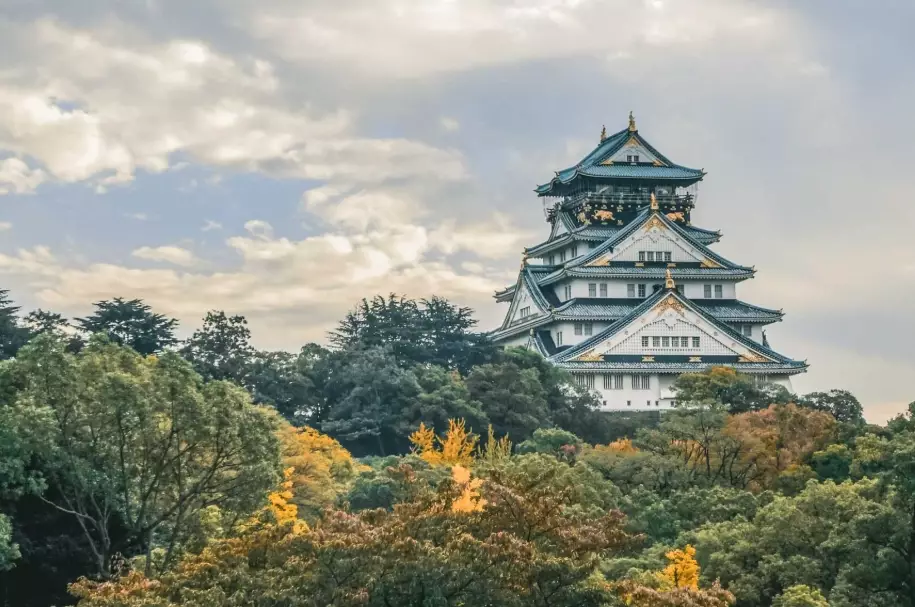
The White Heron Takes Flight
Its nickname, Shirasagijo (White Heron Castle), isn't just poetic. The brilliant white plaster coating the wooden walls serves a critical defensive purpose—fireproofing. But visually, it creates an ethereal silhouette against the sky, a stark contrast to the darker wood and stone of other fortresses. This whiteness symbolizes purity and power, making it instantly recognizable.
A Masterclass in Samurai Defense
Himeji is a textbook example of 17th-century castle design. Its complex is a labyrinthine maze of paths, gates, and walls designed to confuse and slow attackers. The main keep sits at the heart of this spiral of defenses. Look for the small, square holes (sama) for archers and the circular holes (teppozama) for guns. The stone walls (ishigaki) are curved for both structural strength and to make scaling them nearly impossible.
The UNESCO Stamp of Approval
In 1993, Himeji Castle was among the first sites in Japan to be registered as a UNESCO World Heritage Site. This wasn't just for its beauty, but for representing the pinnacle of Japanese castle architecture from the feudal period. It's a designation that places it on a global stage, alongside monuments like the Taj Mahal and the Great Wall.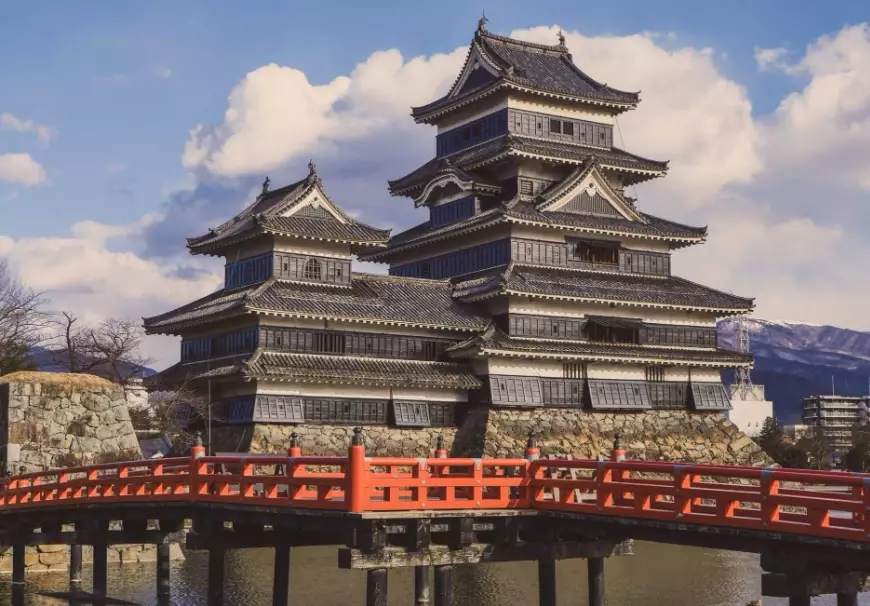
Himeji vs. The Rest: A Quick Comparison
Why is Himeji considered the top? This table sums it up.
| Castle | Status | Key Feature | Visitor Experience |
|---|---|---|---|
| Himeji Castle | Original Main Keep (1609) | Pristine white plaster, complex defenses | Authentic climb through original wooden interior |
| Osaka Castle | Concrete Reconstruction (1931) | Imposing size, museum inside | Modern elevator access, museum exhibits |
| Matsumoto Castle | Original Main Keep (~1594) | Black exterior, built on plains | Authentic interior, "Crow Castle" aesthetic |
| Kumamoto Castle | Partially Reconstructed (1960s/2010s) | Extensive stone walls | Mix of rebuilt structures and ongoing restoration |
How to Visit Himeji Castle: A Practical Guide
Knowing *why* to go is one thing. Here's the actionable *how*.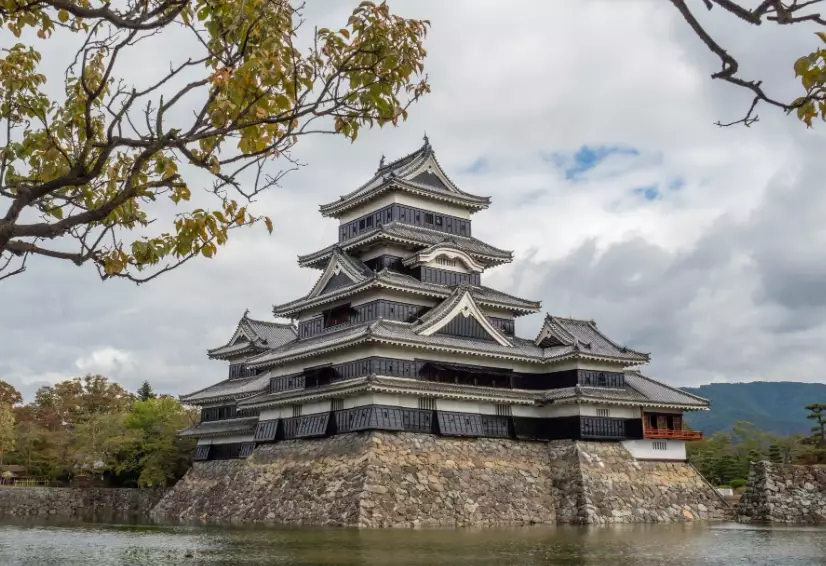
The Essential Info at a Glance
Address: 68 Honmachi, Himeji, Hyogo Prefecture 670-0012
Opening Hours: 9:00 AM to 5:00 PM (last entry at 4:00 PM). Extended hours in peak seasons.
Closed: December 29th and 30th.
Admission: Adults 1,000 yen (Castle only). Combination Ticket (Castle + Kokoen Garden): 1,050 yen. Always check the official website for the latest prices and hours.
Official Website: Himeji Castle Official Guide
Getting There: Your Route Options
Himeji is incredibly well-connected. From Osaka or Kyoto, the JR Shinkansen (bullet train) is the fastest option (about 30-60 minutes). It's covered by the Japan Rail Pass. If you're on a budget, regular JR rapid trains take about 90 minutes from Osaka. From the JR Himeji Station, it's a 15-20 minute straight walk down a broad avenue—you can't miss the castle looming at the end.
I made the mistake once of taking a late morning train from Kyoto. By the time I arrived, the queue for the main keep snaked around the bailey. Now, I always catch the first Shinkansen possible.
Planning Your Visit Timeline
A rushed visit does Himeji a disservice. Here's a realistic breakdown:
- Main Keep Tour: 60-90 minutes. This includes queueing, removing shoes, and climbing to the top floor.
- Exploring the Grounds (Nishi-no-maru, etc.): 45-60 minutes.
- Kokoen Garden: 45 minutes for a pleasant stroll.
Set aside a minimum of 3 hours for a fulfilling visit. A half-day (4-5 hours) is ideal if you want to explore at a relaxed pace, have lunch in the garden restaurant, and soak in the atmosphere.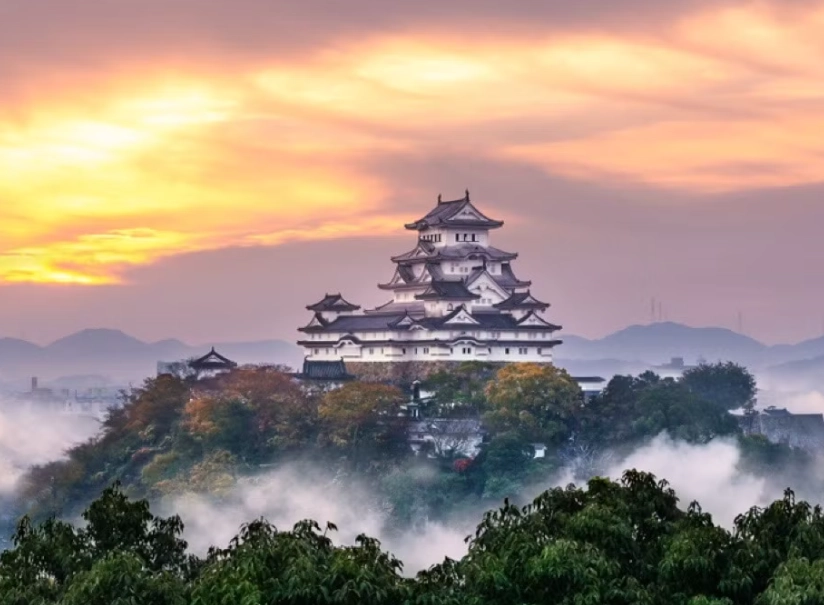
Beyond the Main Keep: The Areas Most Visitors Miss
Everyone heads for the big white tower. But the castle's soul is often in its quieter corners.
The West Bailey (Nishi-no-maru)
This is my favorite spot. It's a long, rectangular bailey with a beautiful covered corridor. In spring, the view of the main keep framed by cherry blossoms from here is arguably better than any shot from the main path. It's also historically significant—it was the residence of Princess Sen. Fewer people wander here, so you can actually hear the wind and the crows.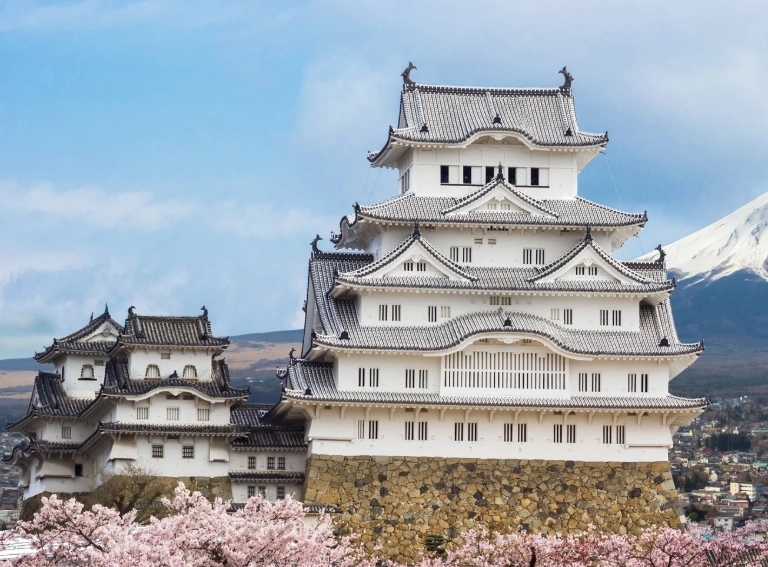
Kokoen Garden
Right next to the castle's south entrance, this garden is often skipped. That's a huge error. Built on the site of samurai residences, it's a series of nine distinct, stunning Japanese gardens. For just 50 yen extra on the combo ticket, it offers peaceful ponds, manicured landscapes, and a teahouse. It's the perfect calm after the physical exertion of the castle climb.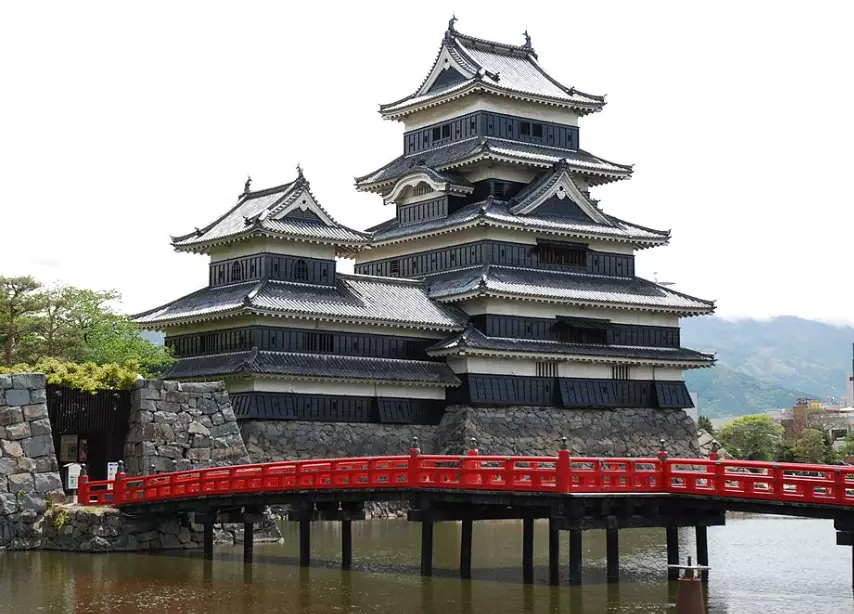
Expert Tips & Hidden Gems for Your Visit
After multiple visits in different seasons, here's what I've learned the hard way.
Seasonal Strategy: Spring (cherry blossoms) and autumn (foliage) are stunning but insanely crowded. Winter is cold but magical, with the white castle against grey skies and few tourists. Summer is hot and humid—go early.
The Shoe Situation: You must remove your shoes to enter the main keep. They give you a plastic bag to carry them. Wear easy-to-remove shoes and clean, presentable socks. You'll be walking on historic, polished wooden floors in your socks. No one wants holey socks on display.
Photography Patience: The classic front-facing shot is best taken from the Third Bailey, not right at the gate. Wait for a break in the crowd, or embrace the people—it's a living monument, after all.
Avoiding the Queue: There's no magic trick besides arriving at 9:00 AM. The queue for the main keep is managed via a timed entry system during peak times. If you see a long line, get a ticket and explore the spacious grounds first. The line often moves faster than it looks.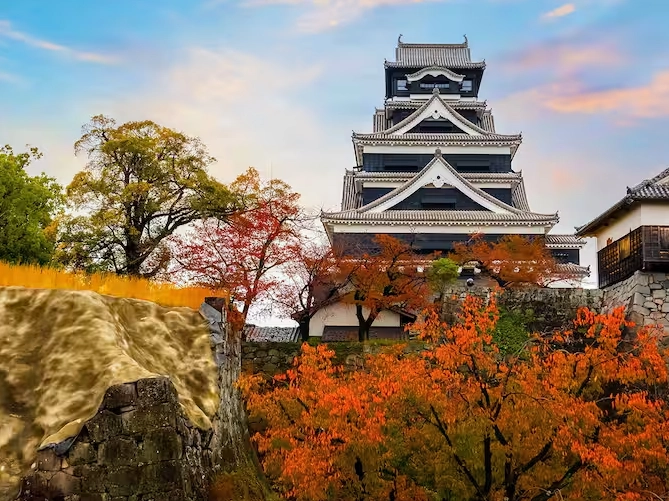
Your Himeji Castle Questions Answered
Is Himeji Castle worth visiting if I'm short on time in Japan?
It depends. If you have less than a day and are based in Osaka or Kyoto, a dedicated half-day trip is needed. For many, its architectural perfection and UNESCO status make it a top-tier priority. However, if your schedule is extremely tight (less than 3 days total in Kansai), visiting a closer castle like Osaka Castle might be more practical, though it's a concrete reconstruction. Himeji is for those seeking authenticity.
What's the biggest mistake first-time visitors make at Himeji Castle?
Most visitors rush straight to the main keep, snap a photo, and leave. The real magic is in the secondary areas. The West Bailey (Nishi-no-maru) offers the most beautiful and classic views of the main tower framed by cherry trees and traditional corridors. Many also skip Kokoen Garden next door, a stunning nine-part samurai garden included in the combination ticket. Missing these is missing half the experience.
How can I avoid the worst crowds at Himeji Castle?
Arrive at opening time (9:00 AM) on a weekday, period. Crowds swell rapidly from 10:30 AM onwards, especially on weekends and during cherry blossom season (late March-early April). Another pro tip: purchase your ticket online in advance if possible to skip the ticket booth queue. If you arrive late, consider visiting the gardens first, as the castle queue might be shorter later in the afternoon, though you risk not getting in before closing.
Is it difficult to climb to the top floor of Himeji Castle's main keep?
Yes, it can be challenging. The ascent involves six floors connected by very steep, narrow, and sometimes low wooden staircases. It's not wheelchair accessible, and those with significant mobility issues, knee problems, or a fear of confined spaces may find it difficult. You must also remove your shoes and carry them in a provided bag. Wear socks and comfortable, stable footwear. The view from the top is rewarding, but the climb itself is a physical journey through 17th-century architecture.
Himeji Castle's fame is well-earned. It's not a static museum piece but a demanding, engaging, and utterly immersive historical experience. It asks you to climb its steep stairs, feel its wooden beams, and get lost in its defensive maze. That interactive physicality is what transforms it from a famous landmark into a personal memory. Plan well, look beyond the obvious, and you'll understand exactly why this White Heron reigns supreme.

Share Your Thoughts