You're thinking about Kanazawa. Good choice. It's not Tokyo, and it's not Kyoto, and that's precisely the point. This city on the Sea of Japan coast holds onto traditions with a quiet confidence. Samurai districts, geisha teahouses, a legendary garden, and gold leaf on everything. But a real Kanazawa travel planner isn't just a list of places. It's about rhythm. It's knowing when to wander and when to book ahead, where to find the quiet moment in a popular spot, and how to eat like a local without blowing your budget.
I've lost count of my visits. Each time, I find something new—a tiny lacquerware studio down an alley, the perfect time to have Kenrokuen almost to myself, a market stall serving a better bowl of seafood than some sit-down restaurants. This guide pulls from those trips. Let's build your plan.
Your Kanazawa Travel Blueprint: Jump to What Matters
- Why Kanazawa Deserves a Spot on Your Japan Itinerary
- Crafting Your Kanazawa Travel Plan: A Step-by-Step Approach
- The Non-Negotiables: Kanazawa's Must-See Sights
- Kanazawa on a Plate: Food, Markets & Where to Eat
- Where to Stay in Kanazawa: Neighborhoods & Picks
- A Realistic 3-Day Kanazawa Itinerary
- Getting Around Kanazawa: Buses, Passes & Tips
- Your Kanazawa Travel Questions Answered
Why Kanazawa Deserves a Spot on Your Japan Itinerary
First, let's clear something up. Kanazawa is often called "Little Kyoto." It's a lazy comparison. While both have historic districts, Kanazawa's vibe is different. It's less polished for tourism, more lived-in. It escaped WWII bombing, so its old quarters are authentic, not reconstructions. The city was the seat of the wealthy Maeda clan, who poured resources into arts and culture, not just war. That legacy is in the crafts—Kutani pottery, Kanazawa lacquerware, gold leaf production—you can still see being made today.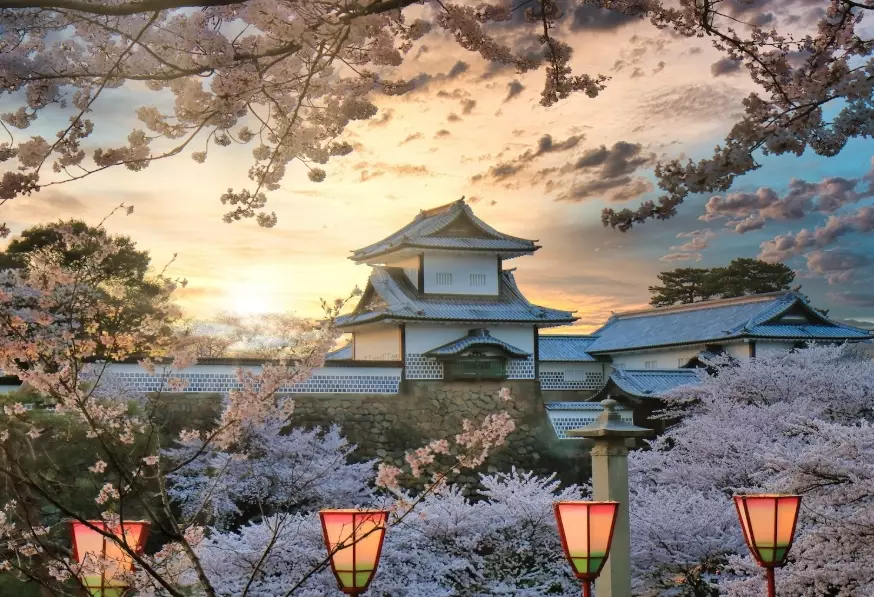
For a traveler, this means depth. You're not just looking at pretty buildings; you're in a working city of artisans. The food is defined by the Sea of Japan (think incredible snow crab in winter, sweet shrimp year-round) and the mountain valleys. It's a manageable size. You can walk between major districts, and the tourist flow, while growing, still feels manageable compared to the insanity of Kyoto's Gion.
Crafting Your Kanazawa Travel Plan: A Step-by-Step Approach
Don't just copy a generic list. Ask yourself: What do I actually want from this trip? Are you a garden enthusiast, a foodie, a history buff, or a craft shopper? Your answer changes your priorities.
Step 1: Lock in your days. I recommend 3 days and 2 nights as the sweet spot. This gives you two full days to explore without the panic of a day-tripper. With 2 days, you can cover the classics and one deeper dive. With 4 days, you can add a trip to the Noto Peninsula or Shirakawa-go.
Step 2: Book these in advance. This is the expert tip most blogs miss. Two things book up fast:
- Myoryuji Temple (the Ninja Temple): It has nothing to do with ninjas, but everything to do with secret passages, traps, and fascinating architecture. Tours are by reservation only via phone (check the Kanazawa Tourism Board website for the latest details). Do this the moment you know your dates.
- A meal at a high-end Kaga Ryori restaurant: Places like Zeniya or Miyoshian offer multi-course feasts that are culinary art. Reservations are essential, often needing a hotel concierge.
Step 3: Buy the bus pass online. Seriously. The Kanazawa Loop Bus & Kenrokuen Shuttle 1-Day Pass is a lifesaver. You can often buy it at a discount on JR West's official site before you arrive. Saves time and money.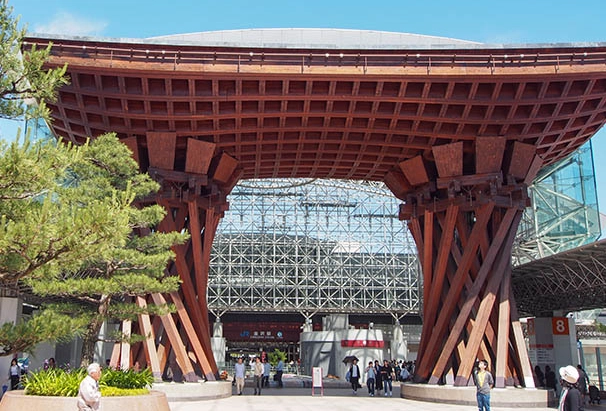
The Non-Negotiables: Kanazawa's Must-See Sights
Here's the core. Think of these as the pillars of your trip.
Kenrokuen Garden & Kanazawa Castle Park
Kenrokuen is one of Japan's Three Great Gardens. It's stunning in every season. The trick? Go right at opening (8 AM) or in the last 90 minutes before closing. The tour groups thin out. Don't just do the loop. Sit by Kasumigaike Pond. Find the Kotojitoro Lantern (the two-legged one). In winter, see the yukitsuri—ropes tied to trees to protect branches from snow—it's magical. Admission: 320 JPY. Open 7 AM-6 PM (Mar-Oct), 8 AM-5 PM (Nov-Feb).
Right next door is Kanazawa Castle Park. The main Ishikawa-mon Gate is the iconic photo spot. The castle itself is a meticulous 2001 reconstruction using traditional methods. It's impressive, but the interior is a museum space, not a period exhibit. The park grounds are free and beautiful.
The Three Historic Districts: Higashi, Nishi, Nagamachi
This is where Kanazawa's character lives.
- Higashi Chaya District: The largest geisha district. The main street is charming but crowded. The magic is in the back alleys. Shima Geisha House (500 JPY) is a preserved teahouse open to the public—small but insightful.
- Nagamachi Samurai District: Mud walls, narrow lanes, and the Nomura-ke Samurai House (550 JPY). This restored home with a beautiful little garden shows how a mid-ranking samurai lived. More atmospheric than artifact-heavy.
- Nishi Chaya District: Smaller and quieter than Higashi. Fewer tourists, more authentic feel. It's worth a quick stroll if you have time.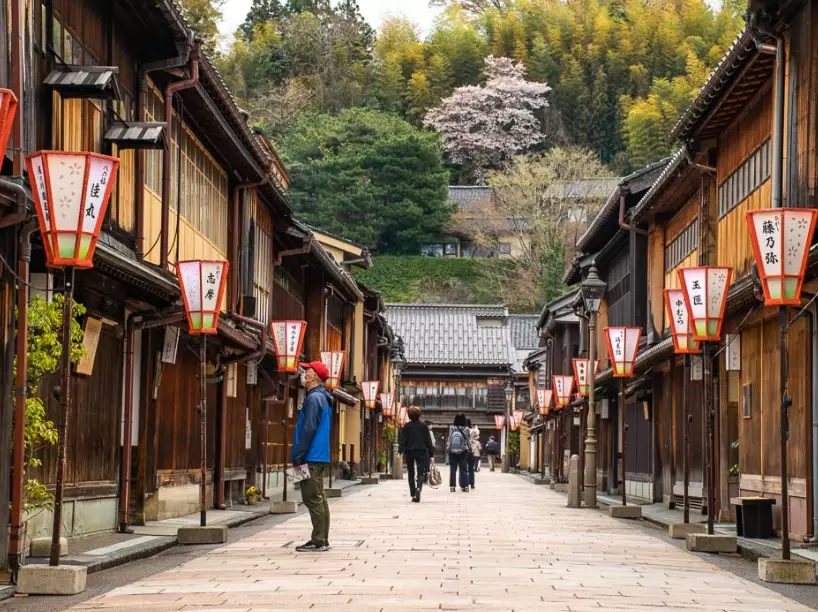
21st Century Museum of Contemporary Art & D.T. Suzuki Museum
21st Century Museum: Even if you hate modern art, go. The architecture is the star—a circular, glass-walled building meant to be open to the city. The famous Leandro Erlich's "Swimming Pool" installation (requires a separate 360 JPY ticket, book a time slot) is a mind-bending photo op. General exhibition area is free.
D.T. Suzuki Museum: Dedicated to the scholar who introduced Zen to the West. This is a place for contemplation. The Water Mirror Garden and the quiet interior spaces are designed to make you slow down. It's a 15-minute walk from the loop bus route, but it's a profound contrast to the bustle of the gardens. Admission: 310 JPY.
Kanazawa on a Plate: Food, Markets & Where to Eat
Forget generic sushi. Kanazawa's food scene is its own thing.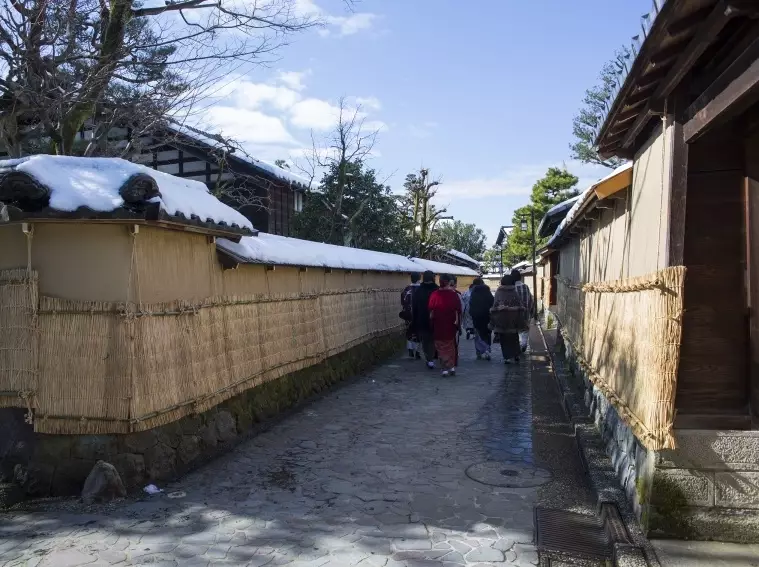
Omicho Market is the beating heart. Go hungry. It's a working fish market with tourist-friendly stalls. Don't head straight for the crowded ones at the entrance. Walk deeper. Look for a stall with locals lined up. A kaisendon (seafood rice bowl) here for lunch is mandatory. Expect to pay 2,000-4,000 JPY for a fantastic one. I'm partial to the ones with generous portions of nodoguro (blackthroat seaperch) and sweet shrimp. The market opens around 9 AM, with most food stalls ready by 10 AM. Many close by 5 PM, and the market is closed on Sundays and some Wednesdays (check calendar).
For dinner, you have tiers:
- Splurge: Kaga Ryori. A multi-course feast featuring local mountain veggies, river fish, and seafood, presented like art. Miyoshian (inside Kenrokuen) offers a sublime setting. Budget 10,000+ JPY per person.
- Mid-Range & Local: Jibuni stew (duck or chicken in a thick broth) is a local comfort food. Try it at a place like Hachi near Korinbo. Kaburazushi (salted yellowtail and turnip pressed sushi) is a unique local preserve. It's an acquired taste—salty and fermented.
- Casual & Fun: The Katamachi area is full of izakayas. Look for places serving Ishikawa sake. Brands like Born and Fukano are excellent.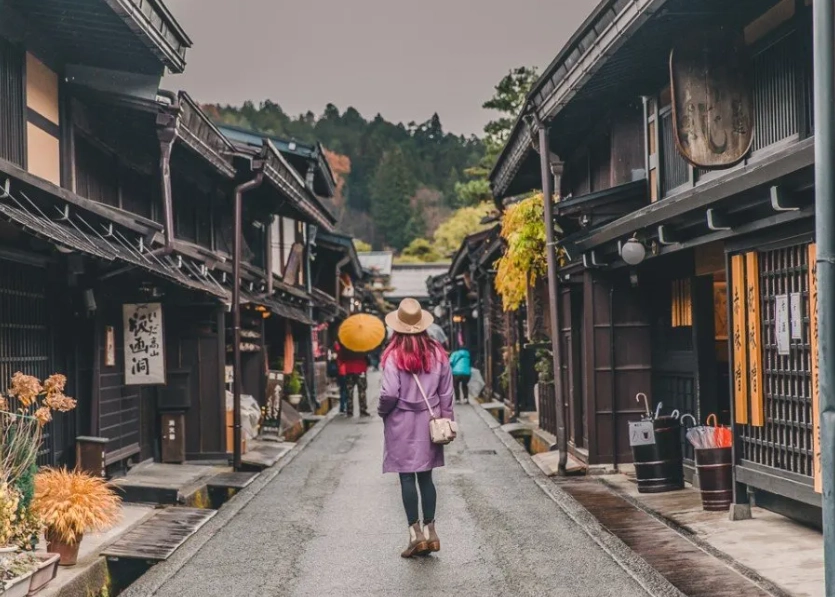
Where to Stay in Kanazawa: Neighborhoods & Picks
Location matters. Here’s the breakdown:
| Neighborhood | Vibe | Best For | Transport Note |
|---|---|---|---|
| Kanazawa Station Area | Modern, convenient, less charm. | Short stays, early arrivals/late departures, hotel chain lovers. | Right at the transport hub. Loop bus starts here. |
| Korinbo / Katamachi | Central, lively, shopping & dining hub. | First-time visitors who want to be in the middle of everything. Best restaurant selection. | Major loop bus stops. Walkable to castle/garden (20 mins). |
| Higashi Chaya Area | Historic, atmospheric, quieter at night. | Travelers seeking ambiance, photographers, those prioritizing the old districts. | Served by loop bus, but a bit further from the station. |
| Near Kenrokuen | Peaceful, green, upscale. | Garden enthusiasts, luxury stays, those wanting morning walks in the park. | Kenrokuen Shuttle bus route. Can be walkable to Korinbo. |
Hotel Intel: For a unique mid-range experience, look at Hotel Pacific Kanazawa (modern, great location near Omicho). For a splurge, the Hyatt Centric Kanazawa offers fantastic design and location. For a true ryokan experience, you may need to look slightly outside the center, but it's worth it for the cultural immersion.
A Realistic 3-Day Kanazawa Itinerary
Here’s how it can all come together. This plan assumes you have a bus pass.
Day 1: The Classics & Evening Atmosphere
Morning (8:30 AM): Kenrokuen Garden at opening. Enjoy the morning light.
Late Morning: Walk to Kanazawa Castle Park. Explore the grounds and gate.
Lunch (1 PM): Bus to Omicho Market. Grab a kaisendon bowl.
Afternoon: Bus to Nagamachi Samurai District. Visit Nomura-ke house.
Late Afternoon: Bus to Higashi Chaya District. Explore main street and back alleys. Visit Shima Geisha House.
Evening: Dinner in the Korinbo/Katamachi area. Try an izakaya.
Day 2: Art, Zen & Gold
Morning (10 AM): 21st Century Museum of Contemporary Art. Book a slot for the "Swimming Pool."
Lunch: Casual lunch near the museum or in Korinbo.
Afternoon: Bus/taxi to the D.T. Suzuki Museum. Soak in the calm.
Late Afternoon: Head to a gold leaf workshop. Gold Leaf Sakuda offers hands-on experiences where you can apply gold leaf to a keepsake. Tourist? Yes. But genuinely fun.
Evening: Your reserved Kaga Ryori dinner or explore more local cuisine.
Day 3: Deep Dive or Craft Focus
Option A (History): Visit your pre-booked Myoryuji (Ninja Temple) tour. Then explore the quieter Nishi Chaya District and the Oyama Shrine with its unique stained-glass window.
Option B (Crafts): Visit the Ishikawa Prefectural Museum of Traditional Products & Crafts (free entry, excellent overview). Then shop for specific crafts in the Higashiyama area near Kenrokuen—lacquerware, pottery, gold leaf products.
Afternoon: Final souvenir shopping, a return visit to a favorite spot, or a relaxed coffee before departure.
Getting Around Kanazawa: Buses, Passes & Tips
The Kanazawa Loop Bus (Right Loop & Left Loop) and the Kenrokuen Shuttle are your best friends. They run on the same ticket system. A single ride is 200 JPY. The 1-Day Pass is 600 JPY (500 JPY if bought online in advance). It pays for itself in three rides.
How to use it: Board from the rear door, take a numbered ticket. When you get off, look at the electronic display at the front—it shows the fare corresponding to your ticket number. If you have a pass, show it to the driver as you exit from the front door. If paying cash, put the exact fare plus your ticket into the machine next to the driver.
Walking is very viable between Korinbo, Kenrokuen, and Omicho Market (15-25 mins each). Taxis are a good option for a group of 3-4 going to a spot slightly off the route, like the Ninja Temple area.
Your Kanazawa Travel Questions Answered
Your Kanazawa travel plan starts with a decision to go deeper. It's a city that rewards a bit of structure (those bookings!) and a lot of wandering. Book the must-dos, then leave room to get lost in the alleys of Higashi Chaya, to find your own favorite market stall, to sit a while longer in a garden that's seen centuries. That's the real plan.

Share Your Thoughts