Quick Navigation
Let's be honest. Stepping out of Narita or Haneda after a long flight, jet-lagged and maybe a bit disoriented, the last thing you want is a confusing mess of transport options. You just want to get to your hotel in Tokyo, preferably without spending a fortune or getting hopelessly lost. I've been there, staring at signs in a daze, wishing for a simple answer.
Well, after more trips to Tokyo than I can count, and after helping countless friends navigate this exact problem, I've put together everything you need to know. This isn't a dry list of schedules. It's a practical, straight-talking breakdown of your Tokyo airport transportation choices, warts and all. We'll talk about speed, cost, comfort, and which option is right for your specific situation—whether you're a solo traveler on a budget, a family with kids and tons of luggage, or someone who values door-to-door convenience above all else.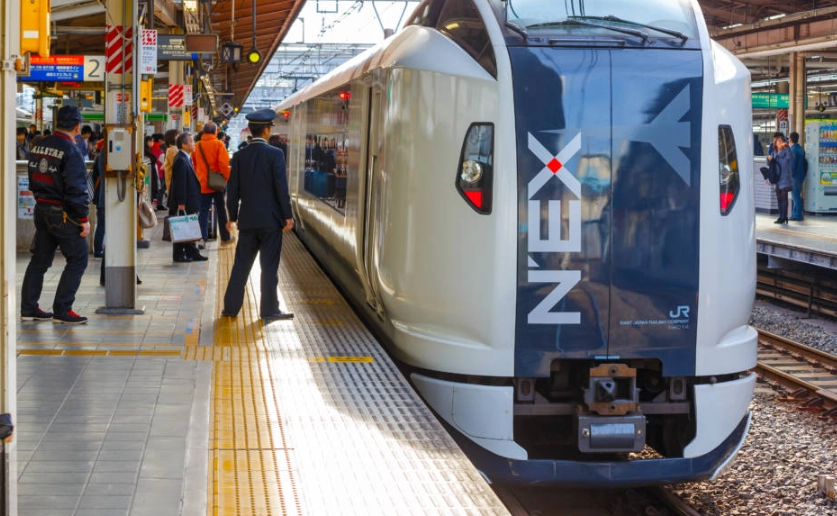
First Things First: Which Airport Are You At?
This is the most important split. Narita (NRT) and Haneda (HND) are worlds apart in terms of distance and your transit options. Getting it wrong here is the biggest mistake you can make.
Narita International Airport (NRT) is the older, bigger international hub. The key thing to remember? It's far. We're talking 60-80 kilometers east of central Tokyo. Your journey into the city will be a significant part of your day, usually between 60 to 90 minutes. All your Tokyo airport transportation planning from Narita has to factor in this distance.
Haneda Airport (HND), on the other hand, is a dream for city access. It's located right in Tokyo Bay, literally just south of the city center. You can be in places like Shinagawa or Hamamatsucho in under 20 minutes on a train. The vibe is more modern and efficient, and the shorter transfer is a massive relief after a long flight. More and more international flights are using Haneda now, which is great news for travelers.
You can check official flight info and terminal details on the airport websites: Narita Airport Official Site and Haneda Airport Official Site. Always confirm your terminal before you travel—it affects where you catch your bus or train.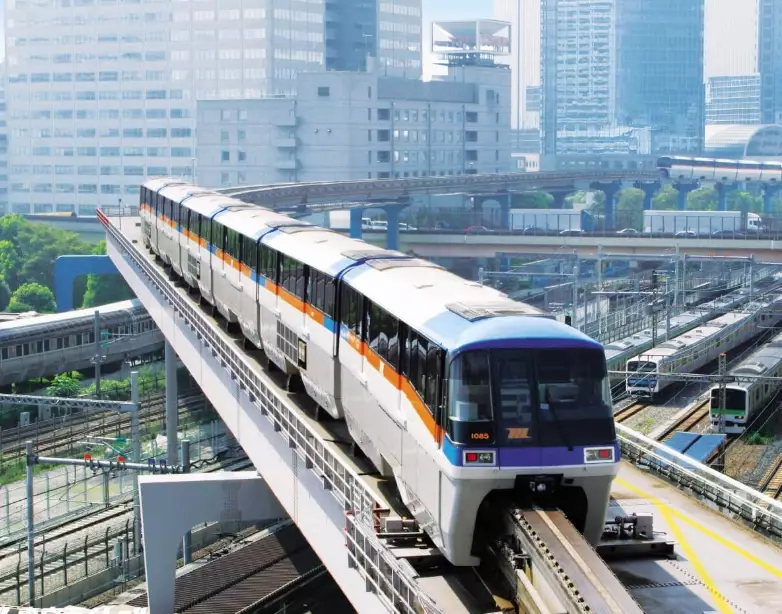
Your Tokyo Airport Transportation Options, Broken Down
Here’s the meat of it. Let's look at each method, starting with the most popular.
The Train Network: Fast, Punctual, and Sometimes Puzzling
Trains are the backbone of Japanese transport, and for good reason. They're incredibly reliable, fast, and can be cost-effective. But the network has different operators and lines, which is where confusion creeps in.
From Narita Airport (NRT):
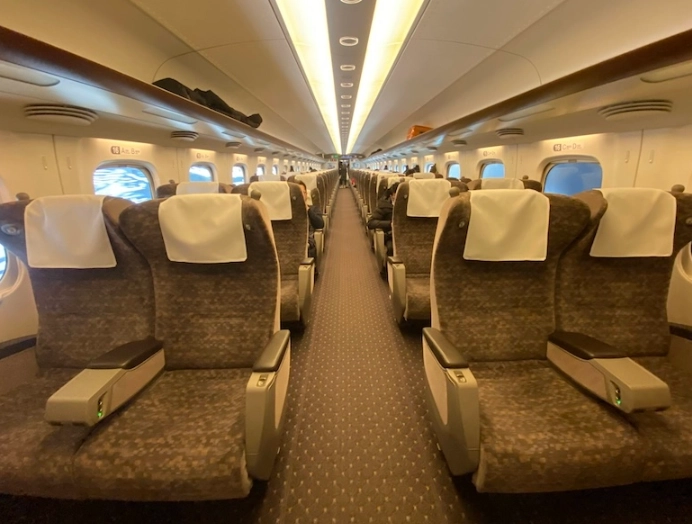
- The JR Narita Express (N'EX): This is the premium, comfortable, reserved-seat train run by JR East. It takes about 53-60 minutes to Tokyo Station, and has stops at Shinagawa, Shibuya, Shinjuku, and Ikebukuro. The seats are spacious, there's ample luggage space (with dedicated racks), and it feels more like an airport shuttle than a commuter train. The round-trip ticket offers a significant discount, which is a great deal if your return flight is also from Narita. You can find schedules and buy tickets online in advance on the JR East official website.
- The Keisei Skyliner: This is N'EX's main competitor, operated by Keisei Electric Railway. It's even faster—it gets you to Nippori Station in 36 minutes and Ueno in 41 minutes. If your hotel is in Ueno, Asakusa, or that general northeastern part of Tokyo, the Skyliner is arguably the best choice. It's slightly cheaper than the N'EX for a single ticket. Check Keisei's official Skyliner page for details.
- Keisei Limited Express (Access Express): The budget-friendly train. It's slower (about 70-80 minutes to Nippori/Ueno) because it makes more stops, but it's much cheaper. There's no reserved seating, and luggage space can be tight during rush hour. A solid choice if you're watching every yen and aren't in a hurry.
From Haneda Airport (HND):
- Tokyo Monorail: Connects Haneda to Hamamatsucho Station (where you can transfer to the JR Yamanote Line) in about 15-20 minutes. It's efficient, frequent, and offers great views of the bay and the city as you approach. You can use your IC card (like Suica or Pasmo) directly.
- Keikyu Railway: Offers direct access to Shinagawa Station (about 15 minutes) and connects to subway lines like the Asakusa Line. This can be a more direct route to areas like Asakusa or Ginza without changing trains in the busy JR stations.
The Limousine Bus: Stress-Free Door-to-Door Service
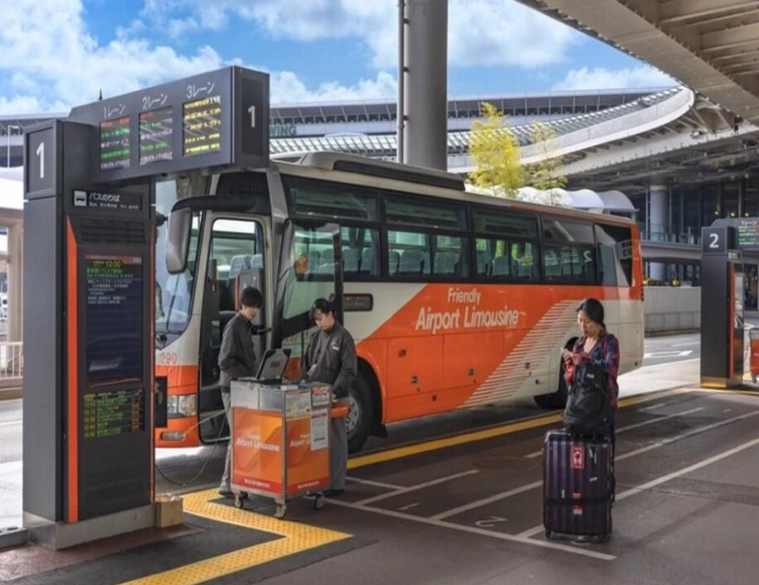
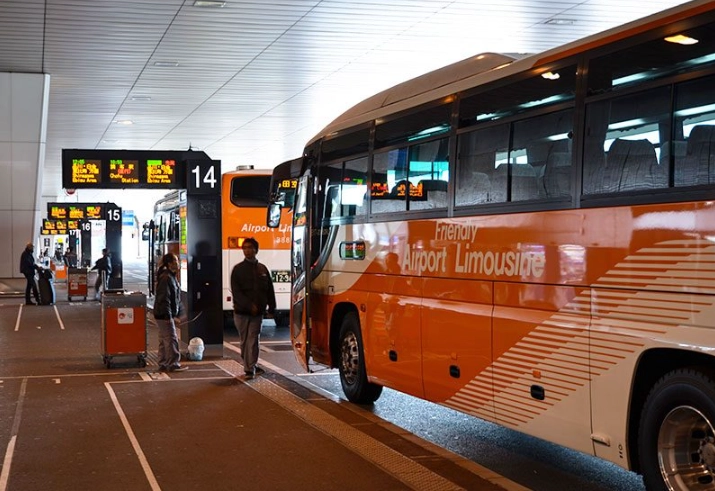
This is my go-to choice when I have a lot of luggage or am staying at a major hotel. The Airport Limousine Bus is a coach service that runs directly from both Narita and Haneda to the front doors of over 100 major hotels in Tokyo. You just get on, stow your bags underneath, and relax until they announce your stop.
The big advantage? Zero hassle with transfers or dragging suitcases through subway stations. The downside? Traffic. A journey from Narita to, say, Shinjuku can take 90-120 minutes if you hit traffic, compared to the train's fixed 80-ish minutes. From Haneda, it's much less of an issue.
It's a fantastic option for families, groups, or anyone with heavy bags. The drivers handle your luggage. You can book tickets easily at the counters right outside the arrival halls. For planning, the official Airport Limousine Bus website has all the routes, timetables, and fares.
Taxis & Private Transfers: The Premium Choice
Let's talk about the elephant in the room: cost. Taking a regular taxi from Narita to central Tokyo is prohibitively expensive. We're talking 25,000 to 30,000 yen (over $200 USD) or more. I don't recommend it unless you're in a large group splitting the fare or money is truly no object.
From Haneda, a taxi is more feasible—maybe 6,000 to 10,000 yen to central areas—but still pricey compared to a 600 yen train ride.
A better premium option is a pre-booked private transfer or fixed-fare taxi. Companies like Airport Taxi (run by a major travel company) offer online booking with a set price from the airport to your hotel. You get a meet-and-greet at arrivals, help with luggage, and a direct ride. The cost is known upfront, no meter anxiety. This is brilliant for late-night arrivals when public transport has stopped, or for those who prioritize comfort and a seamless start to their trip.
Rental Cars: Generally Not Recommended for Tokyo Itself
Unless you are immediately driving out of Tokyo to the countryside, renting a car at the airport is more trouble than it's worth. Tokyo's public transport is superb, parking is expensive and scarce, and driving in the city can be stressful with different rules and signs. For pure Tokyo airport transportation into the city center, skip the rental car counter.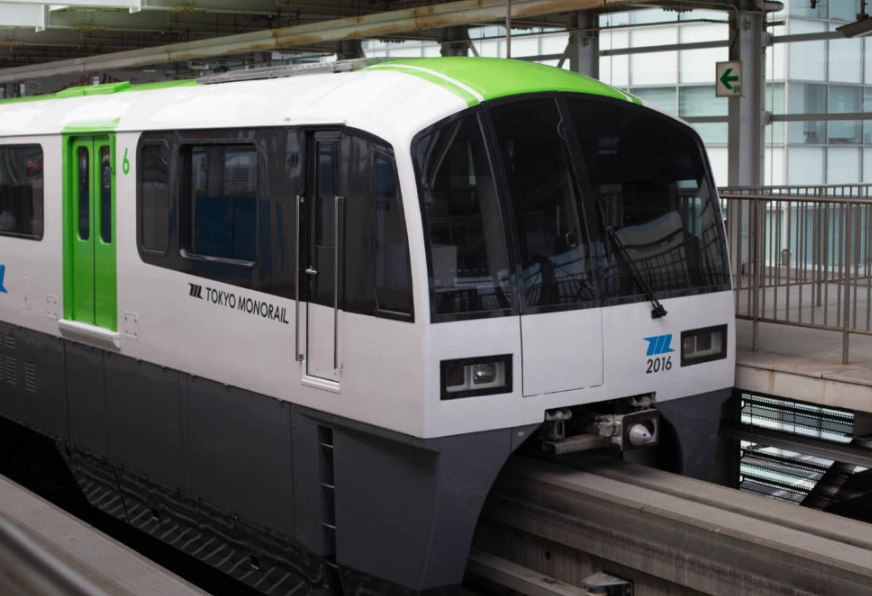
The Ultimate Comparison Table: How to Choose
Let's put this all side-by-side. This table is the heart of your decision-making.
| Transport Method | Best For | Approx. Cost (Narita to Tokyo St.) | Approx. Time (Narita) | Approx. Cost (Haneda to Shinagawa) | Approx. Time (Haneda) | Key Considerations |
|---|---|---|---|---|---|---|
| JR Narita Express (N'EX) | Comfort, direct to major JR hubs, round-trip travelers. | ¥3,070 (one-way) | ~60 min | N/A | N/A | Buy round-trip for big discount. Reserved seats only. |
| Keisei Skyliner | Speed to Ueno/Nippori, staying in east Tokyo. | ¥2,570 (one-way) | ~41 min to Ueno | N/A | N/A | Fastest train option. Connects well to Metro. |
| Airport Limousine Bus | Families, heavy luggage, hotel door-to-door service. | ¥3,200 - ¥3,500 | ~80-120 min (traffic dependent) | ¥1,200 | ~30-60 min | Traffic can cause delays. Maximum convenience. |
| Tokyo Monorail / Keikyu Line | Budget, speed from Haneda, using IC cards. | N/A | N/A | ¥500-¥600 (IC card fare) | ~15-20 min | The standard, cheapest way from Haneda. |
| Pre-booked Private Transfer | Late arrivals, groups, ultimate ease, fixed cost. | ¥20,000 - ¥25,000 (for car) | ~60-90 min | ¥8,000 - ¥12,000 | ~30-45 min | Expensive but stress-free. Book online in advance. |
| Regular Taxi (Metered) | Emergency or unlimited budget. | ¥25,000 - ¥35,000+ | ~60-90 min | ¥6,000 - ¥10,000+ | ~30-45 min | Extremely expensive from Narita. Use only as last resort. |
Answering Your Burning Questions (FAQs)
Here are the real questions people have, based on what my friends always ask me.
- From Haneda: You might still catch the last train if you're quick (check the last departure times on the airport websites!). If not, your only public option is a taxi or pre-booked car. The Limousine Bus also has some late-night routes, but frequency drops.
- From Narita: It's very unlikely you'll make the last train (usually around 11:30 PM for N'EX/Skyliner). Your realistic options are: 1) A very expensive taxi, 2) A pre-booked private transfer (highly recommended for this scenario), or 3) Staying at an airport hotel and heading into the city in the morning (not a bad idea if you're exhausted).
My Personal Recommendations & Final Thoughts
Look, here’s my take after all these trips.
If I'm traveling light and going to a central location like Shinjuku or Shibuya from Narita, I take the N'EX. It's reliable, I can reserve a seat, and the ride is part of settling into Japan mode for me.
If I have a big suitcase or am staying at a hotel on the bus route (like the Shinagawa Prince or the Hilton in Shinjuku), I take the Limousine Bus. The convenience factor wins.
From Haneda, I almost always take the Tokyo Monorail. It's fast, cheap, and the view of the Rainbow Bridge and the city skyline as you glide in never gets old. It feels like the most efficient Tokyo airport transportation option out there.
For a late-night arrival with my family, I book a private transfer every single time. The peace of mind is worth the extra cost.
Don't overthink it. Match your priority—Speed, Cost, or Convenience—to the options in the table. Check the official links for the latest schedules and fares. And remember, thousands of travelers figure this out every day. You've got this. Now, go enjoy Tokyo.

Share Your Thoughts