Quick Guide
Let's be honest. When you first think of a Tokyo itinerary for winter, you probably picture the famous Shibuya scramble under giant screens, maybe some Christmas markets, and a lot of cold weather. I did too, before I actually spent three winters there. What I found completely changed my mind. Winter in Tokyo is a secret season. The crowds thin out (except for those New Year sales, but we'll get to that), the air is crisp and clear, and the city takes on a different, almost serene, personality. It's the best time for long walks, for steaming bowls of ramen that taste like heaven, and for experiences you simply can't get any other time of year.
This isn't just another listicle. This is the Tokyo winter itinerary I wish I had on my first trip. We're going to build a complete 5-day plan that balances iconic sights with seasonal magic, dives into the food, and gives you the real, practical info you need. Forget just surviving the cold—let's make it the highlight of your trip.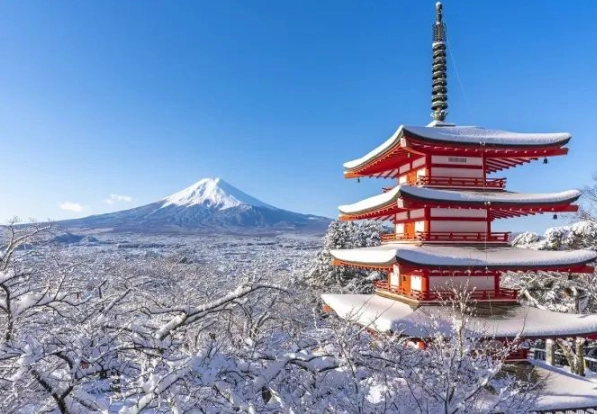
Crafting Your Perfect 5-Day Tokyo Winter Itinerary
Five days is a sweet spot. Enough to get a real feel without rushing. This sample itinerary mixes neighborhoods, paces things wisely, and bakes in plenty of warming-up stops. Feel free to shuffle days based on your hotel location or energy levels.
Day 1: Shinjuku & The Metropolitan Glow
Start big. Shinjuku is Tokyo's overwhelming, exhilarating heart. Exit the station's East Exit and just look up. Your first Tokyo winter itinerary day is about embracing the scale. Head straight to the Tokyo Metropolitan Government Building. It's free, and the observatories on the 45th floor offer arguably the best free view in the city. On a winter day, you can see for miles—sometimes all the way to Fuji. It's the perfect orientation.
Afternoon, dive into the organized chaos of the Shinjuku Gyoen National Garden. In winter, it's a landscape of sculptural, bare trees and tranquil, frost-tipped lawns. The Japanese garden section is particularly beautiful in the low winter light. It's a stark, peaceful contrast to the surrounding skyscrapers.
As dusk falls (early, remember?), this is where your Tokyo winter itinerary gets special. Walk towards the Tokyo Kabukicho Tower area. The streets are a neon jungle, but look for the tiny, steaming ramen joints in the alleys. My personal favorite is in the memory of a place whose name I forgot down a tiny lane—it had six seats and the richest tonkotsu broth that fought off the evening chill perfectly. That's the Shinjuku experience: find your own alley, your own ramen shop.
Day 2: Tradition & Illumination in Asakusa and Odaiba
Morning at Senso-ji Temple. Get there early, before 9 AM, even in winter. You'll have the Thunder Gate and Nakamise shopping street almost to yourself. The smell of incense (called *senko*) mixing with the cold air is unforgettable. Try a fresh *ningyo-yaki* (small cake) from a street vendor—they're warm and sweet.
From Asakusa, take the direct boat down the Sumida River to Odaiba. The ride itself is a unique perspective on the city. Odaiba is a futuristic entertainment district on a man-made island. Visit teamLab Planets TOKYO (book tickets WELL in advance). Walking through water and infinite digital flowers is an experience, though it can be crowded.
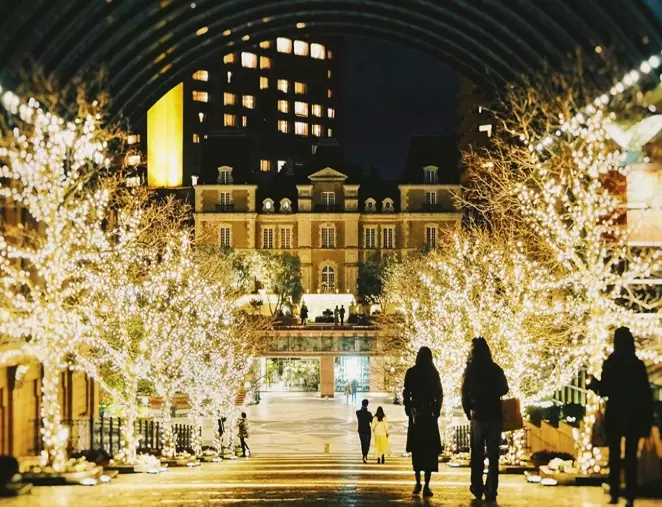
The evening's main event: Tokyo Midtown's illuminations in Roppongi, or the Caretta Shiodome display. These aren't just a few lights; they are immersive, artistic light shows that transform entire plazas. The blue-themed display at Caretta Shiodome one year left me genuinely speechless. It's a core memory of my Tokyo winter travels. Check the official Tokyo Tourist Information site for the current year's schedules and themes.
Day 3: Harajuku, Shibuya, and the Scramble
A younger, trendier vibe today. Start at Meiji Jingu, the shrine dedicated to Emperor Meiji. The forest path leading to the shrine is a massive green lung in the city. In winter, it's incredibly quiet and solemn. The contrast with what comes next is jarring.
Exit and walk down Takeshita Street in Harajuku. Honestly, in winter, it's less packed with teens, which makes it more enjoyable. The crepe stands are still there. So are the quirky clothing stores. It's a cultural snapshot.
Walk towards Shibuya. Stop at the Shibuya Sky observatory. Yes, it's paid and needs booking, but the open-air, 360-degree view of the endless city as the sun sets and the lights come on is worth every yen for a Tokyo winter itinerary highlight. You see the famous scramble from above, a tiny, organized ant farm.
Finally, go down and cross the Shibuya Scramble yourself. At night, in the winter, with all the screens blazing, it feels like the center of the universe. For dinner, explore the non-chain ramen shops in the backstreets behind the station. Look for places with a vending machine for tickets—a sure sign of authenticity.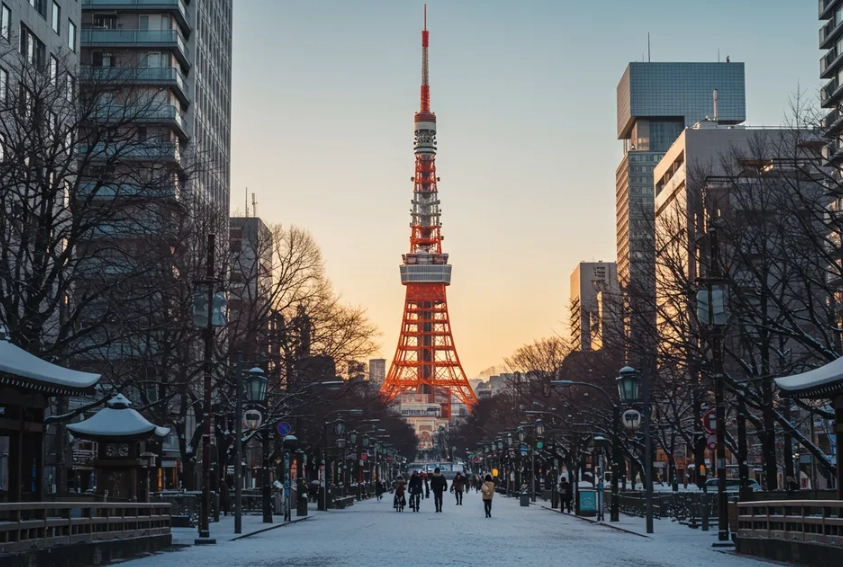
Beyond the Basics: Unique Winter-Only Experiences
Your Tokyo winter itinerary should have more than just sightseeing. Here are the seasonal gems.
New Year (Shogatsu): If your trip spans late December to early January, you're in for a unique cultural event. From Dec. 29 to Jan. 3, many businesses close. It's family time. But on New Year's Eve, people visit temples for *Joya no Kane* (bell ringing). Senso-ji is packed. Then, on Jan. 1-3, they visit shrines for *Hatsumode* (first shrine visit). Meiji Jingu sees millions. It's chaotic but fascinating. Also, try *osechi ryori*, the special New Year's food in beautiful lacquered boxes.
Strawberry & Citrus Season: Winter is prime time for decadent, sweet Japanese strawberries (*ichigo*). Department store food halls and dessert cafes have special parfaits. Also, *mikan* (mandarins) are everywhere—a perfect, portable snack.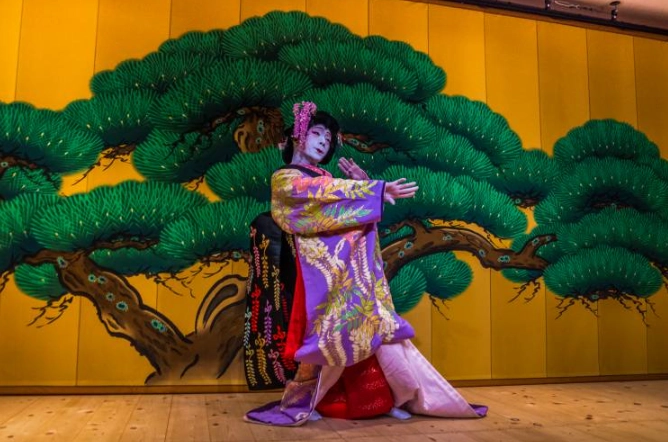
The Practical Stuff: Surviving & Thriving in the Cold
Let's get real about the logistics. A good Tokyo winter itinerary fails if you're freezing and miserable.
What to Wear: The Layering Gospel
Forget a single thick coat. You'll be going from freezing streets to overheated department stores and trains. Layers are key.
- Base Layer: Thermal underwear (merino wool is ideal).
- Mid Layer: A fleece or a thin down vest.
- Outer Layer: A waterproof/windproof coat with a hood.
- Extremities: Gloves, a scarf, and a warm hat. Heat-tech socks. Waterproof boots with good grip—sidewalks can get icy.
I learned the hard way that cotton socks are the enemy. Cold, damp feet ruined one of my afternoons until I bought some proper thermal socks at Uniqlo.
Weather & Daylight Reality Check
December to February is cold and dry. Average temps are 2-10°C (35-50°F). It rarely snows heavily in central Tokyo, but when it does, the city pretty much stops. The biggest adjustment is daylight. It gets dark by 4:30-5 pm. This isn't a bad thing! It means you can see the illuminations earlier and have a long, relaxed dinner. Plan indoor activities or illuminated areas for late afternoons.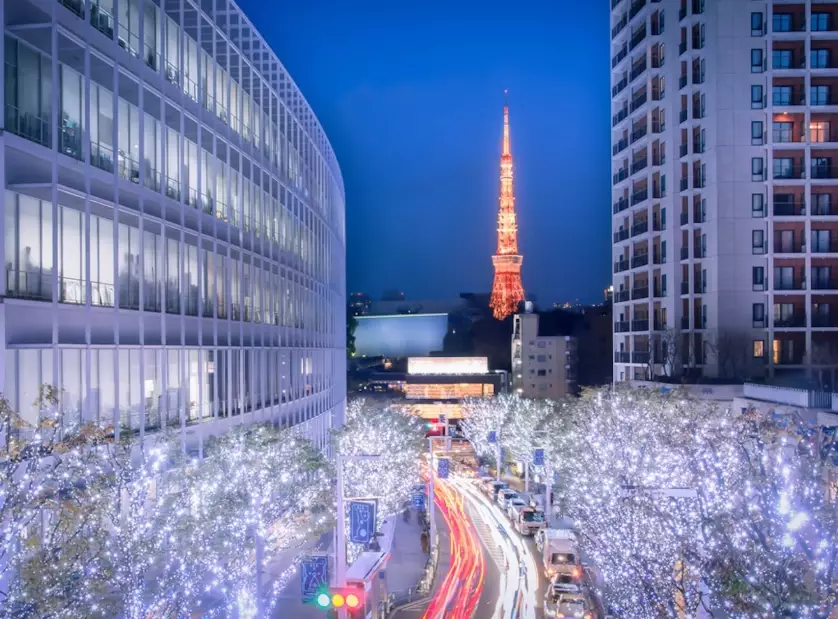
Budgeting for Your Winter Trip
Here’s a rough breakdown for a mid-range traveler per day. Winter can be cheaper for flights and hotels than spring.
| Category | Budget (per person) | Notes & Winter-Specific Tips |
|---|---|---|
| Accommodation | $80 - $150 / night | Prices dip after New Year's (Jan 4 onwards). Look for hotels with public bath facilities (*sento*) to warm up. |
| Food | $30 - $60 / day | Winter is for ramen, nabe (hot pot), and oden (simmered snacks from convenience stores!). A bowl of ramen is a cheap, heavenly meal. |
| Transport | $7 - $12 / day | Get a Suica/Pasmo card. A 72-hour Tokyo Metro ticket can be great value. Walking in the cold is fine, but you'll use trains to hop between warm stations. |
| Attractions | $15 - $40 / day | Mix paid (Skytree, teamLab) with plenty of free (government building, gardens, temple grounds, illuminations). |
Answers to Your Burning Questions (FAQ)
Here are the things I kept wondering about before my first winter trip.
Final Thoughts Before You Go
Planning this Tokyo itinerary for winter was one of the best travel decisions I've made. You trade cherry blossoms for crystalline skies, summer festivals for intimate food experiences, and long queues for a more relaxed pace of exploration. The city feels more local, more lived-in.
The key is to embrace the season. Let the early darkness guide you to the illuminations. Let the cold be an excuse for that extra bowl of ramen or that long soak in an onsen. Structure your days with warm indoor options for the late afternoons. Pack smart layers.
Your Tokyo winter itinerary isn't just a plan; it's an invitation to see one of the world's greatest cities in its most elegant, quiet, and delicious season. Just thinking about standing on the Shibuya Sky deck in that crisp air, or slurping noodles in a tiny Shinjuku shop, makes me want to book another ticket. Winter Tokyo has that effect. It gets under your skin in the best way possible.
Have an amazing trip. And don't forget the thermal socks.

Share Your Thoughts