So you're planning a trip to Japan's famous art islands. Good choice. Forget the crowded temples of Kyoto for a moment—this is where contemporary art meets stunning Seto Inland Sea scenery. But here's the thing most blog posts don't tell you: a successful Japan art islands itinerary isn't just about ticking off museums. It's a logistical puzzle involving ferries, timed entry tickets, bicycle rentals, and weather contingencies. I've made the mistakes so you don't have to. Let's build an itinerary that's actually practical, not just pretty on paper.
Your Art Island Journey at a Glance
Planning Your Core Itinerary: 3-Day vs. 5-Day
First, decide how much time you have. Rushing the art islands is the biggest mistake. The ferry schedules dictate your life here.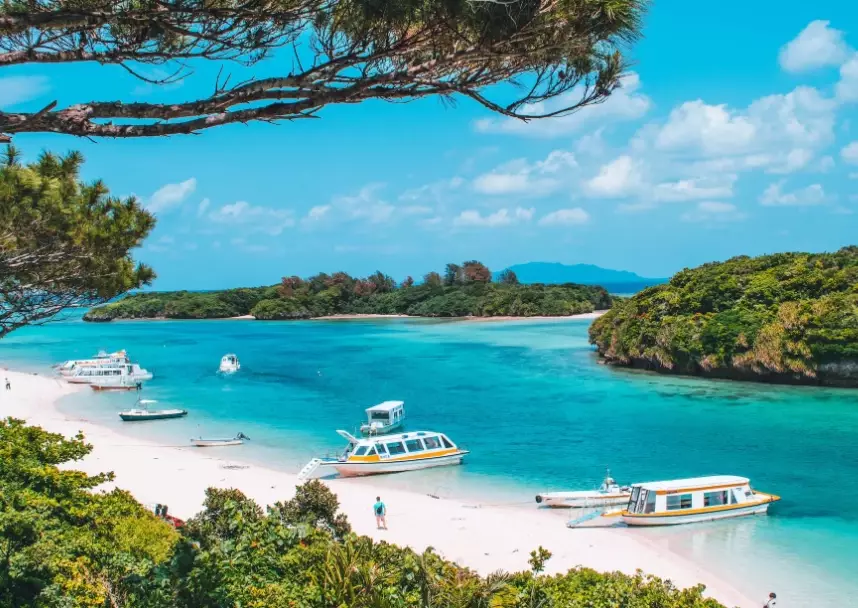
The 3-Day Essentials Itinerary (The Classic)
This is for most first-timers. You hit the highlights without burnout.
Day 1: Arrive at Takamatsu or Uno Port. Ferry to Naoshima. Check in. Rent a bike. Explore the Miyanoura port area (Red Pumpkin, I❤︎湯). Evening at the Benesse House area.
Day 2: Full day on Naoshima. Pre-book slots for the Chichu Art Museum and Lee Ufan Museum. Visit the Art House Project in Honmura. Late afternoon ferry to Teshima (stay on Teshima or return to Naoshima).
Day 3: Morning at the Teshima Art Museum (pre-book!). See a few other Teshima sites like Les Archives du Cœur. Afternoon ferry back to mainland.
The 5-Day Deep Dive Itinerary (For Art Lovers)
This adds Inujima and allows for a slower pace.
Days 1-2: As above, but spread over two more relaxed days on Naoshima.
Day 3: Dedicated Teshima day. Rent an e-bike to cover the hilly terrain. Visit Teshima Art Museum, Teshima Yokoo House, and the scattered outdoor installations.
Day 4: Day trip to Inujima from Naoshima (or Teshima). The Inujima Seirensho Art Museum is small but intense. You'll be back by early afternoon, leaving time to revisit a favorite spot.
Day 5: Morning visit to any missed sites or a final soak in the Naoshima bathhouse. Depart.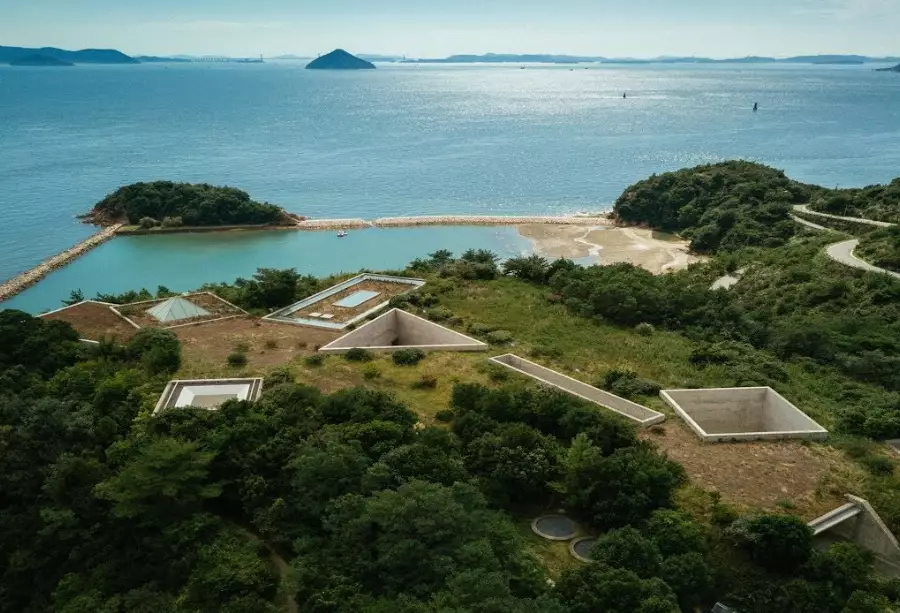
My Take: If you can only do one island, make it Naoshima. It has the density and variety. But Teshima offers a more profound, meditative experience. Inujima is for those who love art with a heavy dose of industrial history.
Naoshima: The Must-See Art Sites & Logistics
Naoshima is the hub. It's split into three main areas: Miyanoura (main port), Honmura (old village with Art House Project), and the Benesse House Museum area (south).
Top Sites You Can't Miss
Chichu Art Museum
Address: 3449-1 Naoshima, Kagawa District, Kagawa 761-3110
Hours: 10:00-18:00 (Last entry 17:00). Closed Mondays (or Tuesday if Monday is a holiday).
Ticket: ¥2,100. CRUCIAL: You MUST book online in advance via the Benesse Art Site Naoshima official website. Walk-ins are almost never available. The building itself, built into a hill by Tadao Ando, is the first artwork. The Monet room is sublime.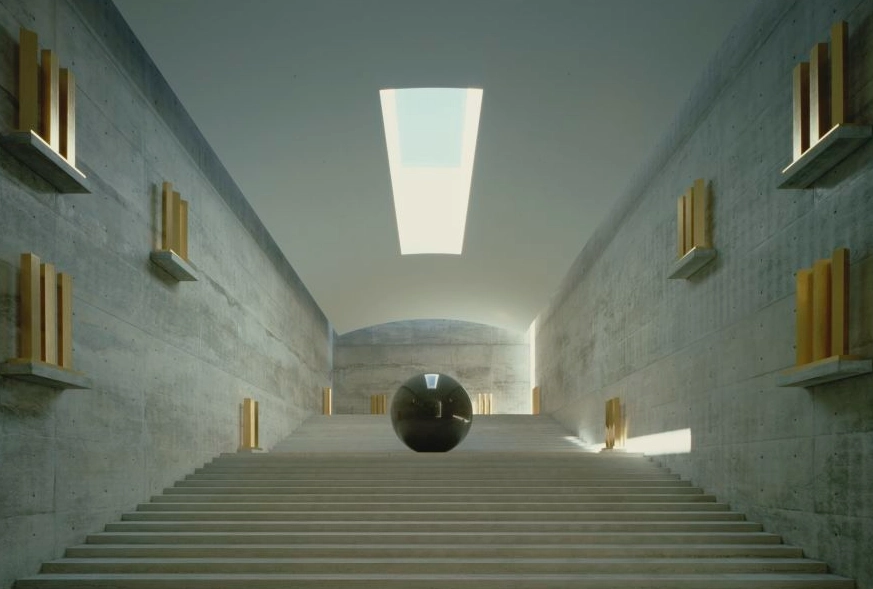
Art House Project
Address: Scattered across Honmura village.
Hours: Vary by house, typically 10:00-16:30. Some closed Mondays/Tuesdays.
Ticket: Combined ticket for all 7 houses is ¥1,050, sold at the Honmura Lounge & Archive. You can buy individual tickets too. My favorites are Kadoya (a house filled with water and LED numbers) and Minamidera (a pitch-black space by James Turrell that requires a timed entry).
Benesse House Museum
Address: Gotanji, Naoshima
Hours: 8:00-21:00 for museum area (for guests), 10:00-18:00 for day visitors.
Ticket: ¥1,030. This is the hotel-museum hybrid. Even if you're not staying, visit. The outdoor sculptures along the coast (like the Yellow Pumpkin) are free to access.
Lee Ufan Museum
Address: 1390 Azako, Naoshima
Hours: 10:00-18:00 (Last entry 17:30). Closed Mondays.
Ticket: ¥1,050. Often bundled with Chichu ticket. A serene dialogue between Ando's architecture and Lee Ufan's minimalist art.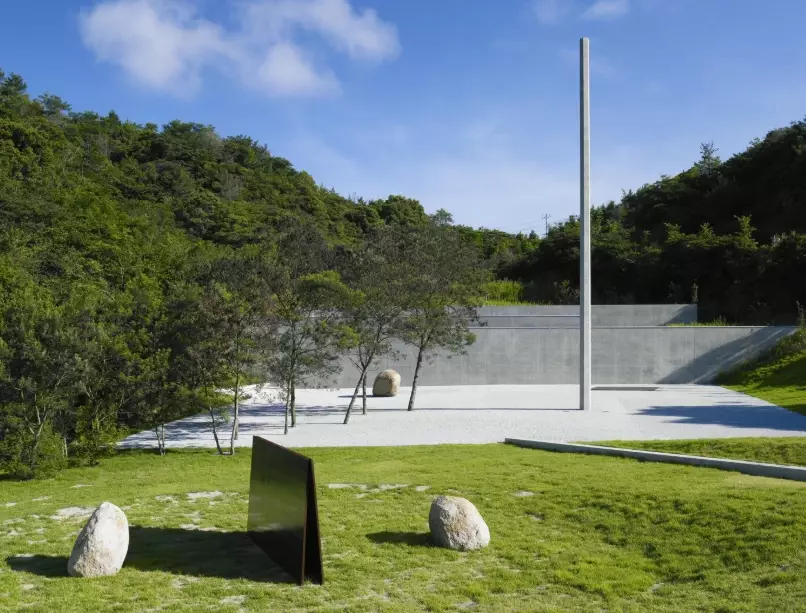
Teshima: Beyond the Famous Museum
Teshima is greener, hillier, and feels more remote. The art is integrated into the landscape.
Teshima Art Museum
Address: 607 Karato, Teshima, Tonosho, Kagawa District, Kagawa 761-4662
Hours: 10:00-17:00 (Last entry 16:30). Closed Tuesdays (and Wednesdays in winter).
Ticket: ¥1,570. Pre-booking is essential. This isn't a museum with paintings. It's a single, breathtaking concrete shell where water droplets dance on the floor. You'll sit and watch for an hour. No photos inside.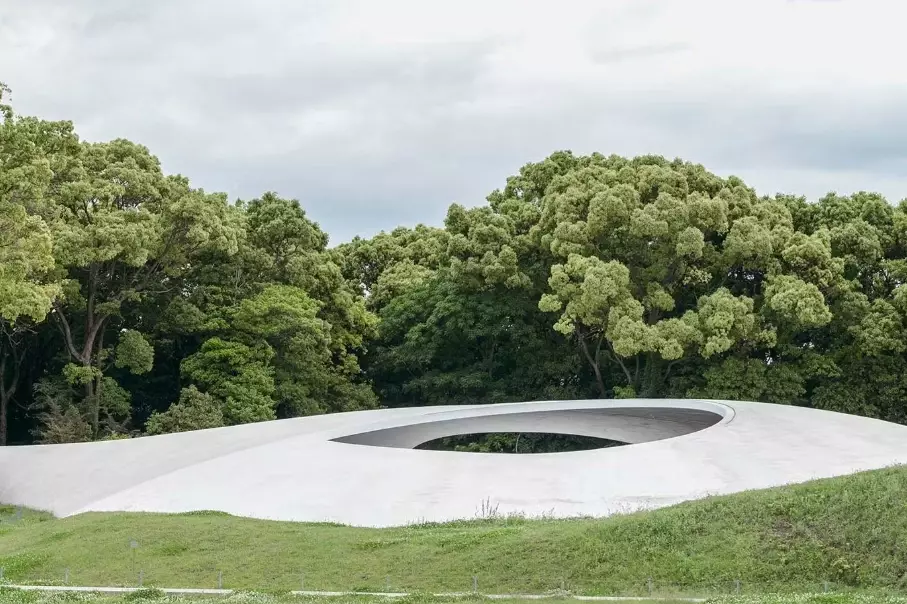
Les Archives du Cœur
Address: 364-1 Karato, Teshima
Hours: 10:00-17:00 (Last entry 16:30). Closed Tuesdays.
Ticket: ¥540 to enter the listening room; recording your own heartbeat costs ¥1,570. A powerful, intimate piece by Christian Boltanski in a small wooden shack by the sea. You can listen to the heartbeats of thousands of people.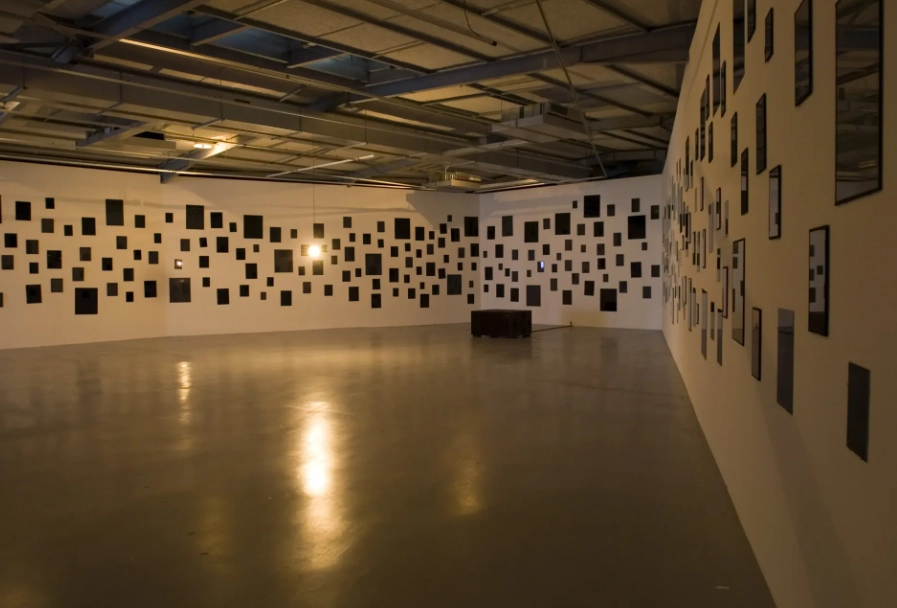
Teshima Yokoo House
Address: 405 Karato, Teshima
Hours: 10:00-17:00. Closed Tuesdays.
Ticket: ¥520. A wild, colorful contrast to the minimalism elsewhere. It's a renovated old house filled with psychedelic art by Tadanori Yokoo.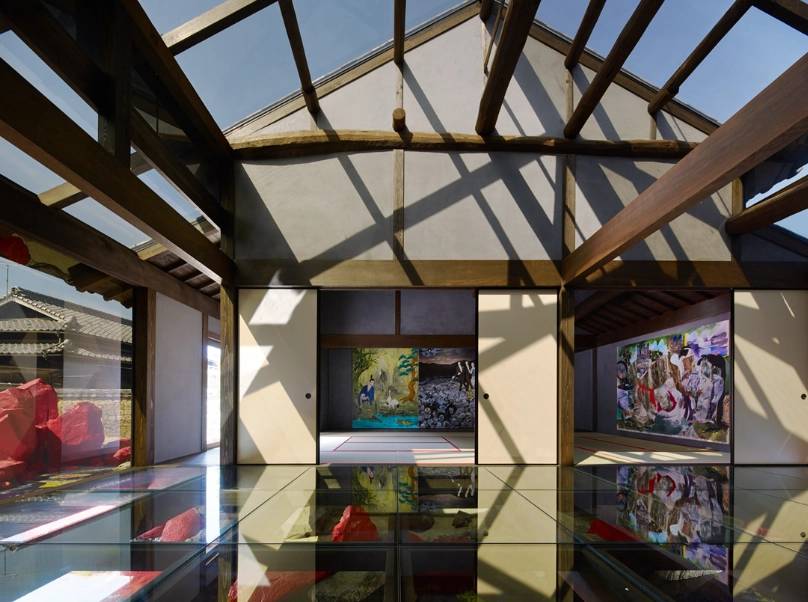
Inujima: The Compact Powerhouse
Inujima is small, quiet, and packs a punch. The main event is the Inujima Seirensho Art Museum (犬島精錬所美術館).
Address: 327-5 Inujima, Higashi-ku, Okayama 709-0805
Hours: 9:30-16:30 (Last entry 16:00). Closed Mondays (and Tuesdays if Monday is a holiday).
Ticket: ¥2,060. It's built within the ruins of a copper refinery. The fusion of decaying industrial structures, modern architecture, and environmental art is utterly unique. You can walk the whole island in a couple of hours.
Practical Info: Transport, Stay, Eat
Getting There & Around
| Route | Ferry Company / Type | Approx. Duration | Key Note |
|---|---|---|---|
| Takamatsu → Naoshima (Miyanoura) | Shikoku Kisen (Ferry) | 50 min | Most frequent service. |
| Uno (Okayama) → Naoshima (Miyanoura) | Shikoku Kisen (High-speed boat) | 25 min | Faster, more expensive. |
| Naoshima (Miyanoura) → Teshima (Ieura) | Naoshima Teshima Ferry | 25-35 min | Schedule is limited. Check times the day before. |
| Naoshima (Honmura) → Inujima | Chichuo Kisen | 20 min | Only a few trips per day. Plan meticulously. |
On the islands, rent bicycles. Naoshima has electric and regular bikes. On Teshima, get an e-bike. There are local buses, but they are infrequent.
Where to Stay
Benesse House on Naoshima is the iconic (and expensive) choice, allowing after-hours museum access. Book months ahead.
Tsutsuji-so Lodge in Miyanoura is a more affordable, basic option run by the municipality.
Guesthouses on Teshima, like Logs Teshima, offer a peaceful, immersive stay. Book early as options are few.
Food Notes
Restaurants are sparse and close early. On Naoshima, Mikazuki near Miyanoura port does good udon. The Shioya Diner is a cute lunch spot. On Teshima, the cafe at the Teshima Art Museum is good. Always carry snacks and water. Many places are cash-only.
Expert Tips & Tricks Most Guides Miss
1. Book ALL timed-entry tickets the moment your travel dates are set. This means Chichu, Teshima Art Museum, and maybe Minamidera. They sell out weeks, sometimes months, in advance, especially during the Setouchi Triennale (next in 2025). This is the single most important step.
2. Ferry schedules are gospel. Download the PDF timetables from the Shikoku Kisen and Naoshima Teshima Ferry websites. The last ferry back can be as early as 5 PM.
3. Pack for all weather. The Seto Inland Sea can be windy and rainy even on sunny days. A light rain jacket, hat, and sunscreen are mandatory. The islands have little shade.
4. Arrive at ports early for ferries. Bicycles go on first-come, first-served basis. If the bike rack is full, you wait for the next ferry.
5. Luggage lockers at Takamatsu and Uno ports are lifesavers. Travel light with a daypack. You can forward your main suitcase to your next destination via takkyubin (door-to-door delivery service).
6. The “Art Setouchi” multi-site passport is often not worth it for a short trip unless you plan to visit over 6+ paid sites. Do the math.

Share Your Thoughts