You know the feeling. A scene in an anime hits you so hard you pause it, zoom in, and think, "I need to be there." That quiet staircase, that busy intersection bathed in sunset light, that lonely vending machine on a hill—they feel too specific to be purely fictional. You're right. They often are.
This isn't just about pretty backgrounds. In Japanese animation, the practice of using real-world locations as direct references is called sakuga no moto, and it's a cornerstone of creating believable, emotionally resonant worlds. For fans, visiting these spots transforms watching into a tangible experience. It's called a seichi junrei—a sacred site pilgrimage.
But here's what most guides don't tell you: a successful pilgrimage isn't about checking locations off a list. It's about understanding the why behind the choice of place, and navigating the sometimes messy, always wonderful reality of finding them.
Your Quick Jump to Anime Pilgrimage Spots
What Makes an Anime Location Truly Iconic?
It's not just about being pretty. The best real-life anime locations share a few traits. They serve the story's mood—loneliness, nostalgia, anticipation. They have a distinct, reproducible visual signature (a specific angle of a staircase, the curve of a train track). And crucially, they feel accessible, like a place you could actually go.
Animation studios, particularly those like CoMix Wave Films (Makoto Shinkai's studio) or Kyoto Animation, often send staff on location scouting trips. They take thousands of photos, note the light at different times, and absorb the ambient sound. The goal is authenticity. When you visit, you're stepping into their reference folder.
This creates a unique feedback loop. The anime boosts tourism to a town, and the town often embraces it, putting up signs or selling special goods. It's a symbiotic relationship that turns anonymous streets into shared emotional coordinates for fans worldwide.
East Japan's Must-Visit Anime Landmarks
Tokyo and its surrounding areas are dense with iconic spots. The energy here is fast-paced, urban, and often tied to moments of connection or crossing paths.
The Stairs of Fate: Suga Shrine Steps (Your Name.)
Makoto Shinkai didn't just put a staircase in a random neighborhood. The Suga Shrine Steps in Shinjuku, Tokyo, were chosen for their specific gradient and the view they frame of the city skyline. The climax scene from Kimi no Na wa. (Your Name.) happens here, and visiting feels like participating in a collective cultural moment. You'll see fans patiently waiting their turn for the perfect shot, often at golden hour.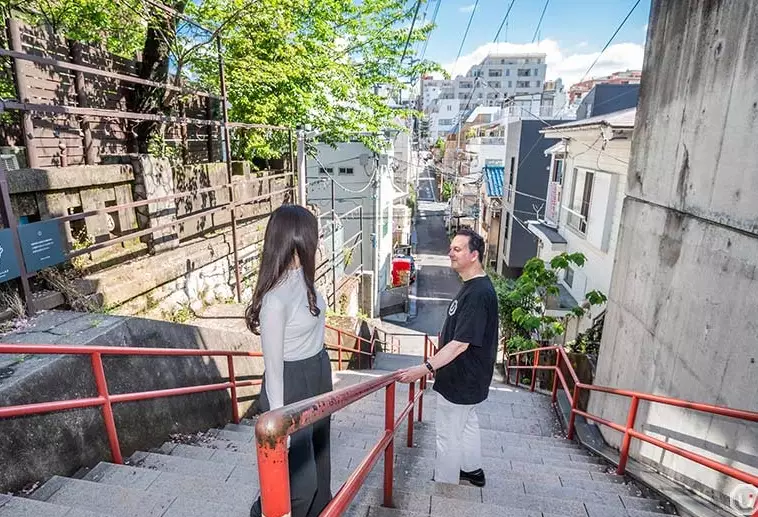
Visit Practicalities: It's a public staircase in a residential area. No ticket, no closing time. Be respectful of noise. The closest station is Yotsuya-sanchome Station on the Tokyo Metro Marunouchi Line. Walk 5 minutes. Pro tip: Go early in the morning if you want a photo without a queue. The surrounding Shinjuku area is worth exploring for other subtle Your Name. references.
The Crossroad of Adolescence: Kamakurakōkō-mae Station (Slam Dunk)
This is arguably the most famous single shot in anime pilgrimage history. The view of the Pacific Ocean framed by the crossing gates at Kamakurakōkō-mae Station in Kanagawa is the opening scene of Slam Dunk. It's pure, unadulterated nostalgia. The reality? It's an active, unmanned train crossing on the Enoshima Electric Railway. You have about 90 seconds between trains to get your shot, and there's often a line of people. It's chaotic, a bit stressful, but incredibly fun. The energy is electric.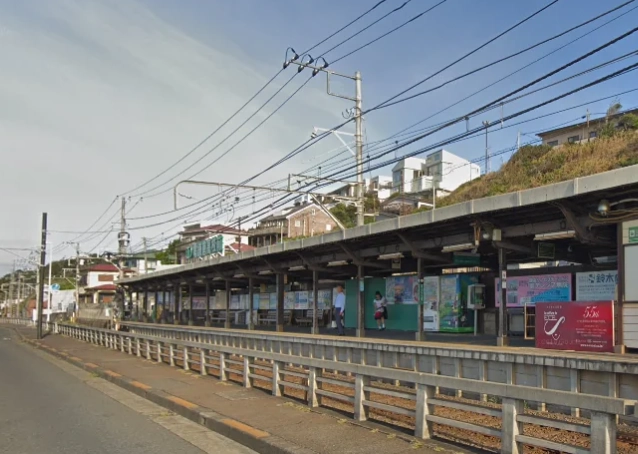
Visit Practicalities: Take the Enoden line from Kamakura or Fujisawa stations. Get a day pass. The station is right there. Trains come every 10-12 minutes. Please, for everyone's safety, do NOT stand on the tracks. The shot is taken from the sidewalk. The surrounding Shichirigahama beach area is beautiful for a walk.
West Japan's Serene & Spiritual Settings
Head west, and the vibe shifts. Locations here are often tied to nature, folklore, and a deeper sense of place. The pacing is slower, inviting contemplation.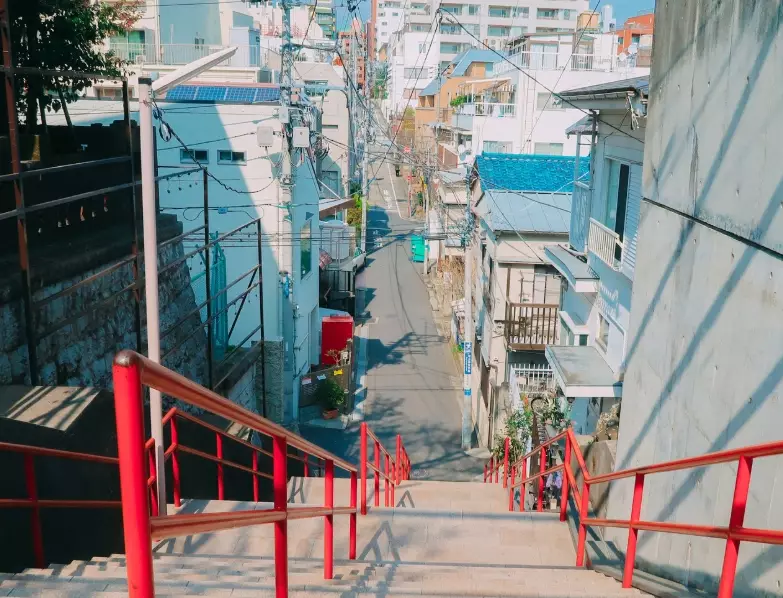
The Town Frozen in Time: Hida-Furukawa (Your Name. & More)
While Tokyo gets the climax, the soul of Your Name. is in the quiet, mountainous Gifu Prefecture. The town of Hida-Furukawa was meticulously recreated as the fictional "Itomori." Walking its canals and old streets feels like being inside the film. The local tourism office has a dedicated pilgrimage map. You can visit the library, the train station, and the exact spot where Mitsuha's family shrine once stood (now a parking lot with a commemorative sign). The authenticity is staggering.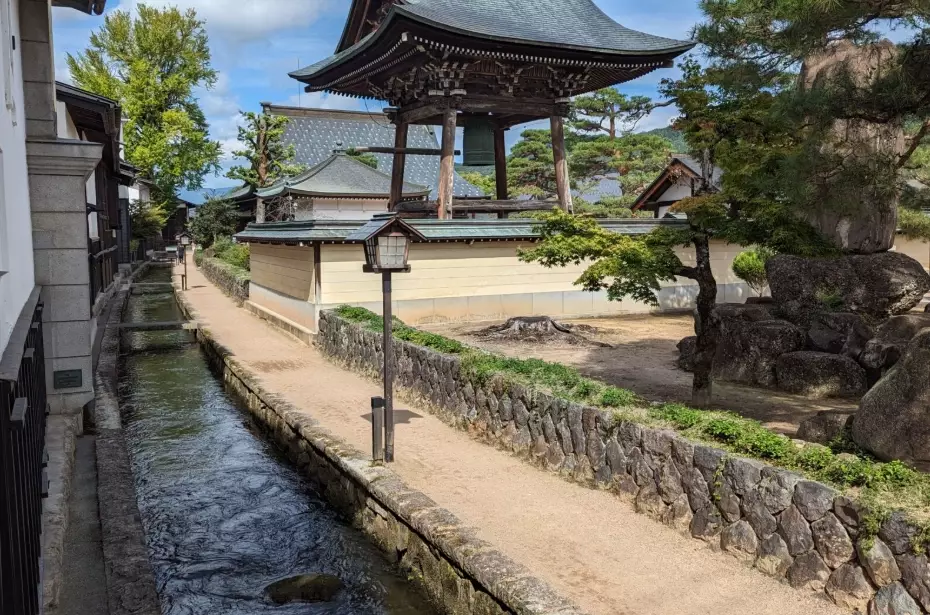
Visit Practicalities: From Tokyo, take the Hikari shinkansen to Nagoya, then transfer to the Wide View Hida limited express to Hida-Furukawa Station (about 4.5 hours total). The town is walkable. Spend a night in a local ryokan. The Hida region is also famous for beef—try it.
The Guardian's Home: Kumamoto Prefecture (夏目友人帳)
For a pilgrimage that feels like a healing journey, follow in the footsteps of Natsume from Natsume's Book of Friends. The anime is set in a fictional town but is overwhelmingly inspired by the lush, rural landscapes of Kumamoto Prefecture on Kyushu island. The production team conducted extensive location hunting here. The vibe isn't about one specific spot, but an atmosphere—dense forests, tranquil shrines, old Japanese houses. It's a pilgrimage of mood.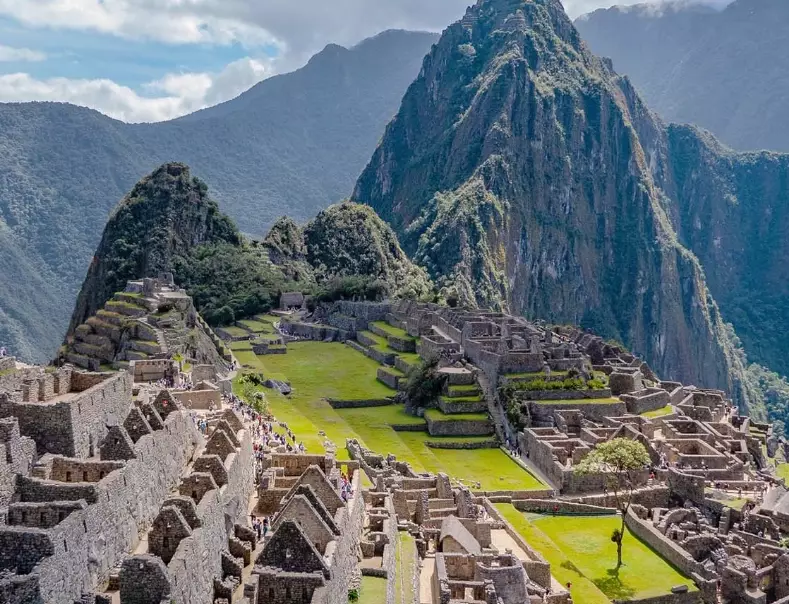
You can visit the Hitoyoshi City area, which inspired many background scenes. The local tourism association has created official "Natsume" pilgrimage guides. It's less about replication and more about immersion in the serene, slightly mystical countryside that defines the series' heart.
How to Plan Your Anime Pilgrimage Like a Pro
Anyone can follow a map. Planning a great pilgrimage requires a bit more finesse. Here’s a breakdown based on a decade of doing this.
| Anime & Scene | Real Location & Address | Access & Key Info | The Pro Pilgrim Tip |
|---|---|---|---|
| 5 Centimeters Per Second The cherry blossom viewing under the train tracks. |
Near Sanguubashi (参宮橋) Station, Shibuya, Tokyo. The specific crossing is on the Keio Line. | Walk from Sanguubashi Station (Keio Line). The spot is along the tracks in a residential neighborhood. No fee. | Visit in early April for cherry blossoms. The scene is about fleeting beauty, and timing is everything. The area is very quiet—be extra respectful. |
| Lucky Star Washinomiya Shrine and the protagonist's daily life. |
Washinomiya Shrine, 1-1 Washinomiya, Kuki City, Saitama Prefecture. | 30 min from Akabane Station (JR Keihin-Tohoku Line) to Washinomiya Station. Shrine is a 5-min walk. | This shrine became a pilgrimage site *because* of the anime. Check for special ema (votive plaques) and omamori (charms) featuring the characters. It's a perfect example of fan-location synergy. |
| The Garden of Words The rainy-season pavilion in Shinjuku Gyoen. |
Shinjuku Gyoen National Garden, 11 Naitomachi, Shinjuku City, Tokyo. | Open 9:00-16:30 (last entry). Closed Mondays. Entry fee: 500 yen. Access from Shinjuku-gyoemmae or Sendagaya stations. | Go on a rainy day. Seriously. The entire short film is about rain. You'll have the pavilion mostly to yourself and will experience the exact melancholic, lush atmosphere Shinkai animated. |
My personal rule? For every pilgrimage spot, I find one unrelated local thing to do—a cafe, a small museum, a park. It grounds the trip in the real place, not just its fictional counterpart. It also leads to unexpected discoveries.
Budget realistically. While most locations are free public spaces, travel costs add up. A trip to Hida-Furukawa is a significant expense compared to a Tokyo-based day trip. Prioritize based on emotional connection, not just fame.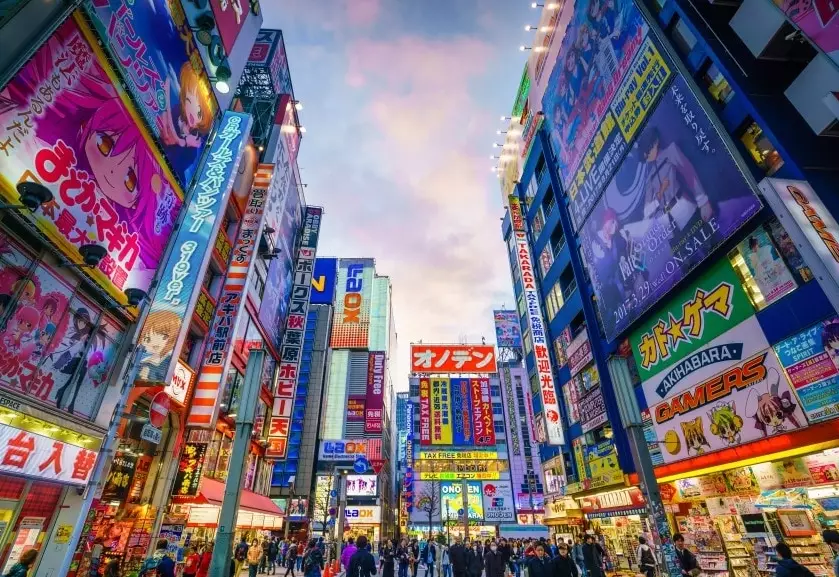
Your Anime Pilgrimage Questions, Answered
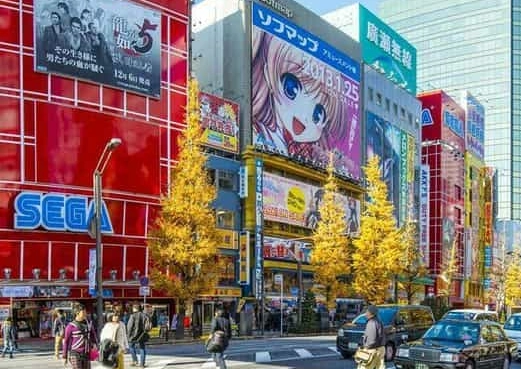
So, is it worth it? Standing on a windy platform in Kamakura, or finding that unmarked staircase in Shinjuku? Absolutely. It bridges the gap between the story in your heart and the world under your feet. It turns viewing into a conversation with the artists and the place itself. Start with the location that calls to you most, plan with respect, and go see the reality behind the sakuga.

Share Your Thoughts