Let's be honest. The idea of taking your kids to Japan can feel equal parts thrilling and terrifying. You picture serene temples, incredible food, and futuristic cities. Then you picture a toddler meltdown in the middle of Shibuya Crossing. I've been there. After multiple trips with my own children, from toddlers to tweens, I've learned that Japan isn't just tolerant of families—it's brilliantly designed for them. The secret isn't just picking "kid-friendly" spots; it's weaving Japan's unique rhythm into your family's pace.
Your Japan Family Adventure at a Glance
What to Do in Japan with Kids: Start With Their Age
Forget a one-size-fits-all list. A 4-year-old and a 12-year-old experience Japan completely differently. Here’s how to break it down.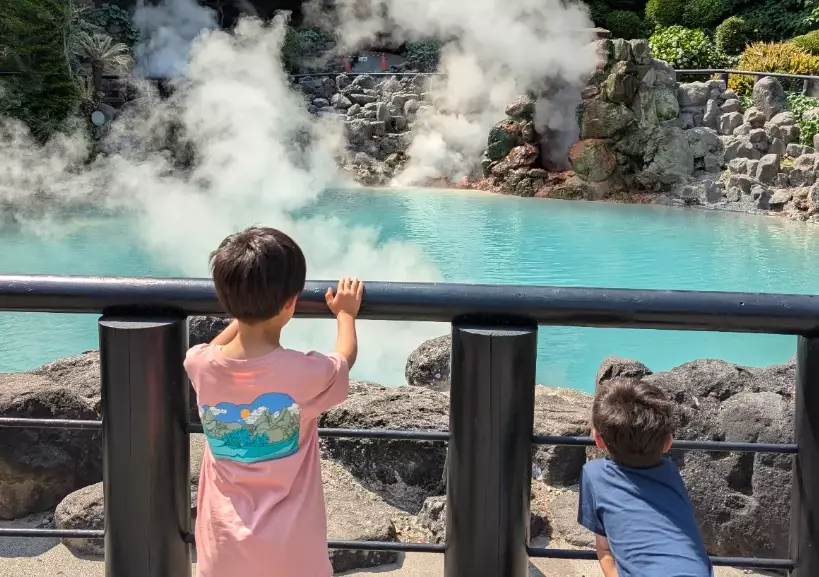
For Little Explorers (Ages 2-6)
This age group is all about sensory play and short attention spans. Your best bets are parks, interactive museums, and anything with animals. Avoid long queues at all costs.
Ueno Zoo (Tokyo) is an old-school classic. It's not the fanciest, but it's spacious, has pandas, and is right in Ueno Park—perfect for a post-zoo runaround. (Hours: 9:30 AM - 5:00 PM, Closed Mondays. Admission: ¥600 for adults, free for kids under 12).
Osaka Aquarium Kaiyukan is a showstopper. The central tank, housing a whale shark, will mesmerize everyone. The layout is a gentle spiral ramp, easy for strollers. (Hours: Vary, typically 10:00 AM - 8:00 PM. Admission: ¥2,700 adults, ¥1,400 ages 7-15, ¥700 ages 3-6).
Don't overlook department store rooftops. Places like Daimaru or Isetan often have small, free amusement parks or playgrounds with incredible city views. It's a lifesaver before naptime.
For Growing Adventurers (Ages 7-12)
Now you can tap into Japan's cool factor. Robotics, ninjas, and hands-on tech become major wins.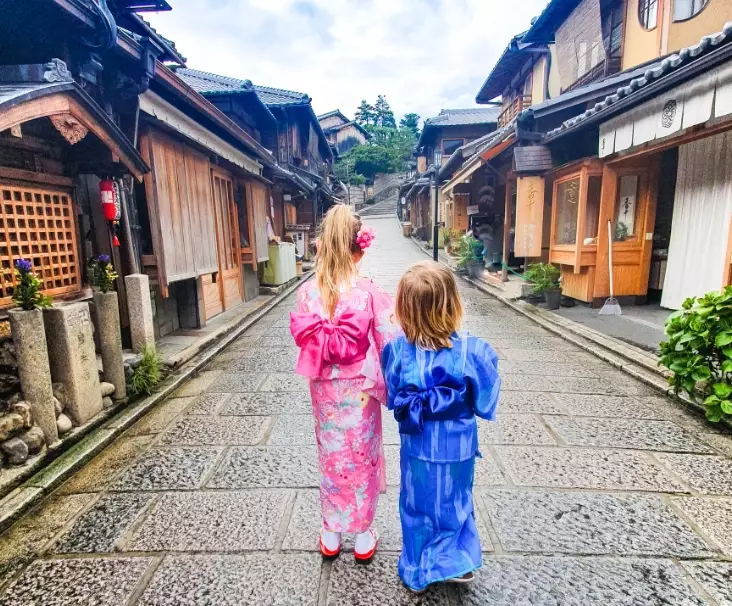
The teamLab Borderless/Planets digital art museums in Tokyo are pure magic. Kids can interact with every projection—walking through flower fields, kicking digital soccer balls. It's immersive play on a grand scale. Book tickets weeks in advance.
In Kyoto, the Ninja Dojo and Store (near Kiyomizu-dera) offers short, fun ninja training sessions. They learn to throw shuriken (blunt, safe stars) and move silently. It's cheesy in the best way and gives context to all the ninja souvenirs they'll beg for.
Railway Museums are phenomenal. The Kyoto Railway Museum lets kids drive train simulators and walk under a real Shinkansen. The SCMaglev and Railway Park in Nagoya is another top choice for train-obsessed kids.
Pro Tip Most Blogs Miss: The biggest challenge with young kids isn't finding activities—it's transit fatigue. A 15-minute walk from your train platform to the station exit is normal. Factor this in. Sometimes, one fantastic, deep experience near your hotel is better than two rushed attractions across the city.
Top Kid-Friendly Destinations in Japan's Major Cities
Here’s a quick-hit list of the most reliable, crowd-pleasing spots in each major hub. I've included the practical details you need to plan.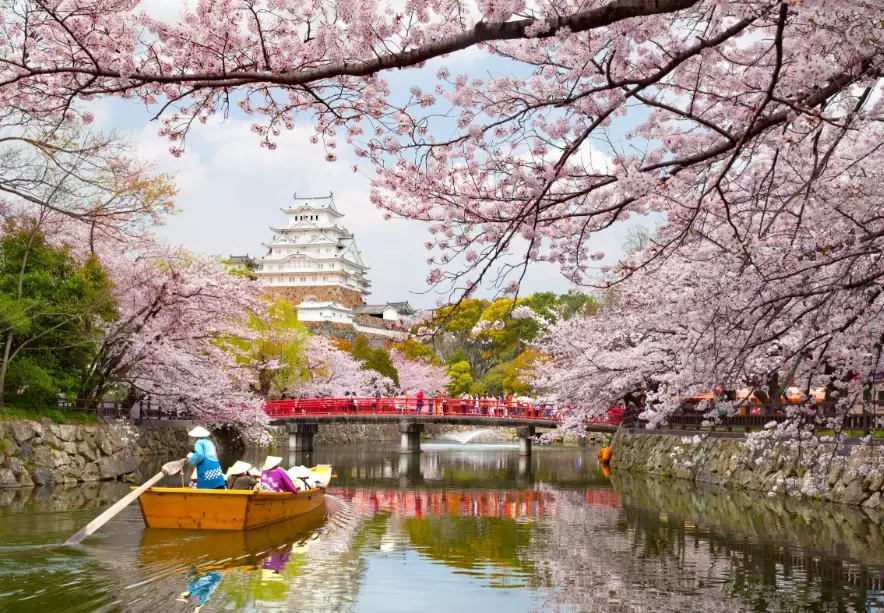
| City | Top Spot for Kids | Why It Works | Key Info (Address, Hours, Cost) |
|---|---|---|---|
| Tokyo | Tokyo Disneyland & DisneySea | Familiar magic with unique Japanese twists. DisneySea is unlike any other Disney park globally. | 1-1 Maihama, Urayasu, Chiba. Opens 8/9 AM, closes 9/10 PM. 1-Day Pass: ~¥8,200-9,400 adult, ~¥4,900-5,600 child (4-11). |
| Tokyo | Ghibli Museum | A whimsical, artistic wonderland for Studio Ghibli fans. No set route—just explore. | 1-1-83 Shimorenjaku, Mitaka. 10 AM - 6 PM, closed Tuesdays. MUST book online months ahead. ¥1,000. |
| Kyoto | Monkey Park Iwatayama | A short hike leads to wild monkeys roaming freely. You feed them from inside a cage—a role reversal kids adore. | Arashiyama. 9 AM - 4/5 PM (seasonal). ¥600 adults, ¥300 kids (4-15). |
| Osaka | Universal Studios Japan | Super Nintendo World is a game-changer. Requires a timed entry ticket (get it via the app ASAP). | 2-1-33 Sakurajima, Konohana-ku. Hours vary. 1-Day Pass: ~¥9,800 adult, ~¥6,400 child (4-11). |
| Hakone | Hakone Open-Air Museum | Massive sculptures kids can touch and climb on, plus a dedicated Picasso pavilion and a foot-on hot spring. | 1121 Ninotaira, Hakone. 9 AM - 5 PM. ¥1,600 adult, ¥800 child (under 15). |
My personal take? Tokyo Disney Resort is fantastic, but it's crowded. If your kids are young and easily overwhelmed, consider a smaller-scale alternative like Sanrio Puroland (the Hello Kitty indoor theme park) for a more manageable day.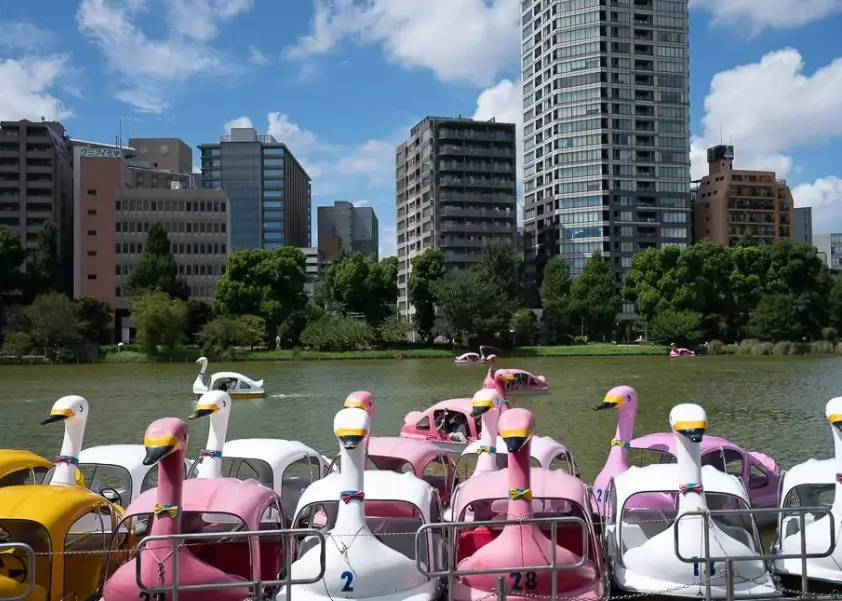
Making Japanese Culture an Adventure (Not a Lecture)
You want them to remember more than just theme parks. Here’s how to make temples, shrines, and traditions engaging.
The Goshuin (Temple Stamp) Treasure Hunt: This is my number-one tip. Buy a blank notebook (goshuinchō) at your first major temple. At each subsequent shrine or temple, look for the office (shuinjo) and pay ¥300-500 for a priest to hand-paint a beautiful, unique calligraphy stamp. Kids get obsessed with collecting them. It gives them a mission at every cultural stop.
Fushimi Inari (Kyoto) at Kid-Pace: Don't feel pressured to hike all the way up. The base is a mesmerizing tunnel of thousands of orange torii gates. Let them run ahead (safely) and explore the side paths. The higher you go, the fewer people—but even just the first 15 minutes are spectacular.
Wear a Kimono: In Kyoto's Gion district or Asakusa in Tokyo, rental shops offer kids' sizes. Dressing up transforms a temple visit into a photo adventure. They feel part of the scene.
Navigating Food with Kids in Japan
The food scene is a highlight, not a hurdle. Even picky eaters can find joy.
Izakayas (Japanese pubs) are surprisingly great for families early in the evening. Order small plates like yakitori (chicken skewers), edamame, tamagoyaki (sweet omelette), and fried chicken (karaage). It's relaxed and lets kids try bits of everything.
Convenience Stores (Konbini) are your best friend. 7-Eleven, FamilyMart, and Lawson have healthy onigiri (rice balls), sandwiches, yogurt, fruit, and steamed buns. Perfect for breakfast in the hotel room or a picnic lunch in a park.
Ramen shops with ordering machines are perfect. You point, get a ticket, and hand it to the chef. No language barrier. Most places have shio (salt) or shoyu (soy) broth which is milder than tonkotsu. Ask for yawarakame (soft noodles) for little ones.
One warning: Many smaller, traditional restaurants don't have high chairs. Baby-wearing carriers are invaluable for infants. For toddlers, we often sought out larger, modern chain restaurants or department store food halls (depachika) which are incredibly family-friendly.
The Practical Survival Guide: Strollers, Trains & More
This is where most family trips live or die. Let's get tactical.
Strollers: Bring a lightweight, umbrella-style stroller that folds easily. You will need to fold it on crowded trains and buses. Many stations have elevators, but they can be tucked away. Staircases are everywhere. A carrier for infants/toddlers is non-negotiable as a backup.
The Japan Rail Pass Debate: For a multi-city trip (e.g., Tokyo-Kyoto-Hiroshima), it's usually worth it for adults. For kids 6-11, you must buy a child's pass. Kids under 6 ride free on your lap. The real value for families is flexibility. Miss a train? No problem. Take the next one. That peace of mind is priceless when juggling naps and moods.
Baby Facilities: Japan excels here. Every department store, mall, and major station has impeccable nursing rooms (ikuji shitsu) with hot water dispensers, changing tables, and private booths. Don't struggle—head to the nearest big station.
Packing List Add-Ons: Bring children's pain reliever/fever reducer you trust. While Japanese pharmacies (drugstores) are amazing, finding the exact brand/dosage you know can be stressful at 2 AM. Also, pack a few familiar snacks for the first day or two as a comfort food bridge.
Japan with kids is an investment in wonder. It's watching their eyes light up at a robot show, seeing them master chopsticks for the first time over a bowl of ramen, and collecting those colorful temple stamps together. Plan for pace, not just places. Embrace the convenience stores, use the fantastic transit, and don't try to do it all. The magic is in the moments you can't schedule—like chasing bubbles from a street performer in Harajuku or sharing a giant taiyaki fish cake by a castle moat. You've got this.




Share Your Thoughts