Your Ski Cost Navigator
You see the pictures. Perfect, fluffy powder snow. Endless tree runs. Cozy onsens with steamy outdoor baths. Hokkaido is a skier's dream, no question. But then you start planning, and the big question hits you: is skiing in Hokkaido cheap? Or is it just another luxury destination that'll drain your savings?
I've been there. I've planned that trip, stared at the flight prices, compared hotel rates in Niseko to a month's rent back home, and wondered if I needed a second job. The short, honest answer? It's complicated. Calling it "cheap" might be a stretch, but calling it "impossibly expensive" isn't fair either. It's all about perspective, timing, and knowing where your money goes—and where you can save it.
See, the cost of skiing in Hokkaido isn't one number. It's a puzzle. The flight from your country is one piece. The ski pass is another. Then there's where you sleep, what you eat, how you get around, and whether you need to rent every single piece of gear. Some folks blow their budget on a fancy hotel right at the gondola. Others find a tiny guesthouse a bus ride away and live on convenience store rice balls (which, by the way, are delicious). The total cost can be double or half, depending on you.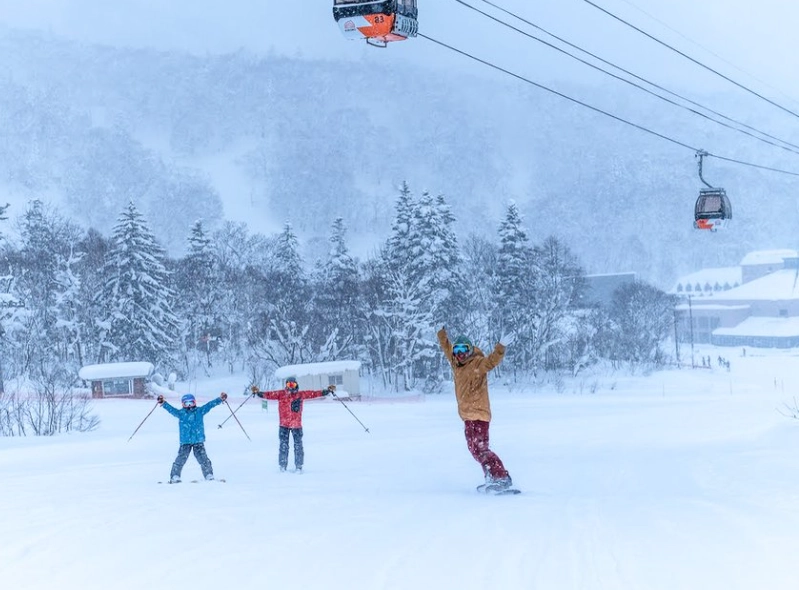
So, let's stop with the vague "it depends" and actually break it down. I'm going to walk you through the real costs, from the non-negotiable big tickets to the little daily expenses that add up. We'll look at different resorts (because Niseko and Furano are worlds apart price-wise), different travel styles, and the sneaky things that can wreck your budget. By the end, you'll have a clear picture of what you're in for and a bunch of practical tips to make your Hokkaido ski trip more affordable. Let's dive in.
The Big Picture: What Really Drives the Cost of a Hokkaido Ski Trip?
Before we get into yen and cents, you need to understand the factors that make the price swing so wildly. It's not just about the resort. It's about a combination of things, some within your control, some not.
1. The Resort's Reputation (and International Crowd)
This is the biggest divider. Niseko United is the international superstar. It's where you'll hear more English and Australian accents than Japanese on some lifts. That global demand has pushed prices for everything—accommodation, restaurants, even a beer—to levels that can rival top North American or European resorts. Then you have places like Rusutsu or Kiroro, which are still popular but a notch down in price. Go further off the beaten path to a local favorite like Tomamu, Furano, or Sahoro, and you'll feel your wallet relax a bit. The trade-off? Maybe fewer English signs, but also fewer crowds and a more authentic vibe.
2. The When: Peak Season vs. Shoulder Season
Timing is everything. The Christmas/New Year period (late Dec to early Jan) and Chinese New Year (dates vary, usually Jan/Feb) are absolute peak. Prices are at their highest, and everything books out months in advance. Want a deal? January (after New Year) and March are often considered shoulder or value seasons. The snow is still great, especially in March when you get longer days and softer spring snow, but accommodation can be 30-40% cheaper. I went in early March once, and it was brilliant.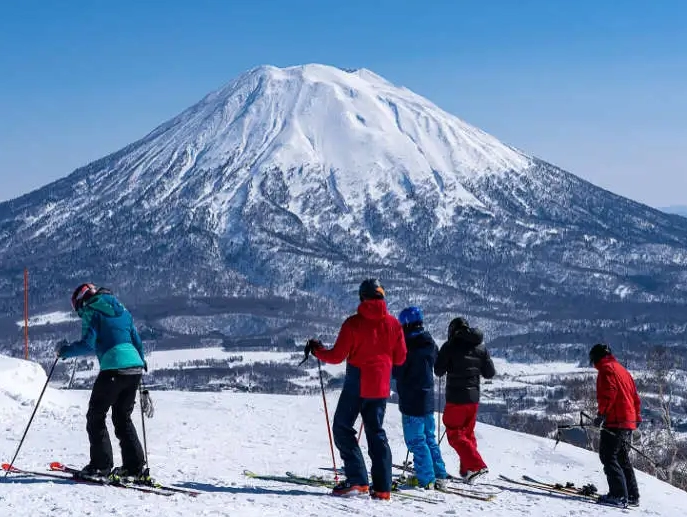
3. The Weak Yen: Your Secret Weapon
This is a huge one for international visitors. As of now, the Japanese Yen is historically weak against currencies like the US Dollar, Euro, and Australian Dollar. What does this mean? Your money goes further once you're in Japan. A 10,000 yen meal feels a lot less painful when it's only 65 USD instead of 90. This exchange rate advantage can significantly offset the seemingly high local prices. Always check the current rate when budgeting—it can change the whole equation.
4. Your Travel Style: Luxury vs. Local Experience
This is the part you control. Are you looking for a ski-in/ski-out Western-style condo, fine dining every night, and private transfers? Or are you happy with a simple Japanese-style pension, grabbing meals from the supermarket or local ramen shops, and riding the local shuttle bus? The difference in daily spend between these two styles can be astronomical. The beauty of Japan is that both experiences are available, and the "local" option is often incredibly comfortable, clean, and satisfying.
So, is skiing in Hokkaido cheap? Not inherently. But is it possible to do it on a reasonable budget? Absolutely, if you make conscious choices.
Breaking Down the Costs: A Line-by-Line Look
Let's put some numbers on the table. These are approximate ranges in Japanese Yen (JPY) and US Dollars (USD, based on a rough 1 USD = 155 JPY). Remember, these are estimates for a mid-range traveler, not the bare minimum or the top luxury.
Estimated Daily Cost Per Person (Mid-Range)
This assumes you're staying at a mid-range hotel or pension, eating a mix of meals out and self-catered, and using resort shuttles.
- Mid-Range Accommodation: ¥15,000 - ¥25,000 ($97 - $161)
- Lift Ticket: ¥7,000 - ¥9,000 ($45 - $58)
- Food & Drink: ¥5,000 - ¥8,000 ($32 - $52)
- Ski Gear Rental (Full Package): ¥5,000 - ¥7,000 ($32 - $45)
- Local Transport/Shuttles: ¥1,000 - ¥2,000 ($6 - $13)
- Daily Total (Approx.): ¥33,000 - ¥51,000 ($213 - $329)
For a 7-day trip, you're looking at a base cost of ¥230,000 to ¥360,000 ($1,480 - $2,320) before flights and airport transfers.
Now, let's zoom in on each major cost category.
Lift Tickets: The Price of Play
Compared to many large North American resorts, Hokkaido lift tickets can actually be a pleasant surprise. A single-day adult pass rarely cracks the ¥10,000 mark, even at the big names.
| Resort Area | 1-Day Adult Ticket (Approx.) | Notes & Value Tips |
|---|---|---|
| Niseko United | ¥8,500 - ¥9,500 | Most expensive. Look for multi-day passes (4+ days) for a discount. Early bird online purchases can save 10-15%. |
| Rusutsu Resort | ¥7,500 - ¥8,500 | Often cheaper than Niseko. Check for package deals that include lift tickets with accommodation. |
| Furano Ski Resort | ¥5,500 - ¥6,500 | Significantly cheaper. Offers a great, less crowded alternative with good terrain. |
| Tomamu Ski Resort | ¥6,500 - ¥7,500 | Frequently includes access to the famous indoor wave pool "Mina Mina Beach." |
| Kiroro Resort | ¥7,000 - ¥8,000 | Good value for the snow quality and terrain. Less crowded than Niseko. |
The key here is to always buy multi-day passes if you're skiing consecutive days. The per-day price drops significantly. Also, book online in advance if possible—resort websites often have a slight discount for e-tickets.
Accommodation: Your Biggest Variable
This is where budgets are made or broken. The rule of thumb: proximity to the lifts equals premium pricing.
- Ski-in/Ski-out in Niseko Hirafu: Can easily be ¥40,000 - ¥80,000+ per night for a 2-bedroom condo. It's the ultimate convenience, but you pay for it.
- Western Hotel in Resort Town: A room in a hotel like The Vale or similar in Niseko might run ¥25,000 - ¥50,000 per night. Includes amenities but at a high cost.
- Japanese Pension or Guesthouse: My personal favorite for value. You can find fantastic, family-run places for ¥12,000 - ¥20,000 per person per night, including breakfast and sometimes dinner. They're often a short walk or shuttle ride from the slopes and offer a warm, authentic experience. Websites like Japanican or even Booking.com are good for these.
- Hostel or Capsule Hotel: For the ultra-budget traveler, options exist from ¥5,000 - ¥10,000 per night. You'll sacrifice space and privacy, but it gets you on the mountain.
Food & Drink: From Conveyor Belt Sushi to Fine Dining
You can eat like a king or a college student in Hokkaido, and both are delicious.
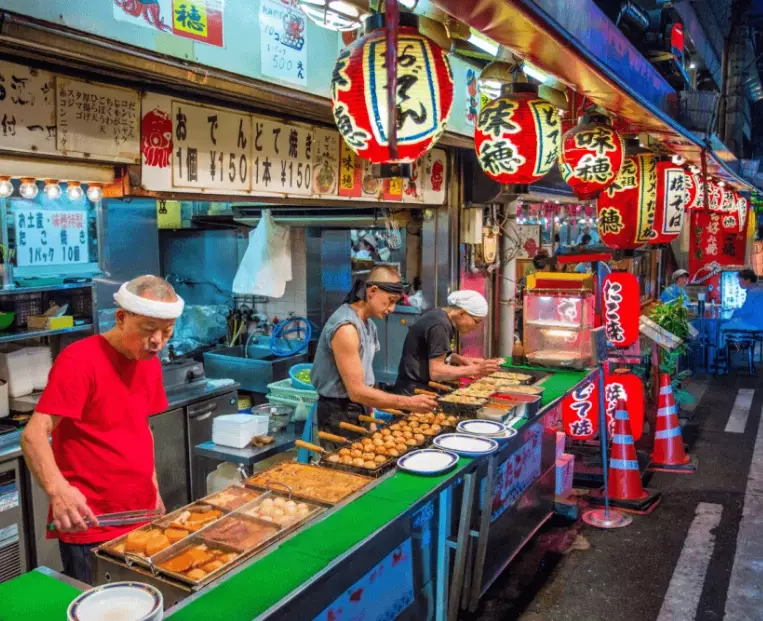
If you're trying to save, Japan is your friend. Convenience stores (7-Eleven, Lawson, FamilyMart) are lifesavers. Their quality is unbelievable—fresh onigiri (rice balls), sandwiches, salads, and hot snacks like fried chicken are tasty and cost between ¥200-¥500 each. A lunch from a conbini can be under ¥800. Supermarkets in the evening often have discounted prepared meals and sushi.
For sit-down meals:
- Ramen or Donburi (rice bowl) shop: ¥800 - ¥1,200 for a hearty, delicious meal.
- Local Izakaya (pub): ¥2,500 - ¥4,000 for shared small plates and a drink.
- Mid-range Restaurant: ¥3,000 - ¥6,000 for a set meal.
- High-end or Western-style dining in Niseko: ¥8,000 - ¥15,000+ per person. This is where budgets can blow out quickly.
Drinks: A beer in a restaurant is ¥600-¥900. Buy it from a supermarket, and it's ¥200-¥300. Big difference.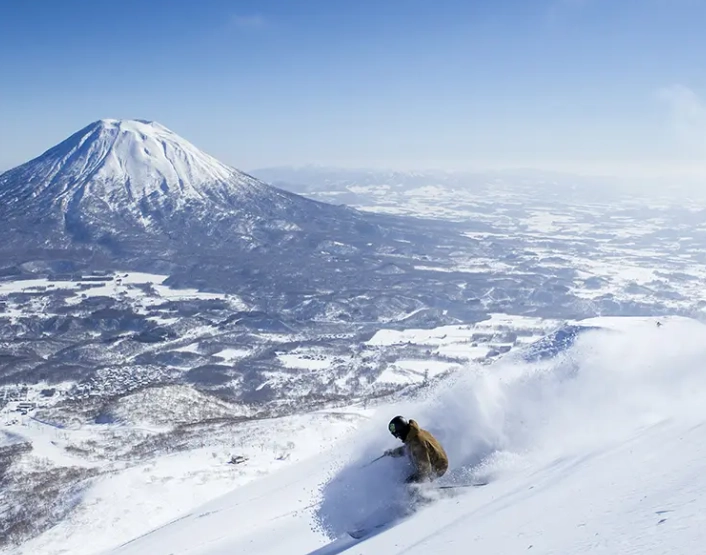
Gear Rental: To Bring or Not to Bring?
Flying with ski gear is a hassle and often costs extra with airlines. Renting in Hokkaido is extremely convenient, and the gear is usually high-quality and well-maintained.
Standard rental packages (skis/board, boots, poles) range from ¥4,000 to ¥7,000 per day, but multi-day rentals are much better value (e.g., 3 days might cost ¥15,000). Premium performance gear will cost more. Shops like Rhythm Japan (in Niseko and other locations) are popular with foreigners and offer online booking discounts.
If you have your own well-fitting boots, bringing just those and renting skis/board can be a good middle ground.
Resort Showdown: Comparing the Cost of Skiing in Hokkaido
Let's make this practical. Where should you go if cost is a major concern? Here’s a quick comparison of the major players, from highest to lowest typical cost.
Those who want a seamless Western-style experience, vibrant apres-ski, and guaranteed social scene.
Families (tons of non-ski activities) and tree-skiing enthusiasts seeking great snow with slightly smaller crowds.
Powder hounds who prioritize snow quality over a big village atmosphere.
Families and first-timers who appreciate modern amenities and non-ski attractions (ice village, wave pool).
Skiers who want a more authentic Japanese town experience, good varied terrain, and better value.
Adventurous travelers on a tight budget who don't mind figuring things out and immersing in local culture.
| Resort | Cost Vibe | Why It Costs What It Does | Best For... |
|---|---|---|---|
| Niseko United | $$$$ (Premium) | Global reputation, massive foreign investment, high demand from international tourists, extensive English services. | Those who want a seamless Western-style experience, vibrant apres-ski, and guaranteed social scene. |
| Rusutsu Resort | $$$ (Upper Mid-Range) | Popular with international visitors but slightly more isolated. The huge, all-in-one hotel complex sets the price. | Families (tons of non-ski activities) and tree-skiing enthusiasts seeking great snow with slightly smaller crowds. |
| Kiroro Resort | $$$ (Upper Mid-Range) | Fantastic snow and terrain, growing in popularity. Accommodation options are more limited, keeping prices firm. | Powder hounds who prioritize snow quality over a big village atmosphere. |
| Tomamu | $$ (Mid-Range) | Modern, family-oriented resort run by Hoshino Resorts. Efficient but can feel a bit "packaged." Good value packages available. | Families and first-timers who appreciate modern amenities and non-ski attractions (ice village, wave pool). |
| Furano | $$ (Value Mid-Range) | Famous in Japan, less so internationally. A proper Japanese town at the base, not a purpose-built tourist village. | Skiers who want a more authentic Japanese town experience, good varied terrain, and better value. |
| Sahoro, Kamui, etc. | $ (Budget-Friendly) | Local gems. Fewer foreign visitors, minimal English, but incredibly friendly and affordable. | Adventurous travelers on a tight budget who don't mind figuring things out and immersing in local culture. |
See the pattern? As you move away from the Niseko bubble, prices get more reasonable. The question, "Is skiing in Hokkaido cheap?" has a different answer in Furano than it does in Niseko.
Your Action Plan: How to Save Money on a Hokkaido Ski Trip
Okay, enough analysis. Here’s what you can actually do to keep costs down.
Top 5 Money-Saving Strategies
- Travel in Shoulder Season (Jan post-New Year, March): This is the single most effective move. Flights and accommodation prices drop significantly. March offers longer, sunnier days.
- Choose Your Resort Wisely: Seriously consider Furano, Tomamu, or even smaller areas like Sahoro. The snow is still fantastic, and you'll get more for your yen.
- Book a Package: Sometimes, tour operators or the resorts themselves offer flight + hotel + lift ticket bundles that are cheaper than booking separately. Shop around. The official Tomamu site or skiJapan.com are good starting points.
- Embrace Self-Catering: Book accommodation with a kitchenette. Have breakfast in your room, make a packed lunch, and only eat out for dinner. Hokkaido supermarkets are amazing—seafood, produce, everything.
- Use Public Transport: The resort shuttle buses are usually free or very cheap. The public bus from Sapporo to Niseko (the Hokkaido Resort Liner) is far cheaper than a private transfer. Plan your trip around the bus schedules.
More Nitty-Gritty Tips
- Lift Tickets: Buy online in advance. Look for multi-mountain passes if you plan to visit different areas. The "Hokkaido Powder Pass" used to be a thing—check if similar multi-resort deals exist for your season.
- Gear: Book rentals online for a discount. If you're staying multiple days, ask for a "long-term rental" rate, which is often not advertised online but offered in person.
- Souvenirs: Don't buy them at the resort gift shop. Hit up a Don Quijote (discount store) in Sapporo on your way to the airport for wild gifts and snacks at half the price.
Common Questions About the Cost of Skiing in Hokkaido
Let's tackle some specific things people worry about.
So, is skiing in Hokkaido cheap? Let's be real, probably not.
But is it worth every yen for an unforgettable adventure? For most people who make the journey, the answer is a definitive yes. The key is to go in with your eyes open. Know that Niseko is the priciest playground. Understand that a little flexibility on dates and location can save you a fortune. Embrace the local ways of eating and traveling.
Budget for the experience you want. If you dream of that perfect powder turn through silent birch trees followed by a steaming bowl of ramen and a soak in an outdoor onsen, start saving. With some smart planning, that dream trip might be closer than you think. The memory of Hokkaido's famous “Japow” will stick with you long after you've forgotten the price of the lift ticket.
Now, go check those flight prices for March.


Share Your Thoughts