You're standing in front of a skeletal ruin, its iron frame twisted skyward against a clear blue. This is the Hiroshima Peace Memorial, often called the Genbaku Dome or A-Bomb Dome. It's not just a building. It's a question, a challenge to memory, and a silent scream against oblivion. If you're asking "What is the Hiroshima Peace Memorial?" you're already stepping onto the path of one of the most profound journeys a traveler can take.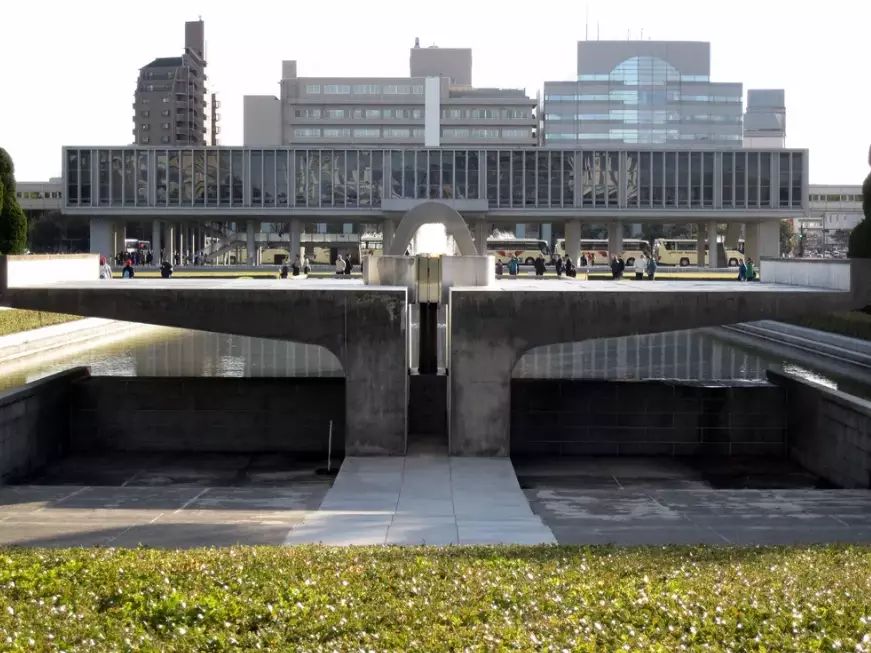
This isn't a typical tourist attraction. It's a visceral encounter with history, a place where the abstract concept of nuclear war becomes painfully, undeniably concrete. The Hiroshima Peace Memorial Park centers around the preserved ruins of the Hiroshima Prefectural Industrial Promotion Hall, the building closest to the hypocenter of the first atomic bomb detonation that remained partially standing. The Genbaku Dome is the keystone, but the park is a constellation of monuments, museums, and personal stories woven into the fabric of a city reborn.
Most visitors arrive with a somber expectation. They leave with something more complex: a clarified perspective, a heavy heart, and often, a renewed commitment to the park's central plea—peace. This guide will walk you through not just the logistics of a visit, but the meaning behind the stillness, the stories in the stones, and how this place continues to shape our global conversation.
What You'll Find in This Guide
- The Unthinkable Morning: Origins of the Hiroshima Peace Memorial
- A Ruin Preserved: The Architecture and Symbolism of the Genbaku Dome
- Planning Your Visit: Practical Information and How to Get There
- At the Heart of the Park: Key Monuments and Their Stories
- Beyond the Ruins: The Memorial's Evolving Message for a New Era
- Your Questions Answered: Hiroshima Peace Memorial FAQ
The Unthinkable Morning: Origins of the Hiroshima Peace Memorial
At 8:15 AM on August 6, 1945, the world shifted. The atomic bomb "Little Boy" detonated approximately 600 meters above the Shima Surgical Clinic, a stone's throw from the Genbaku Dome. In a flash, the city of Hiroshima was transformed. The dome-shaped building, originally the Hiroshima Prefectural Industrial Promotion Hall, was one of the few structures near the hypocenter to partially withstand the blast. Its skeleton remained, a stark silhouette against the flattened city.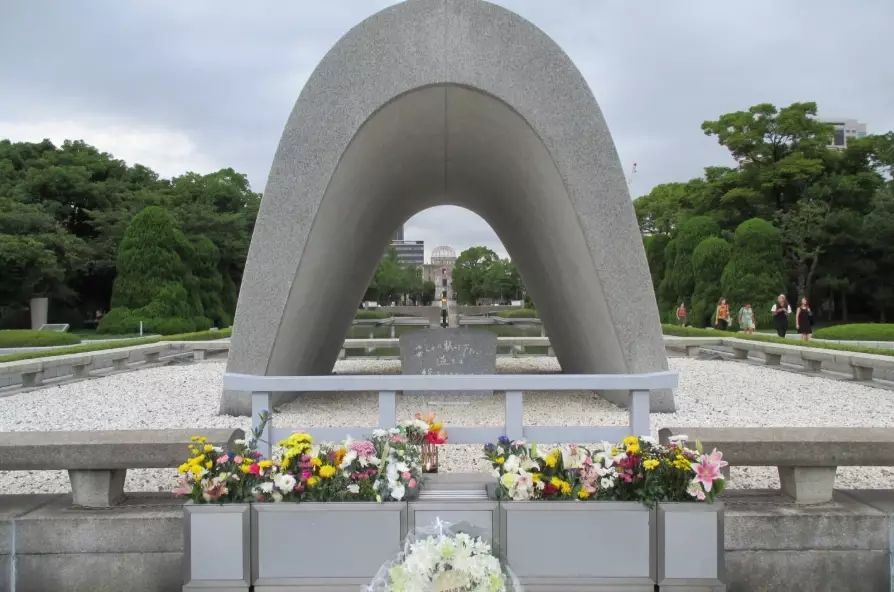
The decision to preserve the ruin, rather than demolish it, emerged from a fierce debate. Some saw only a painful eyesore. Others recognized a raw, undeniable truth—a physical testament that needed to stand. In 1966, the city council made its choice. The Genbaku Dome would be preserved in its post-blast state, a permanent relic and a bold, unsettling warning. It became the central artifact of the Hiroshima Peace Memorial Park, established in 1954.
The transformation of the area from epicenter to epicenter of peace is a story of civic will. The park wasn't built on a blank slate. It was built on ashes, on memories, on the stubborn refusal of a city and its people to let the story end there. Every path, every stone, every tree planted later was a deliberate act of remembrance and a stubborn act of hope.
Why the Dome Survived
The Dome's relative survival is a chilling lesson in physics. The bomb detonated almost directly above it. The vertical force of the blast, rather than hitting the building sideways, compressed the structure downward. The thick concrete walls and steel frame, though damaged, held. It's a morbid irony that the building's then-modern design contributed to its persistence as a symbol. It stands not as a testament to strength, but as evidence of a force that could twist solid steel, a permanent query about what humanity builds and what it can destroy.
A Ruin Preserved: The Architecture and Symbolism of the Genbaku Dome
Look at the Genbaku Dome. Really look. The first thing you notice is the skeleton. The stripped metal frame, the missing walls, the hollow dome that seems to float above the crumbling brick. This is not a ruin in the romantic sense. It's a fossil of a specific moment, a snapshot of violence frozen in steel and concrete.
The original building, completed in 1915, was a striking example of European architecture in Japan. Its designer, Czech architect Jan Letzel, incorporated brick and steel in a way that, horrifically, proved more resilient to an atomic blast than surrounding structures. The preservation process has been a meticulous, ongoing science. The goal is not restoration, but stabilization—to let the ruin speak for itself without succumbing to time and weather.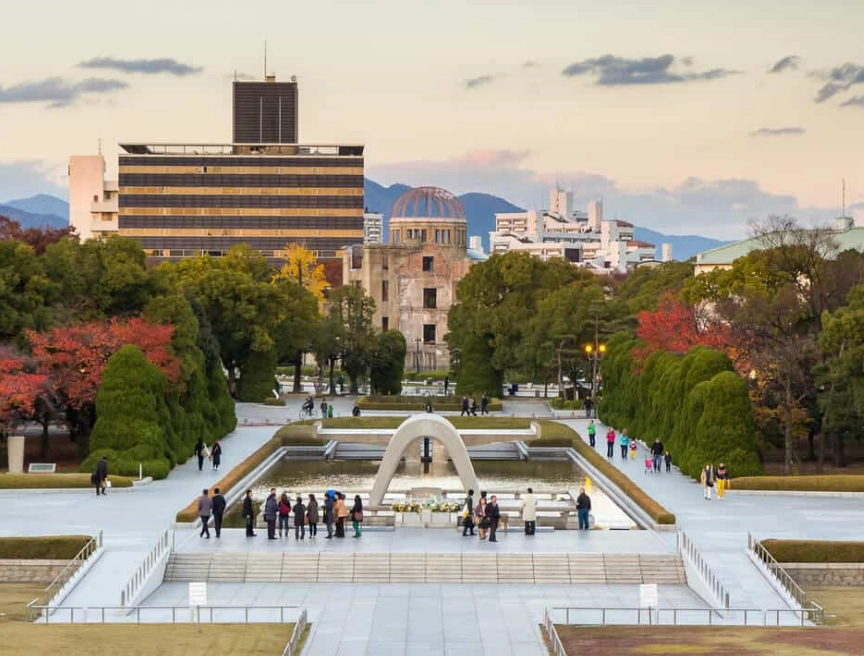
Symbolism here is not subtle, nor should it be. The empty dome frames the sky, a literal window into the emptiness left by the bomb. It's a symbol of loss, obviously. But also of what remains. The building was a workplace, a hub of industry and governance. Its destruction is a reminder of the fragility of human systems. Its persistence is a reminder of human resilience.
Walking around the dome, you'll see explanatory plaques. They're factual, stark. They tell you about the blast direction, the force, the temperatures. The most powerful thing they don't do is tell you how to feel. That's up to you. Some visitors cry. Some stand in silence for a long time. Some take photos with a kind of reverence, a recognition that they are documenting something that must never be forgotten.
Planning Your Visit: Practical Information and How to Get There
Let's get practical. A visit to the Hiroshima Peace Memorial requires more than just showing up. It requires a mindset of respect and a bit of logistical planning.
| Key Information | Details |
|---|---|
| Location | 1-2 Nakajimacho, Naka Ward, Hiroshima, 730-0811, Japan. The park is centrally located, easily accessible from Hiroshima Station. |
| Opening Hours | The park is open 24 hours. The Hiroshima Peace Memorial Museum is typically open from 8:30 AM to 6:00 PM (until 7:00 PM in August). Last entry is 30 minutes before closing. Closed December 30 - January 1. |
| Admission Fee | Park: Free. Museum: 200 yen for adults, discounts for students and groups. |
| Getting There | From Hiroshima Station, take the Hiroshima Electric Railway (tram) to Genbaku Dome-mae or Hondori stations. It's about a 15-minute ride. Alternatively, it's a pleasant 20-25 minute walk. |
| Best Time to Visit | Early morning or late afternoon to avoid crowds. The annual Peace Memorial Ceremony on August 6 is profoundly moving but exceptionally crowded. |
| Accessibility | The park is largely flat and paved, with wheelchair-accessible paths. The museum is fully accessible. |
| Time Required | Minimum 2-3 hours for a respectful visit. Many visitors spend half a day or more. |
Getting off the tram at Genbaku Dome-mae station, the dome is right there. It's a shock, even when you're prepared. The juxtaposition of the ruin against the modern city skyline is jarring. That's the point. You cross the Motoyasu River, and there it is. The Aioi Bridge, the "T-Bridge," is nearby, its distinctive shape a landmark for the bombardiers. The river flows calmly. Ducks paddle under the bridge. Life goes on around a ruin, a daily lesson in resilience.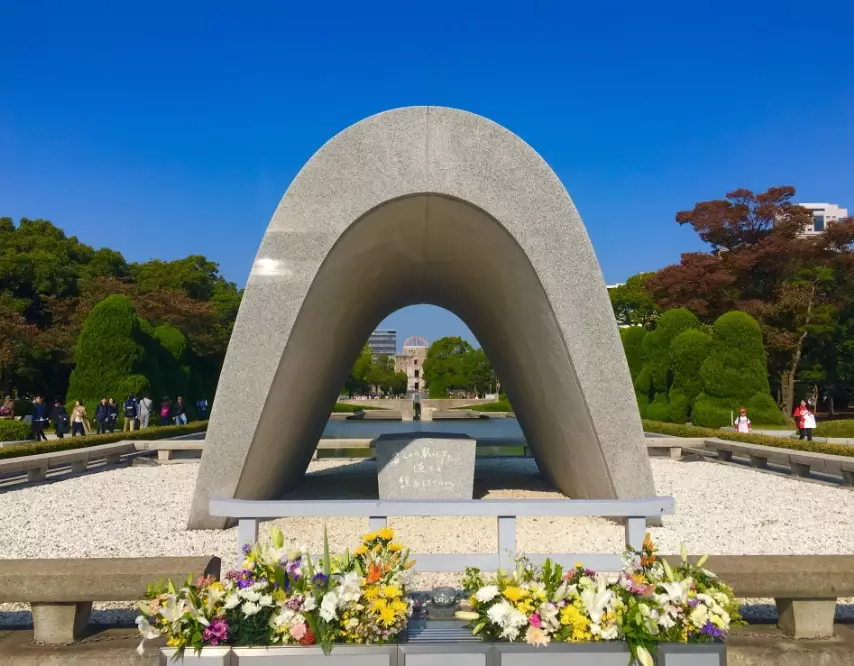
I remember my first visit. It was a Tuesday morning, overcast. The silence wasn't empty; it was thick. A school group walked past in matching hats, utterly quiet. That's the thing they don't tell you—how quiet it is. The weight of the place settles on you, a physical thing. You walk slower. You speak softer. You find your thoughts turning inward, to big, uncomfortable questions.
At the Heart of the Park: Key Monuments and Their Stories
The Genbaku Dome is the anchor, but the park is a carefully curated landscape of memory. Don't just walk through it. Move slowly. Read the plaques. Let the stories seep in.
The Children's Peace Monument (Sasaki Sadako and the Thousand Cranes): Perhaps the most internationally recognized symbol of the park. A statue of a girl holding a giant paper crane above her head. It's based on Sadako Sasaki, who was two years old at the time of the bombing and later developed leukemia from radiation exposure. The story goes she believed folding 1,000 paper cranes would grant her a wish to live. She died before reaching that number. Today, millions of paper cranes are sent to Hiroshima from around the world, a colorful, fluttering rebellion against the finality of war.
The Peace Flame: A simple, modern sculpture with a flame that has burned continuously since 1964. It will burn, the city has declared, until the last nuclear weapon is gone from Earth. On a practical level, it's a pilot light, a steady flame. Symbolically, it's a vigil, a promise, a stubborn hope in the darkness.
The Memorial Cenotaph: A curved arch sheltering a stone chest that holds the names of the bomb's victims. The inscription reads, "Rest in peace, for the error shall not be repeated." The arch frames the Genbaku Dome perfectly from a specific viewpoint, a visual link between memory and the artifact of that memory.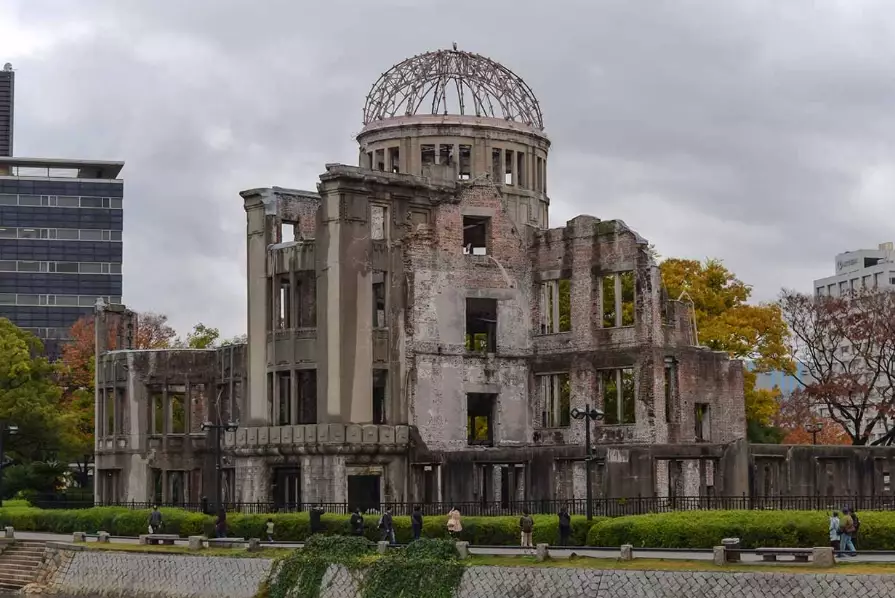
The Atomic Bomb Dome (Genbaku Dome): Already discussed, but its central role cannot be overstated. It is the focal point, the reason the park exists where it does. Viewing platforms allow you to see it from multiple angles, day and night. At night, it's subtly lit, a ghostly presence against the dark sky.
The Hiroshima Peace Memorial Museum: This is where the abstract becomes personal. The museum is not for the faint of heart. It presents the facts with brutal clarity—burned clothing, fused glass, photographs of destruction, personal testimonies. There is no glorification of war here, only its human cost. A tricycle, a lunchbox, a shadow on stone. The exhibits ask you not to look away, to sit with the discomfort, to recognize that the people who died here were no different from you.
Beyond the Ruins: The Memorial's Evolving Message for a New Era
The Hiroshima Peace Memorial is not static. Its message evolves as the world does. Initially, it was a stark warning about nuclear weapons. That remains core. But over decades, the message has broadened into a plea for peace in all forms, a recognition of the interconnectedness of human suffering, and a call to abolish war itself.
International visitors are a constant presence. School groups, diplomats, tourists, activists. The park serves as a global classroom. The message is simple, devastating, and necessary: This happened. It must not happen again.
Local volunteers, often survivors or their descendants, sometimes offer guided tours or personal stories. Their presence is a reminder that history is not distant. It lives in people, in families, in the DNA of a city that rebuilt itself from ashes.
Controversies have arisen, as they do around any major historical site. Debates about how to present history, about Japan's role in the war, about the ethics of atomic weapons. The museum has revised its exhibits over time to provide more context, a move that sparked international discussion. This, too, is part of the memorial's role—not to provide easy answers, but to provoke difficult questions.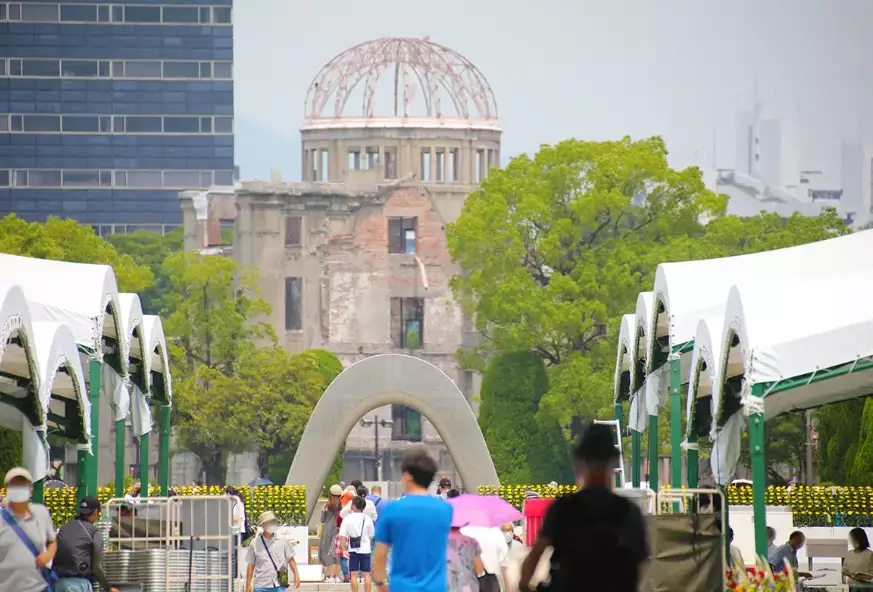
Your Questions Answered: Hiroshima Peace Memorial FAQ
I've been to Hiroshima three times now. Each visit was different. The first was as a student, wide-eyed and overwhelmed. The second was with a friend from overseas, seeing it through their eyes. The third was last year, after having children. That changes everything. You look at the tricycle in the museum and you don't just see a tricycle. You see a child who will never ride again. You feel the parent's grief like a physical blow. It's hard. It's supposed to be hard.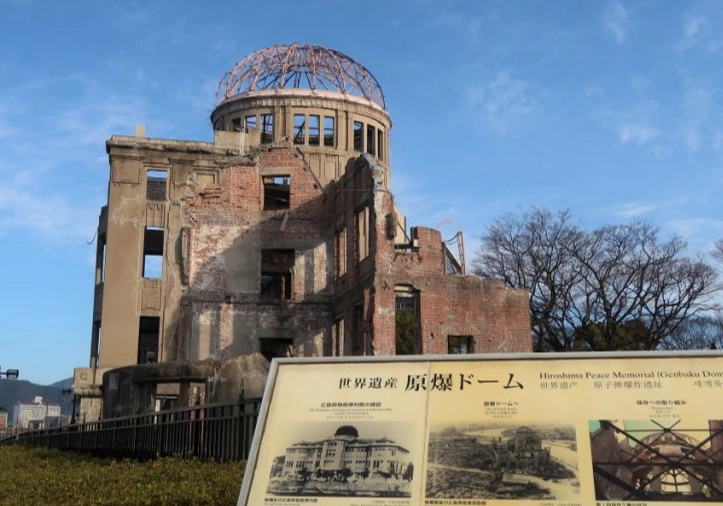
The Hiroshima Peace Memorial doesn't offer easy comfort. It offers a hard truth, delivered with quiet dignity. It says: This is what we did. This is what was done to us. Look at it. Remember it. Let it shape what you do next.
So go. Walk slowly. Read the plaques. Listen to the river, the rustle of paper cranes, the silence that is not empty but full of memory. You won't leave unchanged. And that, perhaps, is the point.


Share Your Thoughts