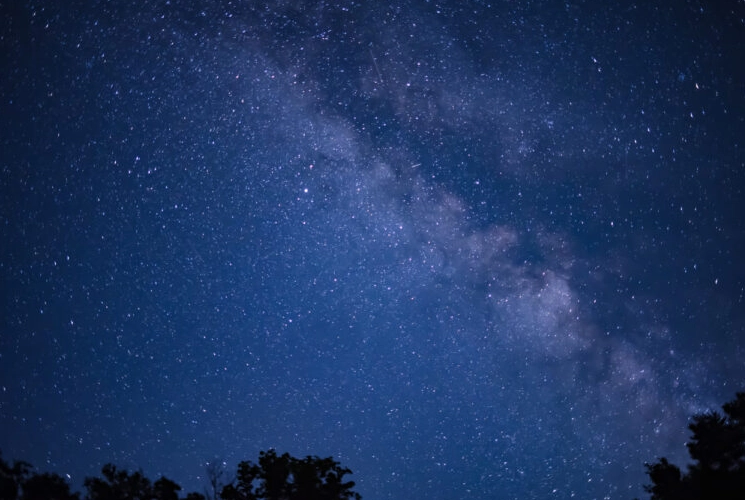
Forget everything you think you know about seeing stars in Japan. If your mental image involves squinting at a faint speckle of light between skyscrapers, a trip to Achi Village (阿智村) in Nagano Prefecture will rewrite the script. This isn't just a nice spot; it's Japan's first and only community officially certified by the International Dark-Sky Association (IDA) as a "Dark Sky Place." In 2023, they earned the "Dark Sky Community" title, a rigorous recognition of their sustained efforts to combat light pollution. The result? Night skies so profound and clear they feel like a planetarium dome removed. I've been chasing dark skies across Japan for years, and Achi is the benchmark. It's where the Milky Way doesn't just appear—it dramatically arches across the heavens, vivid enough to cast faint shadows.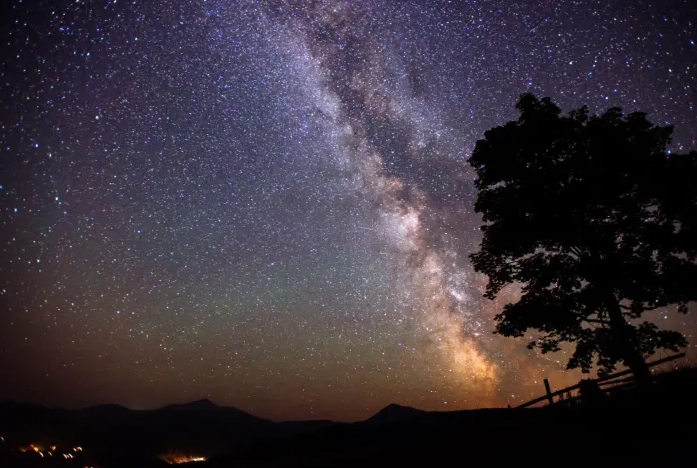
Your Stargazing Journey Starts Here
Why Achi Village is a Stargazer's Paradise
The magic of Achi Village's night sky isn't an accident. It's a perfect storm of geography, climate, and conscious community effort. Nestled in the southern mountains of Nagano at an average elevation of around 800 meters, the village sits above much of the low-lying haze and moisture that plagues coastal areas. The air is famously dry and clean, a fact any local will proudly mention. But the real secret weapon is the collective commitment to dark skies. Streetlights are specially designed to minimize upward light spill, and residents actively participate in shielding their own lights. This creates an environment where your eyes can fully adapt to darkness, revealing celestial details most people have never seen.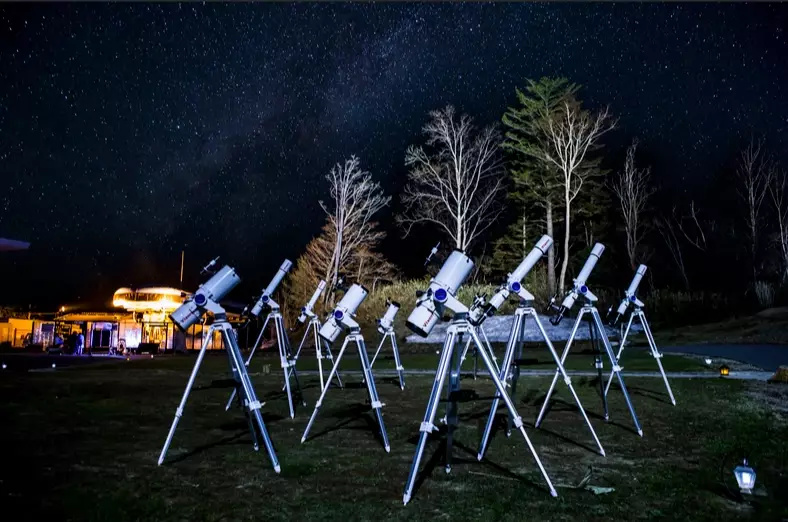
The Numbers Behind the Darkness
To get the IDA certification, Achi Village had to prove its skies met strict darkness metrics. While they don't publish a single "magnitude" number for the whole village, measurements at key sites like the Fujimi Panorama Resort (a primary observation point) consistently show conditions that allow you to see stars down to magnitude 6.5 or fainter with the naked eye. For context, in a typical suburban area, you might only see magnitude 4.0. This difference means you're seeing thousands more stars.
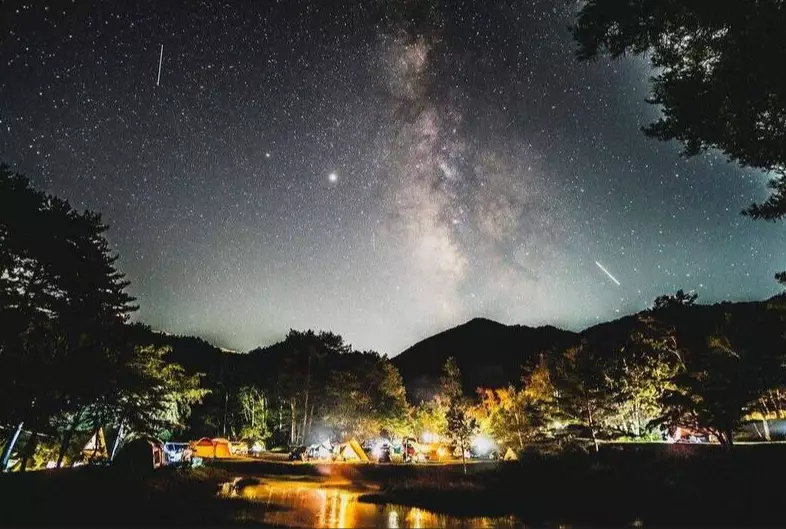
What does this mean for you? On a moonless night, the summer Milky Way (visible from late June to early August) looks like a textured, cloudy river of light. Constellations like Scorpius and Sagittarius aren't just connect-the-dots patterns; they're dense star fields set against dark nebulae. In winter, Orion dominates with a brilliance that makes the famous nebula within his "sword" a relatively easy naked-eye target—a true test of sky quality that Achi passes effortlessly.
How to Plan Your Achi Village Stargazing Trip
Planning is everything. Showing up on a random summer Saturday expecting solitude under the stars is a common rookie mistake. This is a popular destination, and the infrastructure, while good, is tailored to manage crowds for the main event: the Night Tour.
Best Time to Go for Stargazing
You need to juggle two factors: astronomical conditions and weather.
- Seasonal Targets: For the Milky Way core, aim for late June through August. For crisp, crystal-clear winter skies with bright constellations like Orion and Taurus (and the chance of seeing the Aurora Borealis on rare, strong solar activity nights), target January to March.
- Moon Phase: This is non-negotiable. Plan your trip around the New Moon. A bright moon washes out the faint Milky Way. Check a lunar calendar.
- Weather: Mountain weather is fickle. Nagano has a high number of clear days, but always, always check the forecast for Achi-mura specifically. I've driven up hopeful only to be met by a blanket of cloud that rolled in an hour before sunset.
Getting There: Transportation Options
Address: Achi Village, Shimoina District, Nagano Prefecture, Japan. The main stargazing hub is centered around the Fujimi Panorama Resort area.
| Method | Route Details | Travel Time (from Tokyo) | Pros & Cons |
|---|---|---|---|
| By Car (Recommended) | Take the Chuo Expressway to the Ina-Iida IC, then drive about 40 mins on local roads. | ~3.5 to 4 hours | Pros: Maximum flexibility, allows for last-minute location changes if clouds move in. Cons: Tolls are expensive (~¥8,000 one way), mountain driving at night. |
| By Train & Bus | Shinkansen to Iida Station (via Toyohashi or Chuo Line connections). Then take a bus to "Fujimi Kogen" or "Achi Village". | ~4 to 5 hours | Pros: Relaxing, no driving stress. Cons: Infrequent buses, especially after evening tours. Requires meticulous timing. |
| Organized Tour Bus | Many companies run day/overnight tours from Tokyo, Shinjuku, or Nagoya. | Varies | Pros: Hassle-free, includes guide. Cons: Fixed schedule, limited personal time. |
Accommodation, Food & The Official Night Tour
Most visitors experience the stars via the official "Achi Village Night Tour" operated at Fujimi Panorama Resort. You take a gondola up the mountain to the observation area.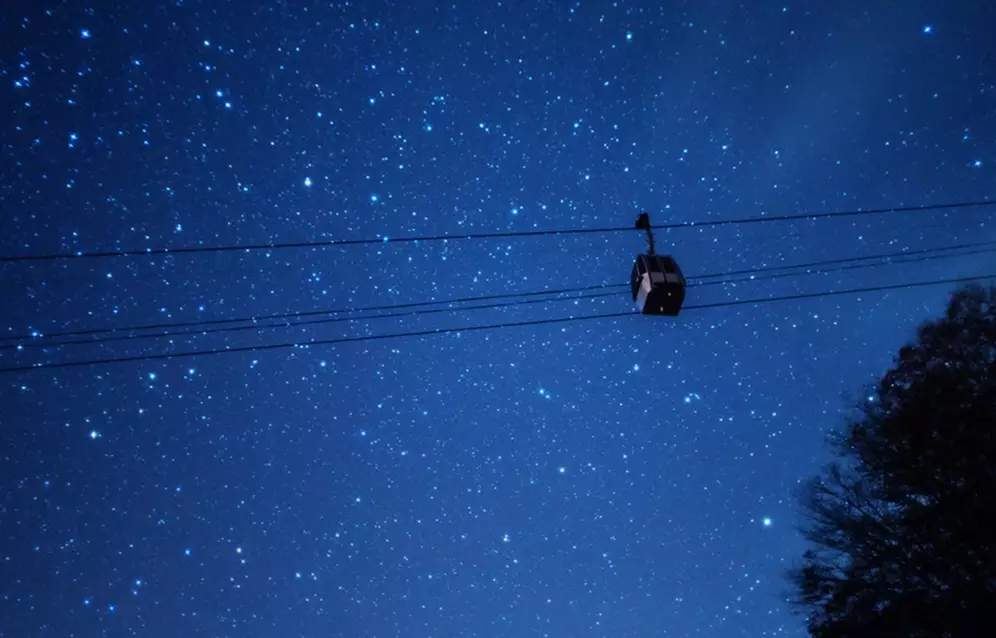
- Tour Hours & Fees: Operates nightly (weather permitting). Schedules vary by season. Typically, the last gondola up is around 7-9 PM, and the last down is around 9-11 PM. Check the official website for exact times. Admission is around ¥2,800 for adults (includes gondola round-trip). You must book in advance online, especially for weekends and holidays—they sell out.
- What to Expect: It's organized. There are structured viewing areas, sometimes with guided commentary (Japanese). It's fantastic for first-timers and families. For serious photographers seeking unique compositions, the fixed location can feel restrictive.
- Staying Overnight: To avoid the rush back, stay locally. Options range from ryokans in Achi Village to hotels at Fujimi Kogen. Hotel Harvest Fujimi Kogen is a solid, modern choice close to the gondola. Book months ahead for peak seasons.
- Dining: Options are limited after dark. Eat dinner early at your accommodation or at the resort's restaurant before the tour. Most places close by 8 PM.
Practical Stargazing Tips for Achi Village
Beyond booking the tour, here’s how to elevate your experience from good to life-changing.
What to Bring (The Non-Obvious List)
- Red Light Headlamp: Essential. White light ruins night vision for everyone. A cheap red cellophane over a normal flashlight works in a pinch.
- Serious Warm Layers: Even in August, temperatures can drop to 10°C (50°F) or lower at the observation area. Think thermal underwear, fleece, down jacket, hat, gloves. I wear more clothes than I do for a day of skiing.
- Portable Seat/Mat: Standing for hours gets tiring. A small foldable stool or a thick foam mat to lie on is a game-changer for neck comfort.
- Binoculars: More impactful than a telescope for a beginner. A simple pair of 7x50 or 10x50 binoculars will reveal Jupiter's moons, Saturn's shape, and countless star clusters.
- Smartphone Apps: Use a red night mode. Apps like Stellarium or Star Walk are fantastic for identifying what you're seeing.
Finding Your Own Spot (Beyond the Official Tour)
The official tour is great, but the certification covers the whole village. If you have a car, you have options. Drive carefully with low beams after dark. Look for safe, wide pull-offs away from any direct streetlights. The road leading up to the resort or some of the local agricultural roads can offer stunning, private vistas. Always respect private property and park completely off the roadway. The silence out there, broken only by the occasional distant cowbell, is as magical as the stars.
Your Achi Village Stargazing Questions Answered
 What's the biggest mistake first-time visitors make when planning for Achi Village?
 How does Achi Village compare to other famous stargazing spots in Japan, like Bisei or Iriomote?

Share Your Thoughts