In This Guide
So you've got a week in Tokyo. Awesome choice. Let's be real for a second – planning a Tokyo itinerary for 7 days can feel totally overwhelming. There's just too much. Do you chase the neon lights of Shinjuku, get lost in ancient temples, or spend hours hunting down the perfect bowl of ramen? The answer, thankfully, is yes to all of the above. But you need a plan, or you'll spend half your trip staring at subway maps feeling lost.
I've been there. My first trip to Tokyo, I tried to wing it. Big mistake. I ended up backtracking across the city, wasting precious hours and yen on trains. This guide is the one I wish I'd had. It's not just a list of places; it's a balanced, tested plan that mixes iconic sights with local flavor, considers travel time, and leaves room for you to breathe and discover your own Tokyo. We'll cover everything from which pocket WiFi to get (crucial) to where to find a quiet moment in this city that never seems to sleep.
Think of this as your friendly, slightly opinionated roadmap to an unforgettable week.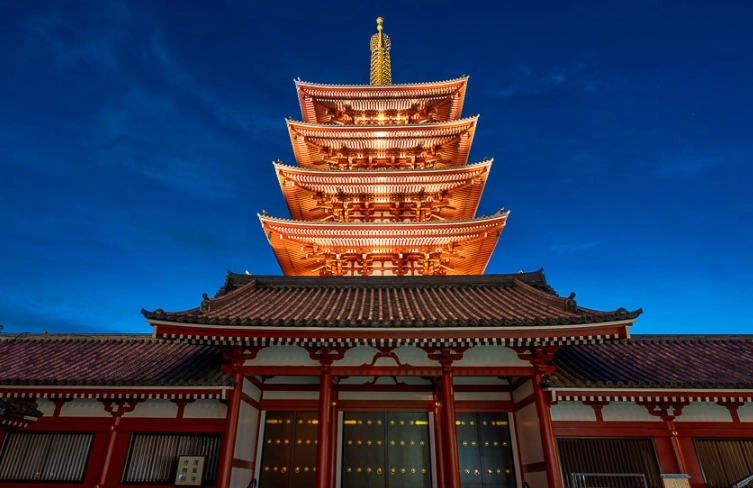
Before You Go: The Non-Negotiable Basics
Jumping straight into the day-by-day plan is tempting, but trust me, sorting these fundamentals will make your entire 7 days in Tokyo infinitely smoother. It's the boring stuff that makes the fun stuff possible.
Connectivity: You will get lost without data. Your phone's international plan might work, but for reliability and speed, rent a pocket WiFi device or buy a Japanese SIM/eSIM. Companies like Narita Airport's official site lists several providers you can book in advance. Having Google Maps and Translate live on your phone is a game-changer.
Cash is Still King (Mostly): While credit cards are accepted in department stores and big hotels, many smaller restaurants, temples, and market stalls are cash-only. Always have a few thousand yen on you. 7-Eleven ATMs (yes, the convenience store) usually accept foreign cards and have English menus.
Accommodation Zones: Where you stay defines your trip's rhythm. For a first-time Tokyo 7-day itinerary, I recommend basing yourself near a major Yamanote Line station. This loop line connects most major districts.
- Shinjuku/Shibuya: Heart of the action, endless dining/nightlife, easy transport. Can be noisy and crowded.
- Tokyo Station/Ginza: More upscale, central for bullet train trips, slightly less chaotic at night.
- Ueno/Asakusa: Great traditional vibe, often better value, direct airport access. Further from the western hubs like Shibuya.
I personally love staying in Shinjuku for the energy, but my last trip I tried a quieter hotel in Akasaka and loved how it felt like a retreat after busy days.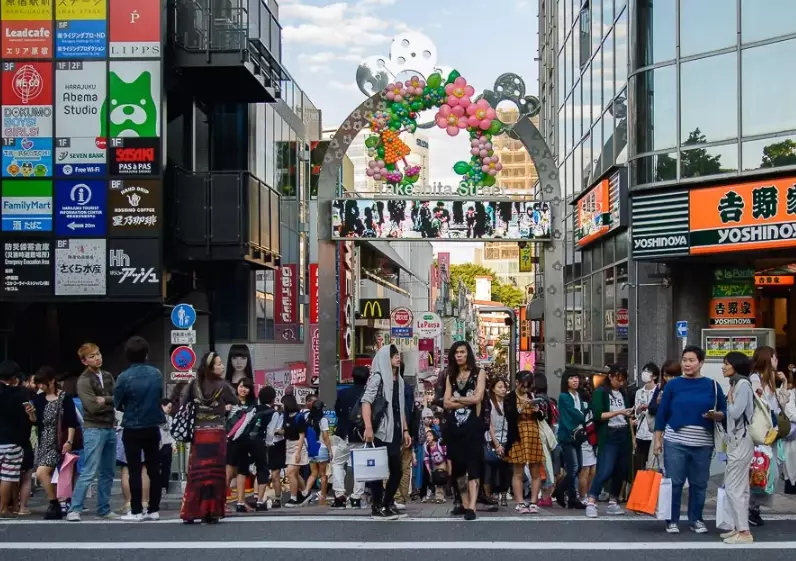
The Core 7-Day Tokyo Itinerary: A Day-by-Day Breakdown
This plan is designed for pace and logistics. It groups nearby areas together to minimize travel time. It's a template – feel free to swap days based on your energy or weather.
Day 1: Arrival & Shinjuku's Neon Heart
You've landed, you're tired, but you're excited. Don't overdo it. After checking in, head straight to Shinjuku. Your mission is immersion, not checklist tourism.
Start at the Tokyo Metropolitan Government Building. Why? It's free, the observatories offer a stunning 360-degree view of the sprawling city (great for orientation), and the lines are shorter than at Tokyo Skytree. Seeing the scale of Tokyo from above is a humbling start. Afterwards, dive into the labyrinth of Omoide Yokocho ("Memory Lane") and Golden Gai. These are networks of tiny, atmospheric alleyways packed with minuscule bars and eateries. Omoide Yokocho is famous for yakitori (grilled skewers). Golden Gai is more for drinking. Be respectful – some bars are for regulars, but many welcome tourists. Just peek, smile, and if it looks friendly, grab a stool.
Dinner? Follow your nose.
End the night walking through the mind-bending lights and giant screens of the Kabukicho district (stay on main streets). You've officially arrived.
Day 2: Shibuya & Harajuku - Pop Culture & Youth Energy
These two districts are right next to each other but worlds apart. Start at Harajuku. Exit Harajuku station and walk down Takeshita Street. It's a sensory overload of crepe stands, colorful fashion, and teenage energy. It can be painfully crowded on weekends – I find it more fascinating than enjoyable, but it's a must-see spectacle. For a complete contrast, walk five minutes to Meiji Jingu, a serene Shinto shrine dedicated to Emperor Meiji, nestled in a dense forest. The transition from hyper-kawaii to profound tranquility is what Tokyo does best.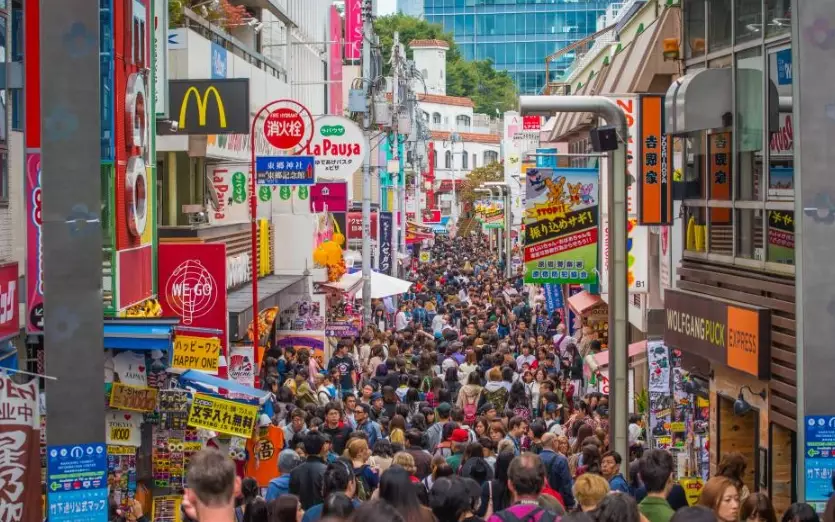
Afternoon, walk to Shibuya. Do the Shibuya Crossing. It's not overrated. Standing in the middle of that human tsunami is a pure Tokyo moment. For a great (and free) view of it, grab a coffee at the Mag's Park rooftop by the Shibuya 109 building. Need retail therapy? Shibuya has it all, from the mega department store Shibuya Scramble Square to niche fashion buildings.
Day 3: Asakusa & Tokyo Skytree - Old & New Tokyo
Today is about tradition. Start at Senso-ji Temple, Tokyo's oldest and most significant Buddhist temple. Go early to beat the tour groups. Approach through the Kaminarimon (Thunder Gate) with its giant lantern, then walk down the Nakamise-dori shopping street towards the main hall. It's touristy, but the atmosphere is authentic. Try some ningyo-yaki (small cake with filling) from a stall.
From Asakusa, it's a short walk or one-stop train to Tokyo Skytree. The view from the world's tallest tower is undeniably impressive, especially on a clear day when you might see Mount Fuji. But it's expensive and can have long waits. Personally, I prefer the cheaper, quicker option of Tokyo Tower for a classic view, or the free option from Day 1. If you do Skytree, book tickets online in advance.
Spend the late afternoon wandering the Sumida River area or exploring the quieter backstreets of Asakusa.
Day 4: Tsukiji, Ginza & Imperial Palace
A day of contrasts again. Start very early at the Tsukiji Outer Market. The famous wholesale tuna auction moved to Toyosu, but the outer market remains – a vibrant maze of stalls selling fresh seafood, knives, pickles, and kitchenware. Come hungry. Have breakfast here: a bowl of uni (sea urchin) donburi, some tamagoyaki (sweet omelette), or fresh oysters. It's a working market, so be mindful of space.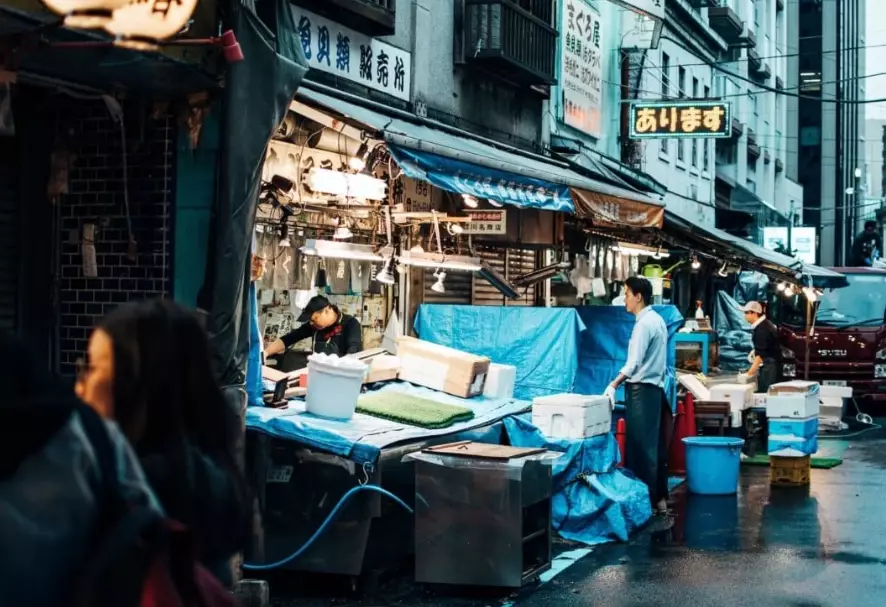
From here, walk to the upscale district of Ginza. Window-shop at flagship stores for Uniqlo, Itoya (stationery heaven), and luxury brands. The architecture alone is worth seeing.
In the afternoon, head to the Imperial Palace East Gardens. They are free to enter and offer a peaceful, green respite right in the city center. You can see the moats and old stone fortifications. You can't enter the main palace grounds without a rare guided tour, but the gardens are lovely for a stroll. For a deeper dive into Japan's history, the National Museum of Modern Art nearby is excellent.
Day 5: Akihabara & Ueno - Electric Town & Culture
Ready for something completely different? Welcome to Akihabara, the epicenter of otaku (geek) culture, electronics, and anime. The main street, Chuo Dori, is pedestrianized on Sundays – a great time to visit. Dive into multi-story arcades, manga shops like Mandarake, and electronic superstores like Yodobashi Camera (even if you're not buying, it's an experience). Maid cafes are a thing here – they're a specific kind of performance, so know what you're getting into.
After the sensory blast of Akihabara, cool down in Ueno Park. It's a massive public park housing several major museums, including the Tokyo National Museum, which holds the world's largest collection of Japanese art. Even if you don't go in, the park itself is lovely with its pond and street performers. The Ueno Ameyoko Market right next to the station is a bustling, loud market street with great street food and a more down-to-earth vibe.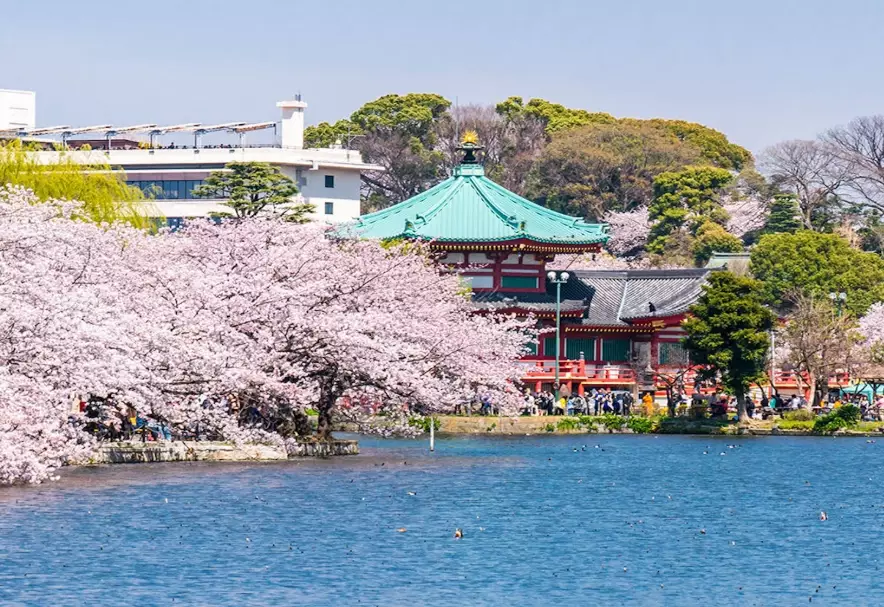
Day 6: Day Trip Dilemma: Kamakura or Nikko?
A week in Tokyo deserves a day outside the metropolis. It shows you another side of Japan. You have two fantastic choices, each offering a different flavor.
| Destination | Vibe | Top Attraction | Travel Time (One Way) | Best For... |
|---|---|---|---|---|
| Kamakura | Coastal, relaxed, temple town | The Great Buddha (Daibutsu) | ~60 mins by train | Easy access, lots of small temples, beach vibe, great for a half-day if tired. |
| Nikko | Mountainous, majestic, UNESCO site | Toshogu Shrine (lavishly decorated) | ~2 hours by train | Stunning natural scenery, grand architecture, a full-day immersive escape. |
My pick? For a first trip, Kamakura is easier and less tiring. You can see the iconic bronze Buddha at Kotoku-in, wander through the bamboo and temple complex of Hase-dera, and maybe even walk to the beach. It feels doable and refreshing. Nikko is breathtaking, but it's a commitment. If you're a UNESCO completist or love hiking and grand shrines, go for Nikko. Check train schedules on JR East's website.
Day 7: Odaiba & Last-Minute Explorations
Your final day. Odaiba is a futuristic, man-made island in Tokyo Bay, reached by the cool Yurikamome automated train (get a window seat at the front!). It's a fun, family-friendly area. See the life-sized Unicorn Gundam statue at DiverCity, explore the interactive teamLab Borderless digital art museum (book tickets *months* in advance – it's that popular), or relax at Odaiba Seaside Park.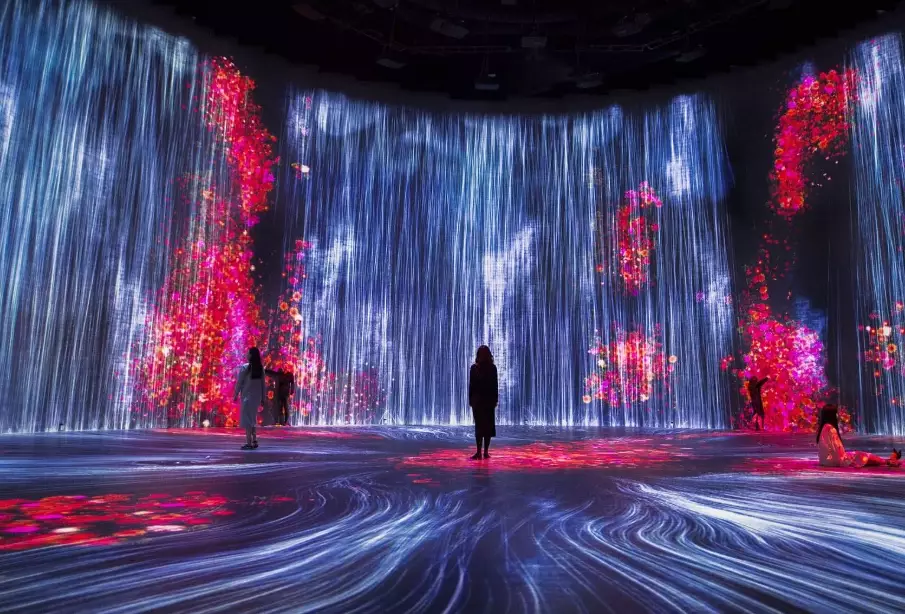
The alternative? Use this day as a buffer. Go back to a neighborhood you loved (maybe for that sushi place you spotted), hit a department store basement food hall (depachika) for last-minute souvenirs, or visit something you missed. The Ghibli Museum in Mitaka is magical but requires tickets booked well ahead. Or simply wander a neighborhood like Daikanyama or Nakameguro for a slower, cooler Tokyo vibe.
Beyond the Landmarks: Food, Transport & Practical Survival
A Tokyo itinerary 7 days plan isn't just places. It's how you function there.
Eating in Tokyo: A Quick Guide
You will eat well. The baseline quality is incredibly high.
- Ramen: Don't be intimidated by ticket machines. Put in cash, press the button for your dish, get a ticket, hand it to the staff. Ichiran is famous for solo booths, but local shops are often better.
- Sushi: High-end omakase is an experience. For amazing value, try conveyor belt (kaiten-zushi) chains like Sushiro or Kura Sushi. Fresh, fun, and affordable.
- Izakaya: Japanese pubs. Order small plates to share. Try yakitori, edamame, karaage (fried chicken). Great for groups.
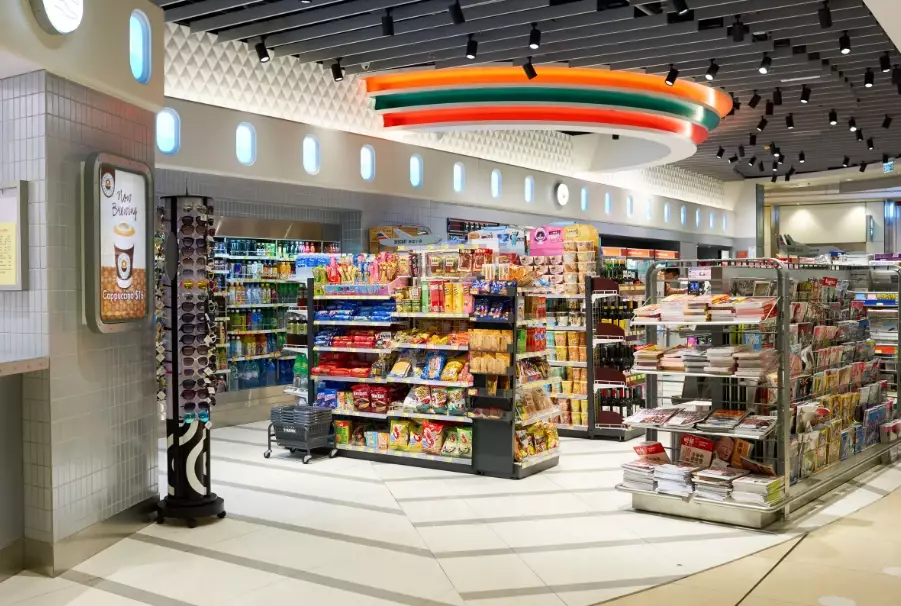
- Convenience Stores (Konbini): Your best friends. 7-Eleven, FamilyMart, Lawson. Their sandwiches, onigiri (rice balls), fried chicken, and desserts are legitimately good and cheap. Perfect for breakfast or a snack.
I still dream about a simple tonkotsu ramen from a 6-seat shop in Shinjuku I found by accident. Sometimes the best finds aren't in the guidebook.
Getting Around: The Real Deal
The subway map looks like a bowl of colorful spaghetti. Don't panic.
- Google Maps is your god. It gives near-perfect train, subway, and walking directions with platform numbers, costs, and real-time schedules.
- IC Card (Suica/Pasmo). I said it before, saying it again. Tap on, tap off. You can even use it at many shops.
- JR Pass for a 7-day Tokyo itinerary? Probably not worth it. The Japan Rail Pass is for long-distance Shinkansen travel. If you're only doing a day trip to Kamakura (on JR) and using local JR lines in Tokyo, a 7-day pass won't pay off. Use a calculator or just rely on your IC card.
- Walking. You will walk 10-15 miles a day. Bring comfy shoes. No, really, *comfy* shoes.
Budgeting for Your 7 Days in Tokyo
Tokyo can be as expensive or as reasonable as you make it. Here's a rough breakdown per person, excluding flights.
| Category | Budget Traveler | Mid-Range Traveler | Comfort/Splurge |
|---|---|---|---|
| Accommodation (per night) | $60 - $100 (Capsule/Business Hotel) | $120 - $220 (3-4* Hotel) | $250+ (Luxury/Design Hotel) |
| Food (per day) | $25 - $40 (Konbini, ramen, cheap eats) | $50 - $80 (Mix of casual & nice meals) | $100+ (Fine dining, omakase) |
| Transport (per day) | $5 - $10 (Local trains only) | $10 - $15 (Incl. some taxis) | $20+ (Taxis frequently) |
| Attractions (total trip) | $50 (Few paid entries, free views) | $100 - $150 (Skytree, 1-2 museums) | $200+ (TeamLab, Ghibli, guided tours) |
A realistic mid-range total for 7 days is around $1,200 - $1,800 per person, not counting flights and shopping. You can definitely do it for less by eating at convenience stores and staying in hostels, or spend much more.
Frequently Asked Questions (The Stuff You're Actually Wondering)
Is 7 days in Tokyo too long?
Not at all. It's a mega-city with distinct personalities in each district. A week lets you go beyond the surface, take a day trip, and not feel rushed. You could easily spend two weeks and not see everything.
What's the best season for a Tokyo itinerary 7 days?
Spring (late March-April) for cherry blossoms (but it's crowded and expensive). Fall (October-November) for pleasant weather and fall colors. Winter (Dec-Feb) is cold but clear and less crowded. Summer (Jun-Aug) is hot, humid, and rainy season in June/July – my least favorite time to visit, honestly.
Do I need to speak Japanese?
Not really. In tourist areas, you'll find English signs and menus. Most people don't speak fluent English but are incredibly helpful. Learn a few phrases: "Arigatou gozaimasu" (thank you), "Sumimasen" (excuse me/sorry), and pointing + smiling works wonders. A translation app helps for complex things.
How do I handle the crowds?
They're part of the experience. Go to major sights early in the morning. Avoid rush hour trains (7:30-9:30 AM). Seek out side streets and parks for breaks. Sometimes, just ducking into a quiet temple garden or a bookstore can reset your senses.
What's one thing I should absolutely book in advance?
Aside from flights and accommodation, teamLab Borderless (if you're going) sells out months ahead. The Ghibli Museum requires advance purchase (tickets go on sale the 10th of the month prior). For popular restaurants, especially high-end sushi or kaiseki places, try booking through your hotel concierge as soon as you confirm your stay.
Final Thoughts: Making It Your Own
This Tokyo itinerary for 7 days is a blueprint, not a prison sentence. The magic of Tokyo often happens in the unplanned moments: the quiet conversation with a bartender in Golden Gai, the unexpected art in a subway station, the perfect slice of strawberry shortcake from a random patisserie.
Use this guide to get the logistics right – the transport, the zoning, the pre-bookings. That foundation gives you the freedom to wander, to get a little lost, and to discover what Tokyo means to you. Maybe you'll spend three hours in a tiny record shop in Shimokitazawa, or decide to skip a museum for a long walk along the Sumida River.
Have an incredible trip. It's going to be amazing.
Share Your Thoughts