Quick Guide
- Getting Your Head in the Game: Pre-Trip Mindset & Planning
- Crafting Your Solo Japan Itinerary: Beyond Tokyo-Kyoto-Osaka
- Safety for Women Traveling Alone in Japan: The Realistic Lowdown
- Navigating Culture & Etiquette Without Stress
- Accommodation Deep Dive: Where to Stay Solo
- Packing List: The Non-Obvious Essentials for Women
- Connecting & Beating Loneliness
- Frequently Asked Questions (The Real Ones)
- Final Thoughts Before You Go
Let's cut right to it. You're thinking about a solo trip to Japan. Maybe you've seen the pictures of serene temples, crazy neon streets, and perfect bowls of ramen. But you're also a woman traveling alone, and a little voice in your head is asking the practical questions. Is it safe? Will I be lonely? How do I even start planning this? I've been there. I've also been the woman dragging her suitcase through Shinjuku Station at midnight, slightly lost but totally exhilarated. This guide isn't a polished brochure; it's the honest, detailed map I wish I'd had.
Japan consistently ranks as one of the best destinations for solo travel, especially for women. The crime rates are low, public transport is a dream, and there's a deep-seated culture of hospitality and respect. But that doesn't mean you should just wing it. A little preparation goes a long way in turning a good trip into a legendary one. We're going to dig into everything: the mindset, the logistics, the hidden costs, the safety nuances, and how to craft an itinerary that actually fits you, not some generic tourist.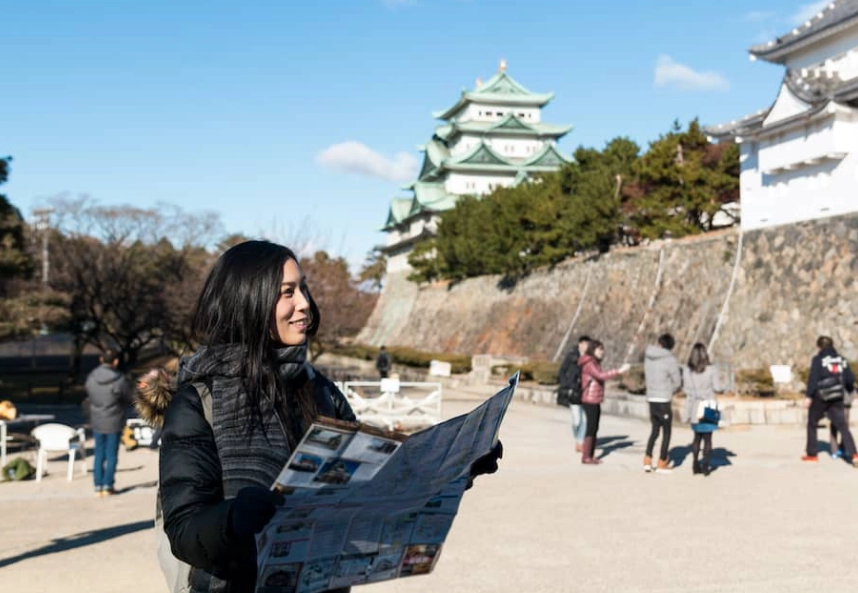
Getting Your Head in the Game: Pre-Trip Mindset & Planning
Before you book a single thing, let's talk reality. Solo travel isn't just a physical journey; it's a mental one. For female solo travel to Japan, a bit of mental prep is your best packing item.
First, expectations. Social media makes it look like a constant parade of aesthetic moments. Some days will be like that. Other days, you'll be tired, you'll get turned around in a subway station, and you'll eat conbini (convenience store) food for dinner because you just can't decide. And that's perfectly okay. In fact, those are often the days you remember most fondly.
When to Go & For How Long?
This isn't a simple answer. Japan has four distinct seasons, each with a totally different personality.
- Spring (March-May): Cherry blossoms. It's as magical as they say, but also crowded and expensive. If you dream of sakura, book accommodation way in advance and brace for the crowds. Late April/May (after Golden Week) is lovely and slightly calmer.
- Summer (June-August): Hot. And humid. Like, rethink-your-wardrobe humid. But it's festival season! Fireworks (hanabi), dances, and incredible energy. Just pack light, breathable clothes and be prepared to seek air conditioning.
- Autumn (September-November): My personal favorite. The crowds thin, the weather is crisp and perfect for walking, and the autumn leaves (koyo) are stunning. A fantastic time for solo female travel in Japan.
- Winter (December-February): Cold, especially up north, but less crowded (except around New Year). Skiing in Hokkaido is world-class, and cities like Tokyo and Osaka have fantastic illuminations. Onsen (hot springs) feel extra special in the cold.
How long? As long as you can.
But realistically, I'd say a minimum of 10 days to two weeks lets you get a real feel without being a frantic rush. You can combine two major regions, like Kanto (Tokyo area) and Kansai (Kyoto/Osaka).
The Budget Talk: How Much Does Solo Travel to Japan Really Cost?
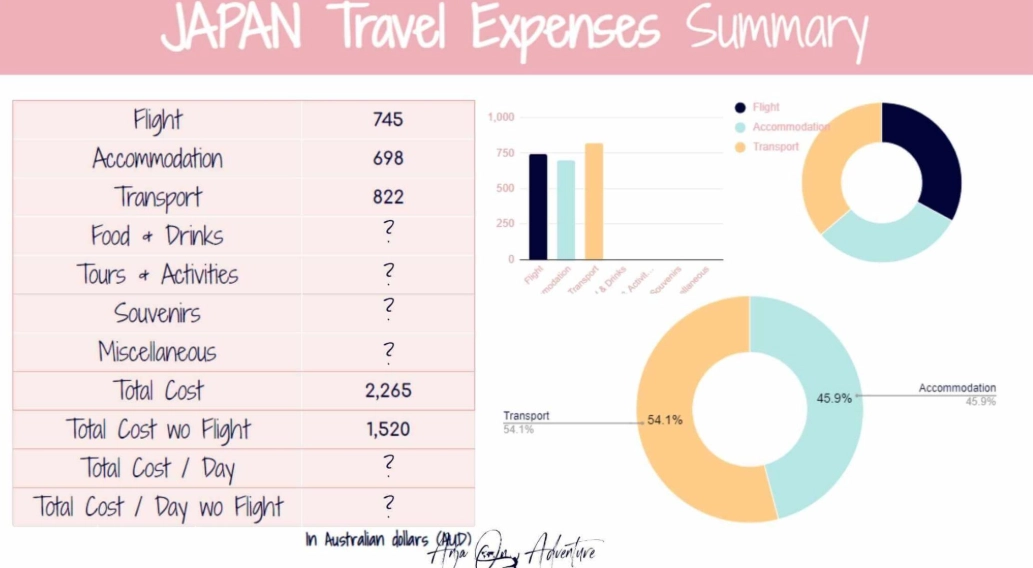
Japan has a reputation for being expensive. It can be, but it doesn't have to be. Your biggest costs will be flights, accommodation, and transport between cities. Let's break it down for a mid-range traveler who wants comfort but isn't looking for luxury.
| Expense Category | Budget-Friendly Approach | Mid-Range Comfort | Notes & Tips |
|---|---|---|---|
| Accommodation | Hostel dorms, capsule hotels, business hotels (¥3,000 - ¥6,000/night) | Private rooms in hostels, nicer business hotels, budget ryokan (¥7,000 - ¥15,000/night) | Book business hotels directly on Japanese sites like Jalan.net for better rates. Location matters for saving transit time. |
| Food | Convenience stores (konbini), supermarket delis, standing noodle bars, fast food (¥1,000 - ¥2,500/day) | Mid-range restaurants, set lunches (teishoku), casual izakayas (¥3,000 - ¥6,000/day) | Lunch sets are almost always cheaper than dinner for the same meal. Don't sleep on konbini food—it's delicious, fresh, and cheap. |
| Inter-City Transport | Overnight buses, regional rail passes, Seishun 18 Ticket (seasonal) | 7-Day Japan Rail Pass (calculate first!), Shinkansen tickets | The Japan Rail Pass is famous, but with new pricing, it's not always worth it. Use a calculator online before buying. |
| Local Transport & Activities | Walking, cycling, IC cards (Suica/Pasmo), free temples/shrines | Subway/bus daily passes, paid museum entries, cultural workshops | Get a Suica/Pasmo card immediately upon arrival. It works on almost all local transport and in many stores. |
A realistic daily budget for a comfortable, not-frugal solo trip, excluding flights and big inter-city travel, is around ¥8,000 to ¥15,000. You can do it for less if you're savvy, or spend much more easily.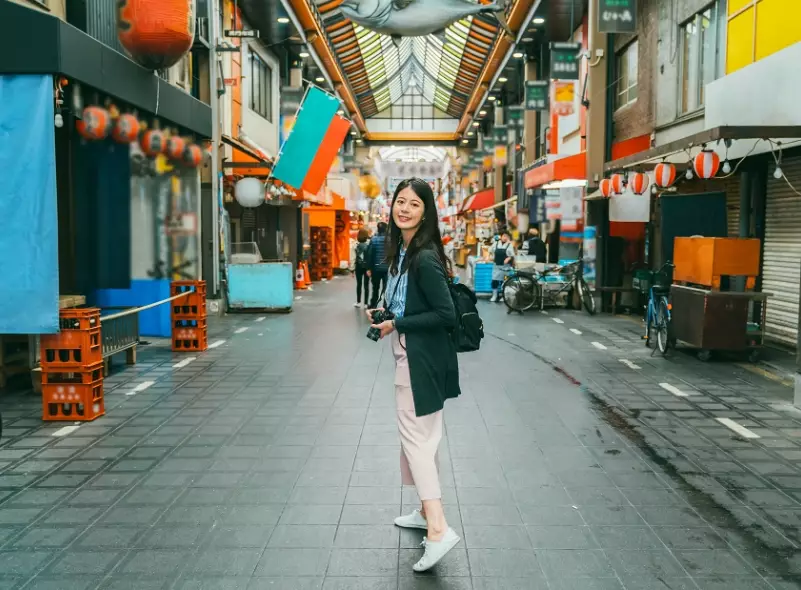
Crafting Your Solo Japan Itinerary: Beyond Tokyo-Kyoto-Osaka
The classic golden route is popular for a reason. But as a solo traveler, you have the flexibility to get off it. Here are some frameworks based on trip length.
The 7-Day Taster (Fast-Paced)
Focus on one region. Either Tokyo and nearby day trips (Kamakura, Nikko) OR Kyoto, Osaka, and Nara. Trying to do both in a week is a recipe for exhaustion. For a first-time solo female travel Japan experience, I'd lean towards Kansai (Kyoto/Osaka). It feels more historically immersive right away.
The 10-14 Day Explorer (Recommended)
This is the sweet spot. You can comfortably do the classic route with added depth.
- Days 1-4: Tokyo. Hit the highlights but leave time to wander neighborhoods like Shimokitazawa or Koenji.
- Days 5-8: Kyoto. Temples, gardens, Gion. Book popular spots like Fushimi Inari for early morning to avoid crowds.
- Days 9-10: Osaka. For food, nightlife, and a more gritty, friendly vibe. Dotonbori at night is a sensory overload in the best way.
- Day 11: Day trip to Nara or Hiroshima/Miyajima (if you have a rail pass).
- Days 12-14: Add an extra location: Kanazawa for culture and seafood, Hakone for onsens and Fuji views, or even a short flight/train to Sapporo or Fukuoka for a different feel.
Off-the-Beaten-Path Gems for the Solo Traveler
If you're on a second trip or just hate crowds, consider these:
- Takayama: A beautiful, preserved town in the Japanese Alps. Feels like stepping back in time. Perfect for a slower pace.
- Naoshima: An art island in the Seto Inland Sea. Staying overnight on this quiet island is a unique, contemplative experience.
- Koya-san (Mount Koya): Stay in a temple lodging (shukubo) with monks. It's peaceful, spiritual, and the vegetarian cuisine is an experience in itself.
Safety for Women Traveling Alone in Japan: The Realistic Lowdown
Let's be blunt about safety, because it's the number one concern for women considering solo travel to Japan. The good news is overwhelming: Japan is one of the safest countries in the world. Violent crime against tourists is exceedingly rare. You can walk down most streets at night and feel safe in a way that's hard to describe until you experience it.
But. Safe doesn't mean you should throw common sense out the window. And there are specific cultural nuances to be aware of.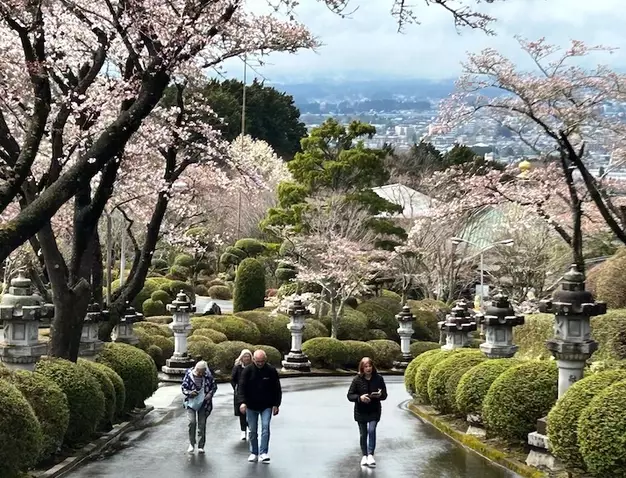
General Safety: The Foundation
- Trust your instincts. This is universal. If a bar feels sketchy, leave. If someone makes you uncomfortable, walk away. Your gut is your best tool.
- Share your itinerary. Leave a copy with someone at home and check in regularly. Use Google Maps location sharing if you're comfortable.
- Get a data SIM or eSIM. Being able to Google, translate, and navigate in real-time is a game-changer for safety and peace of mind. Companies like Mobal or Ubigi offer easy tourist options.
- Know emergency numbers: 110 for police, 119 for fire/ambulance. The Japan National Tourism Organization (JNTO) has a 24/7 helpline for tourists.
Specific Scenarios & How to Handle Them
On Public Transport: Trains and subways are generally safe, but rush hour can involve unavoidable crowding. Look for "Women Only" train cars. They are usually available during morning peak hours on major lines and are clearly marked with pink signs. Use them if you prefer. I've used them on packed Tokyo mornings and it's a relief.
In Accommodation: Read reviews specifically from other solo female travelers. Hostels in Japan are often impeccably clean and secure, with privacy curtains and lockers. Many business hotels have secure, automated check-in which can feel impersonal but also very private.
Nightlife & Going Out: Izakayas (Japanese pubs) are generally very safe and social. For bars, stick to well-reviewed places in busy areas. A common minor nuisance, especially in nightlife districts like Kabukicho (Tokyo) or Susukino (Sapporo), is the "nigeru zara" or "night club touts" who try to lure people into bars with hidden exorbitant charges. The rule is simple: never follow a tout. Politely ignore them or say "iie, kekkou desu" (no, I'm fine) and keep walking. Go to places you've chosen yourself.
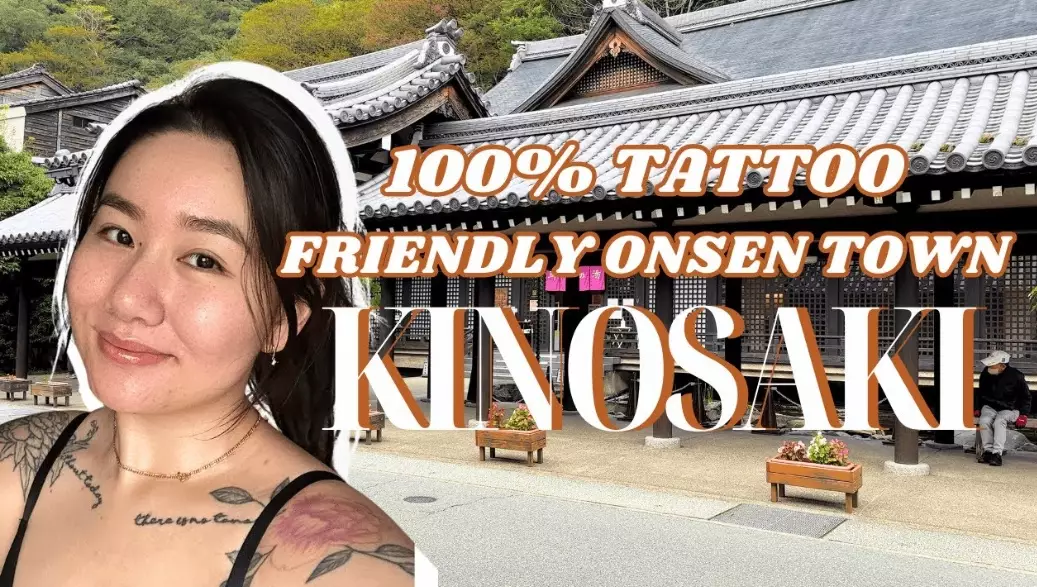
Onsens & Sento (Public Baths): This is a cultural highlight, but can be intimidating. Remember: everyone is naked, no one is staring. Follow the washing ritual before getting in the bath. Tattoos can still be an issue at many traditional onsens, though more are becoming tolerant. Look for "tattoo-friendly" onsens or consider a private onsen room (kashikiri).
Navigating Culture & Etiquette Without Stress
Japanese people don't expect tourists to know every rule, but making an effort is deeply appreciated. A few key points will smooth your interactions.
- Bowing: A slight nod of the head is fine for tourists. It's a sign of respect.
- Shoes: Take them off when you see a step up, tatami mats, or a genkan (entryway). Slippers are often provided, but don't wear slippers on tatami. There are usually separate bathroom slippers too—don't walk out of the bathroom in them!
- Money: Use the little tray at registers to place your cash, don't hand it directly. Receiving change, do the same.
- Speaking: Learning a few phrases is huge. "Sumimasen" (excuse me/sorry), "arigatou gozaimasu" (thank you), and "onegaishimasu" (please) will get you far. People will often try to speak English if they see you struggling.
- Eating & Drinking: It's okay to slurp noodles! It shows you're enjoying them. Don't stick your chopsticks upright in a bowl of rice (it's a funeral ritual). When sharing food, use the back end of your chopsticks if no serving utensils are provided.
The biggest rule? Be quiet and considerate in public spaces.
Trains are famously quiet. Keep phone conversations to a whisper or none at all. Don't talk loudly on the street late at night. This consideration for others is core to Japanese society.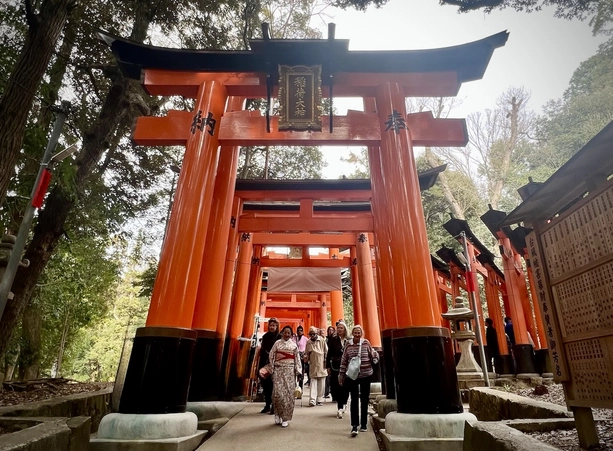
Accommodation Deep Dive: Where to Stay Solo
Your choice of accommodation can make or break your solo travel to Japan experience. Here’s the real scoop on different options from a solo female perspective.
Business Hotels (e.g., APA, Dormy Inn, Super Hotel)
The Workhorse: These are my go-to for city stays. They're clean, efficient, and everywhere. Rooms are compact (you might have to sideways-shuffle past your bed) but have everything you need: private bathroom, Wi-Fi, kettle, sometimes even a pajama set. They often have great amenities like free breakfast or a late-night ramen service. The automated check-in can feel isolating, but it's also fast and private. Great for when you just need a reliable, clean base.
Hostels
The Social Hub: Japanese hostels are a cut above most. Many offer female-only dorms with privacy curtains, reading lights, and large lockers. The common areas are fantastic for meeting other travelers, which is a huge perk for solo travel. You can find quiet ones too. Always read recent reviews on sites like Hostelworld, filtering for "solo female traveler" reviews.
Capsule Hotels
The Experience: Try it for a night! They're an iconic part of Japanese culture. They are almost always gender-segregated by floor, which adds to the feeling of safety. You get a pod with a bed, light, and sometimes a TV. Your luggage goes in a separate locker room. It's not for claustrophobes, and the walls are thin (bring earplugs). It's more about the novelty than long-term comfort, but they're perfect for a late arrival or before an early flight.
Ryokan (Traditional Inns)
The Splurge: A must-do at least once. You'll sleep on a futon on tatami, wear a yukata (robe), enjoy a multi-course kaiseki dinner, and relax in an onsen. It's a peaceful, immersive experience. As a solo traveler, you'll pay a premium (often a single supplement), but it's worth it for a special night. Look for smaller, family-run places in onsen towns like Hakone or Kinosaki.
Guesthouses & Airbnb
The Local Feel: Regulations have tightened, so ensure any Airbnb is legally registered. Guesthouses (often called "minshuku" in rural areas) can offer a wonderful, homey experience and a chance to interact with a local host. Again, read reviews carefully, especially regarding location and safety for a woman alone.
Packing List: The Non-Obvious Essentials for Women
Forget the generic lists. Here’s what you actually need for a solo trip to Japan.
- Cash & Coin Purse: Japan is still a cash society in many places, especially outside cities and for smaller establishments. You'll accumulate a lot of coins. A small coin purse is essential.
- Portable Wi-Fi or eSIM: Already mentioned, but it's critical. Navigation, translation, looking up reviews on the spot.
- Handkerchief / Small Towel: Many public restrooms do not have paper towels or dryers. It's common to carry a small towel. A pack of pocket tissues is also useful.
- Deodorant & Favorite Toiletries: Japanese deodorant is often less strong than Western varieties. If you're particular, bring your own. Same goes for tampons, though pads are widely available.
- A Small Day Bag: A lightweight backpack or crossbody bag for daily essentials. Make sure it closes securely.
- Slip-on Shoes: For all those times you have to take your shoes off. Shoes that are easy to get on and off are a godsend.
- Modest Clothing: For temple visits, having a scarf or cardigan to cover shoulders is respectful. Avoid overly revealing clothing in non-nightlife settings.
- Universal Drain Stopper: A weird one, but many Japanese sinks and tubs don't have built-in stoppers. A small rubber universal stopper lets you take a proper soak in your hotel room.
Connecting & Beating Loneliness
It happens to everyone, even in a place as stimulating as Japan. Here’s how to find your people.
- Hostel Common Rooms: The easiest way. Just sit down with a book or your laptop, and conversations often start naturally.
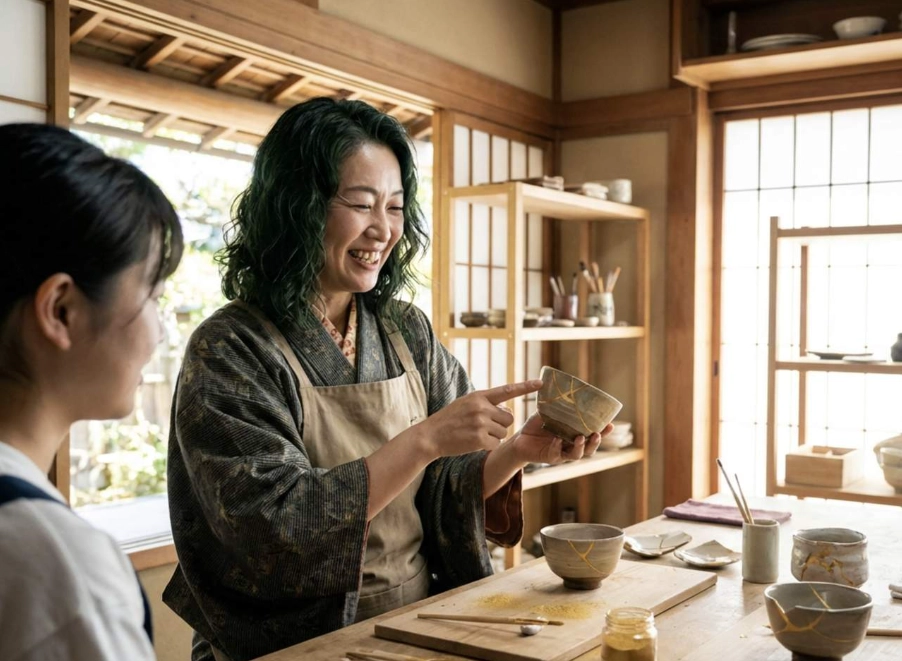
- Join a Group Tour or Class: A food tour, a tea ceremony workshop, a calligraphy class. Websites like Airbnb Experiences or local platforms like Veltra are great for this. You share an activity with others, breaking the ice immediately.
- Use Social Apps (Safely): Meetup.com has groups for foreigners and locals in major cities. Bumble BFF mode can work in Tokyo. Always meet in public, crowded places first.
- Visit Bars with Counter Seating: Sit at the counter of a small izakaya or ramen shop. It's less intimidating than a table, and you might chat with the staff or a neighbor.
- Embrace the Solo Time: Go to a movie, visit a cat cafe, spend an afternoon in a bookstore. Learning to enjoy your own company is the ultimate souvenir of solo travel.
Frequently Asked Questions (The Real Ones)
Q: Is it easy to find vegetarian/vegan food?
A: It's getting better, but still requires effort. Major cities have dedicated restaurants. Use the HappyCow app. Learn to say "Watashi wa begetarian/begetarian desu" (I am a vegetarian) and "Niku to sakana nashi de onegaishimasu" (Without meat or fish, please). Be aware that dashi (fish stock) is ubiquitous, even in seemingly vegetarian dishes like miso soup.
Q: I'm worried about eating alone. Is that okay?
A: Absolutely. It's very common. Ramen shops, curry houses, and many casual restaurants are designed for solo diners with counter seating or small booths. No one will bat an eye.
Q: What about periods and finding feminine products?
A: Pharmacies and convenience stores have a wide selection. Tampons are available but the variety (applicator vs. non-applicator) might be different. Pads are everywhere. Public restrooms often have a discreet, often free, vending machine for emergency sanitary products.
Q: How do I handle laundry?
A: Most business hotels and all hostels have coin laundries (often with detergent sold on-site). It's cheap and easy. I usually do a load once a week. Drying can take time, so plan for it.
Q: I don't speak any Japanese. Will I be okay?
A: Yes. In cities, signs are in English and romaji (Roman letters). Many people know basic English, especially younger folks. The language barrier is less about being understood and more about understanding others. Use translation apps, point, smile, and be patient. A few key phrases will earn you huge goodwill.
Q: Can I travel solo in Japan with a disability?
A: Japan is very accessible in cities (subways have elevators, tactile paving everywhere) but can be challenging in older, historical areas with stairs. The JNTO accessibility page is an excellent resource for detailed information.
Final Thoughts Before You Go
Planning a solo trip to Japan as a woman might feel daunting, but it's one of the most rewarding things you can do. The country is built for efficient, safe travel. The culture of omotenashi (selfless hospitality) means you'll often be looked after in ways you didn't expect.
Embrace the weird, the quiet, the chaotic, and the sublime. Get lost in an arcade. Sit silently in a Zen garden. Eat that strange looking thing from the convenience store. Your confidence will grow with every subway line you master, every interaction you navigate.
Japan has a way of meeting you exactly where you are.
It can be a mirror for your own thoughts when you're wandering alone, and a window into incredible kindness. So take a deep breath, book that ticket, and get ready for an adventure that's entirely your own. Your future self, the one sipping matcha on a bullet train watching Mount Fuji glide by, will thank you.

Share Your Thoughts