I almost made the classic mistake. My first trip to Nikko National Park was a rushed day tour from Tokyo. I saw the famous Toshogu Shrine, snapped a photo of the "see no evil, speak no evil, hear no evil" monkeys, and got back on the bus. I left feeling like I'd checked a box, but missed the soul of the place entirely. It wasn't until I returned and spent three days wandering its forest trails, soaking in lakeside onsen, and seeing the shrines in the quiet morning mist that I understood. Nikko isn't just a UNESCO site to tick off; it's a sprawling, layered escape where Japan's most ornate human artistry meets raw, mountainous wilderness.
This guide is the one I wish I'd had. We'll cut through the overwhelm and give you the clear, actionable details to plan a trip that actually lets you experience Nikko, not just race through it.
Your Nikko Navigation
Why Nikko National Park Feels Different
Most "national parks" are purely natural. Nikko is a unique fusion. It's where the shoguns of the Tokugawa dynasty built impossibly elaborate mausoleums, and right behind them, mountains over 2,000 meters high take over. You get world-class history and world-class hiking in the same afternoon.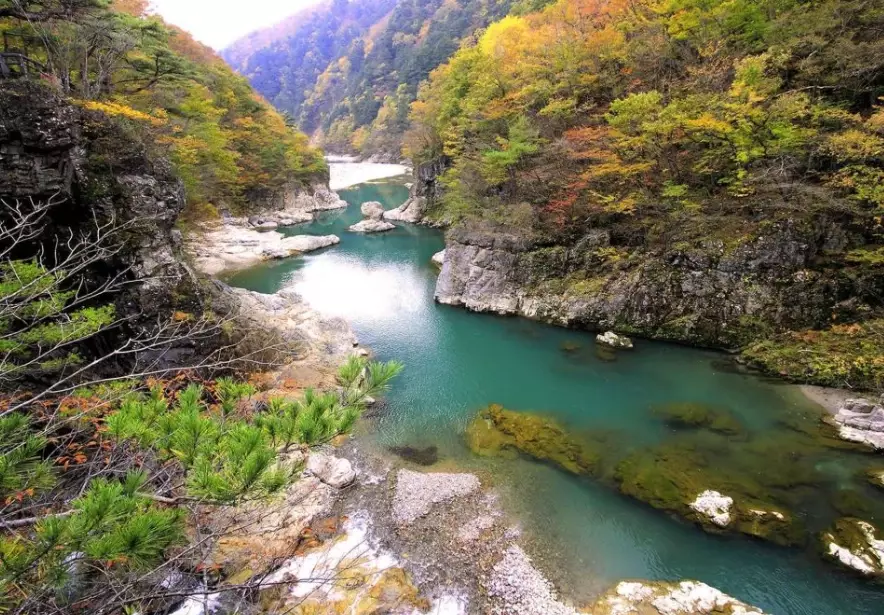
The park is broadly split into two areas everyone talks about, and a third that most day-trippers miss.
- The Shrine Area (Nikko-sannai): This is the main draw. Toshogu, Futarasan, and Rinnoji temples form the core UNESCO World Heritage site. It's busy, intricate, and awe-inspiring.
- The Natural Area (Okunikko): This means "Inner Nikko." It's about a 40-minute bus ride up a winding mountain road (the Irohazaka) to Lake Chuzenji, Kegon Falls, and the trailheads for hikes around Mt. Nantai. The air is cooler, the pace is slower.
- The Onsen Villages: Places like Yumoto Onsen, at the far end of Lake Chuzenji, are where you go to truly unwind. This is the local secret for extending a Nikko trip.
Local Insight: The biggest error visitors make is trying to do both the Shrine Area and Lake Chuzenji in one day. It's technically possible, but you'll spend more time on buses than enjoying either place. You'll be exhausted. If you have only one day, pick one zone and explore it properly. Your experience will be ten times better.
Getting There & Where to Bed Down
How to Reach Nikko from Tokyo
You have two main rail options, and your choice depends on budget and convenience.
| Route / Service | Key Details | Travel Time | Approx. Cost (One Way) | Best For |
|---|---|---|---|---|
| Tobu Railway (Tobu Nikko Line) | Departs from Asakusa Station. The direct "SPACIA" limited express (Tobu Nikko/Kinugawa) is the most comfortable. | ~1 hr 50 min (express) | ¥2,800 - ¥3,500* | Most travelers. Combines well with the Nikko Pass for discounts. |
| JR East (JR Nikko Line) | Departs from Ueno or Shinjuku via Utsunomiya. Covered by the Japan Rail Pass. | ~1 hr 45 min - 2 hrs | ¥4,000 - ¥5,000 (Free with JR Pass) | JR Pass holders. Slightly less convenient final connection. |
*Strongly consider the Tobu Nikko Pass (from ¥2,200 for 2 days). It covers the round-trip train from Asakusa (on slower trains) and unlimited bus travel within Nikko, which is the real money-saver. Bus fares add up quickly. Check the latest on the Tobu Railway website.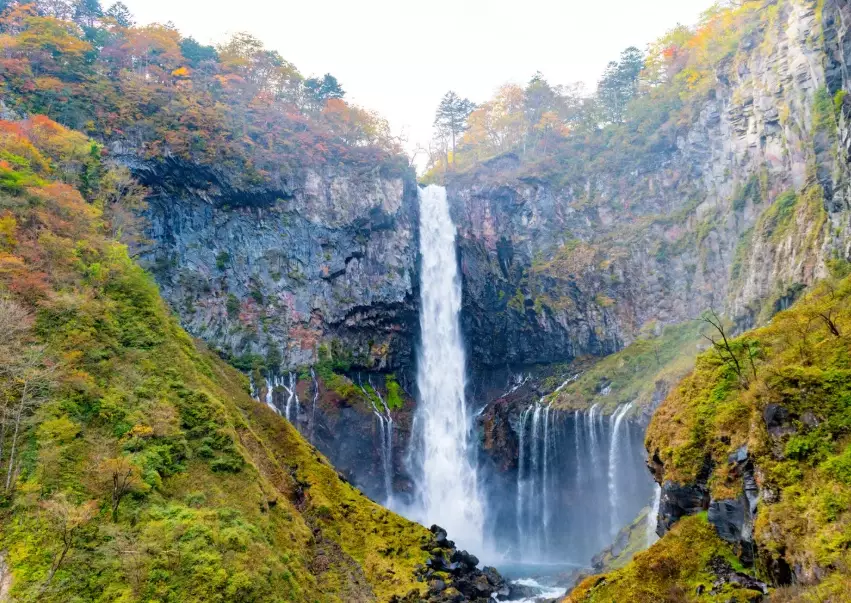
Where to Stay: Town, Lake, or Onsen?
Your hotel location defines your trip vibe.
Nikko Town / Station Area: Best for first-timers and shrine focus. You're steps from the World Heritage site and have the most dining options. Hotels like Nikko Station Hotel Classic are modern and convenient. Expect rooms from ¥10,000-¥20,000 per night.
Lake Chuzenji Area: Ideal for nature lovers and photographers. Waking up to lake views is magical. The catch: restaurants are few, and you're reliant on buses that stop running relatively early. A lakeside stay like Chuzenji Kanaya Hotel offers classic charm. Prices are similar to the town.
Yumoto Onsen Area: The deep relaxation choice. This is where you go after hiking. It's remote, quiet, and all about the hot spring baths. Ryokans here are traditional, with kaiseki dinners. This is a splurge, with prices often starting at ¥25,000 per person including meals. It's worth it for a one-night "reset."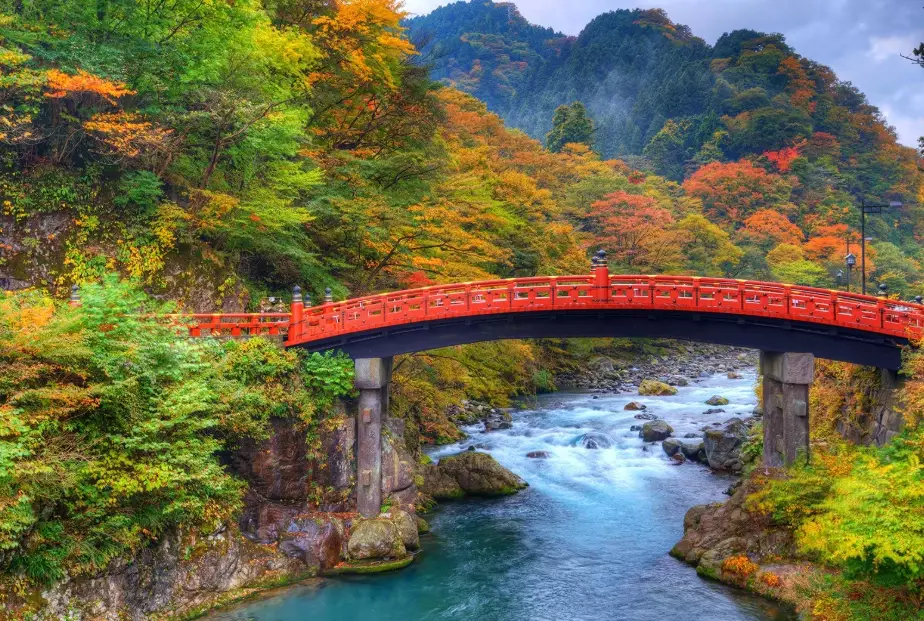
The Cultural Heart: Shrines & Temples
Let's talk about the main event. Most people come for Toshogu. But you should know it's part of a trio.
Toshogu Shrine: The Gold Standard
Address: 2301 Sannai, Nikko, Tochigi 321-1431
Hours: 8:00 AM - 5:00 PM (Apr-Oct), 8:00 AM - 4:00 PM (Nov-Mar)
Admission: ¥1,300 for the full precinct (¥1,000 for just the main area).
This is the excessively ornate tomb of Tokugawa Ieyasu, the founder of the Edo Shogunate. Every surface is carved, painted, or gilded. The famous Yomeimon Gate is called the "sunset gate" because you could look at it all day.
My advice? Get here the moment it opens. Tour buses arrive around 9:30 AM. That first hour of quiet is golden. Don't just look up—look at the carvings on the sacred stable: the three wise monkeys are there. The sleeping cat (nemuri-neko) is smaller than you think.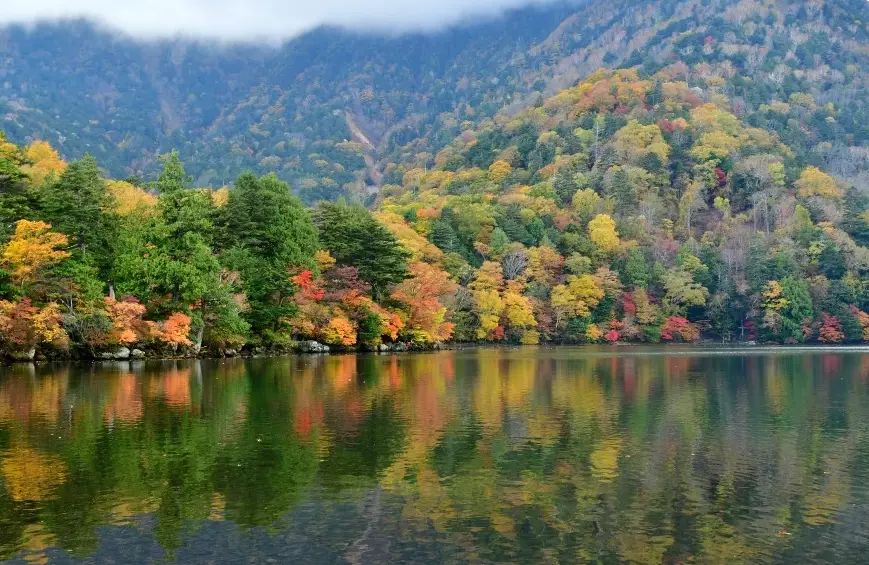
Futarasan Shrine & Rinnoji Temple
Buy the ¥1,000 combination ticket that gets you into the main halls of Futarasan and Rinnoji. It's a no-brainer.
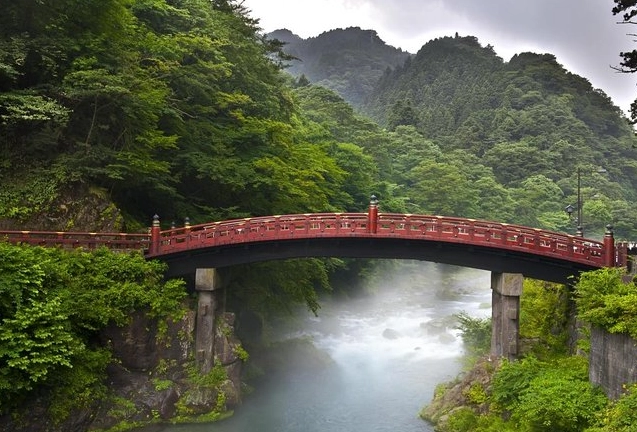
Futarasan Shrine is older and more austere than Toshogu, dedicated to the mountain gods. The Shinkyo Bridge (a 5-min walk from the shrine area, ¥300 to cross) is its iconic vermilion entrance.
Rinnoji Temple is the Buddhist counterpoint. Its main hall, the Sanbutsudo, houses three giant, gold-lacquered Buddha statues. It feels solemn and massive.
Walking the stone paths between these complexes, under centuries-old cedar trees, is half the experience.
The Natural Escape: Lakes, Falls & Hiking
Take the bus from Nikko Station up the Irohazaka winding road to Okunikko. The temperature drops, the air gets crisper.
Lake Chuzenji & Kegon Falls
Lake Chuzenji is a crater lake formed by Mt. Nantai's eruption. The bus terminal area (Chuzenjiko Onsen) is a bit touristy. Walk 10 minutes along the shore in either direction to find peace. Boat rentals are available, but I find the 30-minute sightseeing cruise (¥1,500) a bit underwhelming.
Kegon Falls is a 2-minute walk from the bus terminal. It's one of Japan's three great waterfalls, plummeting 97 meters. You can view it from above for free, or pay ¥570 to take an elevator down to the observation deck at the base. The paid view is powerful and worth it if you like feeling the spray.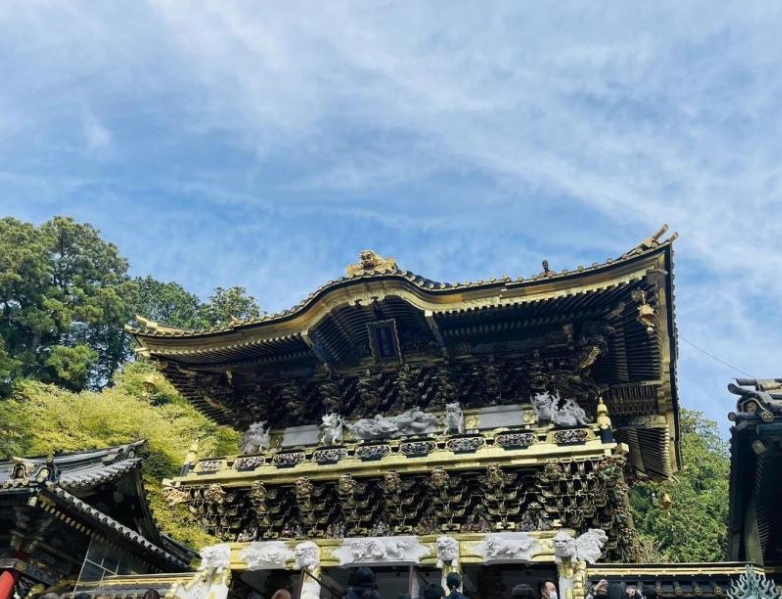
Hiking Trails for Every Level
This is where you leave 90% of visitors behind.
- Senjogahara Marshland Trail: My personal favorite. A flat, boardwalk trail through a highland marsh. Start from Ryuzu Falls and walk 2-3 hours to Yumoto Onsen. You'll see wildflowers, deer, and epic mountain views. It's easy and unforgettable.
- Mt. Hangetsuyama: A 30-40 minute moderate hike from the Chuzenjiko Onsen area. The reward is a panoramic view of the entire lake. Perfect for a short, satisfying climb.
- Mt. Nantai: A serious, 4-5 hour ascent (one-way) for experienced hikers. It's a sacred mountain with a history of pilgrimage. Not for a casual stroll.
Putting It All Together: Sample Itineraries
The 2-Day/1-Night Classic (Stay in Nikko Town):
Day 1: Arrive by noon. Explore Toshogu, Futarasan, and Rinnoji in the afternoon (it's less crowded later). Spend the night in town.
Day 2: Bus to Lake Chuzenji. See Kegon Falls, walk part of the Senjogahara trail, enjoy the lake. Return to Tokyo in the evening.
The 3-Day/2-Night Immersion (For Nature & Onsen):
Day 1: Shrines in Nikko Town. Stay in town.
Day 2: Bus to Lake Chuzenji. Hike the Senjogahara trail all the way to Yumoto Onsen. Stay at a ryokan there, soak in the onsen.
Day 3: Relax in Yumoto Onsen, explore the smaller Yunoko Lake, take a leisurely journey back to Tokyo.
Your Nikko Questions, Answered
Nikko has a way of surprising you. You come for the glittering shrine, but you remember the quiet cedar path, the mist on the lake at dawn, the ache in your legs after a good hike, and the deep warmth of a hot spring bath under the stars. It's not a single attraction; it's a feeling. Plan for that feeling, and you'll leave with more than just photos.

Share Your Thoughts