Your Journey at a Glance
- The Big Three: Flights, Accommodation, and Transport
- The Daily Costs: Food, Fun, and the Little Things
- Putting It All Together: Sample Realistic Budgets
- Seasonal Swings & Money-Saving Hacks That Actually Work
- Common Questions (Stuff You're Probably Wondering)
- Final Thoughts: Building Your Realistic Number
You're dreaming of sushi in Tokyo, temples in Kyoto, maybe an onsen soak with a mountain view. It's all crystal clear in your head. Then the thought hits you – the budget. That's where the dream can get a little fuzzy. I've been there, scrolling through forums, getting wildly different numbers, from "Japan is crazy expensive!" to "You can do it on $50 a day!" The truth, as always, is somewhere in the gloriously detailed middle. It completely depends on you.
So, let's cut through the noise. How much does a trip to Japan cost realistically? I'm not going to give you one magic number. Instead, I'm going to break down every single cost you'll encounter, from the moment you book your flight to that last souvenir. We'll look at it through different traveler lenses – the budget backpacker, the comfortable mid-ranger (that's probably most of us), and the luxury seeker. By the end, you'll be able to build your own number, one that's realistic for your style. No more guesswork.
The Short Answer? For a comfortable, do-everything-you-want trip (not luxury, not scraping by), plan for ¥12,000 to ¥20,000 per person, per day (about $80-$135 USD). This covers mid-range hotels, local trains, decent meals, attractions, and some shopping. For a 10-day trip for two, that's a total ballpark of $2,500 to $4,000, excluding international flights. But please, keep reading. That daily number changes drastically based on a hundred small choices.
The Big Three: Flights, Accommodation, and Transport
These are your fixed costs, the pillars of your budget. Get these sorted, and the rest feels easier.
1. The Flight: Your Biggest Wild Card
This varies more than anything. From the US West Coast, you can sometimes snag deals for $600-$800 round-trip if you're flexible and book well ahead (think 4-6 months). From Europe or the East Coast, expect $900-$1,500+. I once paid $1,100 from New York, and I thought that was a steal. Shoulder seasons (April-May, late Sept-Oct) are golden for balancing good weather and okay prices. Peak seasons (cherry blossom, autumn leaves, New Year) will cost you. A lot.
Pro Tip: Use flight aggregators, but also check airlines' websites directly. All Nippon Airways (ANA) and Japan Airlines (JAL) often have special tourist fares that don't show up elsewhere.
2. Where You Sleep: From Capsules to Ryokan
Accommodation is where your budget personality really shines. Space is premium in Japan, so rooms are famously compact. Don't expect a sprawling suite for a low price.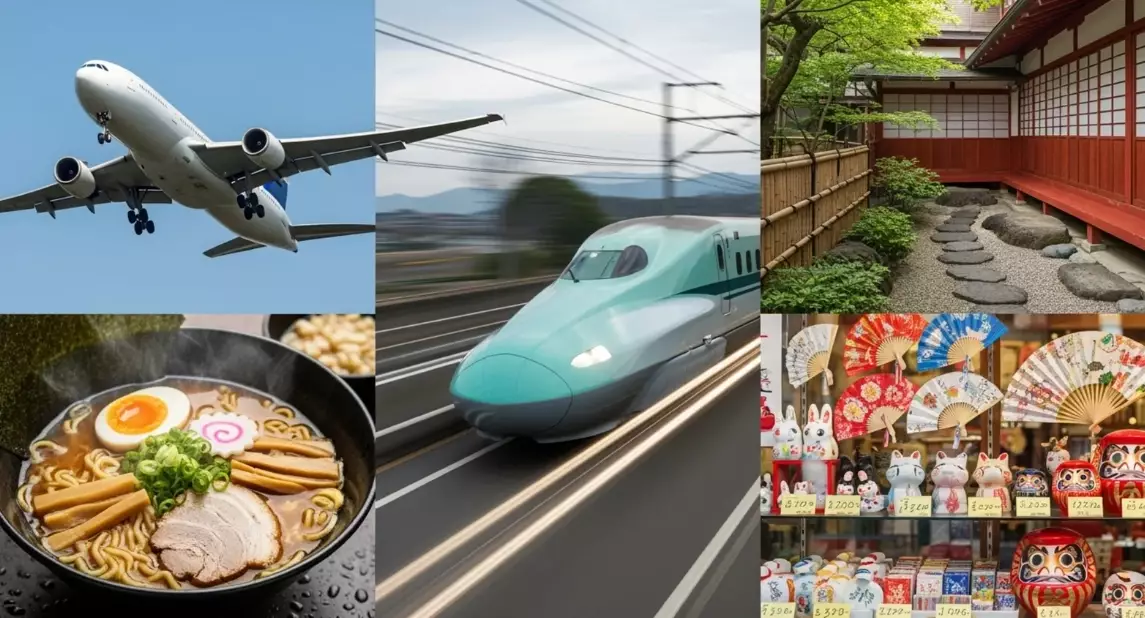
| Accommodation Type | Realistic Cost Per Night | What You Get & Notes |
|---|---|---|
| Budget Hostel / Capsule Hotel | ¥2,500 - ¥4,500 ($17-$30) | A bed, sometimes a tiny pod. Shared bathrooms. Great for solo travelers on a tight budget. Privacy is minimal. Some capsules are surprisingly high-tech! |
| Business Hotel / Mid-Range Hotel | ¥8,000 - ¥15,000 ($55-$100) | Your own small, clean, efficient room with private bathroom. Think APA, Dormy Inn, Tokyu Stay. My go-to category. Reliable, often with free amenities (pajamas, toiletries, sometimes even breakfast). |
| 3-4 Star Western Hotel | ¥20,000 - ¥40,000+ ($135-$270+) | More space, better locations, concierge. Prices in Tokyo/Osaka/Kyoto can be eye-watering, especially in prime spots. |
| Traditional Ryokan | ¥15,000 - ¥50,000+ ($100-$340+) per person | An experience, not just a room. Includes kaiseki dinner & breakfast, onsen access. A must-do splurge for at least one night. Price is usually per person with two sharing. |
| Vacation Rental (Airbnb etc.) | Good for groups/families. Ensure it has a valid license ("Minpaku"). Regulations are strict. Can offer more space and a kitchen. |
My personal take? I love business hotels. They're no-fuss, centrally located near stations, and the consistency is comforting after a long day of navigating. I've stayed in a capsule once for the experience – it was fun for a night, but the constant rustling of others would drive me nuts for a whole trip.
3. Getting Around: The Rail Pass Dilemma & Beyond
Japan's transport is legendary for its efficiency and... cost. The famous Japan Rail Pass (JR Pass) is a big budget item. But here's the real talk: it's not always worth it.
Important Update: As of October 2023, the JR Pass price increased significantly. It's now roughly double the old cost. This changes the math completely.
The 7-day Ordinary JR Pass is now around ¥50,000 ($330). To break even, you'd need to take a round-trip Shinkansen between Tokyo and Kyoto (about ¥27,000 each way) plus some extra travel. If your itinerary is just Tokyo-Kyoto-Osaka round-trip in 7 days, you might just break even. But if you're mostly in one region, or traveling slower, it's almost certainly not worth it.
Always use the official Japan Rail Pass reservation site or JRPass.com to check current prices and run a fare calculation. Don't just buy it because it's famous.
Alternatives are often smarter:
- Regional Passes: JR East Pass, Kansai Area Pass, etc. These are cheaper and perfect for focused travel.
- Pay-as-you-go with an IC Card: Suica or Pasmo. Tap and go on trains, buses, convenience stores, vending machines. Incredibly convenient for city travel.
- Highway Buses (Willer Express, etc.): Significantly cheaper than Shinkansen, but take 2-3 times longer. Good for overnight trips to save on a hotel night.
- Domestic Flights (Peach, Jetstar): For long distances (e.g., Tokyo to Sapporo), can be cheaper than Shinkansen.
Figuring out how much does a trip to Japan cost realistically means doing this transport math for your specific route. It's a bit of homework, but it can save you hundreds.
The Daily Costs: Food, Fun, and the Little Things
This is where your trip comes to life. And honestly, it's where Japan can be surprisingly reasonable.
Eating & Drinking: A Paradise for All Budgets
Japanese food is a major reason to visit, and you don't need a fat wallet to enjoy it.
Budget Food Day: Breakfast from 7-Eleven (¥500), lunch at a standing soba shop or ramen counter (¥800), dinner at a casual gyudon chain like Sukiya (¥700). Snacks: maybe a melon pan (¥200). Total: ~¥2,200 ($15). You'll eat well, but it's basic.
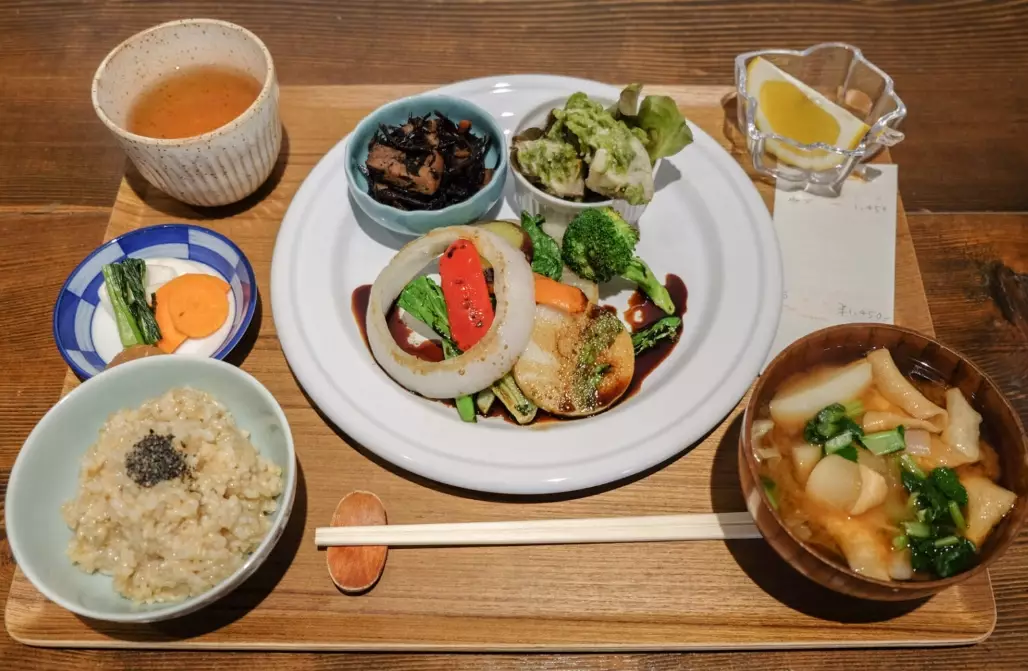
Mid-Range Food Day: Cafe breakfast (¥1,000), a nice set lunch (teishoku) at a local restaurant (¥1,200), dinner at a good izakaya with a couple of drinks (¥3,000). Maybe a fancy dessert (¥600). Total: ~¥5,800 ($39). This is the sweet spot for variety and quality.
Splurge Food Day: Sushi breakfast at Tsukiji (¥3,000), Kobe beef teppanyaki lunch (¥8,000), omakase dinner with sake pairing (¥15,000+). Total: ¥26,000+ ($175+). The sky's the limit.
Convenience stores (konbini) are lifesavers. ¥100 coffee is decent, onigiri (rice balls) are delicious and cheap, and the fried chicken is legendary. Don't sleep on them.
My biggest food hack? Eat lunch like a king. Many excellent restaurants offer incredible set lunches ("ranchi") for a fraction of their dinner price. You can experience high-end cuisine without the high-end dinner bill.
Attractions & Activities: Temples, Tickets, and Tours
Many of Japan's best experiences are free or cheap: wandering historic neighborhoods, temple grounds (though some inner areas charge), hiking, people-watching.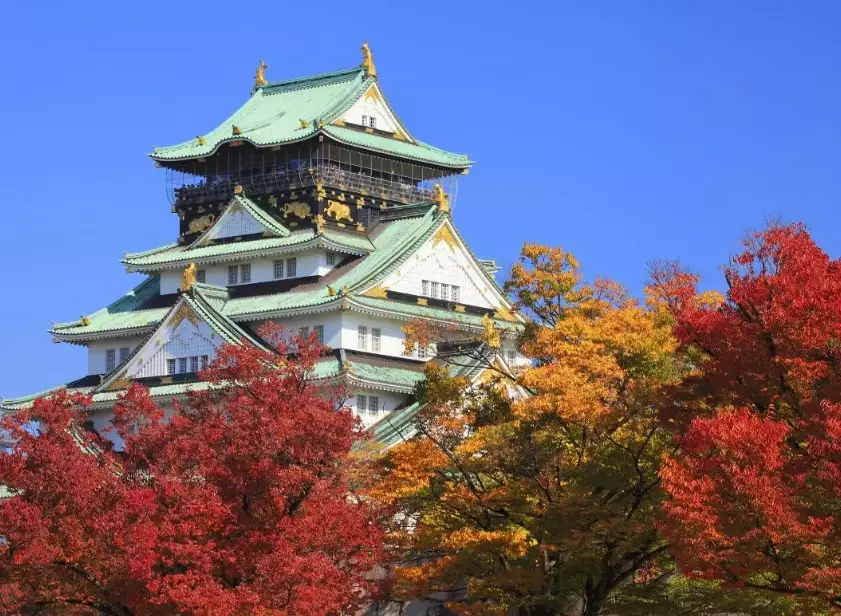
- Temple/Shrine Entry: Typically ¥300-¥800 ($2-$5.50) for the famous ones (e.g., Kiyomizu-dera, Todai-ji). Many smaller ones are free.
- Museums: ¥500-¥1,800 ($3.50-$12).
- Ghibli Museum: ¥1,000 ($7) but requires booking months in advance.
- TeamLab Planets/Borderless: Around ¥3,200-¥3,800 ($22-$26). Worth it, but book online.
- Onsen/Sento (Public Bath): ¥400-¥1,000 ($3-$7) for a fantastic, relaxing experience.
- Sumo Tournament Ticket: From ¥3,800 for arena seats to ¥15,000+ for good chairs.
Budget about ¥1,500-¥3,000 ($10-$20) per day for attractions if you're hitting a couple of paid spots.
The Sneaky Costs: SIM Cards, Souvenirs, and Sundries
These add up fast.
Connectivity: A pocket WiFi router costs ¥500-¥1,000 per day. A tourist SIM card with data (e.g., from Sakura Mobile or Mobal) is about ¥4,000-¥7,000 for 2 weeks. Essential for navigation.
Souvenirs (Omiyage): You'll want to bring stuff back. Budget at least ¥5,000-¥10,000 ($35-$70) for this. Local snacks from depachika (department store basements) are always a hit.
Cash: Japan is still a cash society in many places, especially smaller restaurants, temples, and markets. Withdraw from 7-Eleven ATMs (they accept foreign cards). Always have some yen on you.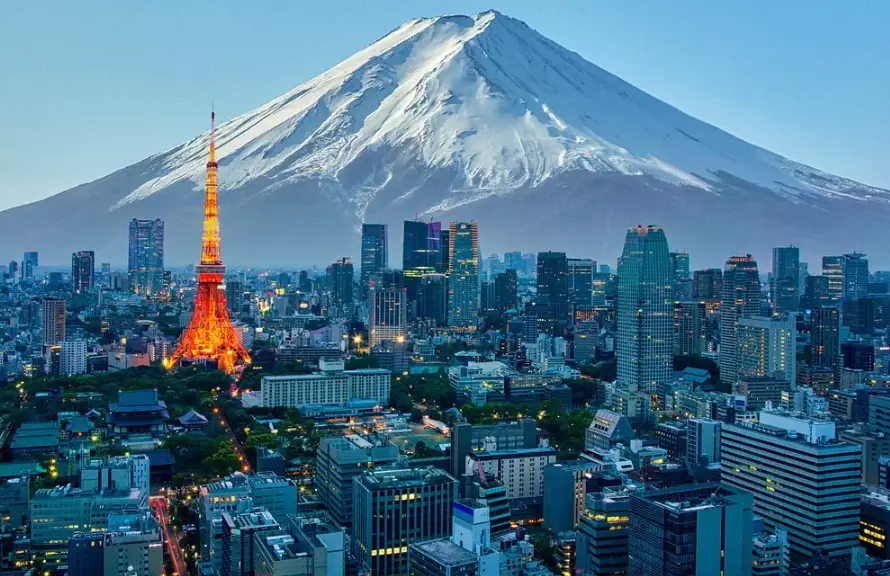
Putting It All Together: Sample Realistic Budgets
Okay, let's synthesize. Here’s what a realistic Japan trip cost looks like for different travel styles for a 10-day, 9-night trip for one person. Flights are excluded as they vary too much.
The Budget Backpacker (Shoestring)
Mindset: Capsules/hostels, buses, convenience store meals, free sights.
Daily Budget: ¥7,000 - ¥9,000 ($47-$60)
Total (10 days): ¥70,000 - ¥90,000 ($470-$600)
Breakdown: Accommodation (¥3,000) + Food (¥2,500) + Local Transport (¥1,000) + Activities (¥500).
Is it possible? Yes. Is it comfortable? Not really. You'll be saying "no" to a lot of experiences.
The Comfortable Traveler (The Sweet Spot)
Mindset: Business hotels, mix of Shinkansen and local trains, restaurant meals, paid attractions.
Daily Budget: ¥12,000 - ¥18,000 ($80-$120)
Total (10 days): ¥120,000 - ¥180,000 ($800-$1,200)
Breakdown: Accommodation (¥9,000) + Food (¥4,000) + Transport (¥3,000) + Activities/Souvenirs (¥2,000).
My recommendation: This range lets you experience Japan fully without constant stress. You can enjoy a nice meal, take the fast train when needed, and not worry about every single yen. This is the most realistic answer for most people asking, "How much does a trip to Japan cost realistically?"
The Luxury Experience (No Holds Barred)
Mindset: 4-5 star hotels, all Shinkansen Green Car, fine dining, private guides.
Daily Budget: ¥35,000+ ($235+)
Total (10 days): ¥350,000+ ($2,350+)
Breakdown: The sky's the limit. A night at a top ryokan alone can be ¥80,000 per person.
For a couple traveling in the "comfortable" range, a 10-day trip would likely land between $2,500 to $3,800 total, plus flights. That feels about right to me.
Seasonal Swings & Money-Saving Hacks That Actually Work
Time of year massively impacts cost. Golden Week (late April/early May), Obon (mid-August), and New Year are peak domestic travel times. Accommodation is scarce and pricey, trains are packed. Cherry blossom season (late March-early April) is gorgeous but comes with a 30-50% price premium on hotels. Shoulder seasons are your friend.
Real hacks from my trips:
- Book accommodation early. Seriously. Good, reasonably-priced places in Kyoto or Tokyo sell out months ahead.
- Use luggage forwarding (takkyubin). For about ¥2,000, Yamato Transport will send your suitcase from your Tokyo hotel to your Kyoto hotel. Travel with just a daypack on the Shinkansen. Worth every yen for the convenience.
- Get a Suica/Pasmo card immediately. Saves you from buying individual tickets for every subway ride.
- Eat in department store food halls (depachika) for lunch. The variety is insane, quality is high, and it's cheaper than sit-down restaurants.
- Visit the Japan National Tourism Organization (JNTO) website. It's an official, reliable source for event info, travel ideas, and official guidance.
Common Questions (Stuff You're Probably Wondering)
Final Thoughts: Building Your Realistic Number
So, how much does a trip to Japan cost realistically? You see now it's not one number. It's a formula: (Your Flight) + (Your Nightly Hotel Rate x Nights) + (Your Transport Plan) + (Your Daily Spend x Days).
Start by nailing down your flight. Then, look at hotels in your desired cities for your dates – that'll shock you into a realistic nightly rate. Plot your city-to-city route and research the train/bus costs. Finally, add a daily fund for food, fun, and surprises.
Be honest with yourself about your travel style. Trying to be a budget traveler when you really want a private bathroom and a nice sushi dinner will just make you miserable. It's better to save for an extra few months and go at the level that lets you enjoy it fully.
Japan is worth every yen. The precision, the cleanliness, the profound respect, the mind-blowing food, the blend of hyper-modern and deeply traditional – it's a place that gets under your skin. With a realistic budget in hand, you can stop worrying about money and start soaking in every incredible moment. Happy planning.
Share Your Thoughts