In This Guide
- First Things First: When to Go and How Long to Stay
- Building Your Japan Travel Itinerary: The Routes
- The Money Talk: Budgeting Your Japan Trip
- The Japan Rail Pass (JR Pass): Savior or Scam?
- Where to Stay: Location is Everything
- Culture & Etiquette: Don't Stress, But Do Know This
- Food: A Core Part of Any Japan Travel Itinerary
- Packing & Practical Tips
- Frequently Asked Questions (The Real Ones)
- Final Checklist Before You Go
Let's be real. Planning a trip to Japan can feel overwhelming. You're bombarded with lists of temples, photos of sushi, and conflicting advice about the infamous Japan Rail Pass. Where should you even start? I remember my first trip. I had a spreadsheet with a hundred tabs, and I still felt like I was missing something.
This guide is different. It's the one I wish I had. We're going to cut through the noise and build a practical, flexible Japan travel guide itinerary that actually works for real people. Whether you have a week or two, whether you're a foodie, a history buff, or just want to see it all, we'll map it out.
The goal here isn't just to give you a day-by-day schedule. It's to give you the framework and the confidence to build your own perfect trip. We'll talk money, transport, culture shocks, and those little moments you can't plan for but make the trip unforgettable.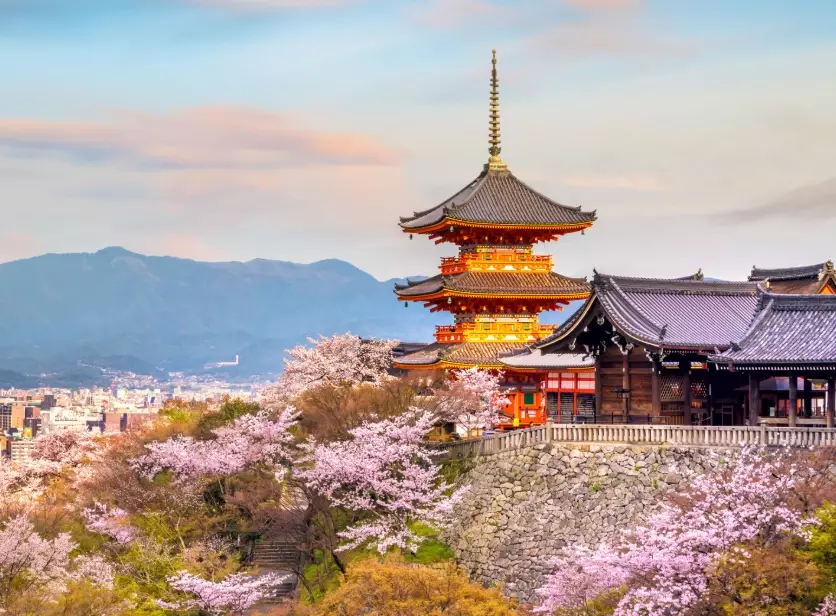
First Things First: When to Go and How Long to Stay
This is the question that decides everything else. The season impacts your budget, your packing list, and the very feel of your Japan travel itinerary.
The Great Season Debate: Cherry Blossoms vs. Autumn Colors vs. Everything Else
Everyone talks about cherry blossom season (late March to early April). It's magical, sure. The parks in Kyoto and Tokyo are like something from a dream. But it's also the most crowded and expensive time of year. Hotels book up a year in advance, and you'll be sharing every iconic view with a hundred other tourists. My personal take? It's beautiful but stressful.
Autumn (late October to early December) is my absolute favorite for a Japan travel guide itinerary. The koyo (autumn leaves) are just as stunning as the sakura, the weather is crisp and perfect for walking, and the crowds are noticeably thinner. The colors in places like Nikko or Kyoto's temples are unreal.
Don't overlook the shoulder seasons. Late spring (May) and early autumn (September) offer great weather and fewer people. Winter (excluding New Year) can be a fantastic budget option for city exploring and onsens, especially in Hokkaido for skiing.
How Many Days Do You Really Need?
This is the core of your Japan travel guide itinerary planning.
- 7 Days (The Classic First-Timer Sprint): This usually means Tokyo, Kyoto, and maybe a day trip to Nara or Osaka. It's fast-paced but hits the major highlights. You'll be tired, but you'll see a lot.
- 10 Days (The Sweet Spot): This gives you breathing room. You can add Hiroshima/Miyajima, spend more time in Kyoto's surrounding areas like Arashiyama, or explore a smaller city like Kanazawa.
- 14 Days (The Deep Dive): Now we're talking. You can combine multiple regions. Think Tokyo, Hakone (for Mt. Fuji views), the classic Kyoto/Osaka/Nara circuit, then head south to Hiroshima, or north to the Japanese Alps (Takayama, Shirakawa-go). This is the ideal length for a comprehensive Japan travel itinerary.
Anything less than a week, I'd suggest picking just one region—like focusing solely on Kansai (Kyoto/Osaka) or just Tokyo and nearby day trips. Trying to do too much is the biggest mistake first-timers make.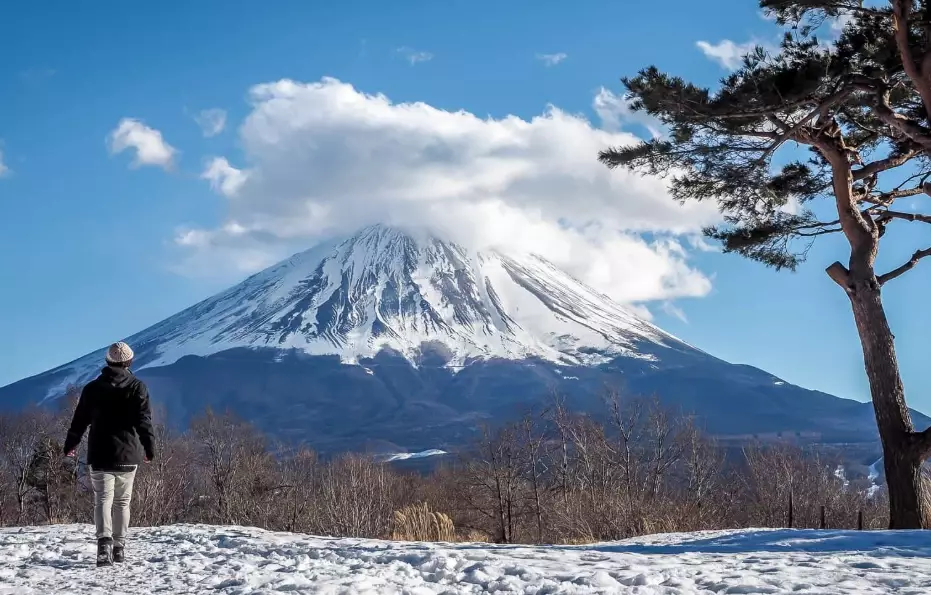
Building Your Japan Travel Itinerary: The Routes
Here’s where we get practical. Let's lay out some sample routes. Think of these as templates you can adjust.
The Top 3 Japan Itinerary Frameworks
I've ranked these based on my own experience and what most travelers seem to enjoy most.
Top 1: The Golden Route (7-10 Days)
This is the most popular Japan travel itinerary for good reason. It's efficient and iconic.
- Tokyo (3-4 days): Shinjuku, Shibuya, Asakusa, Akihabara, a day trip to Kamakura or Nikko.
- Travel via Shinkansen: Activate your JR Pass here if you have one.
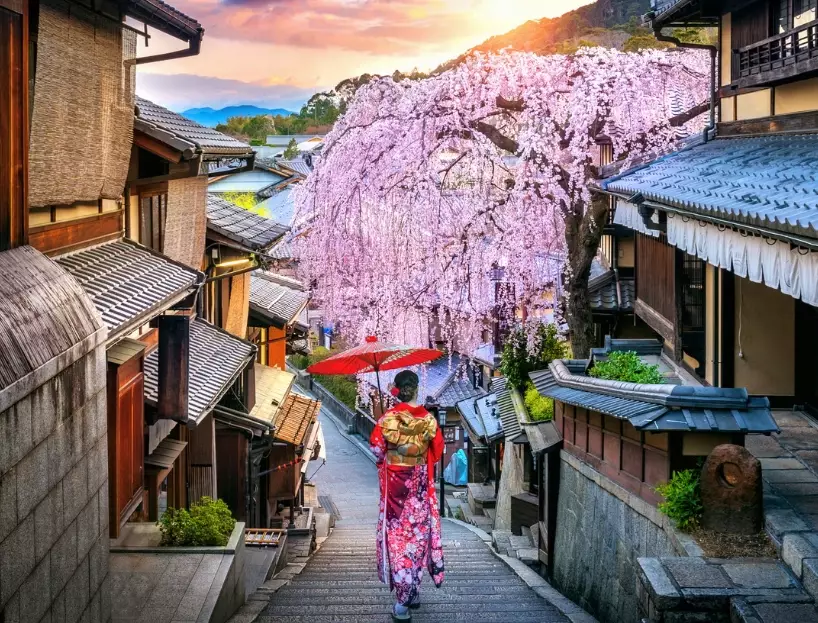
- Kyoto (3-4 days): Fushimi Inari (go early!), Arashiyama Bamboo Grove, Kinkaku-ji, Gion district.
- Day Trips from Kyoto (2 days worth): Nara for the deer and Todai-ji Temple, Osaka for street food and Osaka Castle.
Top 2: The Grand Tour (14 Days)
This is the ultimate Japan travel guide itinerary if you have the time.
- Tokyo (4 days)
- Hakone (1-2 days): For ryokan stays, onsens, and (hopefully) views of Mt. Fuji. The Hakone Free Pass is great here.
- Kyoto (4 days)
- Hiroshima & Miyajima (2 days): The Peace Memorial Museum is a profound, somber must-see. Miyajima's floating torii gate is breathtaking.
- Osaka (2 days): For the vibrant nightlife and incredible food scene in Dotonbori.
Top 3: The Off-The-Beaten-Path Mix (10-12 Days)
For those who've been before or want a different vibe.
- Tokyo (3 days)
- Kanazawa (2 days): A beautiful castle town with a fantastic market and preserved geisha districts. Often called "Little Kyoto" but way less crowded.
- Takayama & Shirakawa-go (2 days): Explore the Japanese Alps and the famous thatched-roof farmhouses (a UNESCO site).
- Kyoto (3 days)
The Money Talk: Budgeting Your Japan Trip
Japan has a reputation for being expensive. It can be, but it doesn't have to be. You can have a kaiseki meal one night and delicious convenience store ramen the next. Let's break it down.
Japan Travel Budget Breakdown (Per Person, Per Day)
| Budget Level | Accommodation | Food & Drink | Transport & Activities | Daily Total (Approx.) |
|---|---|---|---|---|
| Budget Traveler | Hostel / Capsule (¥3,000-¥5,000) | Convenience stores, street food, cheap ramen shops (¥2,000-¥3,000) | Local trains, walking, few paid attractions (¥1,500-¥2,500) | ¥6,500 - ¥10,500 (~$45-$70 USD) |
| Mid-Range Traveler | Business hotel / Airbnb (¥8,000-¥15,000) | Mid-range restaurants, izakayas, cafe stops (¥4,000-¥6,000) | Regional passes, some taxis, entry fees (¥3,000-¥5,000) | ¥15,000 - ¥26,000 (~$100-$175 USD) |
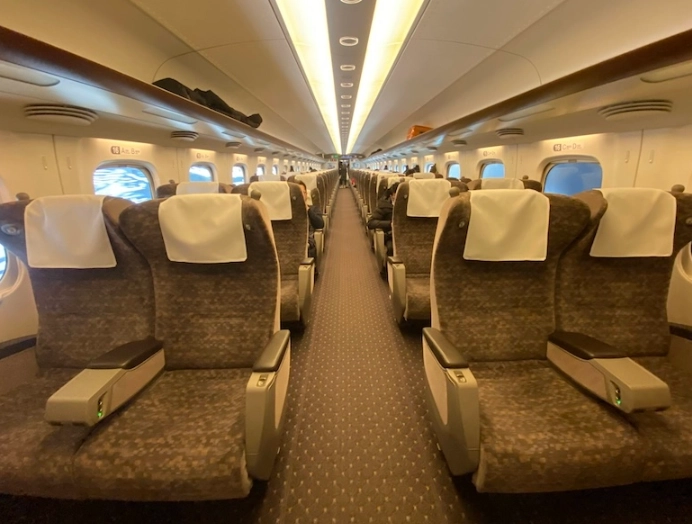
| Luxury Traveler | 4*+ Hotel / Ryokan (¥25,000+) | Fine dining, high-end sushi/kaiseki (¥10,000+) | Green Car trains, private tours, all activities (¥8,000+) | ¥43,000+ (~$285+ USD) |
*Prices are approximate and can vary by city and season. Tokyo/Kyoto are pricier.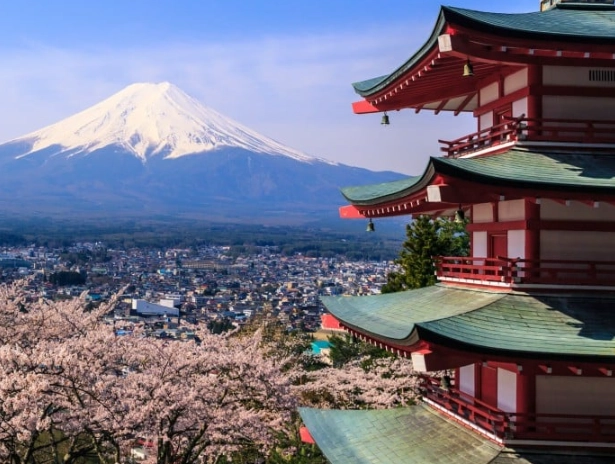
See? It's manageable. The biggest fixed cost is often the flight and the inter-city transport, which brings us to the legendary...
The Japan Rail Pass (JR Pass): Savior or Scam?
This is the single most debated topic in any Japan travel guide itinerary. The JR Pass price increased significantly in late 2023, which changed the math for a lot of people.
Here's the simple rule now: The JR Pass is only worth it if you are doing a LOT of long-distance Shinkansen travel in a short period (typically the 7-day pass). For the classic Tokyo-Kyoto-Osaka-Hiroshima round trip, it still might break even. But for a simple Tokyo-Kyoto-Osaka-Tokyo loop, it's often cheaper to buy individual tickets or use regional passes.
You MUST do the math. Use the official Japan Rail Pass website for the latest prices and compare with fares on JR Central or a fare calculator like Jorudan. Don't just buy it because every blog tells you to. I made that mistake once and barely saved $20 for the hassle of exchanging the voucher.
Alternative Passes That Might Save You More
For regional travel, these are often better value and a key secret for a savvy Japan travel itinerary:
- JR Kansai Area Pass: For travel around Kyoto, Osaka, Nara, Kobe.
- JR Hiroshima Area Pass: Great if you're basing yourself in Hiroshima.
- Tokyo Subway Tickets: 24/48/72-hour unlimited rides on Tokyo Metro and Toei lines. An absolute steal if you're exploring Tokyo intensively.
Where to Stay: Location is Everything
Picking the right neighborhood is more important than picking the fanciest hotel. You'll save hours and yen on transport.
Tokyo: Stay near a major Yamanote Line station (the loop line that connects most major districts). Shinjuku and Shibuya are bustling hubs with great nightlife and food. Ueno or Asakusa offer a more traditional feel and are often slightly cheaper. I stayed in Shinagawa once for a good deal—it was efficient but soul-less, just a business hotel cluster. I missed the energy.
Kyoto: Staying near Kyoto Station is super convenient for arrivals/departures and has great bus/train links, but it's not the most atmospheric. The Gion/Higashiyama area is beautiful and walkable to many temples, but can be pricier and busier with tourists. Consider a quieter area like near the Arashiyama station if that's your focus.
For a unique experience, splurge on one night in a ryokan (traditional inn) with kaiseki dinner and breakfast. It's a cultural immersion and a highlight for many. Just know the etiquette—dinner is served early, and you might be sleeping on a futon.
Culture & Etiquette: Don't Stress, But Do Know This
Japanese people are incredibly gracious and don't expect tourists to know every rule. But trying goes a long way.
The Non-Negotiable Basics
- Onsens (Public Baths): Wash thoroughly before you get in the bath. No swimsuits. No tattoos in most public onsens (look for "tattoo-friendly" ones). It's awkward at first, but utterly relaxing once you get past it.
- Shoes: Off in homes, ryokans, temples, and some traditional restaurants. Look for the step up or slippers at the entrance. There are often separate bathroom slippers too—don't wear those out of the bathroom!
- Money: Use the little tray at registers to place your cash/card. Don't hand money directly. Receiving change is a two-handed affair.
- Trash: Public bins are rare. Carry a small bag for your trash and dispose of it at your hotel or convenience store.
- Quiet on Trains: No phone calls. Keep conversations low. It's a blissful rule, honestly.
Just saying "arigatou gozaimasu" (thank you) and bowing slightly will get you smiles. The JNTO's etiquette guide is a great, official resource for deeper dives.
Food: A Core Part of Any Japan Travel Itinerary
You don't need me to list every dish. But you need strategy.
Don't be afraid of:
- Convenience Stores (7-Eleven, Lawson, FamilyMart): Their quality is insane. Onigiri (rice balls), sandwiches, fried chicken, and even pasta are legitimately good and cheap. Perfect for breakfast or a train snack.
- Izakayas: Japanese pubs. Order small plates to share and a beer or sake. The atmosphere is lively and the food is fantastic. Look for places with plastic food models outside if you're unsure.
- Ramen Shops: Often use vending machines to order. Put in money, press the button for your dish, get a ticket, hand it to the staff. It's efficient and avoids language barriers.
Do try to:
- Have sushi at a standing sushi bar (kaitenzushi) for a fun, affordable experience.
- Try regional specialties: Okonomiyaki in Osaka, Hiroshima-style okonomiyaki (it's different!), yudofu (tofu hot pot) in Kyoto, fresh seafood in Hokkaido or Toyama.
- Make at least one reservation for a special meal if that's your thing. Some high-end places require bookings through your hotel concierge.
Packing & Practical Tips
Pack light. You'll be moving around, and luggage space on trains can be tight. Bring comfortable walking shoes—you will walk more than you think. A small coin purse is essential; you'll accumulate hundreds of yen coins. A portable WiFi router or eSIM is a must for navigation and translations. I used an eSIM last time and it was seamless.
Download these apps before you go: Google Maps (works perfectly), Japan Travel by Navitime (for train schedules), and Google Translate (use the camera function to translate menus).
Frequently Asked Questions (The Real Ones)
Final Checklist Before You Go
- Flights & Accommodation: Booked, especially if traveling during peak season.
- JR Pass or Regional Passes: Decision made and purchased online if needed.
- Money: Notify your bank, get some yen from your home bank for arrival day, have a backup card.
- Connectivity: Portable WiFi or eSIM booked.
- Essential Apps: Downloaded (Maps, Translate, a train app).
- Key Reservations: Any must-do restaurants or activities that require advance booking (e.g., teamLab Planets in Tokyo, the Ghibli Museum if it's open).
- Packing: Comfortable shoes, coin purse, plug adapter (Japan uses Type A/B, 100V).
- Mindset: Ready to be flexible, patient, and amazed.
Look, crafting the perfect Japan travel guide itinerary is part of the fun. But remember, the best moments often aren't on the schedule. It's the random alleyway you wandered down, the conversation with a local at a tiny bar, the smell of the wooden temple you had all to yourself because you got up early.
Use this guide as your foundation. Build your dream trip on it. Be smart about transport, respectful of the culture, and open to every experience. Japan has a way of exceeding expectations, even the sky-high ones you'll have after all this planning.
Have an incredible trip. It's waiting for you.
Share Your Thoughts