What's Inside This Guide
If you're planning a trip to Japan, skipping the local markets is like visiting Paris and missing the croissants. These markets are where Japan's soul comes alive—think fresh sashimi, handmade crafts, and conversations with vendors who've been there for decades. I've spent years exploring these spots, and let me tell you, the best local markets in Japan aren't just tourist attractions; they're living museums of culture and commerce. In this guide, I'll cut through the hype and give you the real deal on where to go, what to buy, and how to avoid common pitfalls.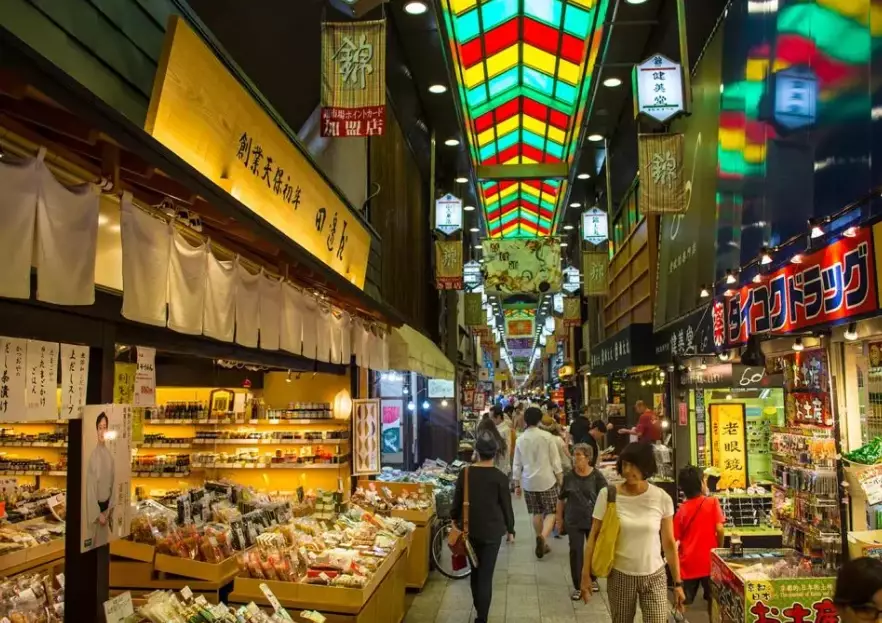
Why Visit Local Markets in Japan?
You might wonder why bother with markets when Japan has sleek department stores. It's simple: authenticity. Local markets offer a raw, unfiltered glimpse into daily life. From Hokkaido to Okinawa, each market reflects its region's identity. For instance, Tsukiji Outer Market in Tokyo is all about seafood, while Nishiki Market in Kyoto leans into traditional sweets and pickles. These places aren't just for shopping; they're for tasting, learning, and connecting. I remember my first visit to a market in Osaka—I got lost in the maze of stalls, but that's where I stumbled upon a family-run stall selling the best takoyaki I've ever had. That experience beats any guidebook.
Pro tip: Many travelers focus only on famous markets, but smaller ones like those in rural towns often have better prices and fewer crowds. Don't overlook them.
Top 5 Best Local Markets in Japan
Here's my curated list of the top local markets in Japan, based on personal visits and local recommendations. I've included key details so you can plan your trip without guesswork.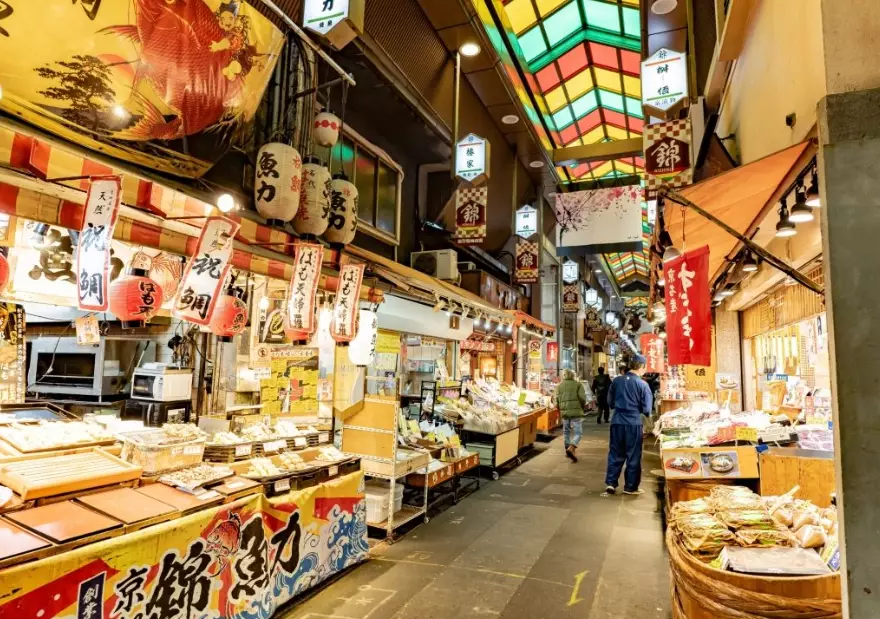
| Market Name | Location | Best For | Opening Hours | How to Get There |
|---|---|---|---|---|
| Tsukiji Outer Market | Tokyo, Chuo City | Fresh seafood, sushi breakfast | 5:00 AM - 2:00 PM (varies by stall) | Tsukiji Station (Hibiya Line), 1-min walk |
| Nishiki Market | Kyoto, Nakagyo Ward | Traditional Kyoto foods, pickles | 9:00 AM - 6:00 PM | Shijo Station (Karasuma Line), 5-min walk |
| Kuromon Ichiba Market | Osaka, Chuo Ward | Street food, fresh produce | 8:00 AM - 6:00 PM | Nippombashi Station (Sakaisuji Line), exit 10 |
| Hakodate Morning Market | Hakodate, Hokkaido | Seafood bowls, crab | 5:00 AM - 2:00 PM (peak season) | Hakodate Station, 3-min walk |
| Omicho Market | Kanazawa, Ishikawa | Local seafood, Kaga vegetables | 9:00 AM - 5:00 PM | Kanazawa Station, bus to Omicho stop |
Let's dive deeper into each market. I'll share what makes them stand out and some personal anecdotes.
Tsukiji Outer Market: Tokyo's Seafood Hub
After the inner wholesale market moved to Toyosu, Tsukiji Outer Market remains a must-visit. It's chaotic, smelly in a good way, and packed with stalls selling everything from uni to grilled scallops. Go early—around 7 AM—to beat the crowds. I made the mistake of arriving at 10 AM once, and it was a zoo. Address: 4 Chome-16-2 Tsukiji, Chuo City, Tokyo. Don't just stick to the main street; explore the alleys for hidden gems like tiny sushi bars where chefs serve omakase for under 3,000 yen. A common misconception is that it's overpriced, but if you avoid the touristy stalls near the entrance, you'll find reasonable deals.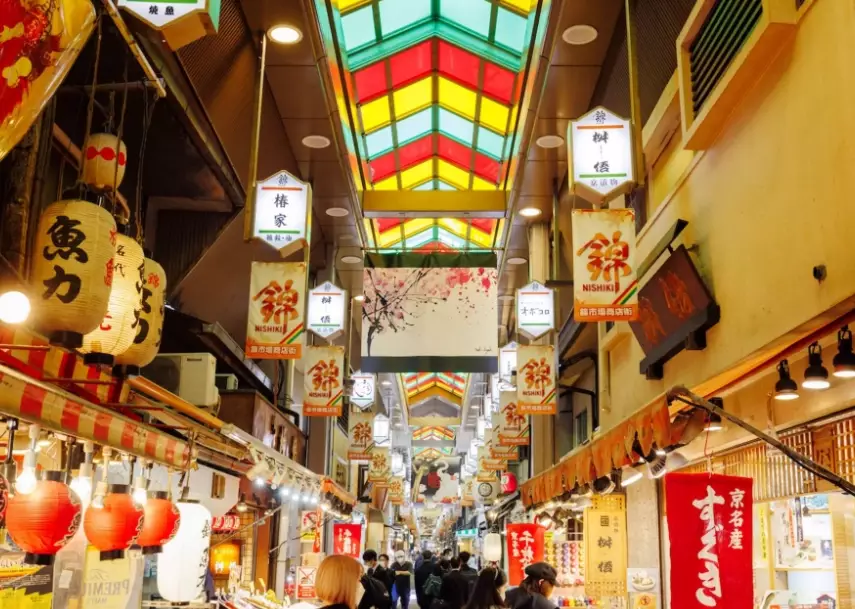
Nishiki Market: Kyoto's Kitchen
Nishiki Market stretches for about 400 meters, lined with over 100 shops. It's covered, so rain won't ruin your visit. Focus on Kyoto specialties: try tsukemono (pickles) at Aritsugu, a shop dating back to 1560, or sample fresh yudofu. Address: Nakagyo Ward, Kyoto. Hours are generally 9 AM to 6 PM, but some stalls close earlier. I found that the market gets crowded around lunchtime, so visit mid-morning. One vendor told me that many tourists buy pre-packaged items, but the best stuff is often sold loose—ask for samples, they're usually free.
Kuromon Ichiba Market: Osaka's Food Paradise
Kuromon is where Osakans shop for daily groceries, but it's also a feast for visitors. Think takoyaki, kushikatsu, and giant oysters. Address: 2 Chome-4-1 Nippombashi, Chuo Ward, Osaka. It's open daily, but weekends are packed. I learned that bargaining isn't common here, but you can get discounts if you buy in bulk. A hidden spot is the back section near the fishmongers—less crowded and fresher seafood. One time, I bought a whole tuna steak for 1,500 yen and grilled it at my Airbnb; beats any restaurant meal.
Hakodate Morning Market: Hokkaido's Fresh Catch
Hakodate Morning Market is famous for its kaisen-don (seafood bowls). Go hungry and customize your bowl with crab, salmon roe, and sea urchin. Address: 9-19 Wakamatsucho, Hakodate. Hours vary by season; in summer, it opens as early as 5 AM. From Hakodate Station, it's a short walk. I recommend visiting on a weekday to avoid tour groups. A local secret: some stalls offer "all-you-can-eat" crab legs for a fixed price—look for signs in Japanese.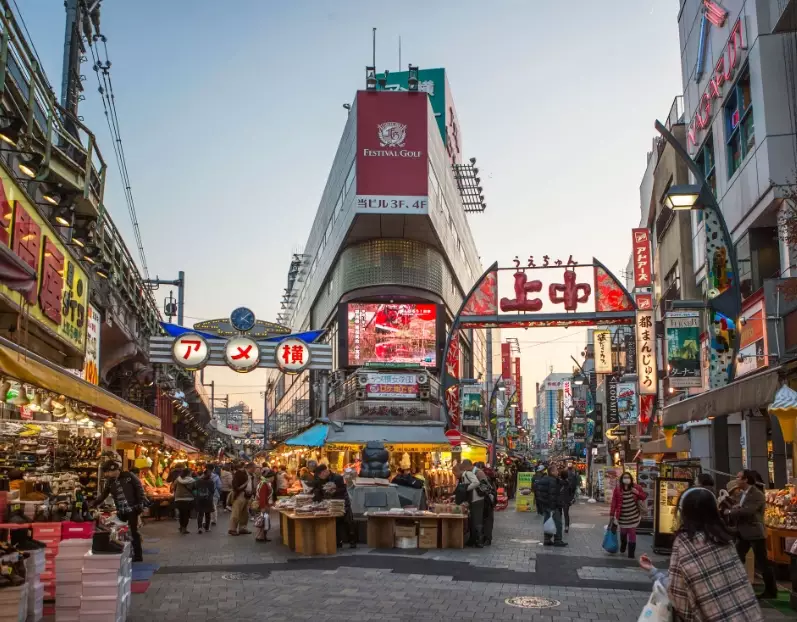
Omicho Market: Kanazawa's Hidden Gem
Omicho Market is smaller but rich in quality. It's known for Kaga vegetables and fresh seafood from the Sea of Japan. Address: 88 Kamiomicho, Kanazawa. Open from 9 AM, but some vendors start earlier. Take a bus from Kanazawa Station; it's about 10 minutes. I love the atmosphere here—it's less touristy, and vendors are friendly. Try the nodoguro (blackthroat seaperch), a local delicacy. One downside: English signage is limited, so bring a translation app or point at what you want.
How to Navigate Japanese Markets Like a Pro
Navigating Japanese markets can be overwhelming, but with a few tricks, you'll blend in like a local. First, cash is king. Most stalls don't accept credit cards, so carry yen. I've seen tourists fumbling with cards and missing out on deals. Second, etiquette matters. Don't touch produce without asking—vendors often handle it for you. And if you're sampling, a simple "arigatou gozaimasu" goes a long way.
Tips for Bargaining and Etiquette
Bargaining isn't common in Japan, but in markets, you can sometimes negotiate, especially towards closing time. I once got 10% off on a ceramic bowl at a Kyoto market by buying two. But don't push it; it's about respect. Also, avoid eating while walking—find a designated eating area. Markets like Nishiki have spots to sit and enjoy your food.
What to Buy and What to Avoid
Buy local specialties: at Tsukiji, get fresh wasabi or knives; at Nishiki, pick up matcha snacks. Avoid generic souvenirs like keychains—they're often made elsewhere. Instead, look for handmade items like tenugui (cloth towels) or local sake. I regret buying a cheap plastic toy at a market; it broke the next day. Stick to edible or artisan goods.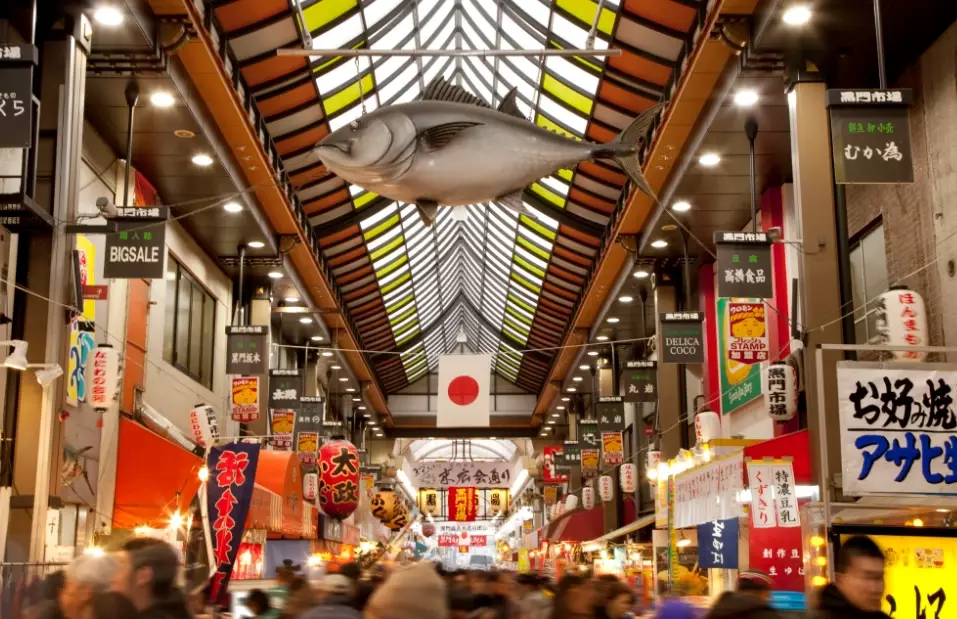
Beyond the Markets: Integrating Markets into Your Itinerary
Markets aren't standalone attractions; pair them with nearby sights. For example, visit Tsukiji Outer Market before exploring Ginza, or combine Nishiki Market with a trip to Kiyomizu-dera Temple in Kyoto. I often plan market visits for mornings, then head to museums or parks in the afternoon. This way, you get a balanced experience. Also, check for market events—some have festivals or seasonal offerings, like strawberry picking in spring at certain Hokkaido markets.
Consider sustainability. Many markets now promote eco-friendly practices, such as reducing plastic use. Bring your own bag; it's appreciated and helps cut down waste. I've noticed that vendors at Omicho Market are more likely to give discounts if you bring reusable containers.
FAQ: Your Questions Answered
Wrapping up, Japan's local markets are more than shopping destinations; they're cultural experiences that connect you to the heart of the country. From the bustling lanes of Tokyo to the serene stalls of Kanazawa, each market tells a story. Use this guide to explore confidently, and don't be afraid to get lost—that's where the best memories are made. For more insights, check out resources like the Japan National Tourism Organization website for updated market hours and events.


Share Your Thoughts