Quick Guide
Let's be honest. You've seen the photos. The golden pavilion floating on a pond, the endless red torii gates snaking up a mountain, the wooden stage jutting out over a sea of maple trees. Kyoto's temples are iconic, there's no doubt about it. But after my third trip there, I realized something. Most guides just tell you where to go and what to see. They don't really tell you how to feel the place, how to navigate the very real crowds, or how to tell one stunning wooden structure from another. It can all start to blur together. So I wanted to write something different. Not just a list, but a real guide to experiencing Kyoto temples, the good, the crowded, and the unexpectedly serene.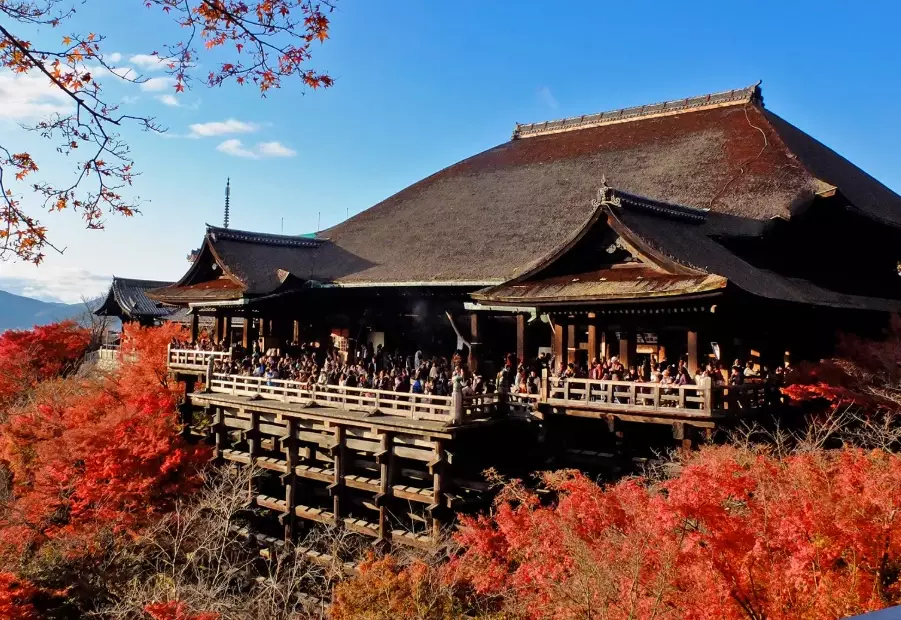
Kyoto isn't just a city with temples; it's a city built around them. For over a thousand years, it was the imperial capital, and Buddhism shaped its heart, mind, and skyline. We're talking about over 1,600 temples here. You can't see them all, and you shouldn't try. The magic is in choosing a few and really letting them sink in.
Why Kyoto's Temples Feel Different
You might wonder, what makes the temples in Kyoto special compared to, say, Tokyo or Nara? It's the concentration and the context. Kyoto was spared major bombing during WWII, so its historical fabric is largely intact. The temples aren't isolated monuments; they're woven into the neighborhoods. You'll be walking past a modern convenience store, turn a corner, and there's a massive wooden gate from the 1600s. That seamless blend is unique.
Also, Kyoto perfected the art of the temple garden. It's not just about the building. It's about how the building frames the garden, how the garden reflects the seasons, and how both create a specific mood—for meditation, for contemplation, for simply being present. Visiting these temples is as much about landscape design as it is about religion or architecture.
The Must-See Kyoto Temples (And How to Actually Enjoy Them)
Okay, let's get practical. You have limited time. Which Kyoto temples are worth the hype, and how do you tackle them without losing your mind? Here's my breakdown, not just of the top spots, but of the experience you can expect.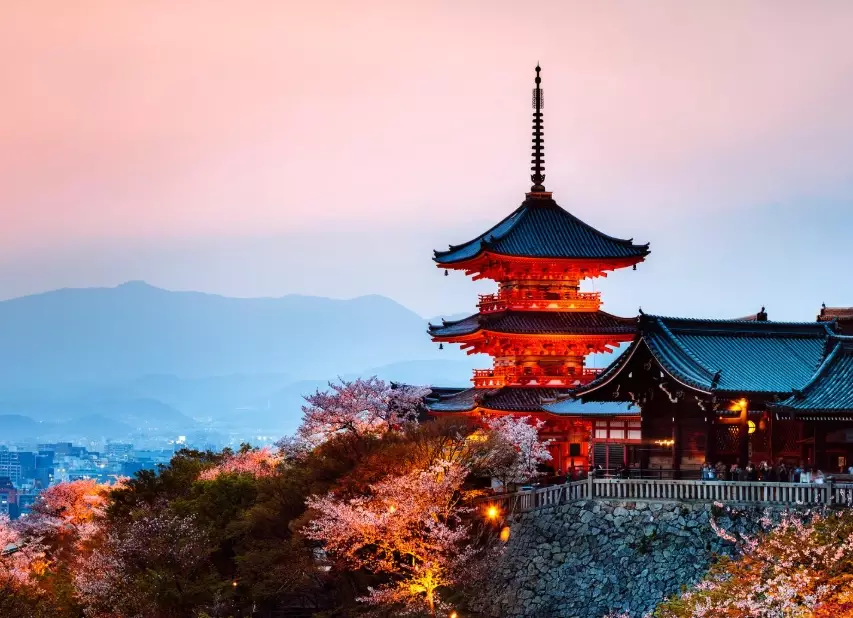
The Unmissable Classics
These are the poster children. You'll probably go. Here's how to do it right.
Kinkaku-ji (The Golden Pavilion): Yes, it's always packed. Yes, it's a single-view attraction (you follow a one-way path, see it, and leave). But it's stunning. The gold leaf shimmering against the pond and pine trees is surreal. My tip? Go as soon as it opens. I mean, be at the gate before opening time. The first 30 minutes are golden (pun intended). After that, it becomes a slow-moving human conveyor belt. Also, manage your expectations—you can't go inside the pavilion. The beauty is entirely external. The official website from the Shokoku-ji Temple group has accurate hours and fee information.
It's a spectacle. A beautiful, crowded, quick spectacle.
Kiyomizu-dera: The massive wooden stage. The incredible city views. It's breathtaking. But be prepared for a hike up the steep, shop-lined lanes of Sannenzaka and Ninenzaka to get there (wear good shoes!). Once inside, it's vast, so the crowds disperse a bit. Don't just see the main hall. Go down to the Otowa Waterfall, where people queue to drink from three streams for health, longevity, or success in studies. The complex is a UNESCO World Heritage site, and you can feel the history. Check the Kiyomizu-dera official site for special night illuminations during autumn and spring—they're magical but even more crowded.
Fushimi Inari Taisha: This is the one with thousands of vermilion torii gates. A crucial point: this is a Shinto shrine, not a Buddhist temple, but no Kyoto spiritual site list is complete without it. The famous gate tunnels are at the base. Most people only walk the first few hundred meters. If you want solitude, keep going. The path goes all the way up Mount Inari. It takes about 2-3 hours for the full round trip, but after the first major resting point, the crowds thin out dramatically. You'll find smaller sub-shrines, quiet forest paths, and amazing views. Go early in the morning, or even later in the afternoon if you're okay with potentially finishing in twilight.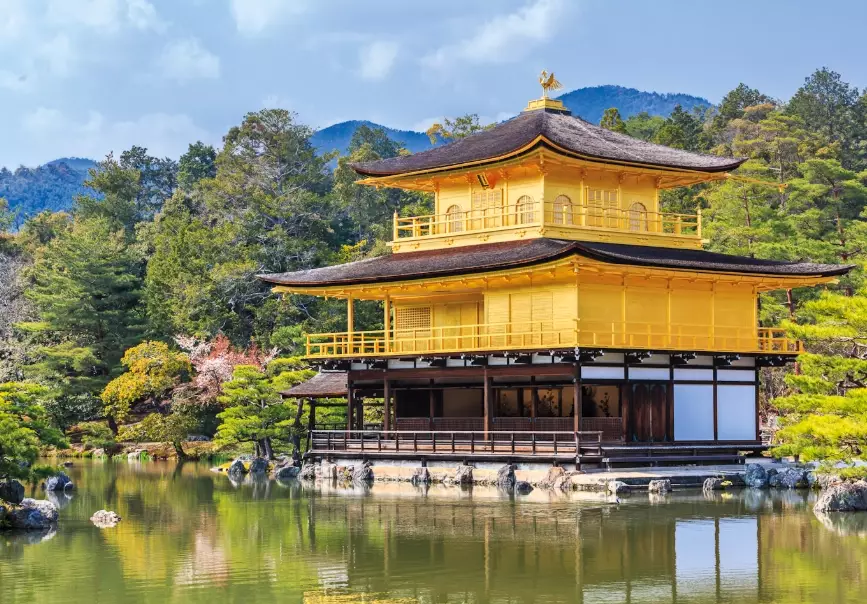
Pro Crowd-Avoidance Tip: For Fushimi Inari, "early" means 7 AM. For Kiyomizu-dera, weekdays are better than weekends, and rainy days (while slippery) can thin the herds. The Japan National Tourism Organization's spot guides often have good, basic crowd forecasts.
The Contemplative Favorites
These are the Kyoto temples where you can actually breathe and reflect.
Ryoan-ji: Home to Japan's most famous karesansui (dry landscape) rock garden. Fifteen rocks arranged on raked white gravel, viewed from a veranda. You sit and stare. It's minimalist, enigmatic, and profoundly peaceful. The meaning of the arrangement is debated—some say it's a tiger carrying cubs across a river, others see abstract islands. I just sat there for 20 minutes, and my brain finally quieted down after days of tourism. The temple grounds also have a lovely moss garden and a pond.
Ginkaku-ji (The Silver Pavilion): Despite its name, it's not covered in silver. The story goes that the shogun who built it ran out of money. But that's almost better. Its understated elegance is the point. The real star here is the garden. The meticulously raked sand cone (called the "Moon Viewing Platform") and the sea of sand ripples beside it are works of art. The path then leads you through beautiful moss gardens and up a hillside for a lovely view of the pavilion and the city beyond. It feels more integrated with nature than Kinkaku-ji.
Sanjusangen-do: 1,001 life-size statues of Kannon, the goddess of mercy. They are made of Japanese cypress, covered in gold leaf, and lined up in perfect rows. In the center is a giant, seated thousand-armed Kannon. The hall is long, dark, and hushed. The sheer scale and repetition are awe-inspiring, almost hypnotic. Photography is strictly forbidden inside, which forces you to just be there and look. It's a powerful, unique experience that's often overlooked.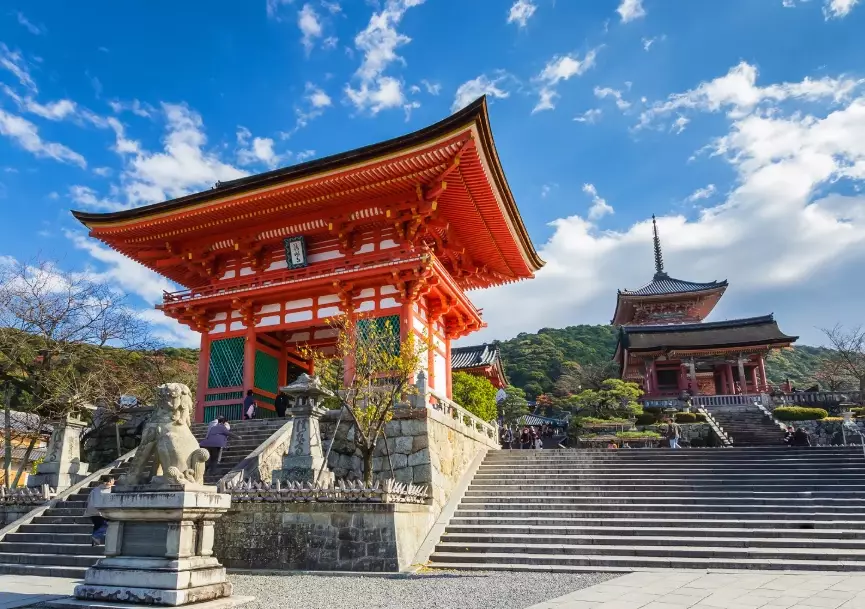
A Quick-Comparison Table: Picking Your Kyoto Temples
To help you decide based on your mood and time, here's a blunt comparison.
| Temple Name | Main Attraction | Crowd Level | Best For | Time Needed |
|---|---|---|---|---|
| Kinkaku-ji | Golden Pavilion over a pond | Very High | The iconic photo, spectacle | 45-60 min |
| Kiyomizu-dera | Wooden stage, city views | Very High | Grand vistas, energy, shopping approach | 1.5-2 hours |
| Fushimi Inari | Thousands of red torii gates | High at base, Low at summit | A hike, unique photos, perseverance | 1-3 hours (depends on hike) |
| Ryoan-ji | Famous rock garden | Medium | Quiet contemplation, Zen philosophy | 45-60 min |
| Ginkaku-ji | Subtle pavilion, exquisite sand & moss gardens | Medium-High | Garden beauty, peaceful stroll | 1 hour |
| Sanjusangen-do | 1,001 golden statues | Low-Medium | Awe-inspiring art, unique atmosphere | 45 min |
Beyond the Guidebook: Practical Tips for Visiting
This is the stuff I learned the hard way.
Timing is Everything
The single biggest factor in your enjoyment of Kyoto temples will be when you go. Peak seasons (cherry blossom in early April, autumn leaves in November) are insane. Summer is hot and humid. Winter can be cold but stunningly beautiful with snow on temple roofs, and crowds are lighter.
For daily timing, the "first thing in the morning" rule is gospel. Temples typically open at 8:30 or 9 AM. Being there at opening time buys you an hour of relative peace. Late afternoons, about 1.5-2 hours before closing, can also be quieter as tour groups have left.
Watch Out: Some temples have special night illuminations (light-up events) in spring and autumn. They are spectacular—temples lit up against fall colors or cherry blossoms. But they are also the most crowded experiences imaginable. You will move in a slow, packed line. Decide if the visual payoff is worth the physical squeeze.
Getting Around & The Bus Dilemma
Kyoto's subway system is limited. You will rely on buses. They get incredibly congested, especially on routes to major temples like Kinkaku-ji. A one-day bus pass is cost-effective if you take 3+ trips. But sometimes, a taxi split between 2-4 people is worth it to save an hour of standing in a crowded bus. Seriously, consider it for a long cross-town trip.
For temples in eastern Kyoto (like Kiyomizu-dera, Ginkaku-ji), renting a bicycle is a fantastic alternative. You can cover more ground at your own pace and discover little alleyways.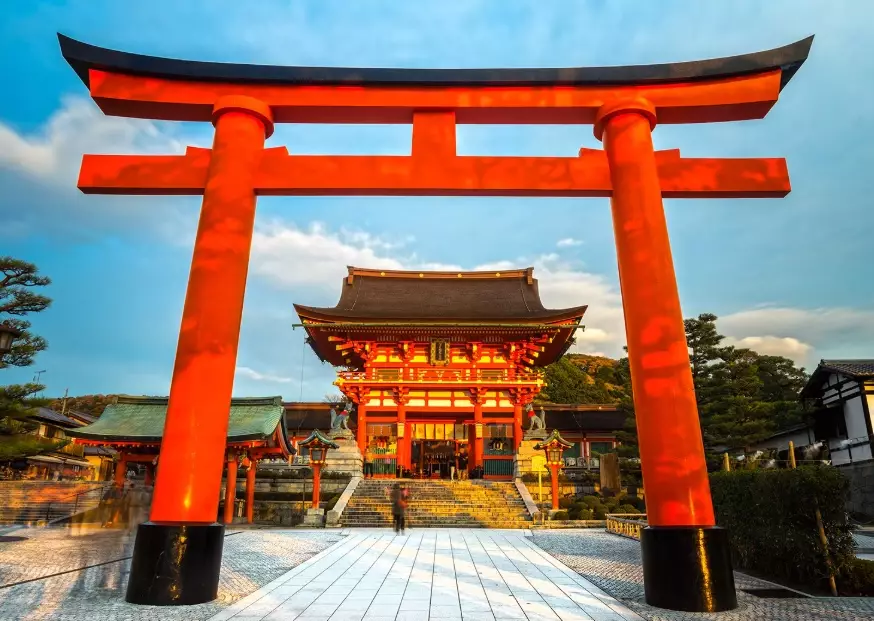
What to Wear & Temple Etiquette
Comfortable shoes are non-negotiable. You will walk on stone, gravel, and uneven paths. You'll also be taking your shoes off a lot. Slip-ons are easiest.
Inside temple buildings:
- Remove your shoes at the designated step. There are usually shelves or plastic bags provided.
- Walk quietly. These are active places of worship for many.
- Photography rules vary. Look for signs. It's almost always forbidden inside the main halls where the primary statues are (like at Sanjusangen-do). In gardens and of exteriors, it's usually fine. When in doubt, ask.
- Speak softly. The loudest voices are almost always tourists. Try not to be that person.
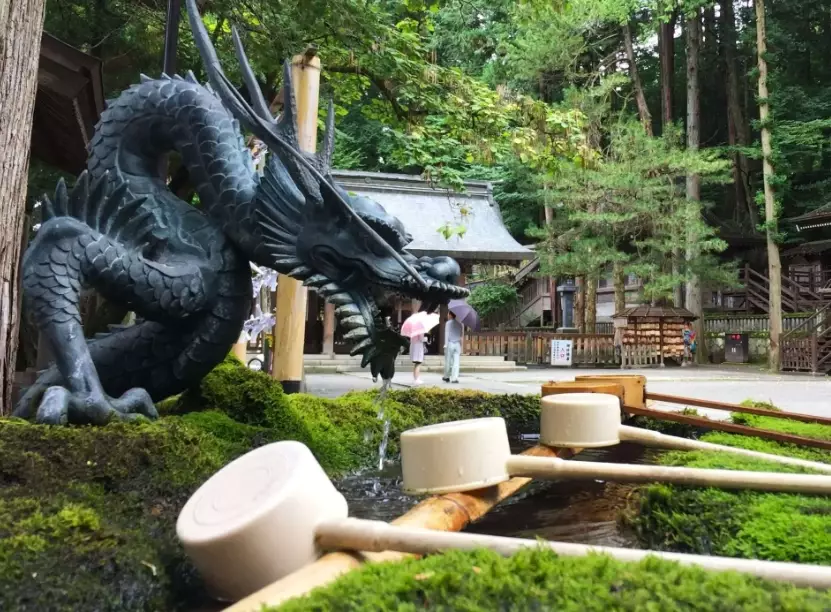
At the purification fountain at shrines (and some temples): Use the ladle to wash your left hand, then your right, then pour water into your cupped left hand to rinse your mouth (spit the water out beside the fountain, NOT into it). Finally, tilt the ladle vertically to wash the handle.
Answering Your Kyoto Temple Questions
How many Kyoto temples should I visit in one day?
Two, maybe three max. Any more and you'll get "temple fatigue." They start to look the same, and you stop appreciating them. Pair a big, crowded one (like Kinkaku-ji) with a quieter one (like Ryoan-ji, which is nearby). Quality over quantity.
Which Kyoto temple is best for avoiding crowds?
Look north and south of the city center. Temples in the Ohara area (like Sanzen-in) or south towards Uji (Byodo-in is amazing) see far fewer visitors. Even within the city, Daigo-ji in the southeast is vast and often quiet. The Kyoto City Official Travel Guide is a great resource for finding these lesser-known gems.
Are Kyoto temples expensive to enter?
Most have an entrance fee, typically between 400 and 1,000 yen (about $3-$7 USD). It's not bank-breaking, but it adds up if you visit many. Consider it a contribution to the immense upkeep these ancient wooden structures require.
Can I visit Kyoto temples with kids?
Absolutely, but manage expectations. Long histories and quiet gardens might not thrill them. Focus on ones with more space to run (the grounds of Nanzen-ji are huge), interesting visual elements (the statues at Sanjusangen-do), or shorter walking loops. The crowds can be overwhelming for little ones, so choose timing carefully.
What's the difference between a temple and a shrine in Kyoto?
This is a key one. Temples (寺, -ji or -dera) are Buddhist. You'll see Buddha statues, incense, and often monastics. Shrines (神社, -jinja) are Shinto. You'll see torii gates, shimenawa (sacred ropes), and often fox statues (like at Fushimi Inari). The purification ritual with water is more associated with shrines. Many Japanese people practice both, so you'll often find them near each other.
The Hidden Gems & Seasonal Magic
If you have an extra day, ditch the top five list. Go to Kodai-ji in Higashiyama. It's near Kiyomizu-dera but often quieter. It has fantastic bamboo groves, beautiful gardens, and a fascinating history connected to a famous samurai wife.
In Arashiyama, everyone goes to the bamboo grove. Walk a bit further to Gio-ji. It's a tiny, thatch-roofed temple completely engulfed in the most incredible, velvety moss garden. It feels like a fairy tale. The entrance fee is small, and so is the crowd.
Seasons transform Kyoto temples completely.
- Spring (March-May): Cherry blossoms. Philosopher's Path near Ginkaku-ji is famous, but temple gardens like Ninna-ji have stunning groves of cherry trees.
- Summer (June-August): Hot and humid, but the gardens are lush and green. Some temples have special openings for viewing irises or lotuses.
- Autumn (September-November): The maple leaves turn fiery red and orange. Tofuku-ji is the king for this, with a spectacular valley of maples viewed from a bridge. Prepare for epic crowds.
- Winter (December-February): My secret favorite. Crowds are minimal. Seeing a temple garden dusted with snow, or the stark beauty of a rock garden on a crisp, clear day, is unforgettable. The cold air adds to the serene atmosphere.
Final Thought: Don't just chase photos. Sit down on a temple veranda for ten minutes. Watch the light change on the moss. Listen to the wind in the pines and the distant sound of a bell. That moment of stillness is the real treasure of Kyoto's temples. It's what keeps people coming back, long after the postcard memories fade.
Planning your visit to these historic sites requires a bit of strategy, but it's worth it. From the overwhelming beauty of the main attractions to the quiet corners of lesser-known gardens, the temples of Kyoto offer a journey through history, art, and personal reflection. Use the official resources, be respectful, and most importantly, leave some space in your schedule to simply be there. That's when you'll truly connect with the soul of these ancient places.

Share Your Thoughts