Quick Navigation Guide
- The Heart of It All: More Than Just Bowls and Bows
- The First Rule: The Language of the Bow (Ojigi)
- The Second Rule: Dining Etiquette – It's a Ritual, Not Just a Meal
- The Third Rule: The Sacred World of Footwear
- The Fourth Rule: The Delicate Art of Gift Giving and Receiving (Omiyage)
- The Fifth Rule: Onsen & Sento Etiquette – Bathing as a Communal Act
- Beyond the Big Five: Context is King
- Wrapping It Up: Your Mindset Matters Most
Let's be honest. The idea of Japanese etiquette can feel overwhelming. You've probably heard stories, seen movies, and maybe even worried a bit about accidentally offending someone during your dream trip. I remember my first time in Tokyo, clutching my guidebook, terrified I'd commit some major faux pas at a sushi bar. The truth is, while Japanese social customs are nuanced, they're not designed to trip up well-meaning visitors. The core principles are about respect, consideration, and harmony. Once you grasp these, everything else starts to make sense.
Most guides throw a hundred rules at you. That's not helpful. You'll forget them all. Instead, I want to focus on the five rules of Japanese etiquette that are truly non-negotiable. These are the ones you'll encounter daily, the ones that matter most in social and travel situations. Master these, and you'll show respect, avoid awkward moments, and have a much deeper, more authentic experience. Think of them as your cultural toolkit.
Why just five? Because in the whirlwind of travel, remembering fifty rules is impossible. These five foundational rules of Japanese etiquette act as a lens. When you understand the "why" behind them—the focus on cleanliness, order, and not imposing on others (a concept called meiwaku)—you can often intuit the "how" in new situations. It's about the spirit, not just the letter, of the law.
The Heart of It All: More Than Just Bowls and Bows
Before we dive into the specific rules, let's clear the air. Japanese people are generally incredibly gracious and understanding with foreigners. They don't expect perfection. But making an effort? That speaks volumes. It shows you care about their culture. That effort is what transforms you from a passive tourist into a respectful guest. And honestly, getting these things right just makes everything smoother—from ordering food to asking for directions.
So, what are these five pillars? We're talking about the etiquette of greeting, the sacred rules of the table, the surprisingly complex world of footwear, the art of giving, and the communal ritual of the bath. Cover these bases, and you're 90% of the way there.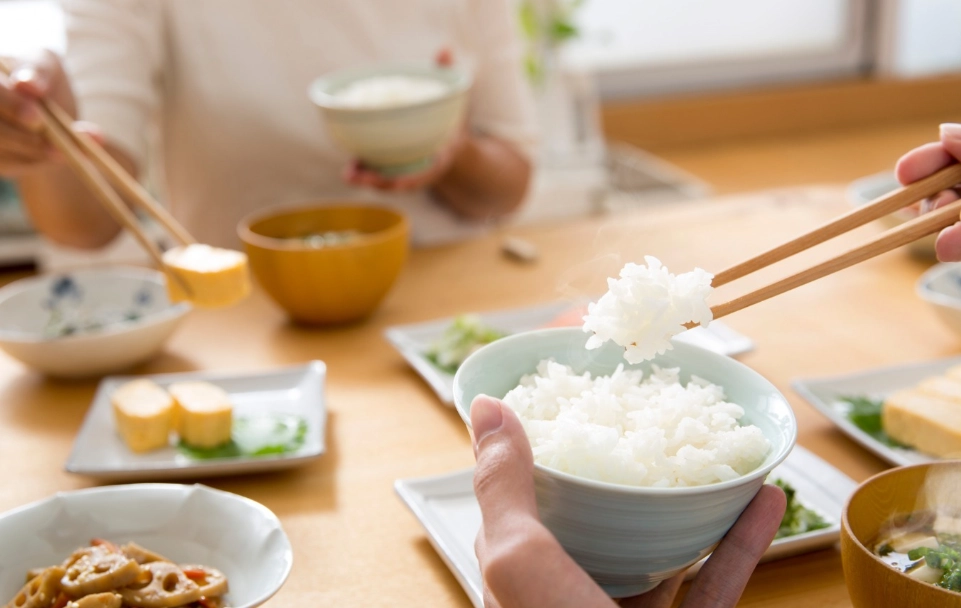
The First Rule: The Language of the Bow (Ojigi)
It's Not Just Bending Over
Forget everything you think you know about bowing. It's not a sign of submission; it's a calibrated tool for communication. The angle, duration, and context of a bow convey specific meanings. While a quick, shallow nod (eshaku) is fine for passing someone in a hallway or thanking a cashier, deeper bows are reserved for formal apologies or showing deep respect.
Here's the practical takeaway for visitors: You don't need to perform a perfect 45-degree bow. A slight forward tilt of the head and shoulders (about 15 degrees) is perfectly appropriate and appreciated in most tourist interactions—hotels, shops, restaurants. The key is to do it with both hands at your sides (for men) or clasped in front (for women). Don't bow and speak at the same time; bow, then speak, or speak, then bow. And for heaven's sake, don't try to bow and shake hands simultaneously. It's a logistical nightmare. I've seen it happen, and it's all elbows and confusion.
| Bow Type | Angle (Approx.) | When to Use | Visitor Relevance |
|---|---|---|---|
| Eshaku (会釈) | 15° | Greeting acquaintances, thanks in casual settings, entering/leaving a room. | Your go-to. Use this constantly. |
| Keirei (敬礼) | 30° | Business meetings, greeting clients, showing respect to superiors. | In formal situations (e.g., a tea ceremony, meeting a guide's manager). |
| Saikeirei (最敬礼) | 45°+ | Deep apologies, profound gratitude, at temples/shrines, formal ceremonies. | Rarely needed. A deep bow at a temple is appropriate. |
What about handshakes? In international business, they're common. But in daily life, the bow reigns supreme. Following this first of the 5 rules of Japanese etiquette immediately sets a respectful tone.
The Second Rule: Dining Etiquette – It's a Ritual, Not Just a Meal
Chopsticks, Slurping, and Shared Plates
Japanese dining etiquette is where many visitors feel the most anxiety. Relax. The rules are logical. Let's start with the universal symbol: chopsticks (hashi). Never, ever stick them upright in a bowl of rice. This resembles incense offered to the dead and is a major taboo. Rest them on the chopstick holder (hashioki) or across the rim of your bowl. Don't pass food from your chopsticks to someone else's—this mimics a funeral rite. Use the back end of your chopsticks to serve yourself from shared plates if serving utensils aren't provided.
Biggest Chopstick Faux Pas: Stabbing food with your chopsticks, pointing with them, or licking them clean. It's considered rude. Also, don't rub disposable wooden chopsticks together to remove splinters. It implies the restaurant provides cheap, low-quality ware.
Now, the slurping. For noodles like ramen, soba, or udon, slurping is not only acceptable but encouraged. It shows you're enjoying the meal and helps cool the noodles as you eat them. The silence you might be used to in Western fine dining isn't the goal here; audible enjoyment is part of the experience. But this only applies to noodles! Don't slurp your soup or miso directly from the bowl.
Other quick-fire dining rules: Say "itadakimasu" (I gratefully receive) before eating and "gochisousama deshita" (thank you for the feast) after. Lift bowls of rice or soup close to your mouth when eating. Don't pour your own drink; keep an eye on others' cups and refill them, and they should reciprocate. When someone refills yours, lift your cup slightly. This second rule of Japanese etiquette transforms a meal from mere consumption into a shared, respectful act.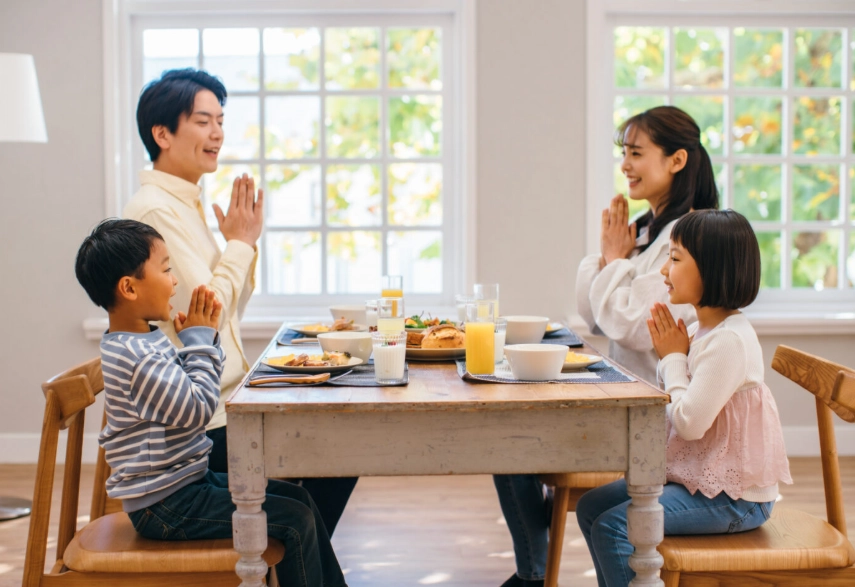
The Third Rule: The Sacred World of Footwear
Where the Shoe Meets the Tatami
This is non-negotiable and one of the most visible aspects of the 5 rules of Japanese etiquette. Japan operates on a clear dichotomy: the soto (outside, dirty) and the uchi (inside, clean). Your shoes are the literal embodiment of soto.
You must remove your shoes at the entryway (genkan) of nearly any home, traditional inn (ryokan), temple, historic building, and even some restaurants, clinics, and schools. The genkan is usually a step down from the main floor. Here's the drill:
- Step out of your shoes while still standing on the lower, usually stone or concrete, entry area.
- Turn your shoes around so they point towards the door (for an easy exit later).
- Step up directly onto the raised inner floor in your socks or bare feet. Never let your socks touch the lower genkan area. It's considered dirty.
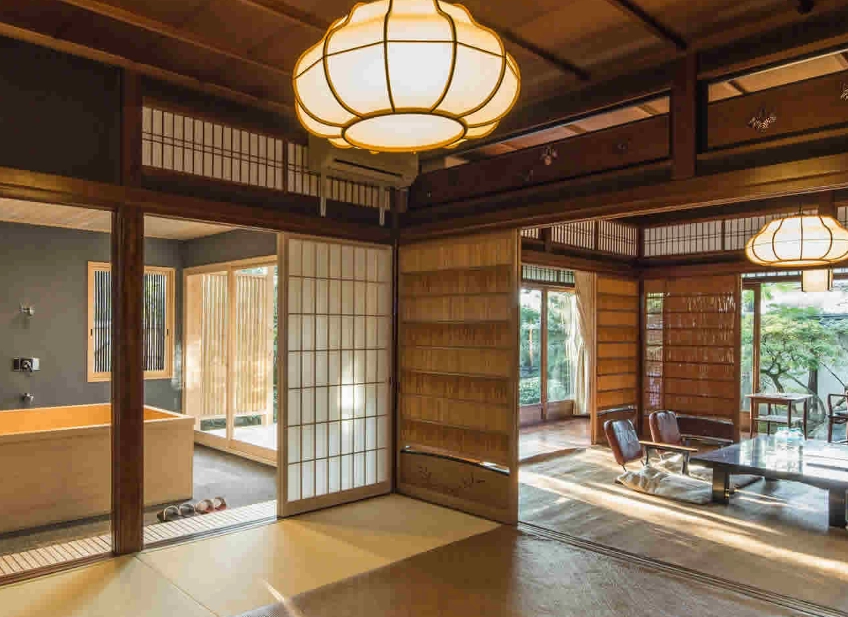
Then, you'll often find slippers waiting. Use them for walking on indoor hallways and wooden floors. But here's the twist: remove the slippers before stepping onto tatami mat rooms. Tatami is for socks or bare feet only. There's often another, separate pair of slippers placed outside the bathroom door. You change into these toilet slippers only in the bathroom, and you must change out of them the moment you leave. I once absentmindedly walked out of a bathroom in a ryokan with the toilet slippers still on. The host's politely horrified look was a lesson I never forgot.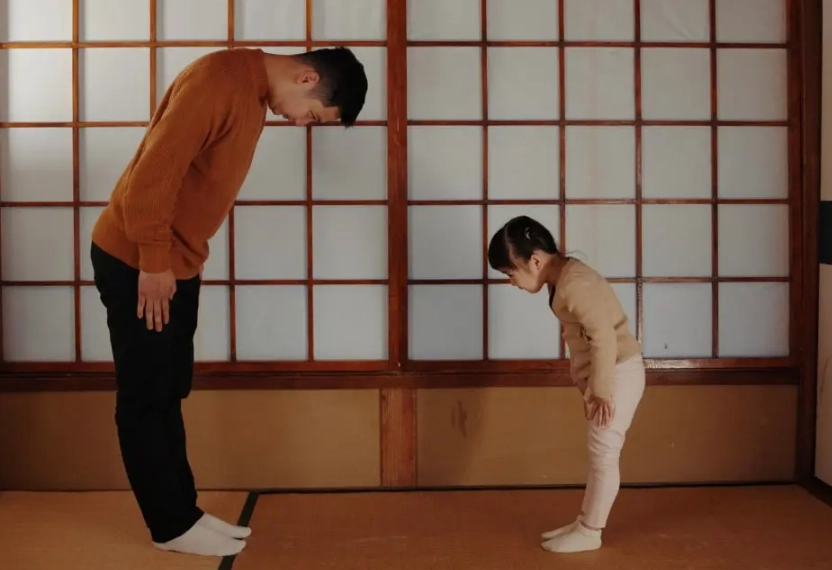
Pro Tip: Wear shoes that are easy to slip on and off. Avoid complicated laces or tight boots. And for goodness' sake, make sure your socks don't have holes! You'll be showing them a lot.
The Fourth Rule: The Delicate Art of Gift Giving and Receiving (Omiyage)
Gift-giving in Japan is a profound social lubricant. It's not about extravagance; it's about thoughtfulness and fulfilling an obligation (giri). The classic traveler's gift is omiyage—local souvenirs from your hometown or a place you visited, typically edible items like cookies, cakes, or regional snacks that are nicely packaged.
If you're invited to a Japanese home (a great honor), bringing a small gift is essential. Good choices are high-quality fruits, pastries, or a nice bottle of sake. Avoid overly personal items or anything in sets of four (the word for four, shi, sounds like the word for death). Presentation is everything. The gift should be nicely wrapped, and you should present it with both hands.
Here's what often trips people up: Do not open a gift immediately in front of the giver unless they insist. The focus is on the act of giving, not the contents. Politely accept it with both hands, express humble thanks ("sumimasen"—sorry for the trouble—is often used here), and set it aside. You open it later, in private. This fourth rule of Japanese etiquette is all about humility and avoiding putting the recipient on the spot to react to the gift's value.
The Fifth Rule: Onsen & Sento Etiquette – Bathing as a Communal Act
Getting Naked (Correctly) with Strangers
For many Westerners, this is the most intimidating of the five rules of Japanese etiquette. A public bath (sento) or natural hot spring (onsen) is a place of relaxation and purification, not just cleaning. The cardinal rule: You must wash and rinse your body thoroughly before entering the shared bathing pool.
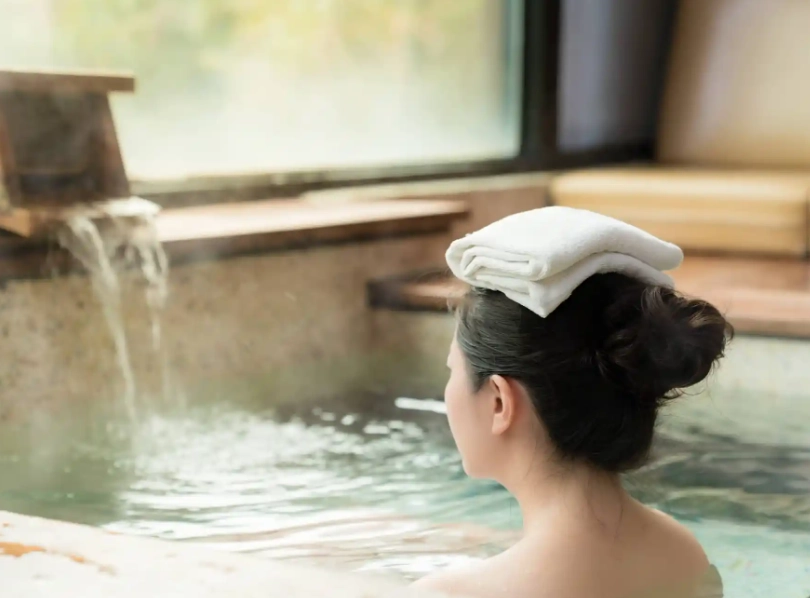
The process: Enter the changing room, remove all clothing (no swimsuits allowed—it's considered unclean). Bring only your small towel into the washing area. Sit on the provided stool in front of a shower faucet and a basin. Wash every part of your body with soap and shampoo. Rinse off all suds from your body and the stool area. Only then do you enter the large, hot bath to soak. Your small towel can be placed on your head or the side of the bath, but never let it touch the bath water.
Other key points: Be quiet. Conversations should be hushed. Don't swim or splash. If you have long hair, tie it up. Tattoos can be problematic as they are still associated with organized crime (yakuza). Many onsen prohibit them, though attitudes are slowly changing, especially in tourist areas. Always check the policy beforehand. The Japan National Tourism Organization has a helpful guide to onsen etiquette that's worth a look.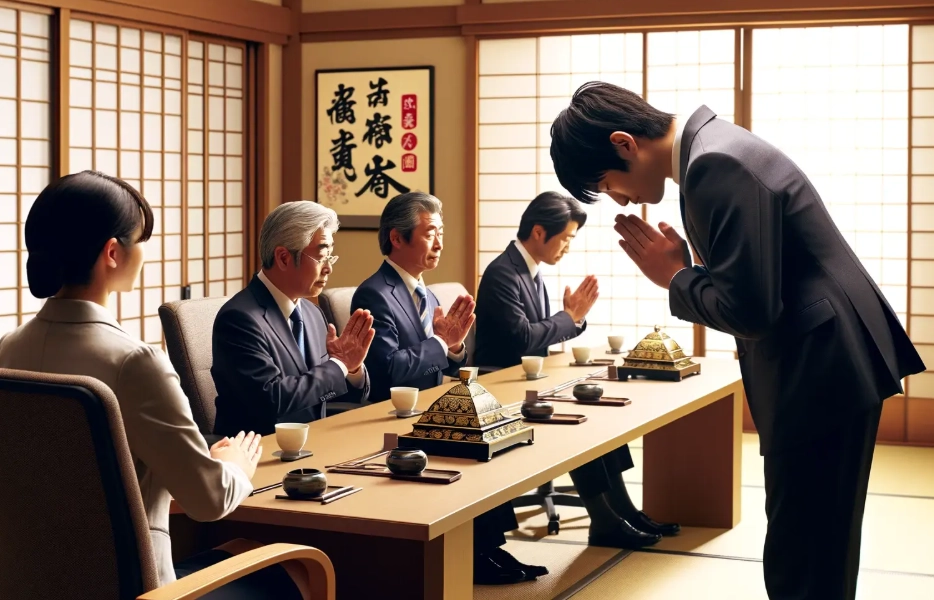
Beyond the Big Five: Context is King
Mastering these five rules of Japanese etiquette gives you a fantastic foundation. But Japan is a context-heavy culture. Your behavior in a loud izakaya (pub) will differ from that in a serene temple. The key is observation. Watch what locals do. Are they talking on the train? Usually not. Are they lining up neatly? Always. Is it okay to eat while walking? Generally frowned upon—people tend to stop at a corner or near a vending machine to consume their snack.
Another huge one: blowing your nose in public is considered extremely rude. Sniffling is tolerated, but if you need to blow, excuse yourself to a restroom. On the flip side, wearing a face mask when you have a cold is seen as a considerate act to protect others, a practice the world has since become familiar with.
Quick-Fire Q&A: Your Burning Etiquette Questions Answered
Wrapping It Up: Your Mindset Matters Most
Look, no one expects you to be an expert. The very fact that you're reading this means you're on the right track. The ultimate goal of these 5 rules of Japanese etiquette isn't to pass a test. It's to smooth your interactions, to show respect for a culture that highly values order and mutual consideration, and to open doors to more genuine experiences.
When in doubt, err on the side of being a bit more formal, a bit more polite, and a bit more observant. The famous Japanese concept of omotenashi (selfless hospitality) is what you will receive in spades. By understanding and practicing these core rules, you're simply participating in that beautiful, two-way street of respect. Now go forth, bow slightly, take off your shoes, slurp those noodles, and enjoy every minute of it. Your trip will be infinitely richer for it.

Share Your Thoughts