Forget the crowded electronics stores and the glossy department aisles. If you want to touch the soul of Tokyo, you need to get your hands a little dusty. You need to wake up early on a Sunday, navigate a subway line you've never heard of, and follow the crowd of locals carrying empty tote bags and determined looks. Your destination? The Tokyo Romantic Flea Market, a sprawling, chaotic, and utterly captivating treasure hunt that feels a world away from the city's futuristic sheen.
I've been going for over a decade, first as a confused tourist buying questionable "antiques," and now as a semi-regular on a first-name basis with a few of the ceramic dealers. This isn't just a market; it's a weekly ritual for collectors, designers, and anyone tired of mass-produced sameness. Let's cut through the noise and get you prepped for the real deal.
Your Quick Guide to Tokyo's Romantic Flea Market
What Exactly Is the Tokyo Romantic Flea Market?
Officially, it's the Oedo Antique Market, but everyone calls it the Romantic Flea Market. It's one of Japan's largest regular outdoor antique markets, held twice a month. The "Romantic" doesn't refer to couples (though it's a great date spot), but to the romanticism of old objects, each with a history.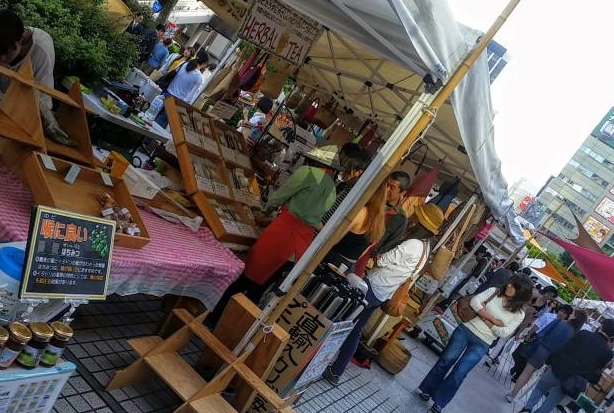
The vibe is distinct from smaller, trendier flea markets like the one at Shimokitazawa. This is serious business. You'll find professional dealers from across Japan alongside hobbyists clearing out their attics. The range is staggering—from 300-year-old Edo-period scrolls to 1980s anime cell art.
My first time, I made a classic mistake. I bought a heavy, ornate vase I was sure was a priceless Satsuma piece. A friendly dealer later pointed out the made-in-China stamp I'd missed. It's a learning curve. The market rewards patience and a bit of study.
Key Market Identity
Official Name: Oedo Antique Market
Common Name: Tokyo Romantic Flea Market
Scale: 250+ stalls, one of Japan's largest recurring antique markets.
Atmosphere: A mix of high-end antique dealing and casual flea market finds. More focused on genuine antiques and vintage items than new crafts.
Planning Your Visit: Dates, Times & Getting There
This isn't a pop-up. It runs on a predictable schedule, typically the first and third Sundays of every month. It almost always happens, rain or shine, though typhoons might cause a cancellation. Check the official Oedo Antique Market website (use Google Translate) for the absolute latest calendar.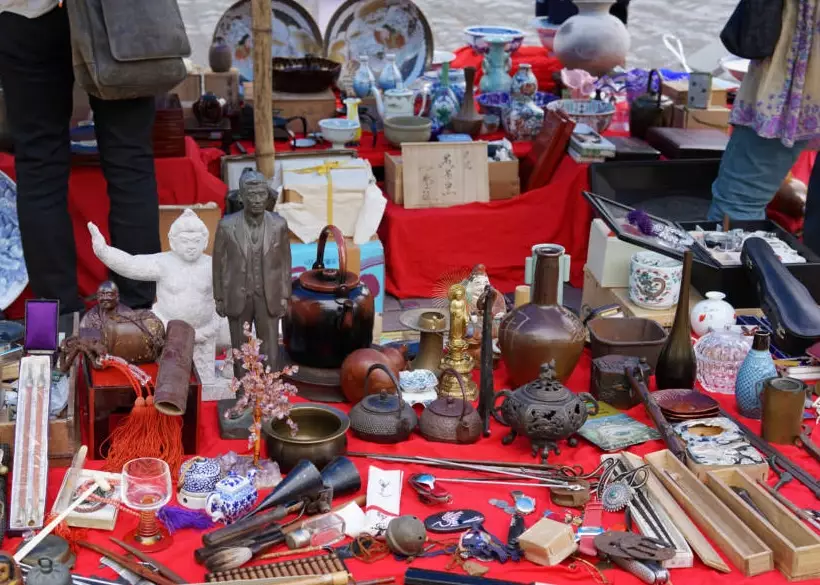
Location & Transportation: Don't Get Lost
The market is held at the Tokyo Ryutsu Center (Tokyo Distribution Center) in Edogawa Ward. It sounds industrial because it is—a vast parking area transformed into an alley of wonders.
The Best Route: Take the Toei Shinjuku Line (the teal green line) to Ichinoe Station. Use Exit 1. From there, it's a clearly signed 5-minute walk. You'll see the crowd.
Timing is Everything: The market runs from 9:00 AM to 4:00 PM. If you're a serious hunter, be there at 8:45 AM. The first hour is golden—dealers are fresh, the best items are still on the tables, and the crowds are manageable. By noon, it's packed, and the real gems are often gone. By 3 PM, you might snag a deal as pack-up begins, but the selection is picked over.
>Tokyo Ryutsu Center, 6-1-1 Heiwajima, Edogawa City, Tokyo>Ichinoe Station (Toei Shinjuku Line)>Free| Detail | Information |
|---|---|
| Frequency | 1st & 3rd Sunday of each month |
| Hours | 9:00 AM - 4:00 PM |
| Address | |
| Nearest Station | |
| Admission |
What You'll Find: A Treasure Hunter's Map
Walking into the market is sensory overload. It's organized chaos. Stalls are grouped loosely by category, but the boundaries blur. Here’s a breakdown of what to seek out, from the obvious to the obscure.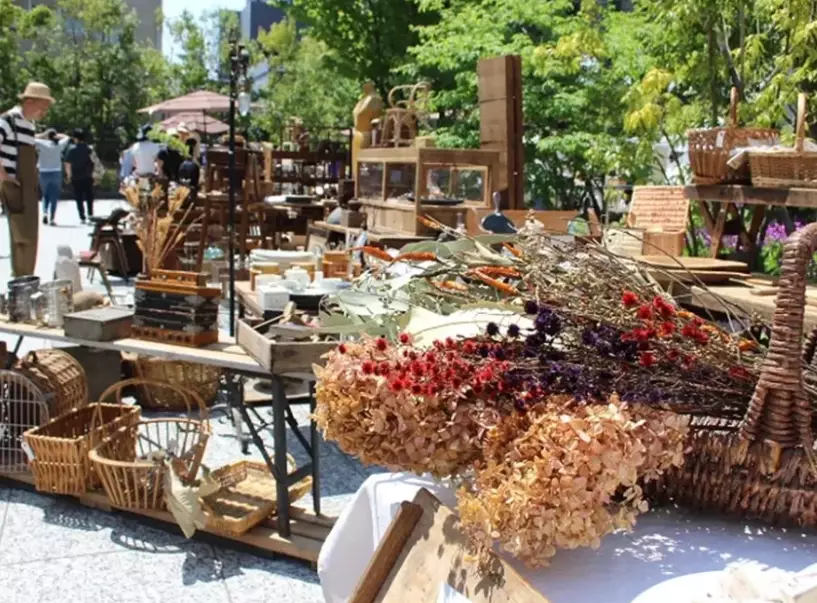
Japanese Ceramics & Pottery: This is the heart of the market. You'll see everything from rustic Bizen-yaki and intricate Kutani ware to simple, beautiful Mino-yaki teacups. Don't just look at the shiny, painted pieces. Pick up a rough, unglazed Bizen vase. Feel its weight. Look for the subtle markings of the kiln. A dealer once showed me how a slight asymmetry made a piece more valuable. It’s about wabi-sabi, the beauty of imperfection.
Vintage Kimonos & Textiles: Stalls overflow with silk kimono, obi sashes, and yukata. Look for fine stitching, hand-painted motifs, and the quality of the silk. A full formal kimono can cost hundreds of dollars, but you can find stunning obi fabric scraps perfect for framing or a casual yukata for under ¥5,000.
Furniture & Woodwork: Small tansu (chests), low tables (chabudai), and wooden geta (sandals). The smell of old wood is everywhere. These pieces are heavy, so have a shipping plan if you fall for a large chest.
Prints & Scrolls: Ukiyo-e woodblock prints, both originals and later reproductions, along with calligraphy scrolls and painted kakejiku. Condition is key—look for foxing (brown age spots) and fading. A reputable dealer will tell you if it's a Meiji-period reprint.
The "Miscellaneous" Goldmine: This is where I spend most of my time. Vintage camera lenses (Nikkor for old Nikon F mounts are a steal), old tin toys, maneki-neko (beckoning cats) from different eras, silver hairpins (kanzashi), and Showa-era advertising posters. I found a 1970s poster for a jazz kissa (coffee shop) that's now the centerpiece of my living room.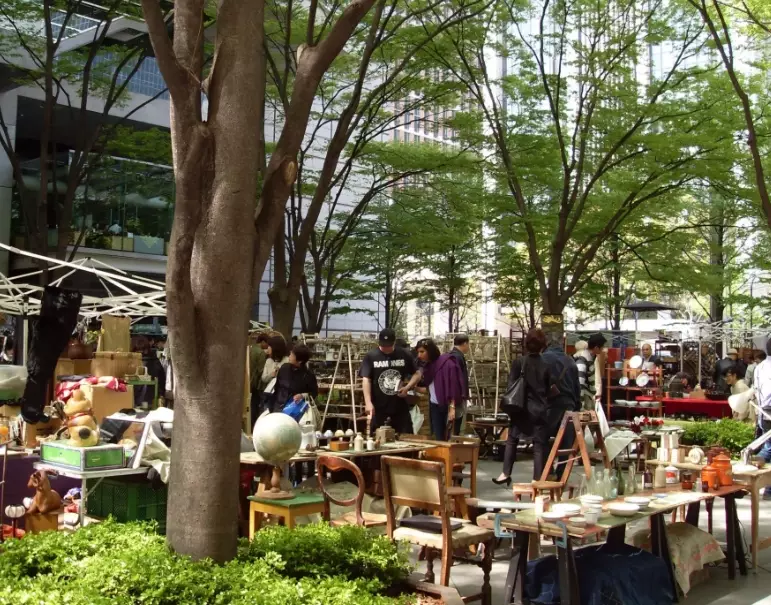
How to Shop Like a Pro: Negotiation & Authenticity
This is where most visitors freeze up. The etiquette is subtle but simple.
Cash is King. Assume no one takes credit cards. Bring more yen than you think you'll need, in smaller bills (¥1000 notes).
The Art of the Deal: Haggling isn't like in other countries. It's a quiet, respectful dance. Never lead with a ridiculously low offer—it's insulting. Instead, show genuine interest. Ask about the item's history. Then, you can say something like, "Kore wa sukoshi takai desu ne. Chotto..." ("This is a little expensive. A bit...") and pause. Often, the vendor will offer a 5-10% discount. For higher-priced items, asking "Saigo no nedan wa?" ("Your final price?") is acceptable. If they say no, thank them and move on.
Spotting the Real Deal:
• Ceramics: Turn it over. Is the base unglazed? Are there kiln marks or a potter's stamp (kokuin)? Feel for weight and balance.
• Kimono: Check the seams—hand-stitching is a good sign. The eri (collar) should show wear, indicating it was worn.
• Metalwork: Look for patina, not shiny "antiqued" finishes. Real age is uneven.
• General Rule: If it looks too perfect, it probably is. Trust your gut. If a deal seems too good to be true on a "Edo-period" item, it almost always is.
My rule? If you love it, if it speaks to you, and the price feels fair for the joy it will bring, buy it. You're not just buying an object; you're becoming part of its story.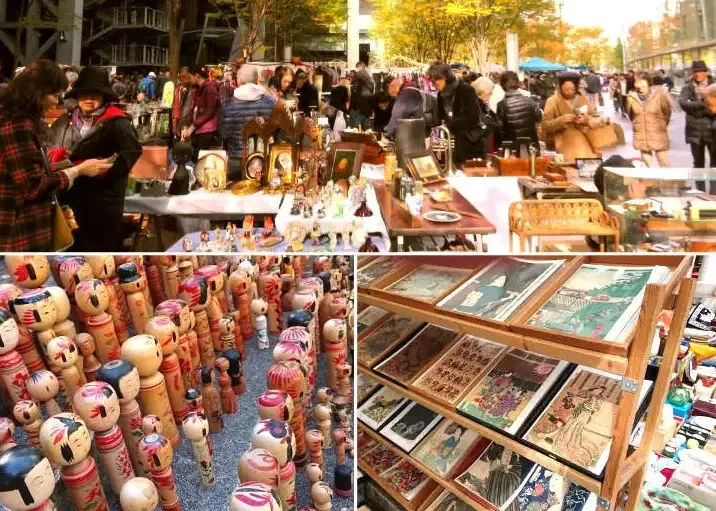
Beyond the Stalls: Food, Rest & Logistics
This is a marathon, not a sprint. The concrete is hard on your feet. The sun can be brutal in summer, and winters are bitingly cold.
Food & Drink: There's a small food court with the basics: yatai stalls selling yakitori, okonomiyaki, and ramen. The lines get long. I usually grab a quick onigiri and a drink from the convenience store across the street. Bring a water bottle. Stay hydrated.
What to Bring:
• A sturdy tote bag or a small wheeled cart. This is non-negotiable. Your arms will thank you.
• Comfortable shoes. I mean it. Think walking-on-concrete-for-5-hours shoes.
• Cash. Lots of cash.
• A phone for photos and translation. Use Google Translate's camera function to decipher handwritten signs or maker's marks.
Payment & Shipping: Some larger furniture dealers have relationships with shipping companies (takkyubin like Yamato Transport). They can arrange delivery to your hotel or even overseas, but it's costly and complex. For smaller items, pack them well in your suitcase. Bubble wrap is your friend.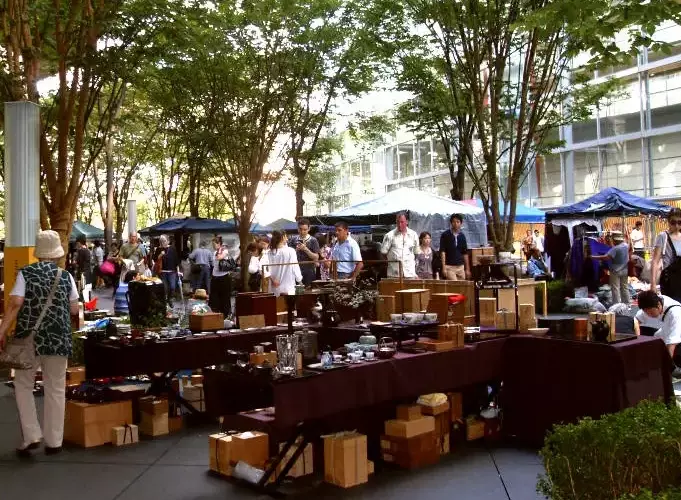
Your Questions Answered
The Tokyo Romantic Flea Market isn't just a place to shop. It's a conversation with the past. It’s the thrill of discovery, the weight of history in your hands, and the story you get to tell when you bring a piece of it home. Go early, bring cash, wear good shoes, and keep your eyes open. Your perfect treasure is waiting, probably under a pile of something else, just off the main path. Happy hunting.
Share Your Thoughts