You've landed at Narita or Haneda, your bags are in hand, and the excitement of Tokyo is just outside the terminal. Then it hits you: How do I actually get to my hotel? The sea of signs in Japanese, the multiple train lines, the worry about taxi costs—it can turn that initial buzz into anxiety.
I remember my first time, staring at the train map like it was a circuit board. I ended up on a slow local train with my massive suitcase, getting weird looks during rush hour. Not ideal.
Let's cut through the confusion. Getting from Tokyo's airports to your hotel isn't complicated if you know the rules of the game. This isn't just a list of options; it's a strategic guide based on countless trips, helping you pick the right tool for your specific situation—whether you're a solo budget traveler, a family with kids, or someone who values door-to-door ease above all else.
Your Route at a Glance
First Step: Know Your Airport (It Changes Everything)
Tokyo has two major international airports, and they're worlds apart in terms of distance and your options.
Narita International Airport (NRT) is the main long-haul hub. The key thing to remember: it's far. We're talking 60-90 minutes east of central Tokyo. Your journey is a significant trip in itself. The upside? You have a wide array of dedicated, comfortable express trains.
Haneda Airport (HND) is much closer to the city center, just 30 minutes south. It handles more domestic and short-haul flights. The vibe here is more streamlined. Your options are quicker, cheaper, and often simpler, but the trains are regular commuter lines, not fancy expresses.
Train Options: The Deep Dive
Trains are the backbone of Tokyo transport. They're fast, reliable, and often the smartest choice. But which one?
From Narita: The Express Trio
You have three premium choices. Don't bother with the slow local trains; your time is worth more.
- Narita Express (N'EX): The JR flagship. It goes directly to major hubs: Tokyo Station, Shinagawa, Shibuya, Shinjuku, and Ikebukuro. The seats are spacious, there's ample luggage room, and it feels like a proper start to your trip. A one-way ticket is about ¥3,070. The killer feature? With a valid Japan Rail Pass, the N'EX is completely free. You just need to reserve a seat at the JR office.
- Keisei Skyliner: The speed king. It hits 160 km/h and gets you to Nippori or Ueno Station in just 41 minutes. From ¥2,570 one-way. This is your best bet if your hotel is in Ueno, Asakusa, or anywhere on the Tokyo Metro Hibiya Line. It's sleek, punctual, and often slightly cheaper than the N'EX.
- Keisei Limited Express (Access Tokkyu): The budget express. For about ¥1,240, it takes you to Nippori/Ueno in roughly 60 minutes. It makes a few more stops than the Skyliner and the seats aren't as plush, but it's a fantastic value. Look for the red "Access" signs.
Where do you buy tickets? Follow the clear signs in the arrivals hall to the respective train company counters or automated machines. The machines have English menus. Pro tip: Buy a Suica or Pasmo card here too. Load it with ¥2,000-¥3,000. You'll use it for everything local later.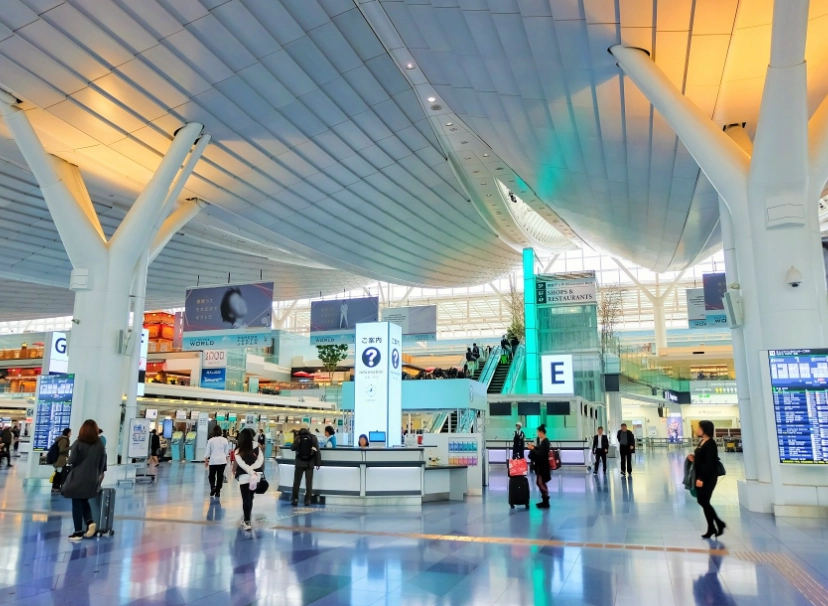
From Haneda: The Metro Mix
Here, you're blending into the city's existing metro network.
- Tokyo Monorail: Connects to Hamamatsucho Station (a 5-minute walk from Daimon or a short JR ride to Tokyo Station). It's covered by the Japan Rail Pass. The ride is about 20 minutes and costs ¥500. Simple and efficient.
- Keikyu Line: This is often faster. It runs directly to Shinagawa Station (a major Shinkansen hub) in about 15 minutes for around ¥300. From Shinagawa, you can connect to almost anywhere on the JR Yamanote Line (the city loop). For many hotels, this is the most direct route.
The Haneda terminals are connected directly to these stations via walkways. Just follow the pictograms.
Buses, Taxis & Private Transfers: When Trains Aren't the Answer
Trains are great, but they're not perfect for every scenario.
Airport Limousine Buses
These are coach buses that go directly to the front doors of major hotels. This is a game-changer if you're staying at a big-name hotel in Shinjuku, Shibuya, or Ginza.
Why choose the bus? Door-to-door service. You hand your luggage to the driver at the airport and retrieve it at your hotel. No dragging bags through stations, up stairs, or navigating from the station exit. The cost is competitive (e.g., Narita to Shinjuku is about ¥3,200), and you get to sit back and watch the city appear. The downside? Traffic. During rush hour (7-9 AM, 5-8 PM), a train will be more reliable.
You can book tickets at counters in the arrivals hall or online in advance through the Airport Limousine Bus website.
Taxis
Let's be real about Tokyo taxis. From Narita, a metered taxi to central Tokyo can easily cost over ¥30,000 (around $270). That's insane for most people.
However, taxis make sense in two specific cases:
- From Haneda to a nearby hotel: If you're staying in Shinagawa, Odaiba, or parts of Minato ward, a taxi might be a flat fare of ¥6,000-¥8,000. For a group of three or four splitting it, that's reasonable for the ultimate convenience.
- As a "last-mile" solution: Take the N'EX to Shinjuku Station (covered by your JR Pass), then take a short ¥1,500 taxi ride to your hotel. This combines efficiency with direct delivery.
Private Transfers & Shuttle Vans
Pre-booked private cars or shared shuttle vans (like those offered by Welcome Pickups or Klook) offer a middle ground. A private sedan from Narita might cost ¥20,000-¥25,000. You're paying for certainty: a driver with your name on a sign, help with bags, and a direct route. For families with small children or late-night arrivals after public transport has stopped, this stress-free option can be worth every yen.
The Ultimate Decision Matrix: Which Option is Best for You?
Let's make this concrete. Your best choice depends on three things: your airport, your destination, and your priorities (cost, speed, convenience).
| Your Profile | From Narita (NRT) | From Haneda (HND) | Why It Works |
|---|---|---|---|
| Solo / Budget Traveler | Keisei Limited Express or Skyliner | Keikyu Line to Shinagawa | Lowest cost, efficient. Use your Suica card. |
| Family with Kids & Luggage | Airport Limousine Bus (if hotel is served) OR N'EX + short taxi | Tokyo Monorail or Taxi (if group & nearby) | Minimizes stressful transfers and hauling. |
| First-Timer, Hotel in Shinjuku/Shibuya | Narita Express (N'EX) directly to station | Keikyu Line to Shinagawa, then JR Yamanote Line | Direct to major hubs, easy connections. |
| Japan Rail Pass Holder | Narita Express (N'EX) – FREE | Tokyo Monorail – FREE | Maximize your pass value from minute one. |
| Late-Night Arrival (after 11 PM) | Pre-booked taxi or shared van | Pre-booked taxi or shared van | Public transport options are very limited. |
| Luxury / Door-to-Door Ease | Pre-booked Private Transfer | Taxi or Private Transfer | Ultimate convenience, no thinking required. |
Pro Tips & Your Pre-Arrival Checklist
Here's what I do before every Tokyo trip to ensure a smooth landing:
- Google Map Your Route in Advance: Not just "airport to hotel." Input the specific train or bus line. See the walking distance from the arrival station to your hotel. Is it 5 minutes or 15 with bags?
- Have Cash Ready: While credit cards are widely accepted for train tickets, buses and taxis (especially for flat fares) often prefer cash. Get some yen at the airport ATM (they have good rates).
- Screen Grab Your Hotel Address in Japanese: Your hotel's website will have its address in Japanese characters. Take a screenshot. Show it to the taxi driver or bus attendant. This is a lifesaver.
- Download Essential Apps: Google Maps or Japan Travel by Navitime for real-time routing. Google Translate (with camera function) for signs.
- Pack Light(er) for the First Day: If you can, keep your first-day essentials in a smaller bag. Storing your main suitcase in the airport's delivery service (Takkyubin like Yamato Transport) to be sent to your hotel is a genius move. It costs about ¥2,000 and arrives the next day. You walk off the train with just a backpack.
Your Questions, Answered
What is the cheapest way to get from Narita Airport to Tokyo?
The cheapest sensible option is the Keisei Skyliner or Narita Express (N'EX) train, followed by airport limousine buses. The Skyliner to Ueno costs around ¥2,570 and takes 41 minutes. For the absolute lowest cost, local Keisei trains exist but involve multiple transfers and take over 90 minutes. I don't recommend them for first-timers with luggage—the time and hassle cost outweighs the small savings.
Is it better to take a taxi from Haneda Airport to my hotel?
Only in very specific cases. Taxis from Haneda are viable for groups of 3-4 people heading to nearby areas like Shinagawa or Hamamatsucho, where the flat fare (around ¥6,000-¥8,000) can be cost-effective when split. For solo travelers or those going to Shinjuku or Shibuya, the Monorail or Keikyu Line combined with a local taxi for the last mile from the station is almost always faster and cheaper than a direct airport taxi sitting in traffic.
Can I use my JR Pass from the airport on the first day?
Yes, but with a crucial caveat. The JR Pass covers the Narita Express (N'EX) from Narita and the Tokyo Monorail from Haneda. This is a huge perk. However, you MUST exchange your voucher for the actual pass at the airport JR Travel Service Center (look for the "JR EAST Travel Service Center" signs) BEFORE you try to board. I've seen tourists stuck at the gate because they tried to use the exchange order itself as a ticket. Factor in at least 30-45 minutes for the exchange queue upon arrival.
What's the best option if I arrive at Narita after 10 PM?
Your options narrow significantly. The last N'EX departs around 9:45 PM, and the last Skyliner around 10:30 PM. Airport Limousine Buses run later, with some routes until 11 PM or midnight—check the schedule for your specific hotel area. If you miss these, a shared shuttle van (like the Airport Limousine's "Late Night" service) or a taxi are your only choices. Pre-booking a late-night shuttle or a fixed-fare taxi online is strongly advised to avoid exorbitant metered fares and the confusion of finding a ride.
The bottom line? There's no single "best" way for everyone. The best way is the one that matches your flight time, budget, hotel location, and personal tolerance for navigating with luggage. With this guide, you can make that choice confidently. Your Tokyo adventure starts the moment you land—make it a smooth one.




Share Your Thoughts