Quick Navigation
- So, What Exactly Are the Japanese Art Islands?
- Naoshima: The Famous First Stop
- Teshima: The Organic Counterpoint
- Inujima: The Smallest with a Big Message
- Comparing the Core Japanese Art Islands
- Planning Your Art Island Pilgrimage: The Nitty-Gritty
- Beyond the Big Three: Other Islands in the Archipelago
- Answering Your Burning Questions (FAQ)
- Final Thoughts: More Than a Trip
Let's be honest. When you first hear about the Japanese art islands, you probably picture that one photo. You know the one. The giant, polka-dotted yellow pumpkin sitting at the end of a pier against a perfect blue sky. It's an iconic image, and for good reason. It's by Yayoi Kusama, and it's on Naoshima. But here's the thing I learned after spending a week hopping between these islands in the Seto Inland Sea: if that's all you know, you're missing about 95% of the story.
These islands—primarily Naoshima, Teshima, and Inujima—aren't just open-air galleries. They're a profound experiment in revitalization, where world-class contemporary art is woven into the fabric of fishing villages, old homes, and stunning natural landscapes. The art isn't just placed there; it's in conversation with the place. Sometimes it whispers, sometimes it shouts. Sometimes, I'll admit, it left me scratching my head. But it never left me bored.
Planning a trip to these Japanese art islands can feel daunting. The logistics aren't as simple as hopping on a subway in Tokyo. You're dealing with ferries, infrequent buses, remote locations, and the famous Japanese art islands themselves, which each have a totally different personality. I made a few mistakes on my first visit (who packs dress shoes for a hilly island?), so I want to help you avoid them. This guide is the one I wish I'd had.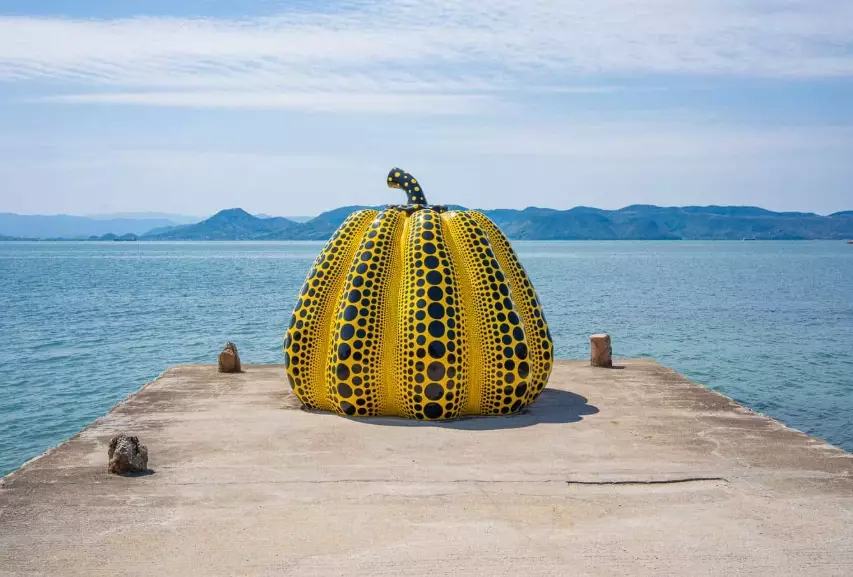
So, What Exactly Are the Japanese Art Islands?
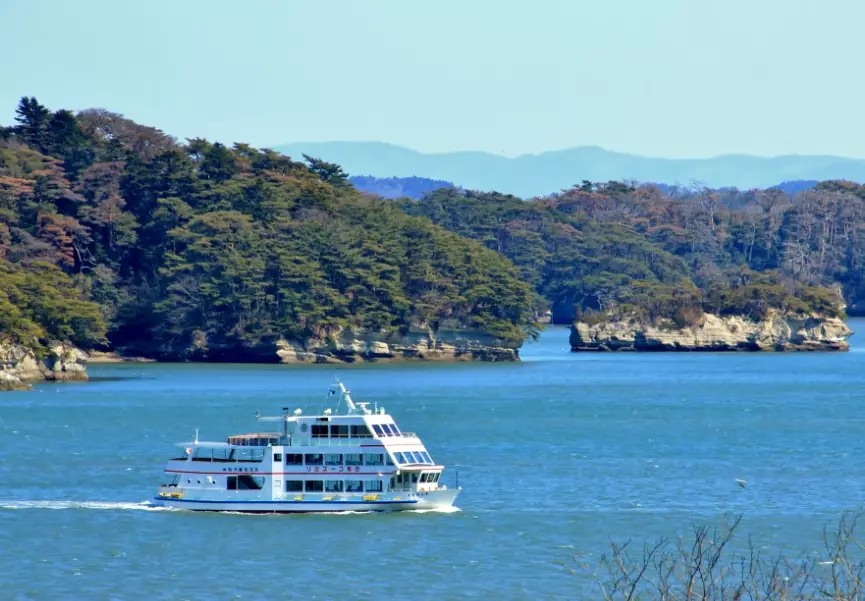
It's not one single destination. Think of it as a constellation. The core of this movement is in Japan's Seto Inland Sea, a calm body of water dotted with hundreds of islands between Honshu, Shikoku, and Kyushu. In the late 1980s and 1990s, a visionary project took root here. The Benesse Corporation, in partnership with the Fukutake Foundation (now the Fukutake Art Museum Foundation), began a long-term initiative to bring art and architecture to these quiet, depopulating islands. The goal wasn't just tourism; it was cultural and social rejuvenation.
The flagship event that really put them on the global map is the Setouchi Triennale, an international art festival held every three years. During the festival, even more islands join the roster, exploding with temporary installations and events. But the permanent collections on Naoshima, Teshima, and Inujima are the heart of the experience and are accessible year-round. They represent a seamless blend of art, architecture, and environment that you simply won't find anywhere else.
Naoshima: The Famous First Stop
For most people, Naoshima is the gateway to the Japanese art islands. It's the most developed for tourism, has the most accommodation, and hosts the most famous works. It's divided into a few key areas, and getting around efficiently is your first challenge.
The Southern Coast: Benesse House Area
This is the epicenter. The Benesse House Museum is a hotel and museum designed by the legendary architect Tadao Ando. Yes, you can stay there (if you book about a millennium in advance and have a healthy budget). But you can visit the museum without staying. The art here is integrated into the brutalist concrete building, with pieces by artists like Bruce Nauman, David Hockney, and, of course, more Kusama.
Just outside is where you'll find the iconic Yellow Pumpkin. Be prepared for a queue. Everyone wants that photo. A short walk away is the Red Pumpkin, which you can actually go inside. It's a fun, immersive contrast.
But don't miss the outdoor sculptures scattered along the coast. There's a subtle one by Kan Yasuda that you almost miss, and further on, Walter De Maria's "Seen/Unseen Known/Unknown"—a massive granite sphere and a long, sleek corridor that plays with perspective and light in a way that's genuinely awe-inspiring, especially at certain times of day.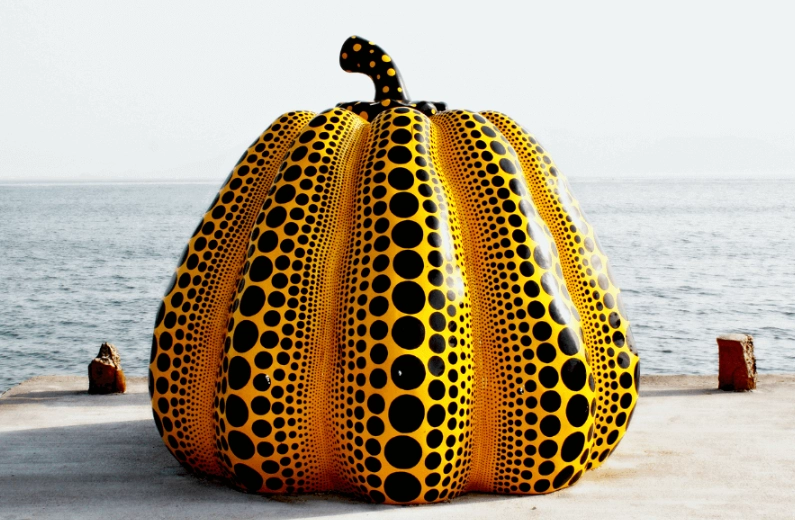
Art House Project & Ando Museum in Honmura
This, for me, is where Naoshima gets really special. In the old fishing village of Honmura, artists have taken over abandoned traditional houses ("kominka") and turned them into permanent art installations. You buy a combined ticket and wander the village, discovering them one by one.
Some are breathtaking. James Turrell's "Backside of the Moon" in the Minamidera house is an experience in pure perception and darkness—you literally wait in line to go into a pitch-black room until your eyes adjust to reveal a cube of light. It's simple and profound.
Others are more playful, like Tatsuo Miyajima's "Sea of Time," where LED counters flicker in a dark pool of water. Wandering the quiet lanes between these houses, past old ladies tending gardens and cats sleeping in the sun, is magical. It feels like a secret art hunt.
Also in Honmura is Tadao Ando's Ando Museum, a small but fascinating space dedicated to the architect's work, cleverly housed inside a renovated 100-year-old wooden house. It gives you a deeper appreciation for all the concrete you're seeing.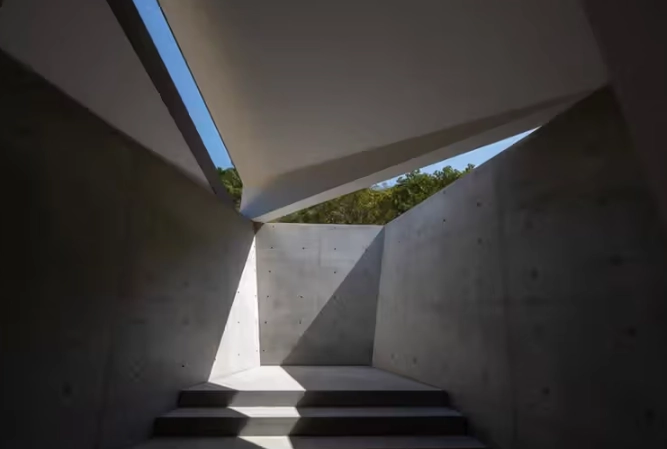
Chichu Art Museum
This is a masterpiece of architecture. Also designed by Tadao Ando, the Chichu Art Museum is built almost entirely underground to preserve the landscape. The building itself is the first work of art. Natural light is channeled and manipulated to illuminate a very small, carefully chosen collection.
You'll find a series of Monet's "Water Lilies" in a stunning, white, oval room. There's more Walter De Maria. And there's another incredible James Turrell piece, "Open Field," that plays with your sense of space and color in a way that feels almost physical. It's a meditative, quiet place. Photography is strictly forbidden inside, which honestly makes the experience more focused.
Teshima: The Organic Counterpoint
If Naoshima feels curated and architectural, Teshima feels organic and fluid. It's less about famous names and big buildings and more about emotion and environment. The island is smaller, hillier, and even more peaceful.
Teshima Art Museum
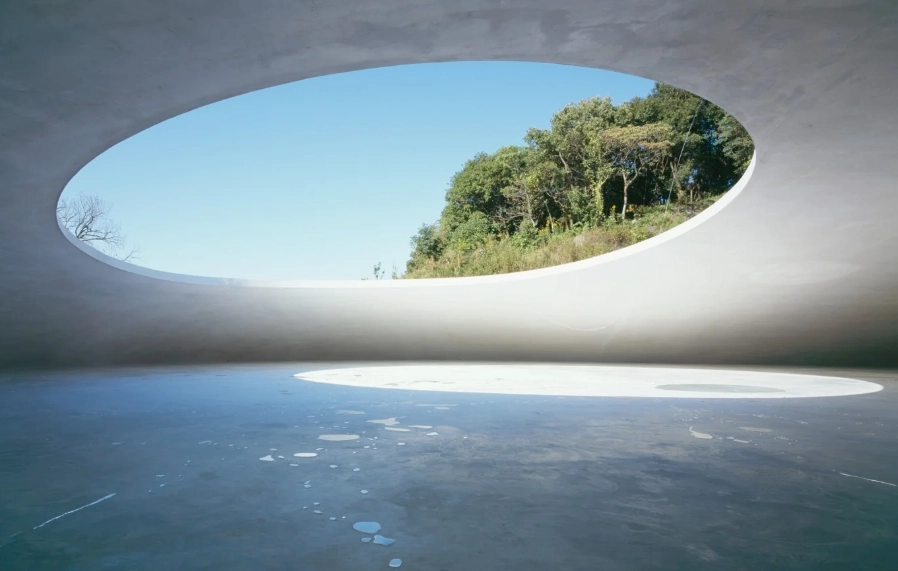
This isn't a museum in any traditional sense. It's a single, breathtaking structure by architect Ryue Nishizawa and artist Rei Naito. Imagine a vast, white, concrete shell shaped like a water droplet, nestled into a hillside overlooking terraced rice fields and the sea. There are no doors in the traditional sense, just two large oval openings.
Inside, the floor is bare, and the only "art" is water. Tiny droplets of water seep up from the concrete floor and move, coalesce, and dance, driven by the wind and the subtle slope of the floor. You sit on the floor around the edges and just watch. It's profoundly simple and moving. It's about presence, impermanence, and the elements. I sat there for nearly an hour, just letting my mind go quiet. It's the antithesis of a crowded, noisy museum experience.
Les Archives du Coeur & Other Sites
Another major site is Christian Boltanski's "Les Archives du Cœur" (The Heart Archive). In a dark, warehouse-like space by the sea, you listen to the recorded heartbeats of thousands of people from around the world. You can even record your own heartbeat to add to the archive. It's intimate and strangely powerful, a library of the most fundamental human rhythm.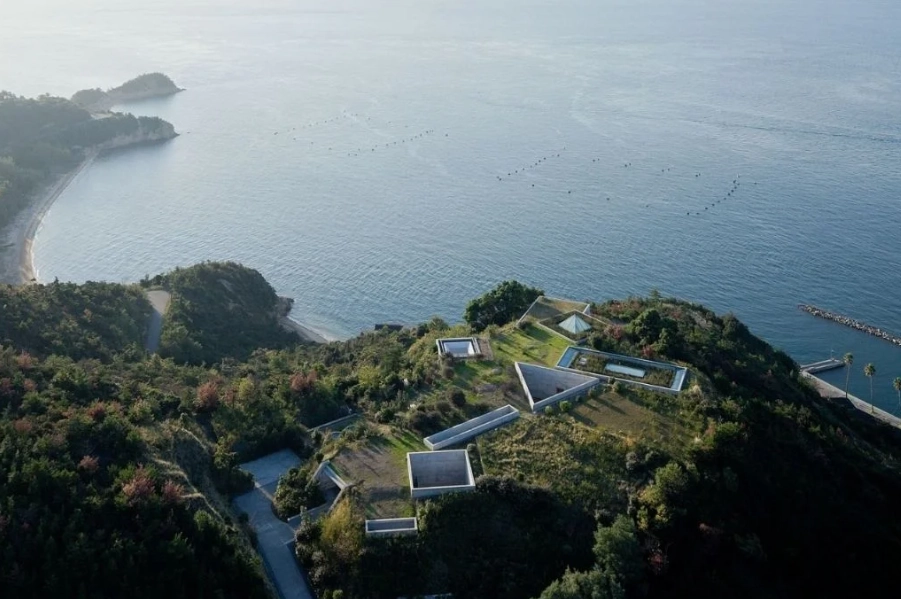
Scattered around the island are other smaller installations, like the Teshima Yokoo House, a surreal, colorful transformation of an old home by artist Tadanori Yokoo. Getting to them often involves a hike or a bike ride up steep roads, but the views are the reward.
Teshima's vibe is slow. There are fewer restaurants and shops. Pack water and a snack. The art here asks for your time and patience, and it gives back a deep sense of calm.
Inujima: The Smallest with a Big Message
Inujima is tiny. You can walk around it in a couple of hours. But don't let its size fool you. Its art project, "Inujima Seirensho Art Museum," is one of the most conceptually dense and critical.
The museum is built on the site of a former copper refinery. The artist Yukinori Yanagi and architect Hiroshi Sambuichi created a space that uses the island's history of industrialization and pollution as its core subject. You walk through a labyrinthine path of recycled materials, glass, and mirrors, with solar-powered systems highlighting issues of energy and environment.
It's less immediately beautiful than Teshima's museum and more intellectually challenging. It forces you to think about progress, waste, and sustainability. It's a powerful reminder that the Japanese art islands project isn't just about aesthetics; it's deeply engaged with the history and future of these communities.
There's also the Inujima Art House Project, similar to Naoshima's but on a smaller scale, where artists have intervened in small houses and gardens.
Comparing the Core Japanese Art Islands
Choosing which islands to visit depends on your time, interests, and travel style. Here’s a quick breakdown to help you decide.
| Island | Vibe & Focus | Top Must-See | Best For... | Logistics Note |
|---|---|---|---|---|
| Naoshima | The classic. Architectural, iconic, diverse. The most "museum-like" experience with famous names. | Chichu Art Museum, Art House Project, Yellow Pumpkin. | First-timers, architecture buffs, those wanting the full spectrum of art experiences in one place. | Most services, best public transport (buses), requires advance tickets for Chichu. |
| Teshima | Organic, meditative, emotional. Art integrated with landscape, focusing on a few profound experiences. | Teshima Art Museum, Les Archives du Cœur. | Travelers seeking a contemplative, slower-paced, deeply sensory art encounter. | Very hilly. An electric bicycle is highly recommended. Fewer dining options. |
| Inujima | Conceptual, historical, critical. Engages directly with themes of industry and environment. | Inujima Seirensho Art Museum. | Those interested in art with a strong social/environmental message, or visitors with limited time for a quick, impactful visit. | Tiny and walkable. Fewer than half-day needed for the main site. |
Planning Your Art Island Pilgrimage: The Nitty-Gritty
Alright, let's get practical. This is where most guides gloss over the details, but the details make or break your trip.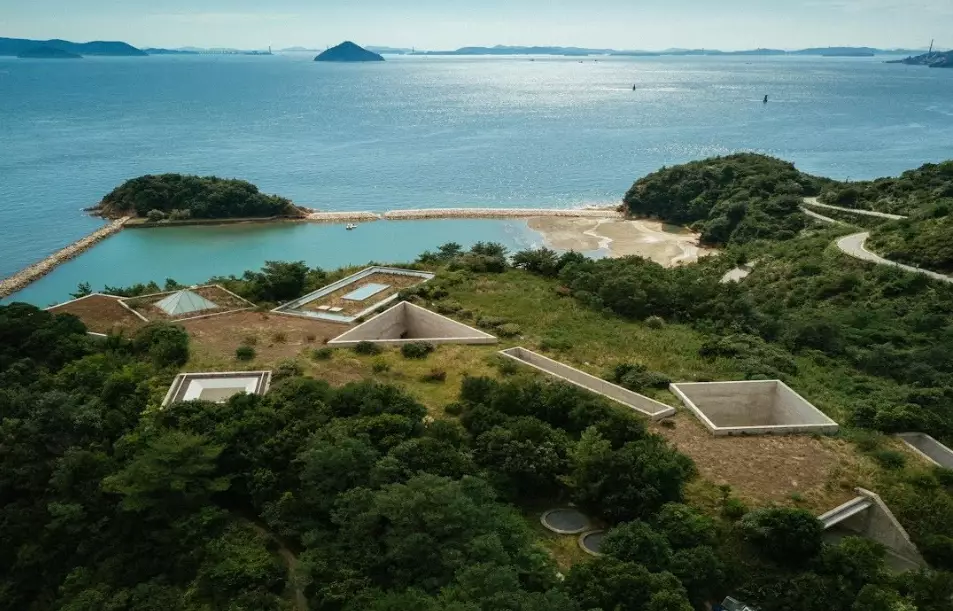
Getting There and Around
The Gateway: The main jump-off point is Uno Port in Okayama Prefecture or Takamatsu Port on Shikoku. I used Uno because the train connection from Okayama City is super easy. Okayama itself is well-connected by Shinkansen.
Ferries: This is your lifeline. Schedules change seasonally. Always, always check the latest timetables on the day before you travel. The JR Shikoku Ferry website and local port information boards are your best friends. Miss a ferry and you could be waiting hours.
On the Islands: Buses exist on Naoshima but can be infrequent. On Teshima, they're practically nonexistent for reaching the art sites. My unequivocal advice: Rent an electric bicycle. It gives you total freedom, lets you explore at your own pace, and saves you from the brutal hills. Rent them at the port when you arrive (they can run out, so get there early).
When to Go
This is crucial. The Setouchi Triennale years (like 2025, 2028...) are amazing but crowded. Accommodation books out a year in advance, and the islands are buzzing. It's vibrant but busy.
I went in the off-season (late autumn). The weather was mild, the crowds were thin (I had the Teshima Art Museum almost to myself), and it felt peaceful. The downside? Some smaller cafes or seasonal shuttle services might be closed. Summer (July-August) is brutally hot and humid, but the seaside location offers some breeze. Spring and autumn are ideal for weather.
Where to Stay
Options range from the luxurious Benesse House on Naoshima to charming guesthouses (minshuku) run by local families. Staying on an island, especially Naoshima or Teshima, is highly recommended. The atmosphere after the day-trippers leave is magical. Book accommodation MONTHS in advance, no exaggeration.
If you can't find or afford island lodging, basing yourself in Okayama City or Takamatsu and taking day trips is perfectly feasible, thanks to the early and late ferries.
Essential Packing List
- Comfortable Walking Shoes: You will walk and cycle a lot. Leave the fashion heels at home.
- Cash: Many smaller cafes, rental shops, and even some museum ticket booths only accept cash.
- Water Bottle & Snacks: Refill stations are around, and having a snack for energy between remote sites is a lifesaver.
- Sun Protection: Hat, sunscreen, sunglasses. The coastal sun is strong, and shade can be scarce.
- Portable Battery Charger: For your phone (GPS, camera) and your e-bike (some have USB ports).
- A Light Rain Layer: Weather can change quickly.
Beyond the Big Three: Other Islands in the Archipelago
If you have more time, the art extends further. During the Triennale, islands like Shodoshima, Ogijima, and Megijima come alive with installations. Even in off-years, some have permanent pieces. Shodoshima, for example, is known for its olive groves and has the striking Olive Park with a Greek-inspired twist, alongside some art sites. It's bigger and requires more time to explore. These are for the truly committed art island hopper.
Answering Your Burning Questions (FAQ)
Is it worth visiting the Japanese art islands if I'm not a huge art fan?
Absolutely. While art is the draw, the experience is about so much more: the stunning Seto Inland Sea scenery, the unique architecture, the peaceful pace of island life, and the fascinating project of community revival. It's a unique cultural and travel experience. My friend who came with me is no art expert, and she was mesmerized by the landscapes and the sheer creativity of the spaces.
How many days do I need?
At a minimum, two full days: one for Naoshima and one for Teshima (with Inujima possibly tagged onto the Teshima day if ferry times align). To truly soak it in without rushing, three to four days is ideal, allowing you to stay on an island and explore at a leisurely pace.
What's the food like on the islands?
Simple, fresh, and often seafood-focused. You'll find small, family-run soba or udon shops, cafes in converted old houses, and maybe a pizza place geared towards tourists. On Naoshima, there's more variety. On Teshima, I had a fantastic, simple lunch at a shack near the port that served the day's catch. It's part of the adventure—don't expect the dining options of a city.
Is it child-friendly?
It can be, with planning. The long walks, bike rides, and quiet, contemplative museum spaces (where kids must be silent) may not suit very young children. However, older kids who enjoy exploration and interactive art might love the outdoor sculptures and the hunt-like nature of the Art House Projects. The beaches are also beautiful for a break.
What's the biggest mistake people make?
Two things: Underestimating the terrain and transportation. Thinking you can walk everywhere or that buses will always be there. And not booking key museum tickets in advance. For Chichu on Naoshima, it's non-negotiable. Plan like you're planning a military campaign, and then allow yourself to get blissfully lost once you're there.
Final Thoughts: More Than a Trip
Visiting the Japanese art islands isn't a typical vacation. It's a pilgrimage for the creatively curious. It challenges you to see art not as something separate from life, but as a vital part of it—breathing in old houses, growing on hillsides, and echoing the pulse of the sea.
Yes, you'll get that photo with the Yellow Pumpkin. But you'll also carry home the memory of silent light in a dark room, the feeling of a cool concrete floor as you watch water dance, and the taste of salt air mixed with the quiet of a village lane. The Japanese art islands offer a rare kind of travel magic where beauty isn't just observed; it's experienced with your whole being. Just remember your e-bike.
Share Your Thoughts