You've seen the photos of Himeji, the White Heron Castle, gleaming against a blue sky. But did you know it's one of only a dozen survivors? Japan once had thousands of castles. Wars, fires, and modernization wiped most out. The 12 original castles are the real deal—their central keeps (tenshu) are original wooden structures dating back to the feudal era, not modern concrete reconstructions. Walking up their steep, dark staircases is stepping directly into the 16th or 17th century. This isn't just a list; it's a practical guide to understanding and visiting these incredible monuments.
Your Castle-Hopping Roadmap
What Makes a Castle "Original"?
This is the crucial bit everyone gets wrong. An "original castle" ( genzon tenshu) specifically means the mainkeep's core structure is original, built during the Edo period (1603-1868) or earlier. Many famous "castles" like Osaka or Nagoya are fantastic reconstructions, but they're ferroconcrete replicas built in the 20th century.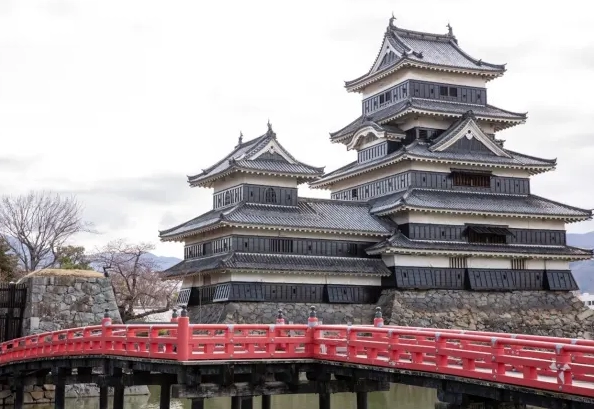
The 12 originals have survived earthquakes, fires, and the WWII air raids that targeted many urban castles. Their survival is miraculous. When you visit, you're touching the same wood the samurai touched. The smell is different—old timber and tatami, not new paint. The stairs are worn and uneven. The experience is authentic in a way a museum replica can never be.
I made the mistake on my first trip. I rushed through Hikone Castle, took my photo, and left. I missed the point. Later, at Matsumoto, I spent an hour just looking at the stonework. That's when it clicked.
The Complete List of 12 Original Castles
Here they are, from north to south. This table gives you the hard facts to start planning.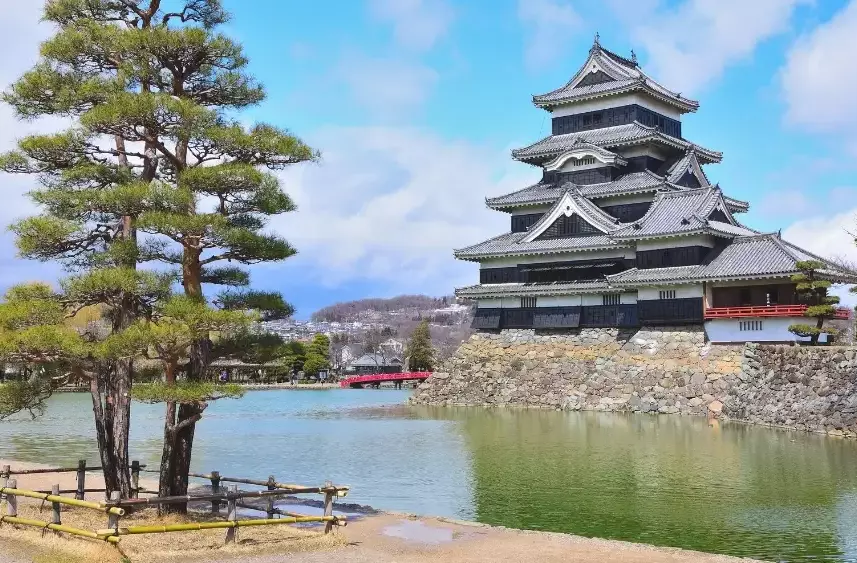
| Castle | Location (Prefecture) | Key Feature & Nickname | Adult Ticket (Approx.) | Access Tip |
|---|---|---|---|---|
| Matsumoto | Nagano | Black exterior, built on plains. "Crow Castle." | 700 yen | 15-min walk from Matsumoto Station. Stunning with snow-capped Alps. |
| Ueda | Nagano | Smaller keep, fierce history against Tokugawa. | 300 yen (keep only) | 10-min walk from Ueda Station. Often quiet, a local gem. |
| Maruoka | Fukui | Oldest keep (1576). Thatched roof layers. | 450 yen | Take a bus from Fukui Station (30 mins). Check bus schedules carefully. |
| Inuyama | Aichi | Privately owned until 2004. Riverside setting. | 550 yen | From Nagoya, take Meitetsu Line to Inuyama Station, then walk 15 mins. |
| Hikone | Shiga | Beautiful gardens, views of Lake Biwa. | 800 yen (castle & garden) | Right outside Hikone Station. Easy day trip from Kyoto. |
| Himeji | Hyogo | Largest, most magnificent. UNESCO site. "White Heron." | 1,000 yen (castle), 1,050 yen (combo with Kokoen garden) | 15-min walk from Himeji Station. Go at opening to beat crowds. |
| Bitchu Matsuyama | Okayama | Highest elevation (430m). Often above clouds. | 500 yen (castle), 300 yen (shuttle bus from cable car) | Most remote. Requires train, bus, cable car, then hike/shuttle. |
| Matsue | Shimane | Dark wood, largely unaltered since 1611. | 680 yen (castle), 1,240 yen (combo with neighboring museum) | Short bus ride from Matsue Station. Boat tours on the moat are great. |
| Marugame | Kagawa | Imposing stone walls, one of Japan's tallest. | 200 yen | 10-min walk from Marugame Station. Often combined with Ritsurin Garden. |
| Iyo Matsuyama | Ehime | Overlooks Matsuyama city. Access by cable car. | 520 yen (castle), 1,020 yen (with cable car round-trip) | Take tram to Matsuyama-shi Station, then cable car or chairlift. |
| Kochi | Kochi | Lively main hall, original kawara roof tiles. | 420 yen | Walkable from central Kochi. Visit the lively Sunday market nearby. |
| Hirosaki | Aomori | Famous for over 2,600 cherry trees in spring. | 320 yen | In a large park. 20-min bus from Hirosaki Station. Stunning in April/May. |
Notice the price variation? The more famous ones (Himeji) cost more, but many are surprisingly affordable. Marugame is a steal at 200 yen.
A Quick Geography Lesson
They're not clustered together. Himeji, Hikone, and Inuyama form a feasible cluster in the Kansai/Chubu region, accessible from Kyoto or Nagoya. Matsumoto and Ueda are another pair in Nagano. The rest, like Bitchu Matsuyama or the Shikoku castles (Marugame, Iyo Matsuyama, Kochi), require dedicated regional travel. Don't try to tick them all off in one go unless you have months.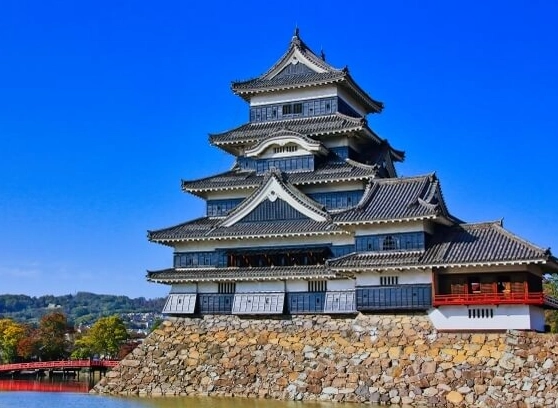
How to Plan Your Castle Tour
Choosing Your Castles
Pick based on your travel route and interest.
For first-timers with limited time: Himeji is non-negotiable. It's the pinnacle. Pair it with Hikone for a classic contrast—Himeji is grand, Hikone is intimate and has one of Japan's "three great gardens" next door.
For scenery lovers: Matsumoto with the Japanese Alps, or Bitchu Matsuyama in the clouds. Hirosaki in cherry blossom season is unforgettable.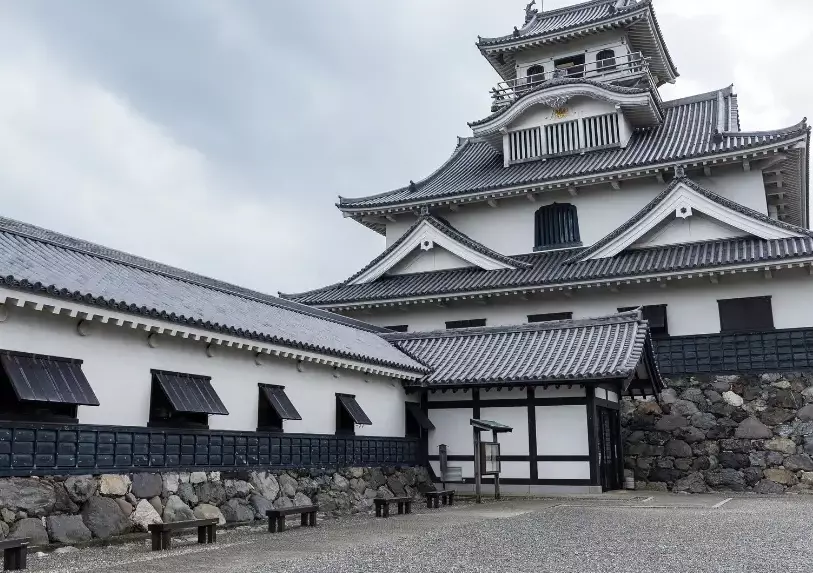
For the off-beat path: Ueda or Maruoka. You might have the place to yourself. I spent a peaceful afternoon at Ueda, and the volunteer guide (a retired local teacher) shared stories you won't find in any guidebook.
Logistics: Tickets, Timing, and Transport
Always check the official website (use Google Translate) for the latest hours and closures. Most open around 9 AM and close between 4 and 5 PM. Last entry is usually 30 minutes before closing.
Buy tickets at the gate; advanced online purchase is rarely needed except maybe for Himeji during peak seasons like Golden Week.
For transport, a Japan Rail Pass can be great for Himeji, Hikone, Matsumoto, and Hirosaki. For others, regional passes (like the Shikoku Rail Pass) or just paying for local trains/buses works. For Bitchu Matsuyama, the journey is part of the adventure—plan a half-day just for it.
Wear easy-to-remove shoes. You'll be taking them off constantly to enter the wooden keeps. Socks are a must.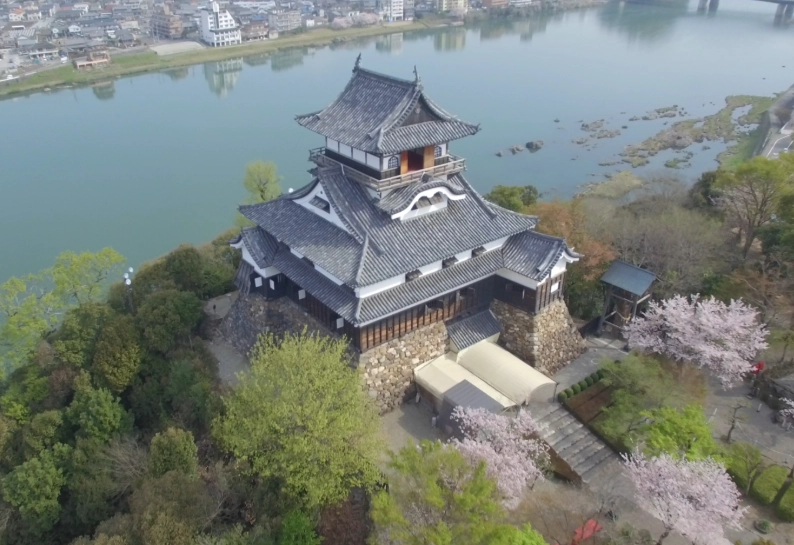
What to See Beyond the Main Keep
The keep is the star, but the supporting cast is just as important. This is where most visitors rush and miss the depth.
The Stone Walls (Ishigaki): Look closely. The size and cutting of the stones tell a story. Large, finely cut stones (called kiri-komi hagi) near the base show wealth and importance. Rough, uncut stones higher up were for less critical sections. The curved, sloping walls are called ogi no kobai (fan slope)—they're designed to make climbing under fire nearly impossible.
Gates and Turrets (Yagura): These were defensive choke points. The masugata gate system at Himeji, where you have to make two 90-degree turns under fire from overhead turrets, is a masterpiece of defensive design. Spend time here.
The Setting: Is the castle on a hill (yamajiro) like Bitchu Matsuyama, on plains (hirajiro) like Matsumoto, or integrated with water like Matsue? This dictated its entire strategy.
I once followed a Japanese history student around Hikone Castle. He wasn't looking at the keep; he was sketching the angles of the stone bases of the walls. That's the level of detail these places reward.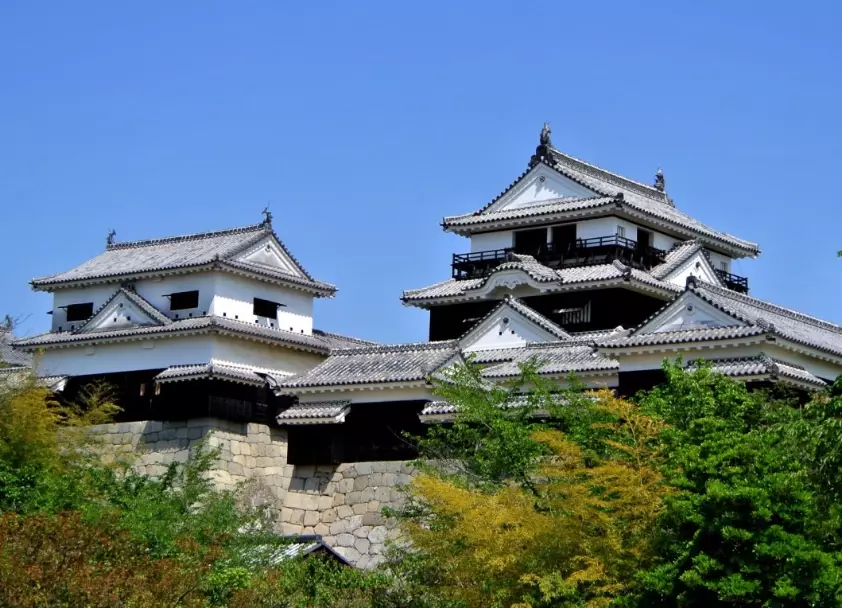
Your Castle Visit Questions Answered
Let's tackle the practical stuff that keeps popping up.
Visiting these 12 original castles is more than sightseeing. It's a direct link to Japan's samurai past. You're not just learning history; you're standing in the middle of it. Pick one or two that call to you, go slow, and look beyond the postcard view. You'll come away with a much deeper understanding of what these incredible structures were really about: power, defense, and artistry built in wood and stone.



Share Your Thoughts