Let's cut straight to the point: Tokyo is one of the safest large cities in the world for anyone, including women traveling alone. You can walk down most streets at night feeling a sense of security that's rare elsewhere. But "safe" doesn't mean "devoid of considerations." The real question isn't just "is it safe?" but "what do I need to know to feel safe and navigate confidently?" After multiple solo trips and living there, I can tell you that the answer involves understanding not just crime stats, but cultural nuances, transportation quirks, and your own comfort zones.
Your Quick Guide to Navigating This Article
How Safe is Tokyo, Really? A Data-Driven Look
According to the Safe Cities Index by The Economist Intelligence Unit, Tokyo consistently ranks at the top for personal security. Violent crime rates are extremely low. You're highly unlikely to encounter street harassment of the overt, aggressive kind common in some other countries.
But here's the nuance everyone misses: safety isn't just about violent crime. For solo female travelers, concerns often revolve around low-level harassment (like being followed or stared at), unwanted attention in social settings, and navigating situations where you might feel vulnerable (like a nearly empty train car late at night).
My experience? I've walked from Shinjuku to my accommodation in a quieter area past midnight and felt fine. I've also been the only woman in a tiny, third-floor izakaya and received nothing but polite service. The baseline is incredibly high. However, complacency is your only real enemy. Petty theft, while rare, can happen in crowded places like Shibuya Scramble. And cultural misunderstandings can create awkward moments.
A key insight most guides don't mention: The concept of "meiwaku" (causing trouble/bother) is powerful in Japan. Most people go out of their way to avoid disturbing others. This social pressure drastically reduces random street harassment. The risk often increases in areas with more tourists or nightlife, where social norms can be slightly different.
Essential Safety Tips for Solo Female Travelers in Tokyo
Forget the generic "be aware of your surroundings." Here are actionable, Tokyo-specific strategies.
On Public Transport (Trains are Your Lifeline)
Tokyo's train system is a marvel, but rush hour is its own beast. Women-only cars operate during morning peak hours (typically until 9:30 AM) on many lines. Look for pink signs on the platform. Use them if you want guaranteed space from physical crowding—though ironically, they can sometimes be more crowded.
Late at night, trains can be sparse. Try to board the car that stops near the station attendant's office (usually marked on platform signs). If you feel uneasy, simply moving to a different, more populated car is a effective, low-conflict solution.
Download these apps: Japan Travel by Navitime for route planning and DiDi or JapanTaxi for booking taxis if you miss the last train (usually around midnight). Taxis are safe but expensive.
Choosing Where to Stay
Location trumps fancy amenities. I recommend areas that are bustling but not purely nightlife districts.
- Shibuya or Shinjuku (South/East sides): Excellent transport links, always people around, tons of food options. Stick to main streets near the stations.
- Ginza/Yurakucho: More upscale, feels orderly and safe, great for first-timers.
- Ueno/Asakusa: Slightly more traditional, often quieter at night but still very safe.
Avoid the narrow, bar-filled alleys of Kabukicho in Shinjuku for accommodation. It's fascinating to visit but can feel overwhelming to return to alone late at night.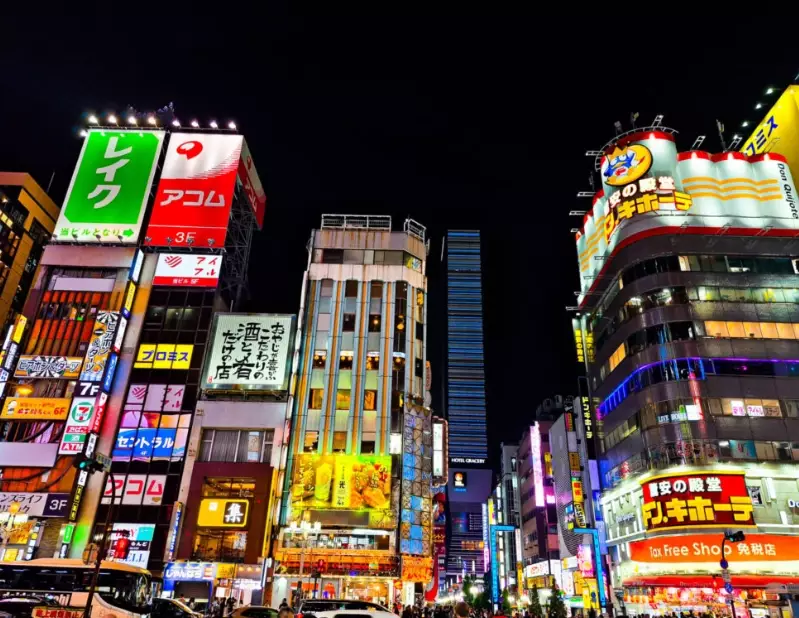
Socializing and Dining Alone
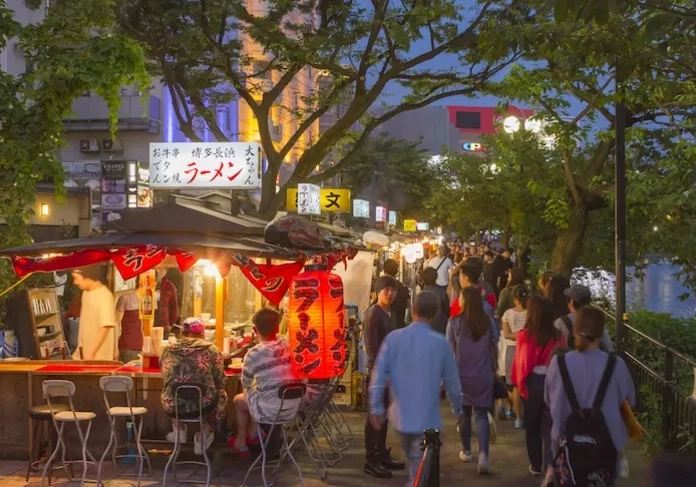
Dining solo is completely normal. Ramen shops, conveyor belt sushi, and tonkatsu places are designed for it. For a drink, larger izakaya chains like Torikizoku or standing bars (tachinomi) are low-pressure. A common mistake is accepting drinks from strangers in tight-knit local bars in Golden Gai—it can create an expectation of continued interaction. It's okay to politely decline with a smile and a "daijobu desu" (I'm okay).
One subtle cultural point: In some traditional izakaya, if you sit at the counter and chat pleasantly with the chef/staff, they might offer you a small dish "on the house" (service). This is hospitality, not a flirtation. Accepting it graciously is fine; you don't owe anything beyond thanks.
Tokyo Neighborhoods: A Solo Female Traveler's Breakdown
| Neighborhood | Vibe for Solo Travelers | Safety Notes & Tips | Best For |
|---|---|---|---|
| Shibuya | Energetic, youthful, crowded. Center of youth fashion and culture. | Very safe but be mindful of pickpockets in the scramble crossing crowd. The Center-Gai street is packed but well-lit. Love Hotel Hill is nearby but not threatening. | People-watching, shopping, feeling the pulse of the city, easy access to transport. |
| Shinjuku | Massive, multi-faceted. Business district, skyscrapers, and Kabukicho's nightlife. | The east side (Kabukicho, Golden Gai) is safe but has persistent touts. Ignore them completely—they target tourists. The south/west sides around the station are corporate and fine any time. | Skyscraper views (Metropolitan Gov. Building), department stores, exploring a complex urban landscape. |
| Ginza | Upscale, polished, elegant. Luxury shopping and fine dining. | Perhaps the safest-feeling area. Streets are wide, clean, and orderly. Very quiet at night after stores close. | Splurging, window-shopping, refined atmosphere, feeling pampered and secure. |
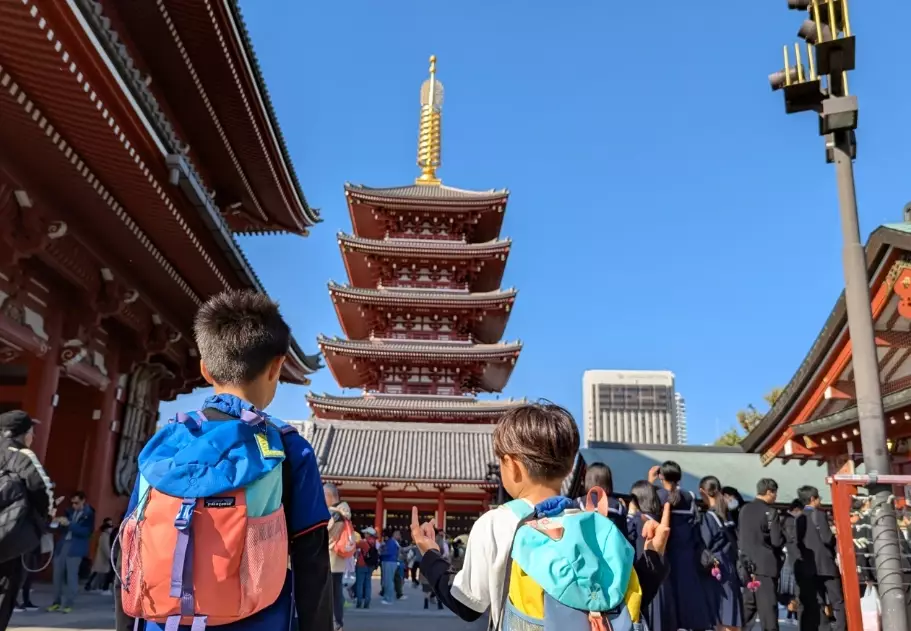
| Asakusa | Traditional, touristy, slightly slower pace. Home to Senso-ji Temple. | Extremely safe. The main drag to the temple (Nakamise-dori) is packed with families by day, empty by early evening. Accommodation here is often good value. | Traditional culture, temple visits, rickshaw rides, a quieter base. |
| Roppongi | International, nightlife-heavy, popular with expats. | This is the area where I'd advise the most caution at night. Touts here can be more aggressive. Stick to main roads and well-known venues if going out. Great for art museums by day. | Mori Art Museum, international cuisine, nightlife (if with a group or very confident). |
Navigating Nightlife & Socializing Confidently
Want to experience Tokyo's famous nightlife? You absolutely can. The trick is in the venue choice.
For a fun, low-risk night out alone: Head to an area like Ebisu or Nakameguro. They have clusters of wine bars, craft beer pubs, and casual restaurants with a more relaxed, local crowd. You can hop between places easily.
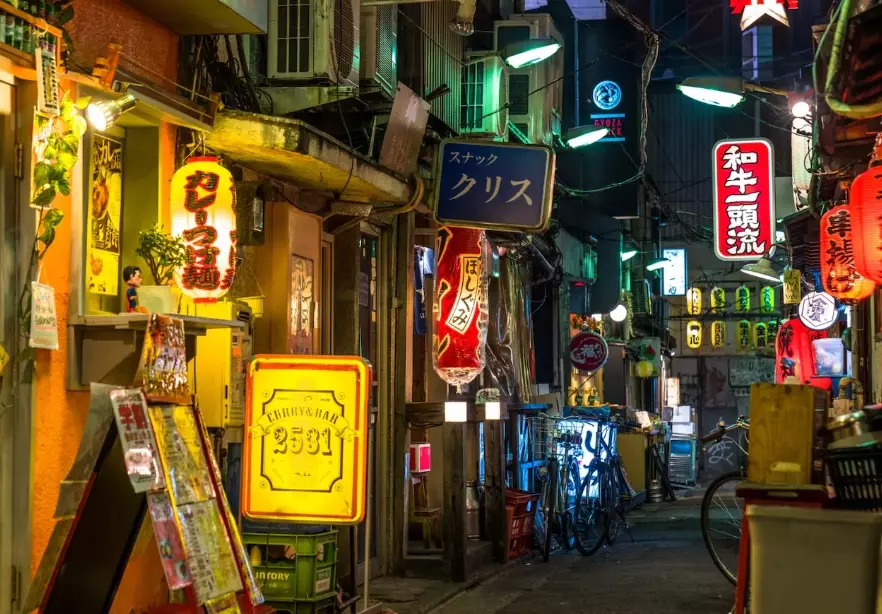
Golden Gai in Shinjuku is iconic—tiny bars with 6-8 seats. It's generally safe, but as a solo woman, you might attract curiosity. Choose a bar that already has a mixed group or a few women inside. The owner usually sets the tone.
Let's talk about karaoke. Going to a karaoke box alone is a fantastic and safe solo activity. Chains like Big Echo or Karaoke Kan rent private rooms by the hour. You can order drinks and food via a phone in the room. Zero social pressure.
Practical Planning: From SIM Cards to Emergency Info
Feeling prepared eliminates anxiety.
- Connectivity: Get a pocket WiFi or eSIM (like from Ubigi or Airalo) before you arrive. Being able to use Google Maps and translate instantly is a safety net.
- Money: Japan is still cash-centric in many smaller places. Carry some yen, but use ATMs in 7-Eleven or post offices. Carrying large amounts is relatively safe, but don't flaunt it.
- Emergency Numbers: Police: 110. Ambulance/Fire: 119. For non-emergency help in English, the Japan Visitor Hotline (050-3816-2807) is useful.
- Health: Pharmacies ("drugstores" like Matsumoto Kiyoshi) are everywhere. For minor issues, ask for help there. For serious concerns, major hospitals like St. Luke's International Hospital in Tsukiji have English-speaking services.
My personal rule: I always leave a copy of my day's rough itinerary (district I'm heading to, hotel name) with a friend or family member back home. It takes two minutes and is the ultimate backup plan.
Your Questions, Answered (The Stuff You Actually Worry About)
I'm arriving at Haneda Airport at 11 PM. How do I get to my hotel safely?
Both Haneda and Narita are very well-connected and safe at night. Your best bets are the Airport Limousine Bus (direct to major hotels/stations, last buses depart around midnight) or the Keikyu Line train from Haneda to Shinagawa (last train around midnight). If you miss these, head to the official taxi stand. Avoid unlicensed cabs. Booking an airport transfer via your hotel or a service like Klook is a stress-free, if pricier, option.
How can I avoid chikan (groping) on crowded trains?
First, know it's statistically uncommon but does happen, especially during rush hour. Use the women-only cars in the morning. If you're in a mixed car, stand near other women or near the doors. If it happens, don't stay silent out of embarrassment. A loud, sharp "Yamete!" (Stop it!) or "Dame!" (No!) in Japanese will draw immediate attention and shame the perpetrator. You can also press the emergency intercom button near the train doors to alert the conductor.
Is it safe to use dating apps like Tinder or Bumble in Tokyo as a solo traveler?
It can be, but you need a strict protocol. Many people use them platonically to find tour guides or language exchange. Always meet in a public, busy place for the first meeting—a coffee shop in Shibuya or Shinjuku during the day. Tell someone you're meeting someone. Trust your gut absolutely. Be aware that some men may assume a date implies intimacy later—be clear about your intentions upfront. Personally, I find joining a group tour or a class (like cooking or calligraphy) a safer and more rewarding way to meet people.
What should I wear to blend in and avoid unwanted attention?
Tokyo is stylish but generally modest. Avoid overly revealing clothing outside of nightlife districts. In summer, light layers that cover shoulders and knees are common and respectful for temple visits. The goal isn't to be invisible—you'll stand out as a foreigner regardless—but to show cultural awareness, which often garners more respectful treatment. Comfortable walking shoes are non-negotiable; you'll be on your feet a lot.
I'm worried about staying in a capsule hotel or a hostel. Are they safe for women?
Many capsule hotels and hostels now have women-only floors with keycard access, which are very secure. Read reviews carefully on sites like Booking.com or Hostelworld, specifically filtering for reviews by solo female travelers. Look for phrases like "felt safe," "clean," and "secure lockers." Some female-only capsule hotels, like Nadeshiko Hotel Shibuya, are designed specifically for women, with amenities like pajamas and nicer common areas. They can be a great, affordable option.
The bottom line is this: Tokyo offers a level of baseline safety that can feel liberating for a solo female traveler. Your biggest risks are likely logistical (getting lost, missing a train) rather than personal safety ones. Arm yourself with knowledge, trust your instincts as you would anywhere, and you're set up for an incredible, empowering adventure in one of the world's most fascinating cities. Go explore that hidden ramen shop down the alley. Sing your heart out in a karaoke box. Get delightfully lost in a department store food hall. Tokyo is waiting, and you've got this.
Share Your Thoughts