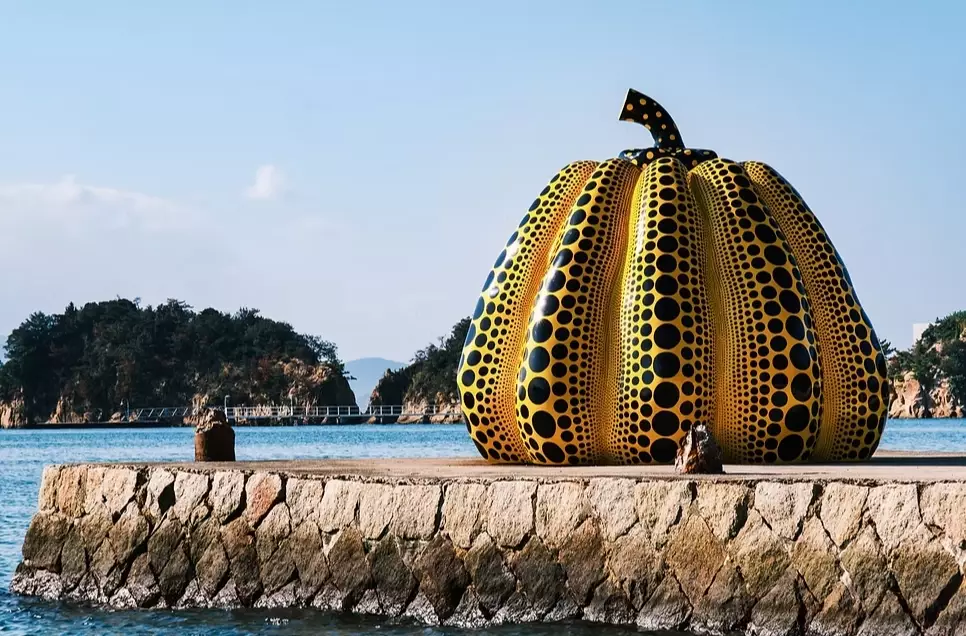
You're in Osaka, surrounded by neon and the incredible energy of Dotonbori. But part of you is dreaming of something quieter, more contemplative. You've seen the pictures: that iconic yellow pumpkin on a pier, minimalist concrete structures blending into hillsides. You're thinking about Japan's art islands. The good news? Getting from Osaka to the heart of the Setouchi art scene—Naoshima, Teshima, Inujima—is absolutely doable. It requires some planning, but the payoff is one of the most unique cultural experiences on the planet. This isn't just a day trip; it's a journey into a world where contemporary art, architecture, and nature have a profound conversation.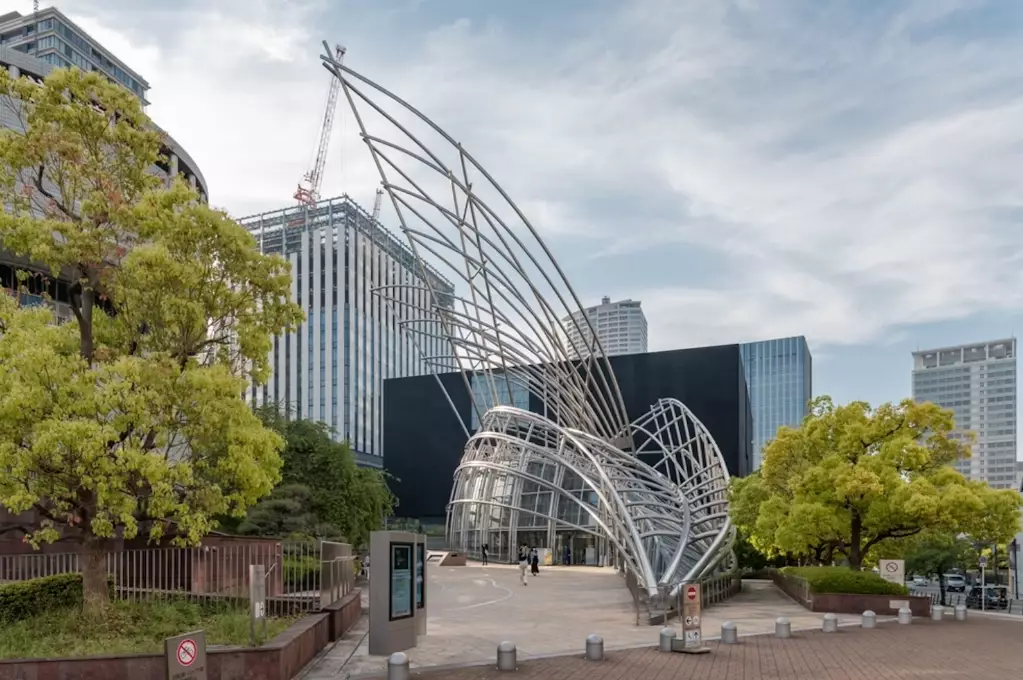
Your Journey at a Glance
What Are the Setouchi Art Islands?
Let's clear something up first. "Art Island Japan" usually refers to a cluster of islands in the Seto Inland Sea, revitalized through contemporary art. The project, largely spearheaded by the Benesse Corporation and the Setouchi Triennale, turned sleepy fishing islands into global art destinations. Naoshima is the flagship, but Teshima and Inujima are equally compelling. The art isn't housed in a single museum; it's woven into the landscape—old houses become installations, coastlines host sculptures, and world-class architects like Tadao Ando and Ryue Nishizawa have built stunning venues here.
It's a slow travel experience. You go to walk, to think, to be surprised by a James Turrell sky piece or moved by a Rei Naito installation. Rushing defeats the purpose.
How to Get from Osaka to the Art Islands
This is the practical heart of your planning. You have two main gateway ports: Uno Port in Okayama and Takamatsu Port in Kagawa. From Osaka, reaching Uno is generally faster and more direct for a Naoshima-focused trip.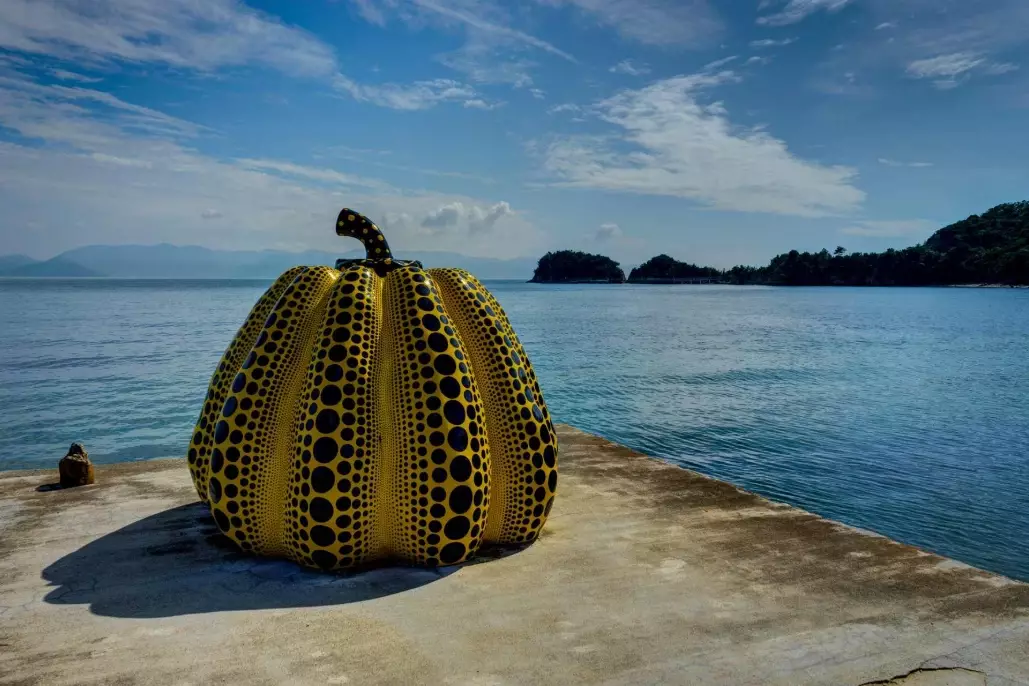
The Fastest Route: Osaka to Naoshima via Uno Port
This is your best bet for a day trip or a short stay.
- Shinkansen to Okayama: Take the Nozomi or Hikari Shinkansen from Shin-Osaka Station to Okayama Station. This takes about 45-55 minutes.
- Local Train to Uno: Transfer to the JR Uno Line local train at Okayama. It's a scenic, roughly 45-minute ride to Uno Station. The port is a 5-minute walk from the station.
- Ferry to Naoshima: From Uno Port, ferries to Naoshima's Miyanoura Port run frequently, taking about 20 minutes.
Total travel time (one way): Approximately 2.5 to 3 hours.
Alternative Route: Osaka to Takamatsu Port
Better if you want to visit Teshima or start from a different angle. The JR Limited Express "Shiokaze" or "Marine Liner" trains go directly from Osaka (or Okayama) to Takamatsu, taking about 2.5 hours. From Takamatsu Port, you can catch ferries to Naoshima (50 mins) or Teshima (35-60 mins depending on the port).
| Transport Method | Route | Approx. Time (Osaka to Island) | Best For |
|---|---|---|---|
| Shinkansen + Local Train + Ferry | Shin-Osaka → Okayama → Uno → Naoshima | ~2.5 - 3 hrs | Day trips to Naoshima, speed. |
| Limited Express Train + Ferry | Osaka → Takamatsu → Teshima/Naoshima | ~3 - 3.5 hrs | Visiting Teshima first, avoiding Shinkansen cost. |
| Overnight Stay | Travel the day before, stay on an island or in Okayama/Takamatsu | N/A | A relaxed, immersive experience. The only way to truly appreciate the islands. |
Island Highlights: What to See and Do
Each island has its own personality. Trying to cram all three into a day from Osaka is a classic mistake that leads to ferry-stress and no time to actually see anything. Choose one, or plan an overnight.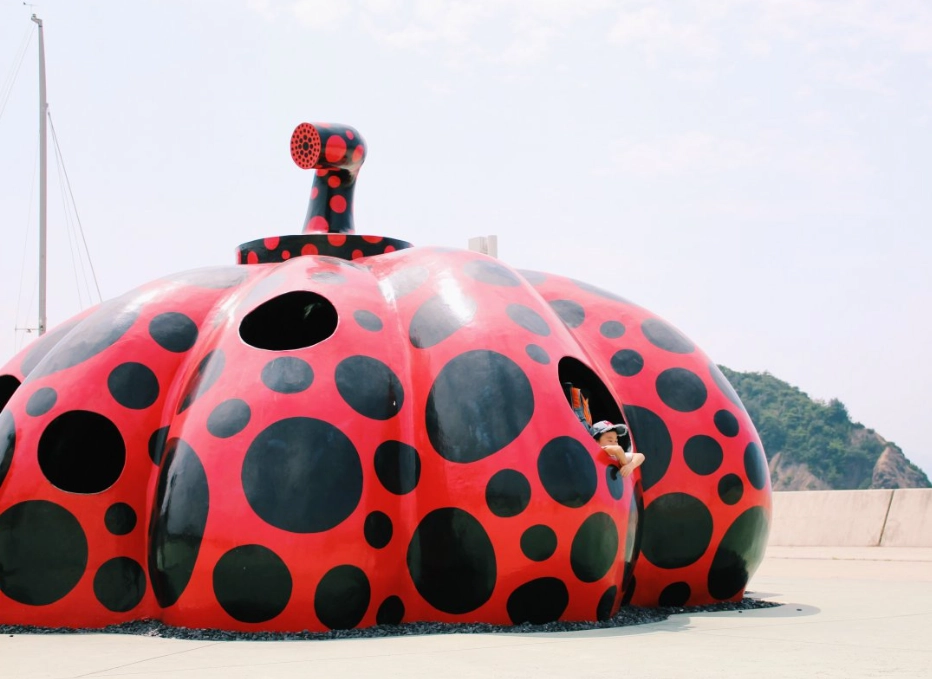
Naoshima: The Art Island Blueprint
Getting Around: Rent an e-bike at Miyanoura Port. It's the perfect way to cover the hilly terrain between sites. Buses also run but are infrequent.
Must-Sees:
- Benesse House Museum & Art Site: More than a museum, it's a Tadao Ando-designed complex where you can stay overnight (book months ahead). The museum itself (¥1,050) houses works by artists like Bruce Nauman and David Hockney, with stunning sea views. The outdoor sculptures along the coast, including Yayoi Kusama's Pumpkin, are free to view.
- Chichu Art Museum: (¥2,100) Another Ando masterpiece, built mostly underground. It houses a breathtaking Monet room, Walter De Maria's Time/Timeless/No Time, and James Turrell's Open Field. The building is the art as much as the pieces inside. Requires online reservation in advance.
- Lee Ufan Museum: (¥1,050) A serene dialogue between Ando's architecture and Lee Ufan's meditative sculptures and paintings.
- Art House Project: (¥1,030 for a multi-site ticket) Scattered in Honmura village, artists have transformed old houses, a temple, and a shrine into permanent installations. My personal favorite is James Turrell's Backside of the Moon in the Go'o Shrine.
Teshima: The Organic Counterpoint
Less manicured, more poetic. If Naoshima feels curated, Teshima feels like the art grew from the soil.
- Teshima Art Museum: (¥1,570) The crown jewel. Not a museum in the traditional sense. It's a breathtaking, teardrop-shaped concrete shell by Ryue Nishizawa, with water droplets perpetually emerging from the floor in a piece by Rei Naito. It's an experience of light, air, and sound. Photography is prohibited inside for good reason. Reservations highly recommended.
- Les Archives du Cœur: (¥520) Christian Boltanski's archive of human heartbeats, recorded in a dark, intimate space on a quiet beach. You can record your own.
- Exploring by Scooter/Car: Public transport is very limited. Renting a scooter (international license required) or a car with driver is the best way to explore the coastal roads and smaller sites.
Inujima: The Small but Mighty Island
For a deeper, quieter dive. The entire island feels like one cohesive art project about industry and regeneration, centered around an old copper refinery.
- Inujima Seirensho Art Museum: (¥2,060) An incredible fusion of industrial ruins and contemporary design by Hiroshi Sambuichi. The themes of energy and resource use are powerful.
- Art House Projects & Inujima Life Garden: More intimate house conversions and garden installations. You can walk across the small island in a few hours.
Crafting Your Art Island Itinerary from Osaka
Be realistic with time. A ferry ride isn't just a subway hop.
The Ambitious (and Exhausting) One-Day Naoshima Blitz
Only attempt this if you accept you'll see a fraction of the island and be tired.
- 7:00 AM: Depart Shin-Osaka via Shinkansen.
- 10:00 AM: Arrive at Naoshima (Miyanoura). Rent an e-bike.
- 10:30 AM - 3:30 PM: Focus on ONE area. Either the Benesse/Chichu zone (book Chichu for late morning) OR the Art House Project in Honmura. Don't try both.
- 4:00 PM: Catch ferry back to Uno.
- 7:00 PM-ish: Back in Osaka.
Honestly, I don't recommend this. The stress of missing the last ferry ruins the contemplative mood.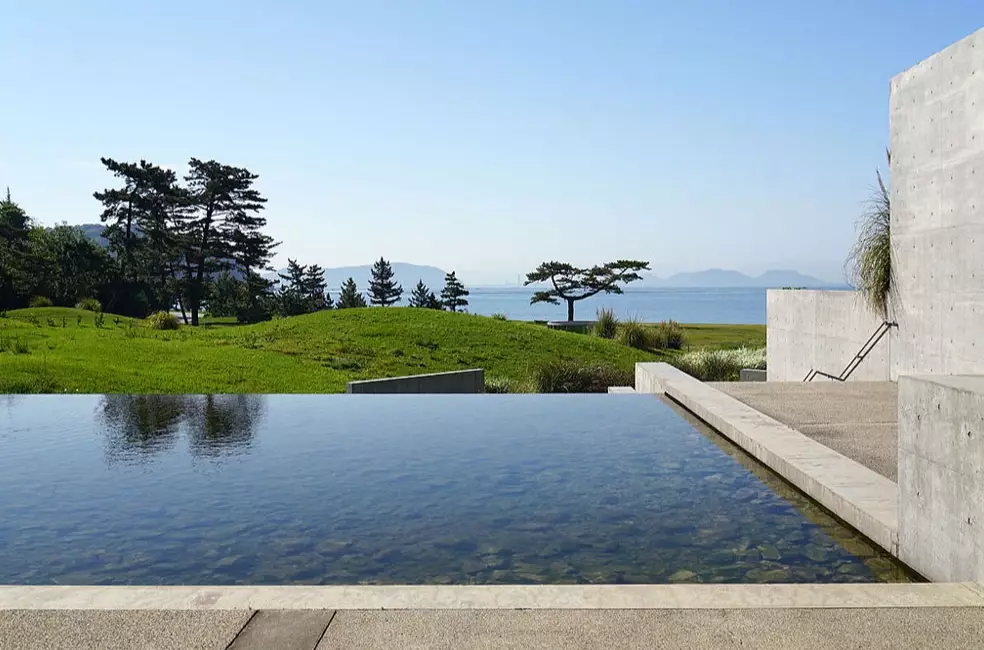
The Smart Two-Day, One-Night Trip
This is the sweet spot.
- Day 1: Travel from Osaka to Uno/Takamatsu in the morning. Ferry to your chosen island. Check into your accommodation (book early!). Spend the afternoon exploring one major site and wandering. Enjoy the island after the day-trippers leave.
- Day 2: Visit your other must-see sites in the morning/early afternoon. Ferry back to the mainland and return to Osaka by evening.
The Ideal Three-Day Setouchi Immersion
Stay in Takamatsu or on Naoshima as a base.
- Day 1: Osaka to Takamatsu. Explore Takamatsu (Ritsurin Garden is stunning). Overnight in Takamatsu.
- Day 2: Ferry to Teshima for the day. Return to Takamatsu.
- Day 3: Ferry to Naoshima for the day, then travel back to Osaka from Uno Port in the evening.
Your Art Island Questions Answered
Is a day trip from Osaka to the art islands actually worth it, or is it too rushed?
What's the one mistake first-time visitors make when planning an art island trip from Osaka?
 Should I buy the Setouchi Triennale passport if I'm visiting outside the festival period?
What's a good alternative if I find Naoshima's main museums are fully booked?
Share Your Thoughts