You're at Tokyo Station, ticket in hand, a few minutes before your Shinkansen departs. The excitement of the journey is there, but so is a familiar hunger. You glance around the bustling concourse. That's when you see them – gleaming glass counters filled with artistic boxes, a miniature culinary map of Japan waiting to be explored. This isn't just a meal; it's the iconic ekiben (station bento) experience, and Tokyo Station is its undisputed capital. Forget the soggy sandwich. Here, choosing your bento is the first ritual of the bullet train journey.
What's Inside This Guide
Where to Find the Best Shinkansen Bento at Tokyo Station
Tokyo Station is a labyrinth, but the bento shops are strategically placed for travelers. The main hunting grounds are inside the ticket gates, on the Shinkansen platforms themselves. Don't make the rookie mistake of looking only in the main station building before you pass through the gates – your best options are on the other side.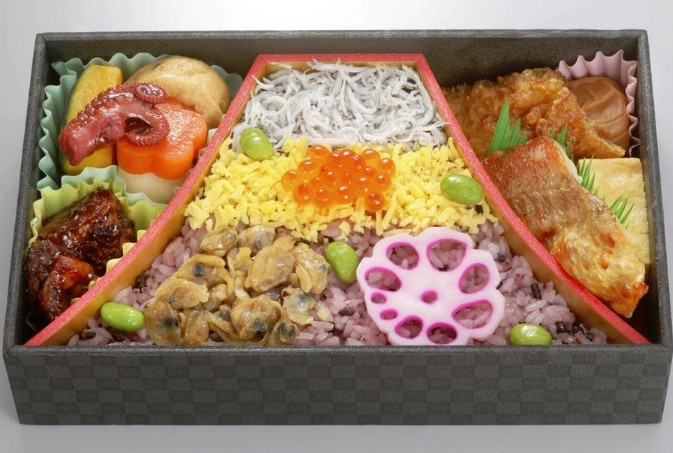
The primary clusters are:
- Along the Shinkansen Midorino Madoguchi (Ticket Office) Corridor: This long hallway connecting the Marunouchi North and South exits is lined with famous shops like Ekibenya Matsuri. It's a dedicated ekiben paradise.
- Directly on the Shinkansen Platforms (Tracks 19-23): Smaller kiosks and shops are right on the platforms. Perfect for a last-second grab, though selection might be slightly more limited during peak hours.
- First Street Tokyo & GRANSTA Underground Malls: Located in the basement, these areas have excellent bento shops that are accessible before you go through the Shinkansen gates. Ideal if you have more time and want to browse without pressure.
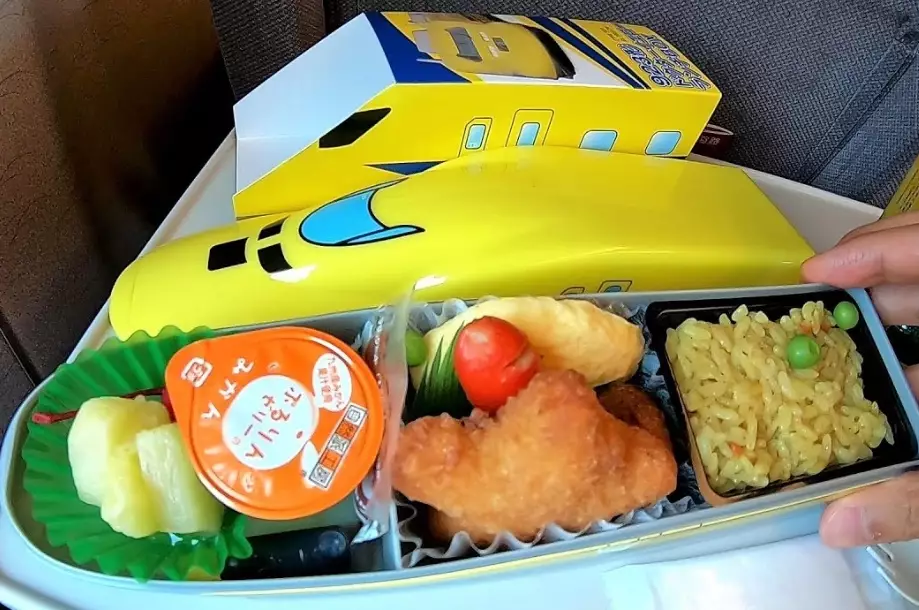
Timing is Everything: The absolute worst time to buy is 5-10 minutes before a popular train departure (like the Friday evening Kodama to Osaka). Shops get swamped, and popular items sell out. Aim to be at the shop 30-45 minutes before departure for a relaxed selection. Many shops open as early as 5:30 or 6:00 AM for the first trains.
Tokyo Station's Top Ekiben Shops: A Detailed Breakdown
Not all bento shops are created equal. Some are national institutions, others focus on hyper-local specialties. Here’s where to head, based on what you're after.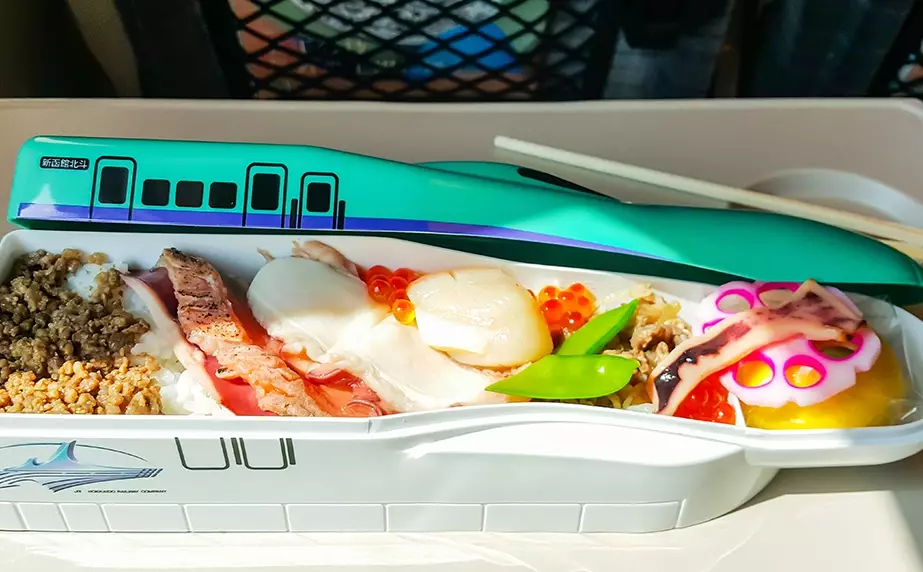
| Shop Name & Location | Signature Bento / Specialty | Price Range (Approx.) | Why It's Special |
|---|---|---|---|
| Ekibenya Matsuri (Along Midorino Madoguchi corridor) |
"Matsuri" Bento (Seasonal festival box), Tohoku region specialties. | ¥1,200 - ¥2,500 | The king. Offers over 200 types from all over Japan. Their seasonal "Matsuri" bento is a beautifully arranged sampler that changes monthly. It’s the safe, impressive choice for first-timers. |
| 祭 華屋 吉例 (Matsuri Hanaya Kichirei) (First Street Tokyo, B1) |
"Kaisen Meshi" (Seafood rice), high-end wagyu beef bento. | ¥1,500 - ¥3,500+ | Think gourmet ekiben. They use premium ingredients like snow crab, uni (sea urchin), and Matsusaka beef. This is where you go for a luxurious train meal. The packaging is also exceptionally elegant. |
| Nihonbashi Tamai (Gransta, B1 & Platform areas) |
Unagi (eel) Meshi, Anago (sea eel) bento. | ¥1,800 - ¥2,800 | If you love unagi, this is your pilgrimage site. They've been perfecting eel since the 19th century. The eel is tender, the sauce is perfectly balanced – it's a warm, comforting classic that travels surprisingly well. |
| Platform Kiosks (Various) (On Shinkansen platforms 19-23) |
Local favorites, quick sandwiches, katsu-sando. | ¥500 - ¥1,500 | Speed and convenience. They stock the "greatest hits" of ekiben. I once grabbed a Hokkaido ikura (salmon roe) rice bowl here in 90 seconds flat when running late. Lifesavers, but don't expect rare finds. |
A personal note on Ekibenya Matsuri: it's fantastic, but can feel a bit like a museum – almost too perfect. For a more curated, chef-driven experience, I often prefer the quieter atmosphere at Matsuri Hanaya Kichirei downstairs.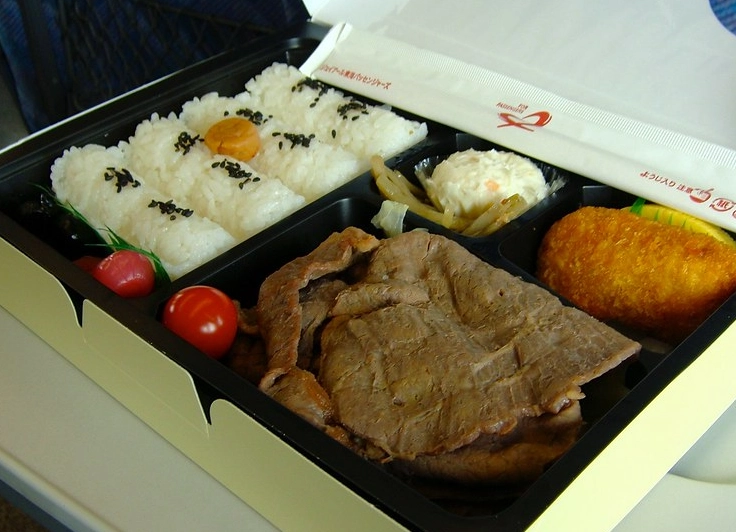
The Regional Showcase: Bento as a Travel Brochure
Choosing your bento is like choosing your destination in advance. Heading to Kyoto? Try a Kyo-no-Omakase Bento with delicate simmered vegetables. Boarding the Hokuriku Shinkansen? Grab a Kanazawa gold leaf curry or a Fukui sauce katsudon. This is the real magic. You're not just eating lunch; you're tasting the region you're speeding towards (or through). The Japan Tourism Agency often highlights ekiben as a key part of the regional travel experience.
How to Choose the Perfect Ekiben for Your Journey
Faced with a wall of options, how do you decide? It's not just about what looks good.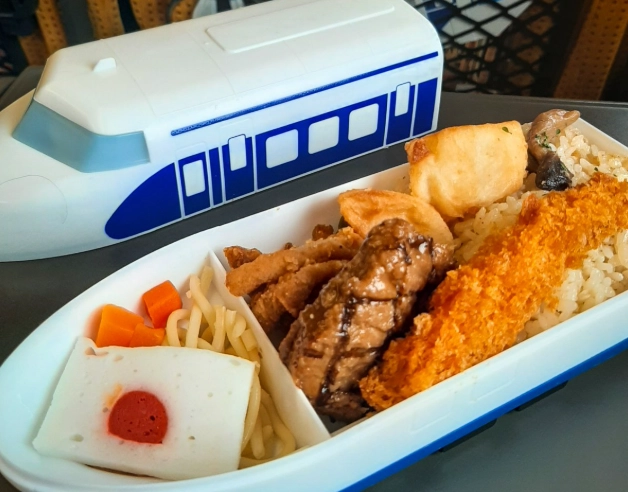
Consider your travel time. Eating a complex, multi-dish bento is a 20-30 minute activity. On a 2.5-hour trip to Osaka, that's perfect. On a 55-minute sprint to Utsunomiya, you might want a simpler rice bowl or sandwich.
Think about temperature and texture. Most ekiben are designed to be eaten cold or at room temperature. Foods like sushi, grilled fish, and pickles hold up brilliantly. Avoid bento with a lot of crispy fried items (karaage, tempura) if you're picky about sogginess – they steam in the box. Some shops now offer bento that can be gently reheated at convenience store microwaves before you board, a game-changer for fried food lovers.
Follow the season. In spring, look for bento adorned with cherry blossom-shaped ingredients or featuring bamboo shoots. Autumn brings mushroom and chestnut specialties. The seasonal limited editions are almost always worth trying.
My go-to strategy? I pick one based on my destination (regional specialty), and one based purely on wild curiosity (the weirdest-looking one). Last time, that was a Yonezawa beef bento and a Niigata sasadango (bamboo leaf-wrapped rice) set. Both were winners.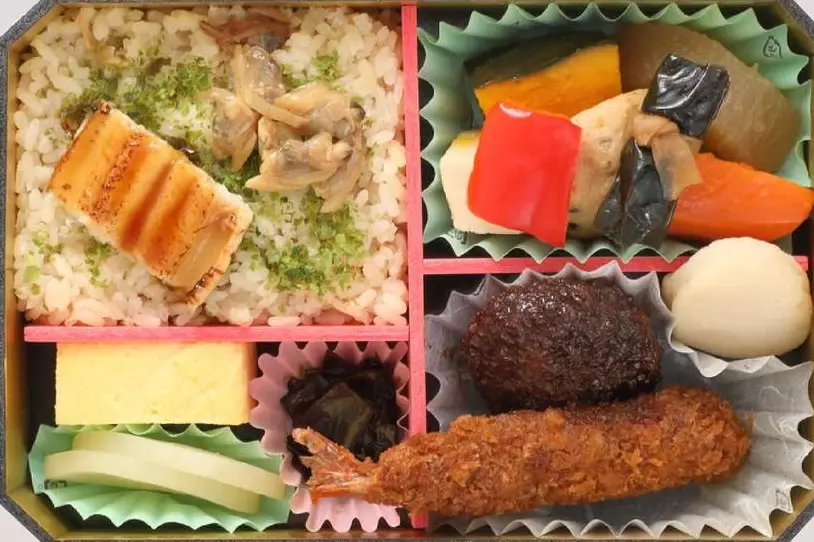
Pro Tips & Etiquette: Eating Like a Local on the Shinkansen
You've got your beautiful box. Now what?
First, buy your drinks separately. Bento rarely include them. Grab a tea, coffee, or a local beer from a kiosk. A cold barley tea (mugicha) is the classic, cleansing pairing.
On the train, use the fold-down tray table. Open the box carefully – some have elaborate layers. The etiquette is simple: be neat. The person next to you doesn't want your rice on their seat. Use the provided chopsticks or a spoon. Pack out your trash. The train attendant will come by with a garbage bag, or you can use the small bags at the end of each car.
A subtle point most guides miss: the sound. Try to avoid overly crunchy or noisy foods if you're in the quiet car (shizuka na ressha). The gentle rustle of packaging is expected, but loud chewing or cracking open hard shells can draw glances.
Finally, don't rush. Part of the joy is watching the scenery change – mountains, coastlines, cities – while your taste buds travel too. It's mindful eating at 320 km/h.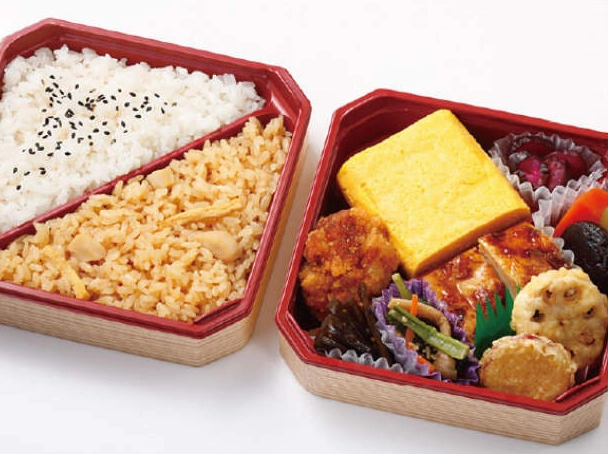
Your Ekiben Questions, Answered
Standing in front of those gleaming counters at Tokyo Station, you're participating in a ritual that connects every bullet train traveler. It's a moment of anticipation, a small act of choosing your own adventure. Skip the generic snack. Pick a box, find your seat, and let Japan unfold outside your window, one perfect bite at a time.
Share Your Thoughts