Quick Navigation: What's Inside This Guide
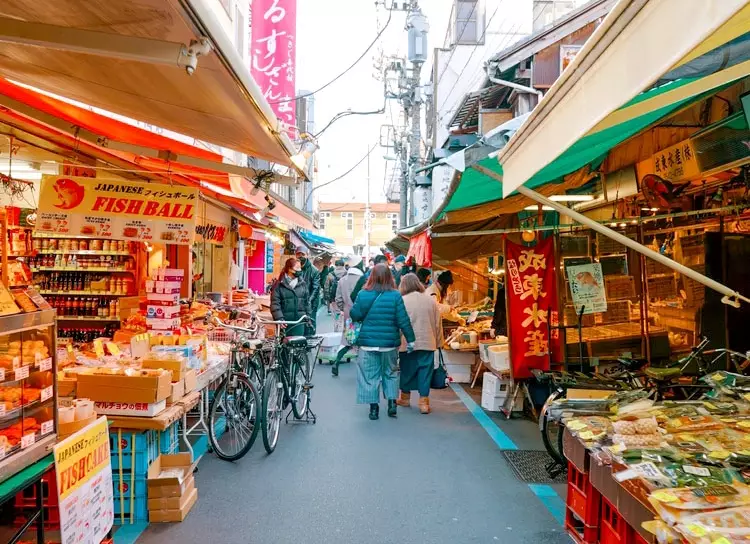
Japanese street food isn't just about grabbing a quick bite—it's a window into the culture. From sizzling takoyaki in Osaka to sweet taiyaki in Tokyo, these snacks are everywhere, and they're delicious. I've spent years exploring food stalls across Japan, and let me tell you, there's more to it than the usual tourist picks. In this guide, I'll break down the most popular items, where to find them, and some tricks to avoid common pitfalls.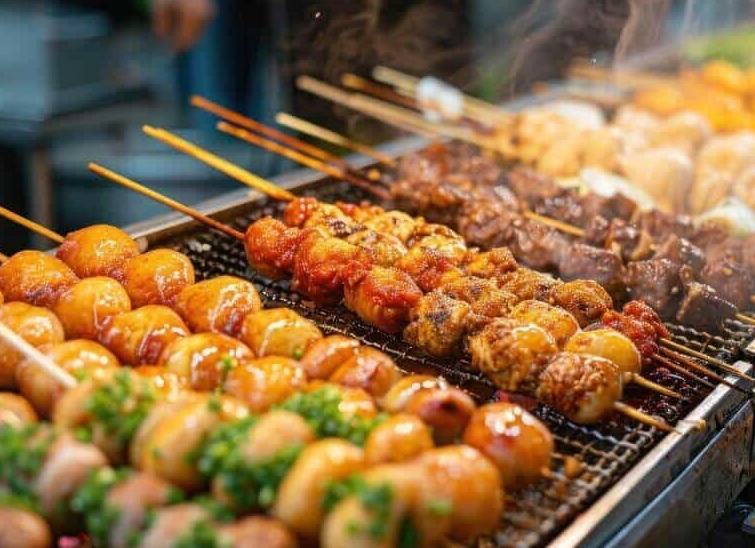
Top 10 Must-Try Japanese Street Foods
Here's a table of the top 10 street foods you can't miss. I've included typical prices and where they're commonly found, based on my own experiences and reports from sources like the Japan National Tourism Organization.
| Food | Description | Typical Price (Yen) | Common Locations |
|---|---|---|---|
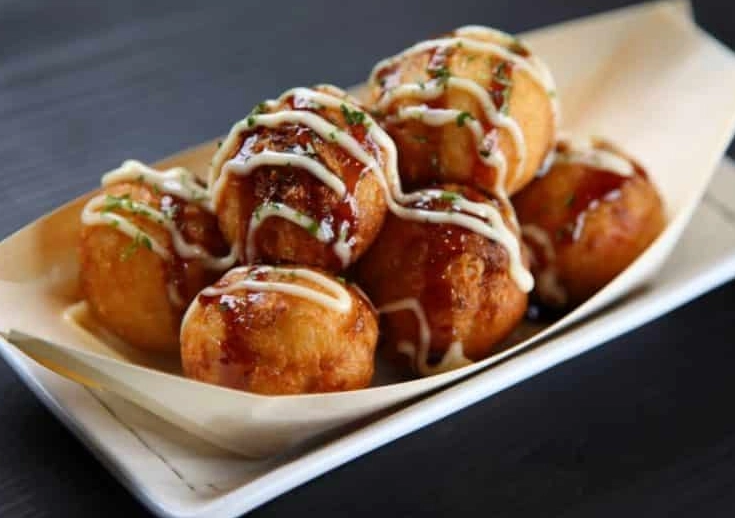
| Takoyaki | Ball-shaped snacks with diced octopus, crispy outside, soft inside. Often topped with sauce and mayonnaise. | 300-600 | Osaka's Dotonbori, Tokyo's street festivals |
| Yakitori | Skewered grilled chicken, with various parts like thigh or liver. Seasoned with salt or tare sauce. | 100-300 per skewer | Yatai stalls in Fukuoka, izakayas nationwide |
| Okonomiyaki | A savory pancake with cabbage, meat, seafood, and topped with sauce. Sometimes called "Japanese pizza." | 500-1000 | Osaka, Hiroshima (different styles), local markets |
| Taiyaki | Fish-shaped cake filled with red bean paste or custard. Sweet and warm, perfect for cold days. | 200-400 | Senso-ji Temple in Tokyo, street vendors in Kyoto |
| Karaage | Japanese-style fried chicken, marinated and crispy. Often served in paper cones. | 400-800 | Convenience stores, festivals, specialized stalls |
| Ramen | Not just restaurant food—some stalls serve quick bowls with rich broth and noodles. | 500-900 | Ramen streets in Tokyo, night markets |
| Oden | A simmered dish with ingredients like daikon, eggs, and fish cakes in a light broth. | 100-500 per item | Winter stalls, convenience stores like 7-Eleven |
| Kushikatsu | Deep-fried skewers of meat, vegetables, or cheese. Dip in a shared sauce—but no double-dipping! | 200-500 per skewer | Osaka's Shinsekai district, local izakayas |
| Melon Pan | A sweet bread with a cookie crust, resembling a melon. Often eaten as a snack. | 150-300 | Bakeries, street stalls in tourist areas |
| Dango | Sweet rice dumplings on a stick, usually served with soy sauce or red bean paste. | 200-400 | Festivals, temples, and parks |
Most people stick to takoyaki and yakitori, but kushikatsu in Osaka is a hidden gem—just watch out for the sauce rule. Locals get annoyed if you double-dip, so use the provided cabbage to scoop extra sauce.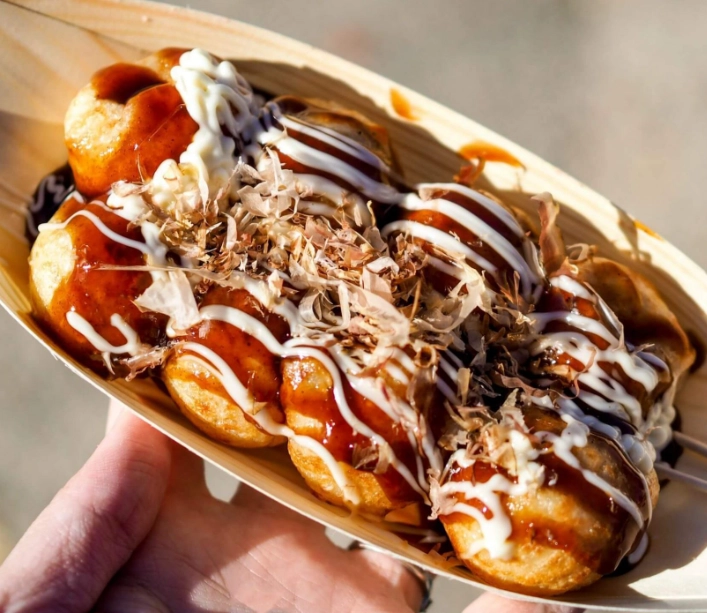
Where to Find the Best Street Food in Japan
Location matters. Street food isn't uniform across Japan; each region has its specialties. Based on my travels, here are the top spots.
Tokyo: A Mix of Old and New
In Tokyo, head to Senso-ji Temple's Nakamise Street. It's packed with stalls selling taiyaki and age-manju (fried buns). Prices range from 300 to 700 yen, and it's open from 10 AM to 5 PM. Another favorite is Shibuya's nonbei yokocho (drunkard's alley)—tiny bars and food stalls open late, perfect for yakitori after 8 PM. Don't miss the yatai near Sumida River during festivals; they serve fresh karaage.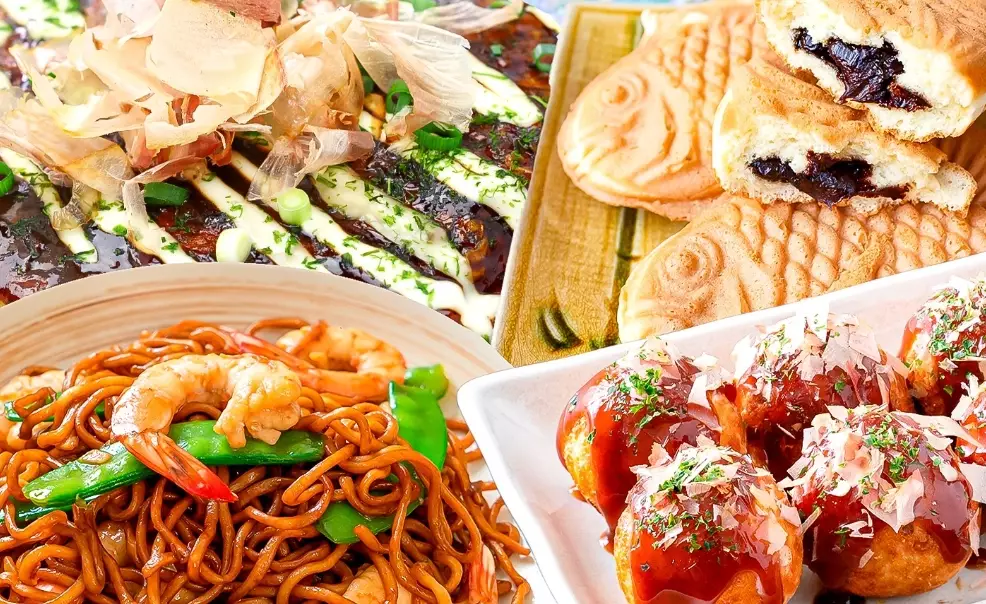
Osaka: The Street Food Capital
Osaka's Dotonbori area is legendary. Stalls like "Takoyaki Wanaka" serve takoyaki for around 500 yen, open until midnight. For okonomiyaki, try "Mizuno" in Dotonbori—expect to pay 800 yen and wait in line. A lesser-known spot is Shinsekai, where kushikatsu stalls dominate. "Kushikatsu Daruma" has been around for decades, with skewers at 250 yen each. Address: 2-3-9 Ebisuhigashi, Naniwa-ku, Osaka.
Kyoto: Traditional Flavors
Kyoto's Nishiki Market is a must-visit. It's covered, so rain won't ruin your food crawl. Look for tako tamago (octopus with quail egg) for 300 yen or yuba (tofu skin) snacks. Stalls open from 9 AM to 6 PM. For a quiet experience, visit Fushimi Inari Shrine's entrance—vendors sell inarizushi (fried tofu pouches) for 200 yen each.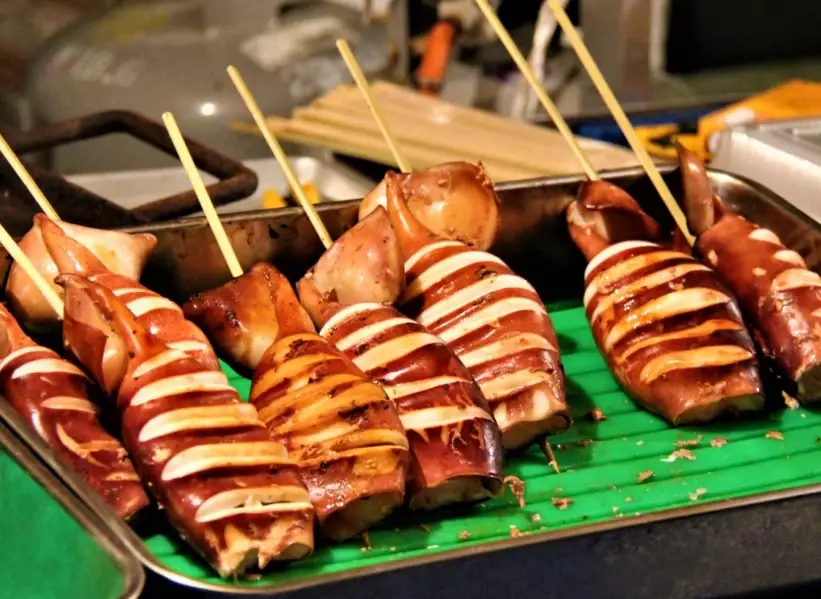
I once got lost in Kyoto's backstreets and stumbled upon a small stall selling grilled mochi. It cost 150 yen and was the best snack I'd had all day. Sometimes, the best food isn't in guidebooks.
How to Enjoy Street Food Like a Local
Tourists often make mistakes that locals avoid. Here's how to blend in and get the most out of your street food adventure.
Timing is key. Visit stalls during off-peak hours, like mid-afternoon, to avoid crowds. In busy areas, lines can be long during lunch (12-1 PM) and dinner (6-8 PM). I prefer going around 3 PM—vendors are less rushed, and you might get extra portions.
Cash is king. Most street vendors only accept cash, especially in smaller cities. Carry coins and small bills; 1,000 yen notes are fine, but having 100 yen coins makes transactions smoother.
Watch the hygiene. Look for stalls with high turnover—food is fresher. In my experience, places where locals queue are safer. Avoid stalls with flies or dirty surfaces, though that's rare in Japan.
Try something unusual. Everyone goes for takoyaki, but have you tried mentaiko (spicy cod roe) stuffed items? In Fukuoka, yatai stalls offer creative twists. Don't be afraid to point at what you want if you don't speak Japanese; vendors are used to it.
A common misconception is that street food is only for quick eats. Locals often make a meal out of it—grabbing a few skewers, some okonomiyaki, and finishing with dessert. It's a social thing.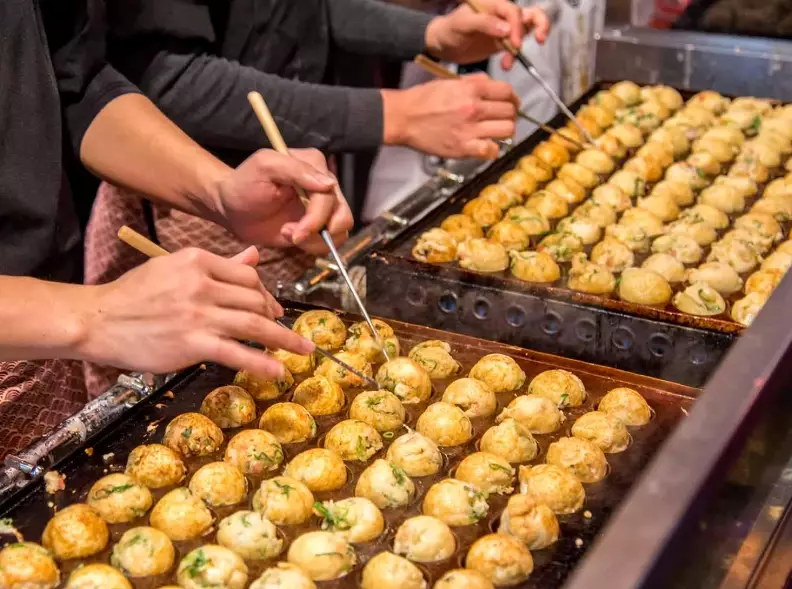
Frequently Asked Questions
Japanese street food is more than a trend—it's a way to experience the country's heart. From the first bite of hot takoyaki to the last sip of broth from oden, each snack tells a story. Use this guide to explore beyond the obvious, and you'll discover why these foods have stood the test of time.

Share Your Thoughts