Quick Navigation
Let's be real for a second. The thought of finding vegan food in Japan used to give me serious anxiety. Images of sushi, ramen swimming in pork broth, and delicate dishes with hidden fish stock (dashi) would flash before my eyes. I love Japan—the culture, the precision, the beauty—but could I actually eat well there as a vegan? Turns out, I was worrying for nothing. The landscape has changed, dramatically. This isn't just a list of addresses; it's the vegan restaurant guide Japan I wish I'd had before my first trip. We're going deep, from the neon streets of Tokyo to the serene temples of Kyoto, and into the practical stuff that other guides gloss over.
You might be wondering, is it even possible to have a genuine Japanese food experience as a vegan? Absolutely. But it requires a bit of savvy. This guide is built on multiple trips, some fantastic meals, a couple of disappointing missteps, and conversations with local vegan friends. It's for anyone who wants to enjoy Japan without compromising their values, whether you're a strict vegan, vegetarian, or just plant-curious.
Why Japan is Surprisingly Great for Vegans Now
It's a common misconception that Japan is a vegan wasteland. For decades, it was tough. Dashi, the ubiquitous soup stock made from katsuobushi (dried bonito flakes), is in everything—from miso soup to simmered vegetables (nimono) to salad dressings. But a perfect storm of tourism, health trends, and a growing environmental consciousness among younger Japanese has sparked a quiet revolution. Major cities now have dedicated vegan eateries that are not just surviving but thriving. The Japan Vegan Society has been a key player in advocating and certifying products, which helps a ton. You can feel the momentum.
Still, it's not Paris or Berlin. The vegan scene is concentrated. You'll find pockets of amazing options, not a blanket coverage. That's where strategy comes in. A solid vegan restaurant guide Japan isn't just about where to go, but how to think about your day.
Essential Japanese Vegan Vocabulary & Phrases
Memorize these. Seriously, write them in your notes app or on a piece of paper. They are your lifeline in non-vegan-specific restaurants and convenience stores.
- Watashi wa beegan desu (I am vegan).
- Niku, sakana, tamago, gyuunyuu, chichizu nashi de onegaishimasu (No meat, fish, egg, milk, cheese please).
- Dashi wa irimasen (I don't want dashi). This is the big one! Specify kombu dashi dake (kombu seaweed stock only) if they have it.
- Kore wa beegan desu ka? (Is this vegan?).
The Ultimate City-by-City Vegan Restaurant Guide Japan
Alright, let's get to the good stuff. Here’s where you can actually eat. I'm focusing on dedicated vegan/vegetarian spots because they're stress-free. But I'll also mention some omni spots with solid vegan menus.
Tokyo: The Plant-Based Megalopolis
Tokyo is, without doubt, the heart of Japan's vegan scene. You could spend two weeks here and not hit all the vegan spots. The energy is incredible. Neighborhoods like Shibuya, Shinjuku, and Shimokitazawa are vegan goldmines.
My personal top picks? It's hard to choose, but these left a lasting impression.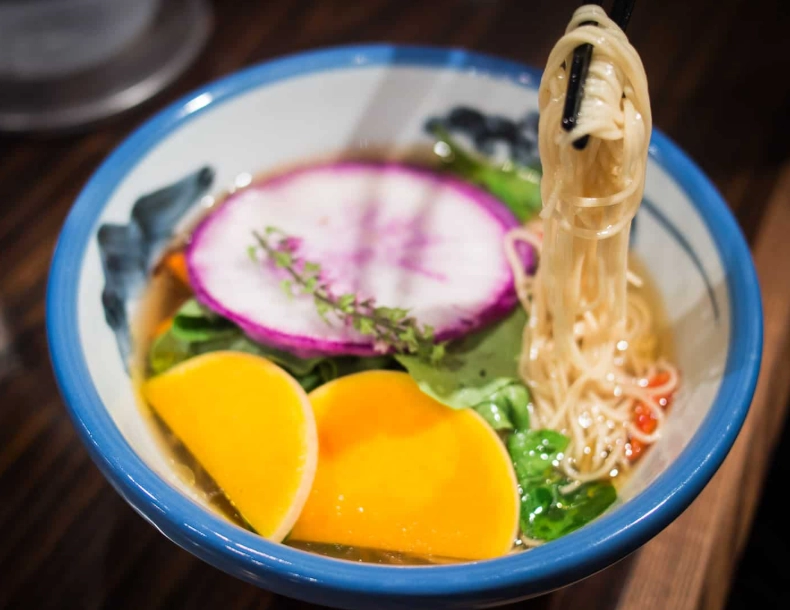
T's Tantan inside Tokyo Station is a legend for a reason. It's a 100% vegan ramen shop. Yes, vegan ramen that tastes rich, savory, and deeply satisfying. The black sesame tan-tan men is iconic. Perfect for a meal right before you hop on a Shinkansen. The only downside? It's always busy.
Then there's Ain Soph. They have several locations (Ginza, Shinjuku, Ikebukuro). This is where you go for vegan comfort food that feels a bit fancy. Their vegan "chicken" karaage and their heavenly ripple pancakes are talked about for days. It's not cheap, but it's a wonderful treat.
For something more casual and infused with a cool, artsy vibe, 2foods in Shibuya is a must. It's a vegan fast-casual spot with a changing menu of bowls, wraps, and amazing desserts. Their matcha latte is perfect.
But here's a piece of advice many vegan restaurant guides Japan miss: explore the chain Kyushu Jangara Ramen. Not all locations, but their Harajuku branch has a clearly marked vegan ramen option on the menu (using kombu dashi). It's a fantastic way to experience a famous ramen chain without the worry.
Kyoto: Tradition Meets Innovation
Kyoto feels different. The vegan food here often connects more deeply with traditional shojin ryori principles—seasonal, balanced, and beautiful. It's a more refined experience.
The absolute must-do is a full shojin ryori meal at a temple. Tenryu-ji Temple's Shigetsu in Arashiyama is the most famous. You dine in a tatami room overlooking a stunning garden. The multi-course meal is an event—a meditation on the flavors of the season. Book in advance. It's not just food; it's culture on a plate.
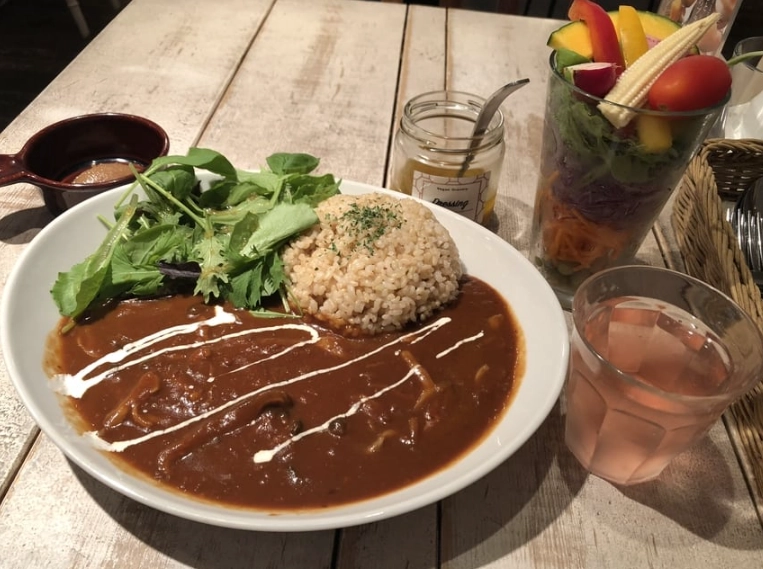
For modern vegan takes on Japanese classics, Morpho Cafe near Fushimi Inari is a traveler favorite. Their vegan katsu curry is legendary for good reason. The vibe is cozy, and the owners are lovely. Be prepared for a possible wait, especially during lunch.
A real gem I stumbled upon is Vegan Cafe Ren in the Gion area. It's tiny, run by a passionate individual, and the daily set meal is always surprising and delicious. It feels like eating in someone's (very stylish) home. This is the kind of spot that makes your vegan restaurant guide Japan feel personal.
Osaka: The Street Food Challenge (Solved)
Osaka is the street food capital. Takoyaki (octopus balls), okonomiyaki (savory pancake)... traditionally a vegan nightmare. But guess what? Solutions exist.
Okonomiyaki Chitose in the Americamura area is a game-changer. They offer a fully vegan okonomiyaki, and it's fantastic. Watching it being made right in front of you is half the fun. You get the authentic Osaka experience without compromise.
For vegan takoyaki, seek out T's Tantan (yes, the same chain from Tokyo) in Umeda Station. They have vegan takoyaki that captures the texture and flavor remarkably well. It's a novelty, but a fun one.
Osaka also has some incredible dedicated spots. Green Earth is an institution—a health-food store with a small, no-frills cafe in the back serving hearty, wholesome vegan plates. It feels wholesome and local.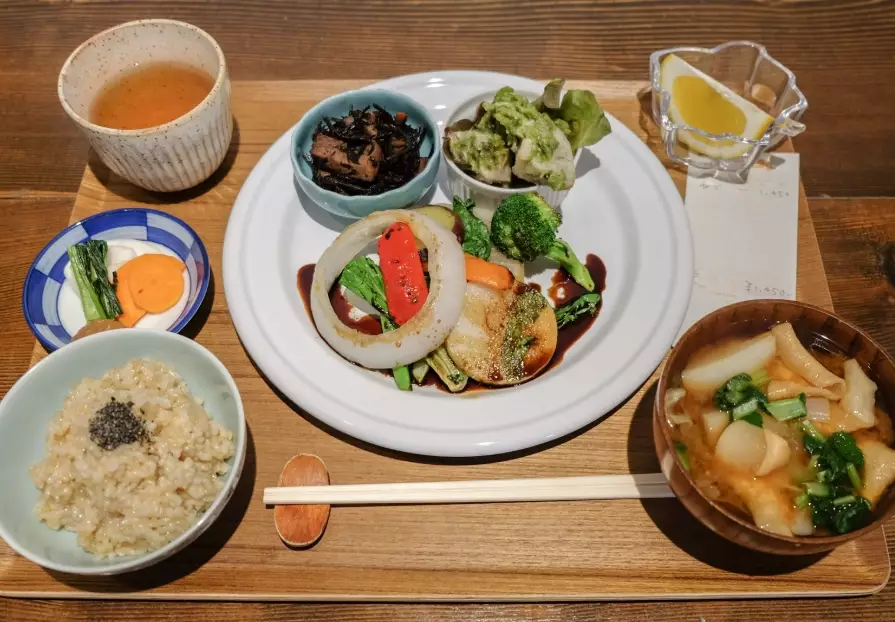
Beyond the Big Cities: Hiroshima, Kanazawa, Nara
Traveling off the beaten path? You'll need to plan a bit more, but it's far from impossible.
- Hiroshima: Famous for okonomiyaki (layered, not mixed). Nagataya near the Peace Park has a dedicated vegan menu. Their vegan okonomiyaki is a masterpiece of layers—noodles, cabbage, bean sprouts, and a rich sauce. A must after a sobering visit to the park.
- Kanazawa: This coastal city is known for seafood, but Mercados is a wonderful, tiny vegan cafe serving creative daily plates. The owner is incredibly friendly. It's a peaceful oasis.
- Nara: A day-trip from Kyoto. Options are limited near the park. Your best bet is to eat a big breakfast in Kyoto, pack a vegan onigiri from a convenience store (more on that below!), and plan dinner back in Kyoto.
Let's compare the vegan scenes in the top three cities to help you plan your time and expectations.
| City | Vibe & Specialties | Best For | Planning Difficulty |
|---|---|---|---|
| Tokyo | Modern, diverse, international. Vegan ramen, burgers, fine dining, desserts. | Foodies, first-timers, variety seekers. Endless exploration. | Easy. Dozens of dedicated spots. Apps work great. |
| Kyoto | Traditional, elegant, seasonal. Shojin ryori, vegan kaiseki, tea sweets. | Culinary culture, serene experiences, Instagram-worthy plates. | Medium. Need reservations for temple meals. Fewer casual options. |
| Osaka | Hearty, fun, street-food focused. Vegan okonomiyaki, kushikatsu (in some spots), casual eats. | Comfort food lovers, experiencing "kuidaore" (eat 'til you drop) culture vegan-style. | Medium-Easy. Key spots are famous, so expect lines. Need to seek out specific places. |
Survival Skills: Beyond the Vegan Restaurant Guide Japan
You won't always be near a dedicated vegan restaurant. That's when these skills become crucial. This is the real-world knowledge.
Convenience Stores (Konbini): Your Unexpected Best Friend
7-Eleven, FamilyMart, Lawson. They are everywhere, open 24/7, and can be vegan lifesavers. You just have to know what to look for.
- Onigiri (Rice Balls): Look for the ones with plain labels: Shio (Salt), Yaki Onigiri (Grilled), or Kombu (Seaweed). Avoid anything with tuna (ツナ), salmon (サーモン), mayo (マヨ), etc. The packaging is clear, with pictures. I lived on salt onigiri during early morning train journeys.
- Salads: Often, the dressing is separate in a little packet. You can skip it. Go for plain green salads or bean salads.
- Sweet Potatoes: Many konbini have steamed or baked sweet potatoes (さつまいも) in the warmer section. A perfect, healthy snack.
- Edamame: Usually in the chilled section, just steamed soybeans with salt.
- Check for Dairy/Egg: Learn the characters for milk (乳) and egg (卵). They're often listed in allergen info.
Honestly, Japanese convenience stores are a marvel. With a little diligence, you can assemble a decent meal.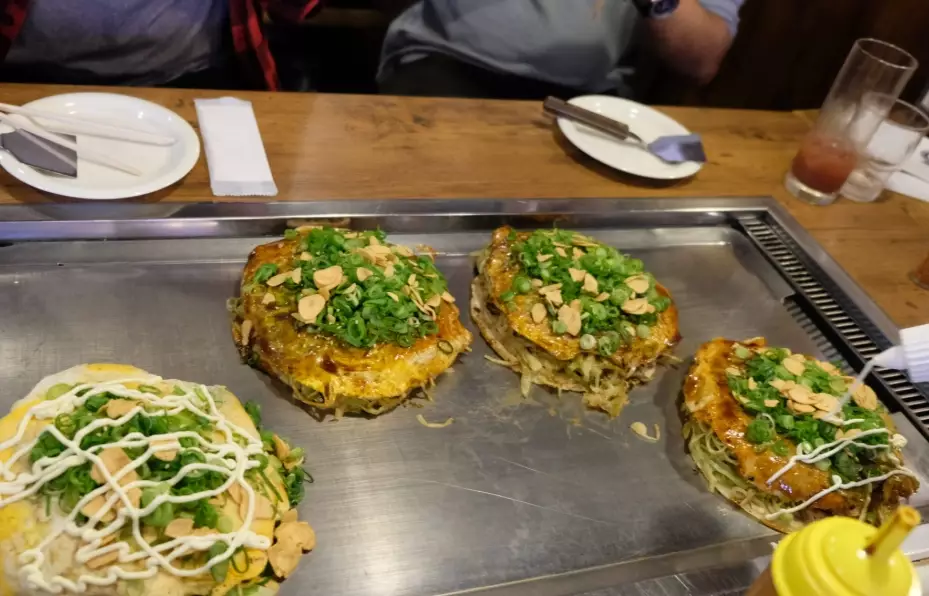
Supermarkets: A Treasure Trove
For longer stays or if you have kitchen access, supermarkets are paradise. The produce is stunning. You'll also find:
- Tofu and soy products in dizzying variety (soft, firm, fried, grilled).
- Pre-cooked beans and lentils (sometimes in the salad section).
- Japanese pickles (tsukemono) – just check for fish sauce (魚醤).
- Fresh noodles like udon and soba – but check the ingredient list on dried soba; pure buckwheat soba (十割そば) is vegan, but many are mixed with wheat and may contain egg.
- Check out the Japan Vegan Society's website for their Vegan Certification Mark (Vマーク). Spotting this on packaged foods is a huge win.
What to Do in a Standard Restaurant (Izakaya, etc.)
Sometimes you're with a group, or you just want to try a local non-vegan spot. It's possible, but set your expectations.
- Use your phrases/card. Explain clearly to the server.
- Stick to simple, modifiable items. Ask for:
- Steamed rice (gohan).
- Edamame (usually just salted).
- Grilled vegetables (yasai no grilled) – ask for no butter or sauce.
- A simple salad with vinegar on the side (su dake).
- Age-dashi tofu (if they can use kombu dashi).
- Be gracious and understanding. The concept is still new in many places. If they can only offer you plain rice and edamame, thank them warmly. It's about being a good ambassador.
Answering Your Burning Questions (FAQ)
Final Thoughts & Making It Your Own
The most important thing this vegan restaurant guide Japan can give you is confidence. You're not going to starve. You're going to discover a new, exciting side of Japanese cuisine. You'll eat things you never imagined—vegan versions of classics that are creative and delicious.
Plan a little, especially for dinners in specific areas. Bookmark a few places in each city you're visiting on Google Maps. Always have a konbini backup plan. Carry snacks.
But also, be open. Some of my best meals were in tiny, unassuming places I found just by searching "vegan" on HappyCow in a new neighborhood. The community is growing, and new spots open all the time.
Japan is a feast for the senses. With this guide, your stomach can be part of that feast. Go explore, eat well, and don't forget to say gochisousama deshita (thank you for the meal) after you're done. It goes a long way.
Ready to start planning? Cross-reference this guide with the latest reviews on HappyCow and the official pages of places like the Japan National Tourism Organization (JNTO), which has started to include more vegetarian/vegan information as awareness grows. Have an amazing trip.
Share Your Thoughts