Let's get straight to it. Traveling alone in Japan isn't just possible; it's arguably the best way to experience the country. You move at your own pace, follow whims, and engage more deeply with your surroundings. But staring at a map of Japan can be paralyzing. Where do you even start with a solo travel Japan itinerary? After multiple solo trips spanning from Hokkaido to Kyushu, I've distilled the perfect 7-day starter route. It balances iconic sights with off-peak exploration tactics, solo-friendly logistics, and that essential element of surprise. Forget the rigid group tours. This is your blueprint.
Your Quick Navigation
Pre-Trip Essentials: What You Need Before You Go
First, the logistics. A smooth solo trip hinges on two things: connectivity and cash flow.
Get a pocket Wi-Fi device or a SIM card before you land. Relying on public Wi-Fi for navigation as a solo traveler is a fast track to getting lost. I always book mine through providers like Ninja WiFi or Sakura Mobile for pickup at the airport. It's your lifeline.
While credit cards are accepted more now, Japan is still a cash society for small restaurants, temples, and markets. Withdraw yen from 7-Eleven ATMs (they have the best international rates). Carry a coin purse – you'll accumulate 1, 5, 10, 50, 100, and 500 yen coins quickly.
Pro Tip on the Japan Rail Pass: For this specific 7-day Tokyo-Kyoto-Osaka itinerary, the 7-day nationwide JR Pass is usually worth it. It covers your round-trip Shinkansen (bullet train) which alone costs about 28,000 JPY. But you must order the Exchange Order outside Japan before your trip. Calculate your planned trips on Japan Guide to be sure.
Accommodation? For solo travel, I skip the expensive hotels. Business hotels (like APA, Dormy Inn) are clean, efficient, and often have single rooms. Capsule hotels are an experience, but check if they accept foreigners and if you're comfortable with shared baths. For socializing, hostels in areas like Tokyo's Asakusa or Kyoto's downtown are goldmines for meeting other travelers.
Days 1 & 2: Tokyo – Neon Lights & Quiet Temples
You'll likely land at Narita (NRT) or Haneda (HND). From Narita, the Narita Express (N'EX) is covered by the JR Pass. From Haneda, take the Tokyo Monorail (also JR). Head straight to your hotel, drop your bag, and start exploring.
Day 1: Shibuya & Shinjuku Intensity
Don't fight the jet lag, use it. Head to Shibuya Crossing. It's chaotic, iconic, and best experienced from the second-floor Starbucks in the Tsutaya building. After the crossing, walk to the Hachiko Statue, the classic meeting spot.
For lunch, find a ramen shop with a ticket vending machine. Ichiran is famous for its solo booths, but I prefer smaller spots like Gyōmenya Ichifuji in Shibuya for tsukemen (dipping noodles). You order via machine, sit at the counter, and eat in peace – perfect.
Afternoon, take the Yamanote Line to Shinjuku. Visit the Tokyo Metropolitan Government Building (free observation decks on floors 45 of both towers). Skip the expensive SkyTree or Tokyo Tower views here. As dusk falls, wander through Omoide Yokochō ("Memory Lane") for tiny yakitori stalls. It feels like old Tokyo. Feeling brave? Get lost in the labyrinth of Golden Gai, a network of minute bars. Many are for regulars, but some have English signs welcoming tourists.
Day 2: Asakusa Tradition & Akihabara Tech
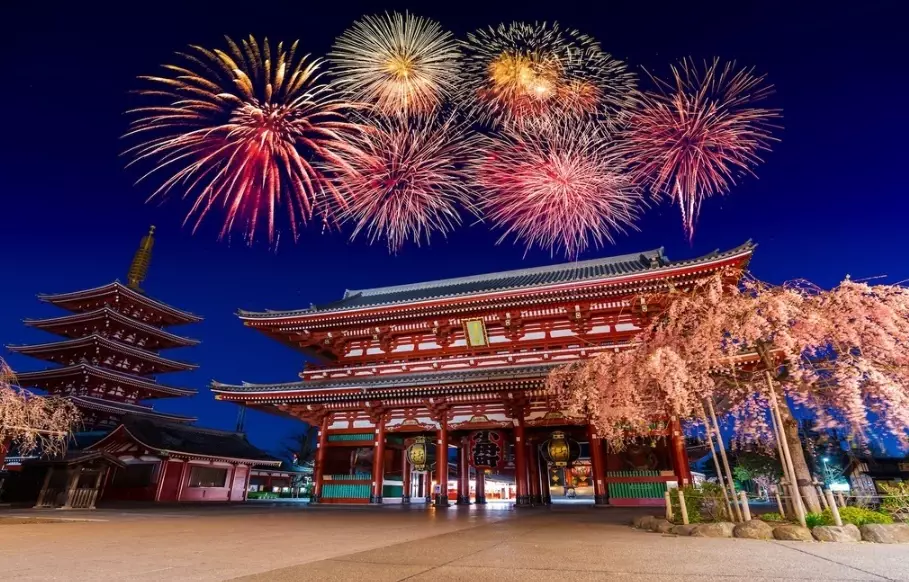
Start early at Sensō-ji Temple in Asakusa. Get there by 8:30 AM to beat the tour groups. Walk through the Kaminarimon (Thunder Gate), down the Nakamise-dōri shopping street (vendors open around 9), and purify yourself at the fountain before entering the main hall. It's touristy, but the early morning atmosphere is serene.
For a unique solo experience, walk 15 minutes west to Kappabashi-dōri, the kitchenware district. You can buy fake food samples (great souvenirs) and see where restaurants get their supplies.
Afternoon, switch gears completely to Akihabara, the electric town. This is anime, manga, and electronics heaven. Don't just walk the main street. Pop into a multi-story arcade like GiGO and try a rhythm game. Visit a Mandarake complex for overwhelming collections of vintage toys. For dinner, find a maid cafe if curious, or grab a beef bowl at Sukiya – cheap, fast, and filling.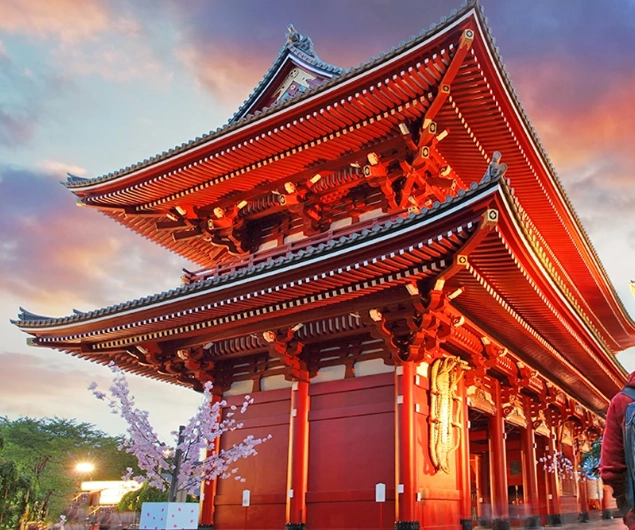
A Common Solo Mistake: Trying to do too much. Tokyo's subway system is vast. Pick one area per half-day. The journey between Shibuya, Asakusa, and Akihabara can eat 40 minutes easily. Depth over breadth.
Days 3 & 4: Kyoto – Temples, Geisha & Philosophy
Take an early morning Shinkansen from Tokyo Station to Kyoto Station (about 2h15m on the Hikari train, covered by JR Pass). Reserve a seat on the right side for a potential glimpse of Mount Fuji on clear days.
Drop bags at your hotel (I recommend staying near Kyoto Station or in the Gion area) and head straight to Fushimi Inari Taisha.
Here's the key tip everyone misses: Most people crowd the first 200 meters of torii gates, take a photo, and leave. Your mission is to walk the entire trail to the summit. It takes about 2-3 hours round trip. The higher you go, the fewer people. The path splits, winds through the forest, and offers stunning views of Kyoto. Go early or late afternoon. Bring water.
For your first Kyoto dinner, try Katsukura in the Kyoto Station building (The Cube 11F). They serve superb tonkatsu (fried pork cutlet) and you grind your own sesame seeds for the sauce – a fun, solo-friendly activity.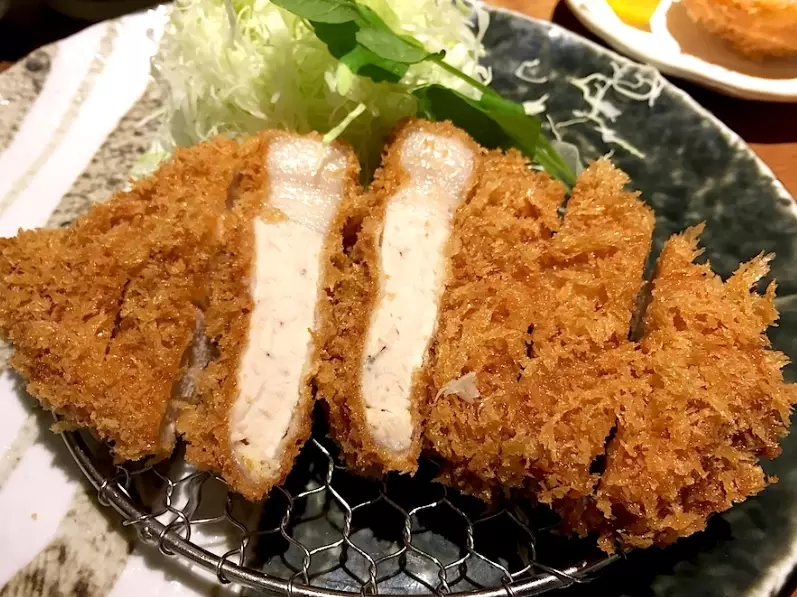
Day 4: The Philosopher's Path & Gion
Start at Kinkaku-ji (the Golden Pavilion). It opens at 9 AM. Yes, it's stunning. Yes, it's packed. See it, take your photo, and leave. Don't linger.
From there, take a bus (Kyoto city bus #205, #59) to Ginkaku-ji (the Silver Pavilion). The gardens here are more impressive than the pavilion itself, in my opinion.
Now, walk the Philosopher's Path (Tetsugaku-no-michi). This stone path follows a canal lined with cherry trees (stunning in spring). It's a peaceful, contemplative walk perfect for solo travel. Along the way, duck into smaller temples like Hōnen-in or Eikan-dō.
The path ends near the Nanzen-ji temple complex. Explore its massive Sanmon gate and the interesting brick aqueduct.
Evening, head to the Gion district. You probably won't see a geisha (they're called geiko in Kyoto), but the atmosphere at dusk is magical. Wander down Shirakawa Lane along the canal. For dinner, Pontocho Alley is packed with restaurants but can be pricey and require reservations. A solid, reliable alternative is Gion Karyō for Kyoto-style kaiseki, or look for an okonomiyaki (savory pancake) place where you cook at your table.
| Day | Area | Key Activity | Solo Dining Suggestion |
|---|---|---|---|
| 3 | South Kyoto | Fushimi Inari Summit Hike | Katsukura (Tonkatsu) |
| 4 | East Kyoto | Philosopher's Path Walk | Gion Okonomiyaki |
Day 5: Osaka – Street Food & Castle Views
Kyoto to Osaka is a quick 30-minute train ride on the JR Kyoto Line (covered by JR Pass). Leave your luggage in a coin locker at Osaka Station (or Kyoto Station if you're returning to Kyoto to sleep – it's easy).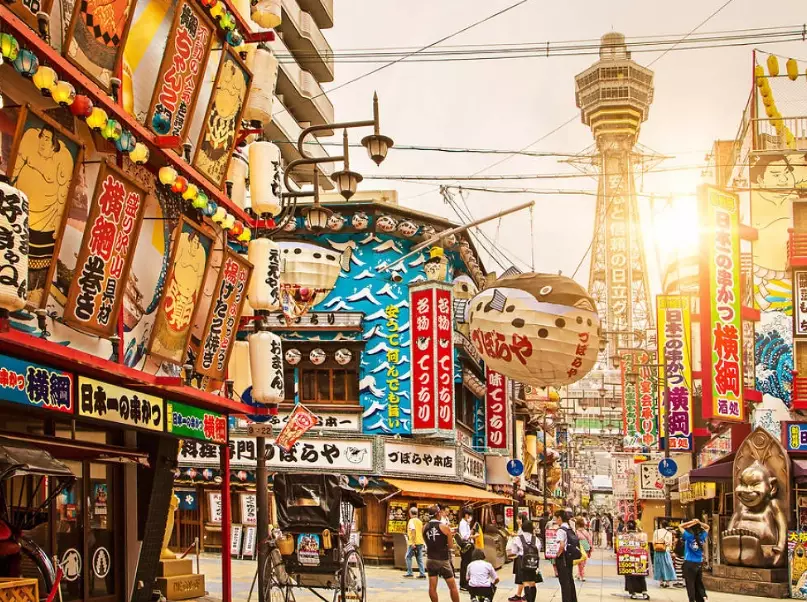
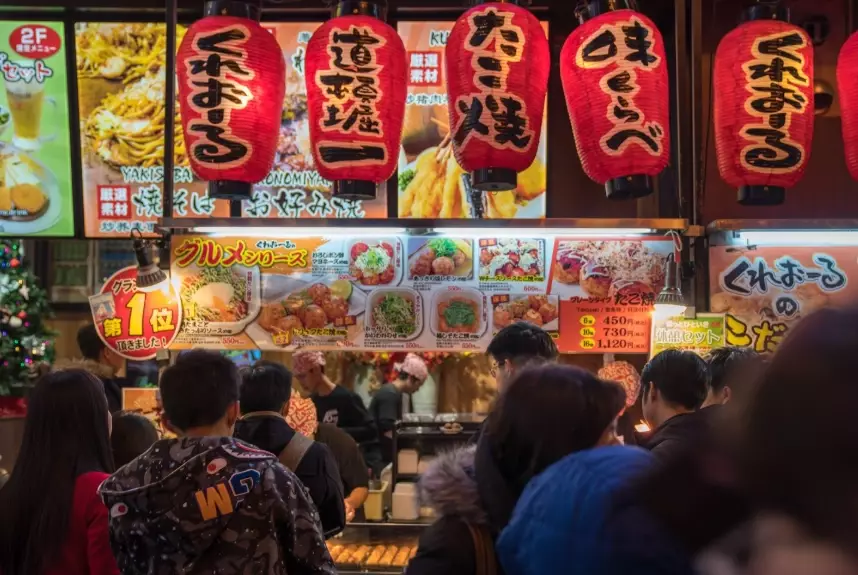
Osaka is about energy and eating. Head straight to Dōtonbori. It's gaudy, loud, and fantastic. See the Glico Running Man sign, the giant moving crab, and soak it in. For lunch, join the queue at Ichiran (yes, it's a chain, but the solo booth experience is quintessential) or try Kukuru for takoyaki (octopus balls).
Walk off the food by heading to Osaka Castle. The park is vast. The castle museum inside is modern and informative, but the best view is from the outside. Consider just walking the grounds and moats instead of paying to enter the crowded main keep.
Late afternoon, explore Shinsekai district, with its retro-futuristic Tsutenkaku Tower. It has a quirky, local vibe. For dinner, this is the place for kushikatsu (deep-fried skewers). Try Daruma – the rule is no double-dipping your skewer in the shared sauce pot!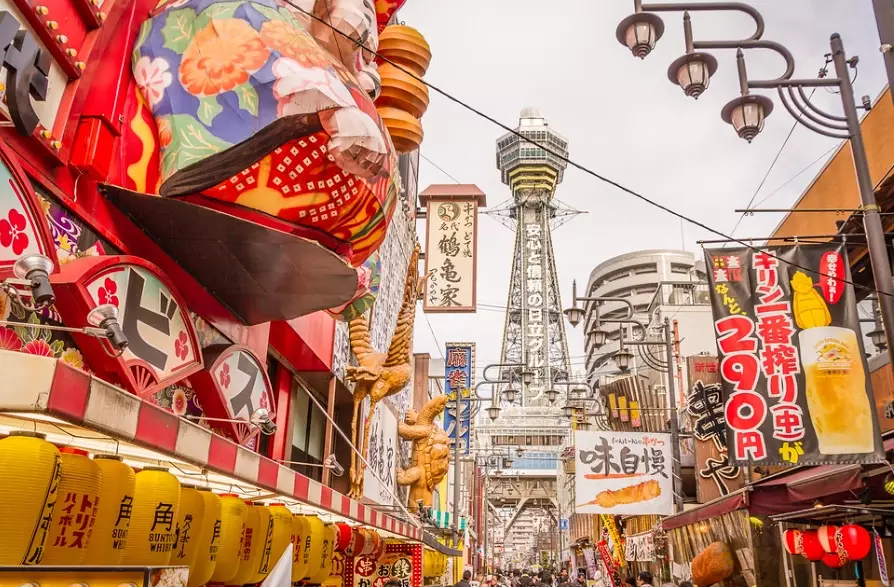
Return to Kyoto (or check into your Osaka hotel if you're switching base).
Days 6 & 7: The Flexible Finale – Your Choice
You have options. Your energy and interests should dictate this.
Option A (Cultural/Relaxed): A second day in Kyoto. Visit Arashiyama. Go early (7:30 AM) to the Bamboo Grove to have it almost to yourself. Then visit the Monkey Park Iwatayama (a short hike up) for monkeys with a city view. In the afternoon, take a local train to Uji (30 mins from Kyoto), the town famous for green tea. Visit Byodo-in Temple (on the 10-yen coin) and sample matcha everything.
Option B (Historic): Day trip to Nara. From Kyoto or Osaka, it's under an hour by JR train (covered by JR Pass). Feed the (sometimes aggressive) deer in Nara Park, visit the colossal Todai-ji Temple housing a giant Buddha, and wander through the quieter Kasuga Taisha shrine with its thousands of stone lanterns. It's a manageable and rewarding day.
Option C (Modern): A deeper dive into Osaka. Visit the Umeda Sky Building for its floating garden observatory. Explore the Kaiyukan Aquarium in the bay area, one of the world's best. Or take a short train to Kobe (30 mins from Osaka) for a Kobe beef lunch (lunch sets are more affordable) and a stroll in the port area.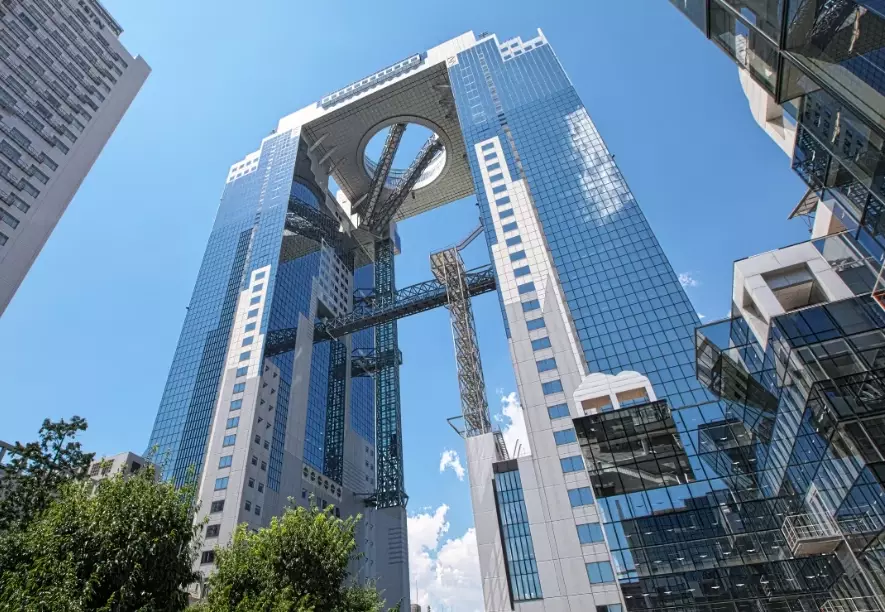
Your final day will involve traveling back to Tokyo for your flight out (allow 3 hours for the Shinkansen plus airport travel) or flying out of Kansai International Airport (KIX) near Osaka.


Share Your Thoughts