Finding good Indian vegetarian food in Japan used to be a real scavenger hunt. I remember my first trip over a decade ago, staring at menus where "vegetable curry" often meant a few carrots floating in a dashi-based broth. Things have changed, massively. Today, Japan's major cities, especially Tokyo, host a growing and impressive scene of authentic Indian vegetarian and vegan restaurants. This isn't just about survival anymore; it's about thriving and enjoying some of the best, most carefully crafted Indian food you might have outside the subcontinent.
Your Quick Guide to Indian Vegetarian Food in Japan
How to Find Authentic Indian Vegetarian Food in Japan?
Forget just wandering and hoping. The key is knowing where to look and what words unlock the right doors.
Major Cities Are Your Best Bet. Tokyo is the undisputed king, with dedicated vegetarian Indian spots concentrated in areas like Shinjuku (especially the Okubo and Kabukicho areas, known as "Little India"), Ikebukuro, and Nishi-Kasai. Osaka, Kyoto, and Yokohama also have solid options. Outside these hubs, your choices shrink to maybe one standard Indian restaurant in a big station building, where you'll need to scrutinize the menu carefully.
Use the Right Search Terms. On Google Maps or Tabelog, don't just search "Indian food." Be specific. Search for "ベジタリアン インド料理" (bejitarian indo ryouri), "ビーガン カレー" (biigan karee), or "完全菜食" (kanzen saishoku – meaning strict vegetarian/vegan). Many of the best places proudly advertise this. Also, look for restaurants run by religious groups like the ISKCON (Hare Krishna) movement, which are always 100% vegetarian and often offer incredible value. The Japan Vegetarian Society website and app can also be useful resources, though they cover all cuisines.
Here's a personal rule: if a restaurant's sign or menu highlights "South Indian" cuisine, you're already in safer territory. South Indian food has a stronger native vegetarian tradition, so you're more likely to find dosas, idlis, and sambar that are inherently plant-based.
What Are the Must-Try Indian Vegetarian Dishes in Japan?
Beyond the universal paneer tikka masala, Japan's Indian vegetarian scene excels in some specific areas.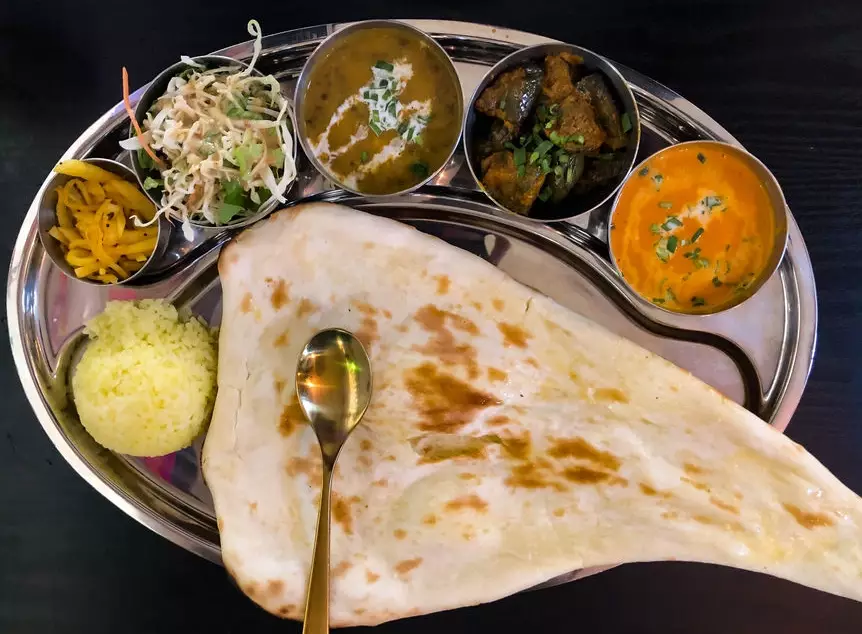
The Thali is Your Best Friend. An Indian vegetarian thali in Japan is often a masterpiece. For a fixed price (usually between 1,200 to 2,500 yen), you get a metal tray with small bowls of 4-6 different curries, dhal, raita, rice, papad, a sweet, and sometimes a drink. It's the perfect way to sample a variety of flavors, it's almost always a great value, and you know everything on that plate is vegetarian. I've had thalis in Tokyo that rival what I've eaten in Gujarat.
South Indian Specialties Shine. Crispy, fermented rice-and-lentil crepes called dosas are a must. They're naturally vegan and often served with coconut chutney and sambar. Uttapam (a thicker, pancake-like dosa with veggies) and idli (steamed rice cakes) are other staples. The quality of the fermentation here is often excellent because these restaurants make them daily for a discerning clientele that includes Indian expats.
Street Food Classics Done Right. Don't skip the snacks. Samosa (fried pastry with spiced potato filling), Chole Bhature (spicy chickpeas with fried bread), and Pani Puri (crisp shells filled with tangy water) are commonly available and made with care. The chana masala (chickpea curry) in many Tokyo spots has a depth of spice that will surprise you.
Top Indian Vegetarian Restaurants in Tokyo
Let's get concrete. Here are specific places I've returned to multiple times. This isn't just a list from a review site; these are personal recommendations with actionable details.
| Restaurant | Location / Nearest Station | Key Features & Must-Order | Price Range (Lunch) | My Notes |
|---|---|---|---|---|
| Saravanaa Bhavan | Shinjuku, Ikebukuro, Nishi-Kasai | Global South Indian chain. Royal Mysore Masala Dosa, Onion Uttapam, Mini Tiffin Set. | ¥1,000 - ¥1,800 | The gold standard for consistency and flavor. Always busy. The Nishi-Kasai branch is in a vibrant Indian neighborhood. Their filter coffee is authentic. |
| Ganesha Indian Restaurant (Azabudai) | Kamiyacho Station | Upscale, elegant. Vegetarian Thali, Pumpkin Coconut Curry, Garlic Naan. | ¥2,500 - ¥3,500 | Perfect for a special meal. The thali is artistically presented and the curries are complex. Not purely veg but has a dedicated veg menu. |
| Annapurna (Shinjuku) | Shinjuku Sanchome Station | Nepali-Indian, 100% vegetarian. Chole Bhature, Nepali Thali, Lassi. | ¥900 - ¥1,500 | A tiny, no-frills spot with huge flavor. The chole bhature is fantastic and incredibly filling. Great value. |
| Govinda's (ISKCON Tokyo) | Shibuya Station (inside ISKCON center) | Pure vegetarian (no onion/garlic). Daily Lunch Plate special, Halva dessert. | ¥1,000 - ¥1,500 | A unique, tranquil experience. The food is sattvic (pure, balanced). The lunch plate is a steal and changes daily. Cash only. |
| Moti | Roppongi, Akasaka | Long-standing, reliable. Vegetable Biryani, Palak Paneer, Mango Lassi. | ¥1,500 - ¥2,500 | A classic. The biryani is fragrant and not oily. Good for groups. The Roppongi branch is more spacious. |
I find that the restaurants in the Nishi-Kasai area of Edogawa ward often have the most homely, uncompromising flavors, as they cater primarily to the local Indian community. It's worth the trip on the Tozai Line.
Essential Ordering and Communication Tips
This is where most people slip up. You see "vegetable curry" and think you're safe. Not always.
The Hidden Ingredient: Fish Stock (Dashi)
The single biggest pitfall in non-specialist Indian restaurants in Japan is the use of dashi (fish and kelp stock) as a base for curries and sauces. It's a common Japanese cooking foundation, and it sometimes creeps into "Japanese-style" Indian food. A curry can be full of vegetables but still not be vegetarian.
What to say: Point to the item and ask clearly, 「ダシは入っていますか?魚のダシは?」 (Dashi wa haitteimasu ka? Sakana no dashi wa? – "Is there dashi? Fish dashi?"). If you're vegan, add 「乳製品、バター、ギーもなしでお願いします」 (Nyūseihin, batā, gī mo nashi de onegaishimasu – "No dairy, butter, or ghee please").
Leverage Set Menus and Pictures
Many restaurants have photo menus or plastic food models. These are your allies. Pointing is perfectly acceptable. The 「ベジタリアンセット」 (bejitarian setto) is usually a safe bet, but do the dashi check if you're strict.
One subtle thing I've noticed: restaurants that use terms like (tonyu – soy milk) in their curry descriptions or 「ヴィーガン対応」 (biigan taiou – vegan-friendly) on their signs are generally more aware and trustworthy for strict dietary needs.
Your Indian Vegetarian Food in Japan Questions Answered
The landscape for Indian vegetarian food in Japan has transformed from a desert to a flourishing garden. With a little research, the right vocabulary, and this guide, you can enjoy an incredible range of flavors without compromise. The attention to detail and quality ingredients in Japan often elevates the experience, making that perfect, crisp dosa or that complex, layered curry something you'll remember long after the trip.


Share Your Thoughts