Let's cut to the chase. Asking "what is a good budget for a trip to Japan?" is like asking how long a piece of string is. I've been traveling there for over a decade, and I still see friends make the same mistake: they Google an average, pick a round number like $5000, and then get a nasty shock when they're halfway through Kyoto.
The truth is, a good budget isn't a single number. It's a plan that matches your style. Are you a backpacker surviving on convenience store rice balls, or do you dream of kaiseki dinners and ryokan stays? Both are amazing ways to experience Japan, but their costs live in different universes.
This guide won't just throw averages at you. We'll build your budget from the ground up, line by line. I'll show you where most travelers bleed money (hint: it's not the bullet train) and share the sneaky tricks I use to eat like a king without going broke.
Your Budget Planning Roadmap
Forget Averages. What's *Your* Japan Travel Style?
Before we talk numbers, think about your non-negotiables. Is a private bathroom a must? Will you feel like you missed out if you don't try Kobe beef? Your answers here define everything.
I break it down into three core styles. Be honest with yourself about where you fit.
The Daily Budget Spectrum (Per Person)
These are rough, ballpark figures for daily spending after flights and long-distance transport. They include a mix of accommodation, food, local transit, and entry fees.
| Travel Style | Daily Budget (USD) | Daily Budget (JPY) | What It Gets You |
|---|---|---|---|
| Budget / Backpacker | $60 - $90 | ¥6,500 - ¥10,000 | Hostel dorm, combini meals, bus/subway, temple entries. |
| Mid-Range / Comfort | $100 - $200 | ¥11,000 - ¥22,000 | Business hotel/private Airbnb, mix of cheap eats & nice lunches, taxis sometimes, more activities. |
| Luxury / Splurge | $300+ | ¥33,000+ | Boutique/4-star hotels, fine dining, private tours, Green Car trains, premium experiences. |
Most first-time travelers I meet end up in the mid-range zone, even if they aimed for budget. Japan has a way of tempting you. That $15 perfect bowl of ramen. The stunning ceramic you "have to" buy. It adds up.
The Cost Breakdown: Where Every Yen Actually Goes
Let's dissect a trip like you're planning it right now. Flights are the wild card, so we'll focus on costs on the ground.
Accommodation: Your Biggest Fixed Cost
This is where your style choice hits hardest. Prices swing wildly by season (cherry blossom and autumn are peak), city (Tokyo > Osaka > smaller towns), and how early you book.
Budget: Hostels are fantastic. A clean dorm bed in Tokyo runs ¥2,500-¥4,000. Capsule hotels are an experience for ¥3,000-¥5,000. Book directly on their websites—sometimes it's cheaper than aggregators.
Mid-Range: Business hotels (APA, Dormy Inn, Super Hotel) are the workhorses. Small rooms, but clean, with private bathrooms and often free breakfast. Expect ¥8,000-¥15,000 per night for a double. I stayed at a Dormy Inn in Kanazawa for ¥11,000/night—the included late-night ramen was a game-changer.
Luxury: Sky's the limit. A nice ryokan with two meals can start at ¥40,000 per person. Boutique hotels in Kyoto? Easily ¥30,000+ per room.
My tip: Consider a mix. Splurge on a ryokan for one night as an experience, then use business hotels the rest of the time.
Food & Drink: You Can Eat Well at Any Price
Japanese food isn't inherently expensive. The system is tiered, and knowing how to navigate it saves you a fortune.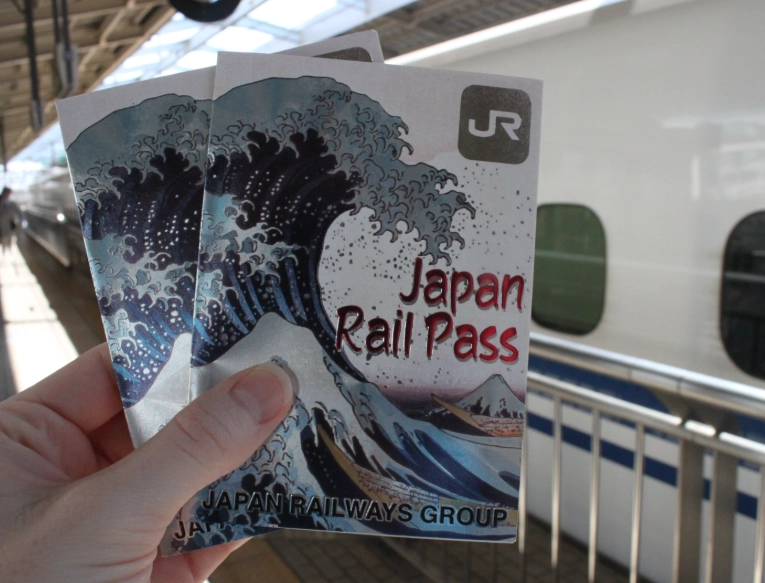
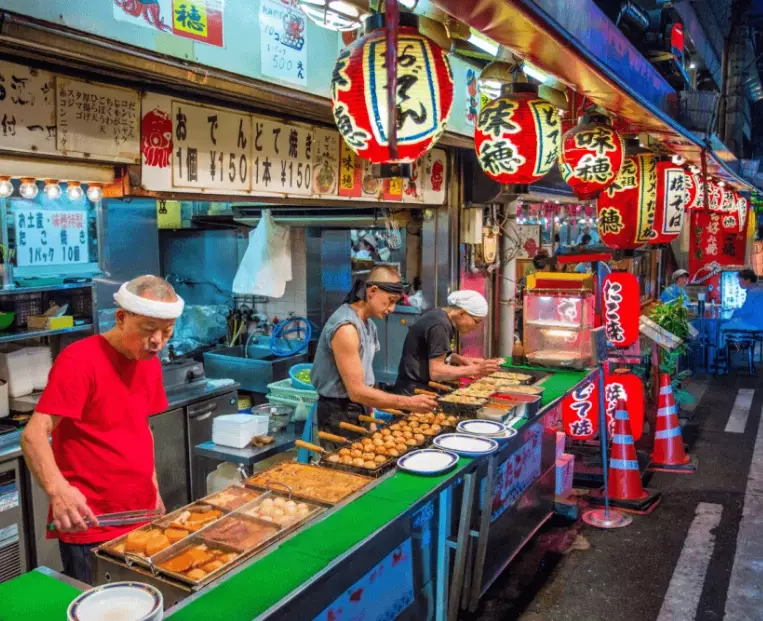
- Budget Champions (Under ¥1,000): Convenience stores (7-Eleven, Lawson, FamilyMart) are legendary for a reason. Their prepared food is fresh, diverse, and cheap. A filling lunch can be ¥500. Gyudon bowls at Sukiya/Matsuya/Yoshinoya are ¥400-¥700. Standing noodle bars (tachigui) are even less.
- Mid-Range Sweet Spot (¥1,000-¥3,000): This is where Japan shines. Lunch sets (teishoku) at quality restaurants are incredible value. A tonkatsu or sushi set that costs ¥3,000 for dinner might be ¥1,200 for lunch. Department store basements (depachika) sell exquisite bento boxes for ¥1,000-¥2,000.
- Splurges (¥5,000+): Kobe beef, high-end sushi omakase, kaiseki ryori. Book these in advance and budget accordingly.
Drinks: Draft beer (nama) in an izakaya is ¥500-¥800. Vending machine drinks are ¥120-¥150. Coffee at a cafe is ¥300-¥500.
Transportation: The Silent Budget Killer
This is the category that ambushes people. The Shinkansen from Tokyo to Kyoto (about ¥13,000 one-way) is famous, but it's the dozens of local trips that nibble your wallet to death.
Must-Do Math: If you're crossing the country, a Japan Rail Pass might pay off. Use the official Japan Guide Rail Pass Calculator or a similar tool. For regional travel, look at regional passes (JR Kansai Pass, JR East Pass). Often, they're not worth it if you're just city-hopping.
The Real Daily Cost: Getting around a city like Tokyo or Kyoto can easily cost ¥1,000-¥2,000 per day in subway and bus fares. That's $7-$14 you might not have accounted for.
#1 Pro Tip: Get a Suica or Pasmo IC card the second you land. It works on almost all local transit and at convenience stores. It doesn't give a discount, but it saves you from buying individual tickets. The biggest rookie mistake? Forgetting the ¥500 deposit on the card. It's refundable, but it's tied-up cash.
Activities & Souvenirs
Temple/shrine entry: Usually ¥300-¥1,000. Museums: ¥500-¥1,500. Disney/Universal: ~¥8,000.
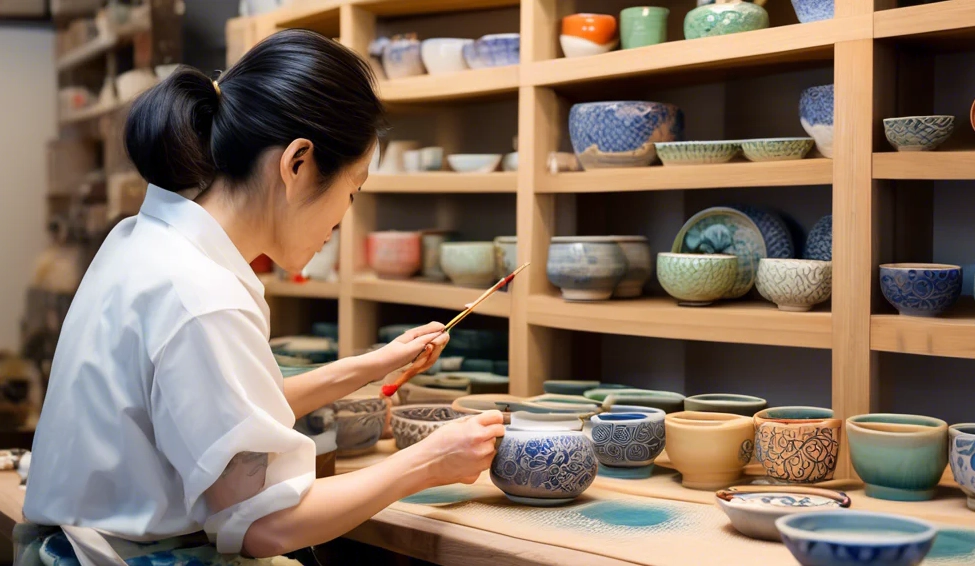
Souvenirs: Allow for this! Good quality treats (matcha, kitkats) from ¥500. Ceramics, knives, etc., can be any amount. Set a limit and bring an extra foldable bag.
Insider Hacks to Stretch Your Japan Budget
Here's where my 10+ years of visits pays off. These aren't the generic "travel in the off-season" tips.
Hack 1: The Lunch Set Strategy. Plan your big meal for lunch. I've eaten at places with Michelin-listed chefs for under ¥2,000 at lunch. The same dinner course would be ¥8,000. Dinner can be a cheap, fun izakaya visit or even a depachika feast in your hotel room.
Hack 2: Don't Fear the Bus (Especially in Kyoto). The subway map looks efficient, but in cities like Kyoto, buses are often cheaper and get you closer to temple gates. A one-day bus pass (¥700) is a steal compared to multiple taxi rides.
Hack 3: Withdraw Cash Smartly. Your home bank's exchange rate is usually terrible. Bring a debit card with no foreign transaction fees and use it at 7-Eleven or Japan Post Office ATMs for the best rate. Take out larger sums to minimize fees. And always carry more cash than you think you need. Card acceptance is growing, but you'll be shocked how many amazing, tiny places are cash-only.
Hack 4: Accommodation Location Trade-off. Staying a 10-minute walk from a major subway station instead of right on top of it can cut hotel costs by 20-30%. The walk is worth it.
Sample Budget: A 10-Day Mid-Range Trip for Two
Let's make this real. Say a couple wants a comfortable 10-day trip hitting Tokyo, Kyoto, and Osaka, with one special dinner and a ryokan stay.
- Flights: $1,200 x 2 = $2,400 (varies wildly)
- Accommodation (9 nights): 7 nights in business hotels @ ¥12,000/night = ¥84,000. 1 night in a Kyoto ryokan @ ¥35,000/person = ¥70,000. Total: ¥154,000 (~$1,000) for two.
- Transport: 7-Day JR Pass? Let's say no, they're flying into Tokyo and out of Osaka (open jaw). Shinkansen Tokyo-Kyoto: ¥26,000 for two. Local transport/top-ups: ¥3,000/day x 10 = ¥30,000. Total: ~¥56,000 (~$365).
- Food: ¥4,000 per person per day x 10 days x 2 people = ¥80,000 (~$520). This allows for a mix.
- Activities/Souvenirs: ¥3,000 per person per day x 10 days x 2 = ¥60,000 (~$390).
Estimated Total (excluding flights): Roughly ¥350,000 for two, or about $2,275. That's about $114 per person per day, solidly in the mid-range comfort zone. Add flights, and you're looking at ~$4,700 total for two. See how it builds?
Your Japan Budget Questions Answered
So, what is a good budget for a trip to Japan? It's the one you build consciously, layer by layer, based on the trip you want to have. Start with your non-negotiable splurge—maybe it's that one night in a ryokan or a legendary sushi meal. Then, build the rest of your days around mid-range or budget choices to balance it out. Track your local transit, embrace lunch, and never leave your hotel without enough cash.
Do that, and you won't just have a good budget. You'll have an unforgettable trip where you're in control, not your wallet.
Share Your Thoughts