Quick Guide
- What Exactly is a Japan Train Bento (Ekiben)?
- Where to Buy Your Ekiben: A Tactical Guide
- How to Pick the Perfect Bento (When You Can't Read Japanese)
- Top Regional Picks: A Japan Train Bento Guide Tour
- The Practicalities: Eating, Drinking, and Clean-Up
- Special Diets and FAQs in This Japan Train Bento Guide
- Beyond the Box: Drinks, Snacks, and Sweet Endings
- Final Thoughts: Making It Your Own
Let's be honest. The first time you hear about eating a full meal on a train in Japan, it sounds a bit... odd. You're picturing soggy sandwiches and overpriced chips, right? I know I was. But then you see it for the first time—a beautifully lacquered box, compartments filled with colorful, intricate dishes, all neatly packed and sold right on the platform. That's not just lunch; that's ekiben, short for "eki" (station) and "bento" (boxed meal). And it completely changes the game.
This isn't a mere travel snack. It's a core part of the Japanese rail journey, a culinary souvenir, and for many, the highlight of the trip. If you're planning a Shinkansen ride or any long-distance train trip in Japan, figuring out the ekiben scene is non-negotiable. But where do you even start? Which one do you pick from the dozens on display? Can you get a good vegetarian option? This Japan train bento guide is here to answer all that and turn your train ride into a moving feast.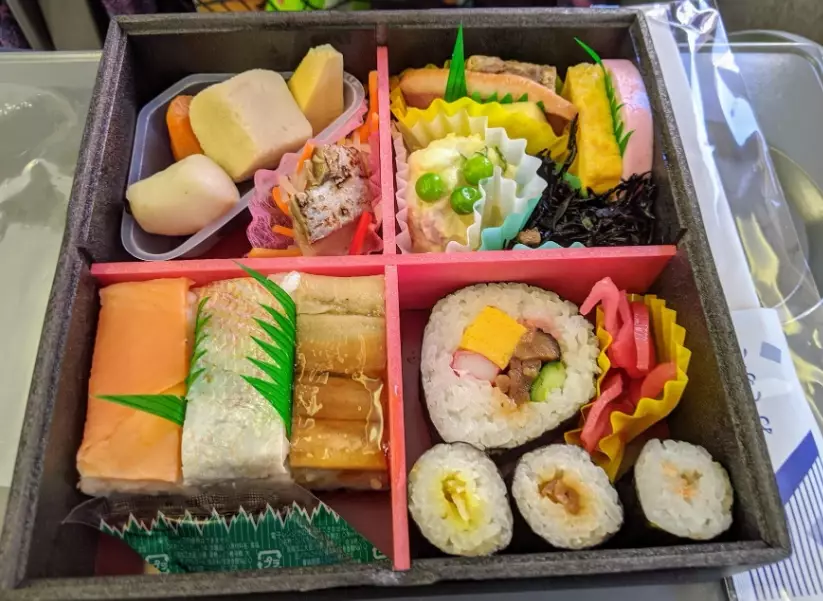
The Core Idea: An ekiben is more than food; it's a portable piece of local culture. Each major station, especially in regions famous for a certain ingredient, sells bento that showcase that specialty. Eating a crab bento from Hokkaido while speeding past the countryside is an experience you can't replicate anywhere else.
What Exactly is a Japan Train Bento (Ekiben)?
Think of ekiben as the pinnacle of convenience food, but with a soul. While the basic concept is a pre-packed meal to eat on the train, the execution is where Japan shines. The history goes back over a century, to the late 1800s, when train travel became mainstream. Vendors started selling simple rice balls (onigiri) at stations. Fast forward to today, and it's a gourmet industry with thousands of varieties.
The containers themselves are often works of art—wooden boxes, ceramic bowls you can keep, or clever disposable designs. The food is almost always meant to be eaten cold or at room temperature, which is a key point many first-timers miss. The chefs design the recipes specifically for this, so flavors meld and ingredients hold their texture without needing heat. It's a science.
So, forget everything you know about airplane food. This is different.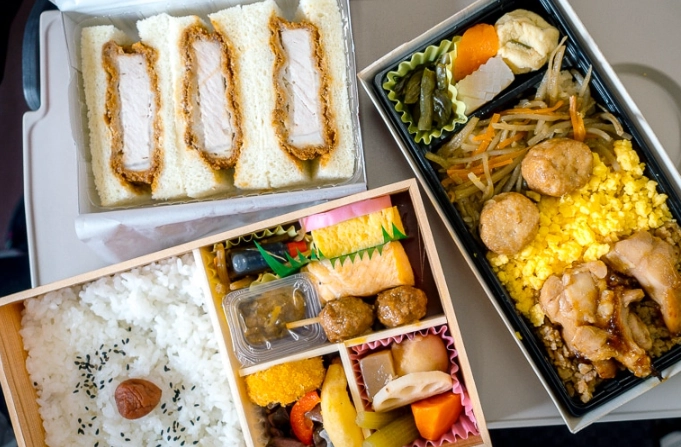
Why is Ekiben Such a Big Deal?
You might wonder why there's a whole guide dedicated to a boxed lunch. It boils down to a few things. First, time efficiency. Long train rides in Japan are peaceful, scenic, and the perfect opportunity to have a proper meal without stopping your journey. Second, regional pride. It's the easiest way to taste the local specialty without venturing far from the station. Want to try Matsusaka beef? There's a bento for that. Famous for oysters from Hiroshima? You bet there's a bento. It's edible tourism.
Finally, there's the ritual. Buying your ekiben and a can of cold beer or tea from the station kiosk ("kiosku"), finding your seat, carefully unwrapping it, and enjoying it as the landscape blurs by. It's a cherished part of the travel experience for Japanese people and in-the-know visitors alike. A proper Japan train bento guide has to start by understanding this cultural context—it's not just about filling your stomach.
Where to Buy Your Ekiben: A Tactical Guide
This is where most people get stuck. You arrive at Tokyo Station, it's huge, you have 10 minutes before your Shinkansen departs, and you're overwhelmed. Don't panic. Here are your main hunting grounds, each with its own vibe.
| Place to Buy | What You'll Find | Pros & Cons | Best For... |
|---|---|---|---|
| Station Ekiben Shops (Ekibenya) | The dedicated, often famous shops right on the concourse or platform. Examples: "Ekibenya Matsuri" in Tokyo Station, "Shinagawa Ekiben Kan" in Shinagawa. | Pro: Largest selection, often includes famous regional bento from across Japan. Con: Can have long lines, especially during peak travel seasons. | The ultimate selection. If you want to browse 100+ different bento, this is your spot. |
| Platform Kiosks (Kiosku) | Small convenience stalls right on the Shinkansen platforms. | Pro: Incredibly convenient. Buy seconds before boarding. Con: Selection is smaller, mostly limited to very popular or generic options. | Last-minute buyers, or if you're running late. Also great for drinks and snacks. |
| Department Store Basements (Depachika) | The famous food halls in basements of stores like Isetan, Takashimaya, or Daimaru, often connected to major stations. | Pro: Ultra-high-quality, gourmet bento. Think luxury ingredients. Con: More expensive, and a bit of a walk from your train gate. | A splurge or a special occasion. The presentation and ingredients are top-tier. |
| Convenience Stores (Konbini) in Stations | 7-Eleven, Lawson, FamilyMart located inside or just outside station gates. | Pro: Cheap, open very late/early, consistent. Con: Not "authentic" ekiben. These are standard bento, not region-specific station masters. | Budget travelers, very early/late trains, or if you just need something simple and reliable. |
My personal strategy? If I have time (at least 20-30 minutes before departure), I head straight for the main Ekibenya. The spectacle is half the fun. If I'm cutting it close, I'll grab something from the platform kiosk—it's still a proper ekiben and beats going hungry. A crucial tip from this Japan train bento guide: if you're traveling during Golden Week, Obon, or New Year, assume the popular shops will be swarmed. Go early.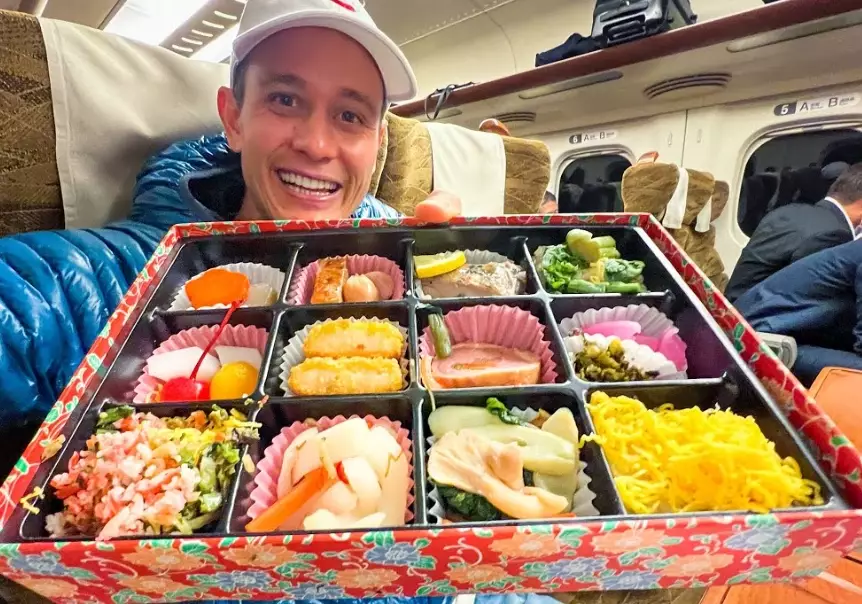
Pro Tip: Don't buy your ekiben at your small local station if you're departing from a major hub like Tokyo or Osaka. Wait until you transfer to the big station. The selection at a major terminal station (like Tokyo, Ueno, Shin-Osaka, Kyoto) is exponentially better and more varied.
How to Pick the Perfect Bento (When You Can't Read Japanese)
Staring at a wall of boxes with beautiful but indecipherable labels is the classic tourist dilemma. Here's how to navigate it without stress.
First, look at the price. Ekiben typically range from about 1,000 to 2,500 yen, with most falling in the 1,200-1,800 yen range. The super-fancy ones can go higher. Price is often a good indicator of the main ingredient—a bento with premium beef or crab will cost more.
Second, look at the picture or the plastic display model. Japan is the land of incredibly accurate food models. What you see is almost exactly what you get. Identify a protein you like—is that fish, chicken, beef, or pork? See a lot of little compartments? That's a "kaiseki" style, with many small tasting portions.
Third, look for English. More and more ekiben now have small English stickers or signs. They might say "Local Specialty" or list the main item like "Salmon," "Beef," "Katsu."
Fourth, and this is my favorite method: look for what's almost sold out. If a particular bento has only one or two boxes left, while the shelf next to it is fully stocked, that's a strong signal from local buyers. It's probably delicious or a famous local item. I've discovered some of my best meals this way.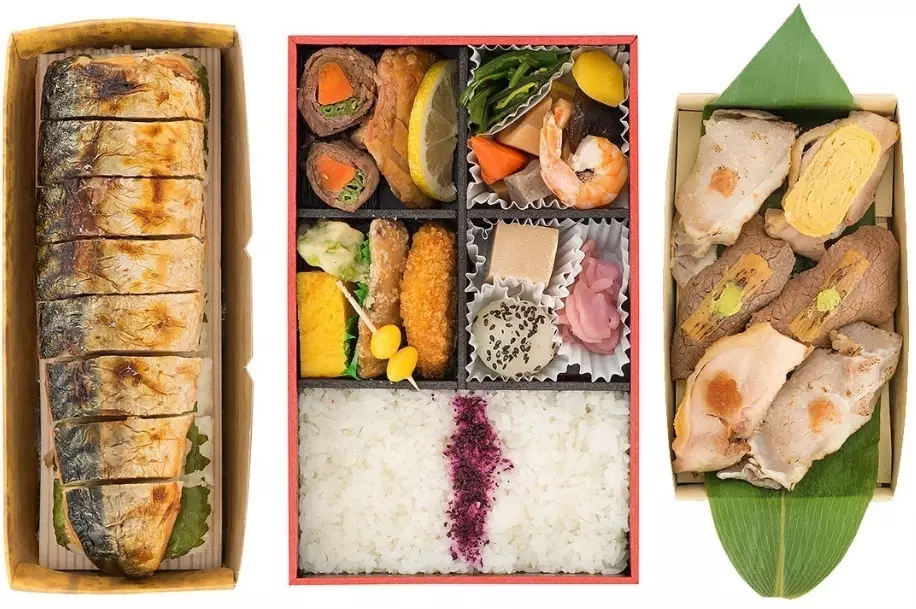
Let's talk about common types you'll see:
- Makunouchi Bento: The classic. Rice, grilled fish, a piece of chicken or meat, tamagoyaki (sweet omelet), and pickled vegetables. A safe, delicious all-rounder.
- Meat Lover's Bento (Gyumeshi/Yakiniku): Features grilled beef or pork, often with a savory sauce over rice. Hearty and satisfying.
- Seafood Bento: Could be sashimi over rice (kaisendon), grilled salmon, or small portions of multiple seafood items. Very popular in coastal regions.
- Regional Specialty Bento: This is the holy grail. The box and contents will scream the local fame—like a bento shaped like a bullet train filled with sushi (Shinkansen Bento), or one from Hokkaido with crab legs.
A Word on Temperature: This trips up a lot of people. Almost all ekiben are designed to be eaten cold. The rice is seasoned, the proteins are cooked and marinated specifically so they taste great at room temperature. If you're someone who absolutely needs a hot meal, look for the rare ones marked with a microwave symbol (they can be heated at the shop) or opt for a hot noodle cup from the konbini instead. Don't buy a beautiful cold ekiben and then be disappointed it's not hot.
Top Regional Picks: A Japan Train Bento Guide Tour
This is where a good Japan train bento guide earns its keep. Choosing by region is the best way to guarantee a memorable meal. Here are some legendary ones to look out for, based on the station you're departing from.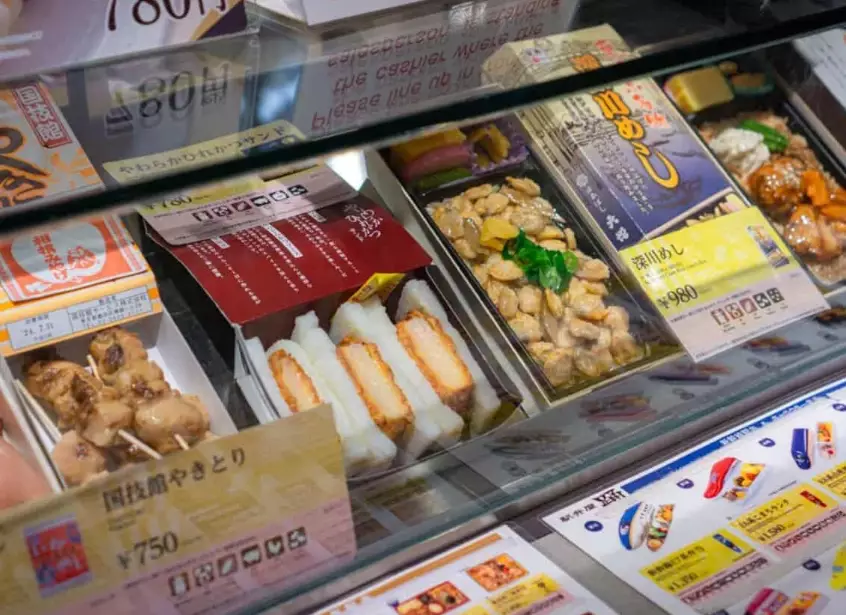
From Tokyo Station / Ueno Station (Heading North)
You're likely heading to Tohoku or Hokkaido. Look for bento that preview your destination or showcase specialties from the north.
- Eki 728 Bento (Ueno Station): A famous one shaped like a old steam locomotive (Loco 728). It's a cute collectible with a mix of classic items like shrimp, chicken, and tamagoyaki.
- Gyuniku no Okoge Bento (Various): "Beef with rice crust." This is a simple but genius one—succulent beef on top of rice with a layer of crispy, savory rice crust (okoge) at the bottom. So good.
- Anything with Hokkaido Crab: If you see a bento prominently featuring kani (crab), especially from Hokkaido, and you like seafood, grab it. It's a treat.
From Shin-Osaka Station / Kyoto Station (Heading West)
Bound for Hiroshima, Fukuoka, or elsewhere in western Japan. The flavors here can be a bit bolder.
- Kani Meshi (Kyoto Station): A classic where crab meat is cooked and mixed throughout the rice, infused with a delicate crab broth. The aroma when you open the box is incredible.
- Matsusaka Beef Bento (Kansai area): Matsusaka beef is one of Japan's top wagyu brands, rivaling Kobe. A bento featuring thin slices of this luxurious, marbled beef is a splurge worth making.
- Hiroshima Oyster Bento: If it's in season (winter), you might find bento featuring plump, cooked Hiroshima oysters. A true taste of the Seto Inland Sea.
From Hakata Station (Fukuoka) or Nagoya Station
Central and southern specialties have their own charm.
- Kashiwa Meshi (Nagoya): A simple but beloved bento of rice cooked with chicken and seasoned with soy sauce. It's comfort food.
- Mentaiko Bento (Hakata): Featuring Fukuoka's famous spicy cod roe (mentaiko). It's mixed with rice or served as a side. For those who like a bit of a kick.
Remember, stations in the region itself will have the best and most authentic versions. Eating a Hiroshima oyster bento while actually leaving Hiroshima Station feels more special than buying it in Tokyo.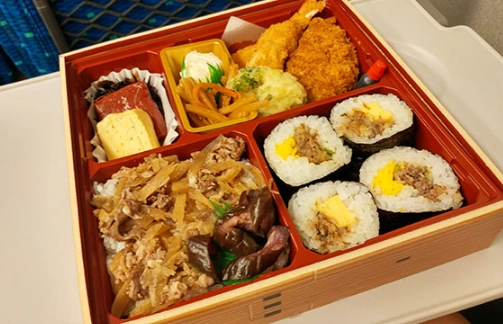
The Practicalities: Eating, Drinking, and Clean-Up
You've bought your masterpiece. Now what? The etiquette is simple but important.
When to Eat: On most Shinkansen and limited express trains, it's perfectly fine to eat at your seat. People typically eat shortly after departure once the train has settled into its cruise. It's considered a bit rude to eat strong-smelling food (though most ekiben are fine) or to make a huge mess. Just be considerate.
What to Drink: This is key! You'll want a drink. The platform kiosks and station konbini have a great selection. A cold beer (like Asahi Super Dry or a local craft) is the classic pairing for many. For non-alcoholic, iced barley tea (mugicha), green tea, or a coffee are popular. I usually get a large bottle of water too.
A cold beer and an ekiben, watching Mount Fuji slide by? That's a core memory right there.
The Clean-Up: This is crucial and where many visitors get confused. Do not leave your trash on the train or try to throw it away in a tiny bathroom bin. The standard practice is to neatly repack all the packaging, containers, and chopsticks back into the bag it came in. When the drink/snack cart comes by (or when you disembark), there will be a trash bag on the cart or at the end of the platform where you can dispose of it. Some newer Shinkansen have small trash bags or receptacles at the end of each car. Just follow what others are doing. Packing out your own trash is part of the ritual.
My biggest mistake on my first trip? Buying a beautiful bento for a 90-minute journey. I spent so much time admiring and slowly eating it that I barely finished before we arrived! For shorter trips (under 2 hours), maybe choose something simpler or eat promptly.
Special Diets and FAQs in This Japan Train Bento Guide
Let's tackle the big questions people have but often can't find clear answers for.
Are there vegetarian ekiben?
This is the hardest part. Traditional Japanese cuisine uses dashi (fish stock) ubiquitously, and most ekiben include some form of fish, meat, or seafood-derived seasoning. Strict vegetarians and vegans will have a very difficult time. Your best bets are:
- Look for shojin ryori bento, especially at stations near major temples (like Kyoto). This is Buddhist temple cuisine and is plant-based.
- Search in department store depachika (food halls) for premium vegetarian bento options. They are more likely to cater to diverse diets.
- Consider a rice ball (onigiri) and side salads from a convenience store as a reliable fallback. Some onigiri are just rice and pickled plum (umeboshi) or seaweed (nori). Check packaging carefully or use a translation app.
It's a gap in the market, frankly. I wish there were more options.
Can you heat up an ekiben?
As a rule, no, you should not heat a cold ekiben. The ingredients and rice are prepared for cold consumption. Microwaving it could ruin the texture and make some items soggy or rubbery. However, some shops sell specific hot bento (kansou bento). These come in insulated containers or are meant to be eaten warm. They are less common but do exist—look for steam or heat symbols on the package. The famous "tai meshi" (sea bream rice) from Toyohashi Station, for example, is often served hot.
What if I have food allergies?
This requires extreme caution. Labeling is improving, and major allergens (like eggs, wheat, shrimp, crab) are sometimes marked in English. However, cross-contamination is very possible, and sauces often contain multiple ingredients. If you have a severe allergy, ekiben from small vendors is a high-risk choice. Your safest path is to prepare your own food or stick to packaged items from convenience stores with clear, translated ingredient lists.
How far in advance can I buy one?
They are made fresh daily. Buying on the day of travel is a must. Most are made to be consumed that same day. Don't try to buy one the night before for a morning train.
Beyond the Box: Drinks, Snacks, and Sweet Endings
Your Japan train bento guide isn't complete without the accompaniments. While the bento is the star, the supporting cast matters.
At the same kiosk or depachika, pick up:
- Local Sweets (Meibutsu): Many stations sell famous local confections. A small box of Kyoto yatsuhashi (cinnamon-flavored mochi) or Hokkaido cheesecake makes a perfect dessert after your bento.
- Specialty Drinks: Look for local milk (Hokkaido milk is rich), craft sodas, or unique teas from the region you're in or traveling to.
- Small Snacks: Sometimes you just want something crunchy. A bag of regional potato chips or rice crackers can be fun.
It's all about building your own perfect travel meal kit. I always save room for a sweet treat—it feels like a proper finale to the meal.
Final Thoughts: Making It Your Own
The beauty of the Japan train bento experience is that there's no single right way to do it. This Japan train bento guide gives you the map, but you choose the adventure.
For your first time, maybe go with a classic makunouchi from a platform kiosk. Keep it simple. On your next trip, challenge yourself to find the regional specialty bento from the big ekibenya. Maybe even make a game of it—try a different one on every long-distance journey.
The key is to embrace it as part of the journey, not just a logistical need. That moment of unwrapping, the first bite of something uniquely local while the world speeds past your window—it encapsulates modern Japanese travel. It's efficient, delicious, and deeply connected to place.
So next time you're at a major station in Japan with a train ticket in hand, give yourself the gift of time. Wander over to the ekiben stands, let your eyes glaze over at the options, and just pick one that calls to you. You might not get a Michelin star, but you'll get a story, a taste of a region, and a memory that lasts long after the trip is over. And really, that's what the best travel food is all about.
Happy travels, and happy eating.



Share Your Thoughts