Your Journey at a Glance
You typed that question into Google, didn't you? "What is the cheapest time to go to Japan?" It's the first, biggest hurdle for anyone dreaming of sushi, temples, and bullet trains without wrecking their bank account. I get it. I've been there, scrolling through flight prices at 2 AM, wondering if it's even possible.
Here's the straight answer, the one that travel blogs sometimes bury under pretty pictures: the absolute cheapest time to visit Japan is during the winter months, specifically late January through February, and excluding the New Year period. But that's just the headline. The real story is way more interesting, and it depends entirely on what "cheap" means for you.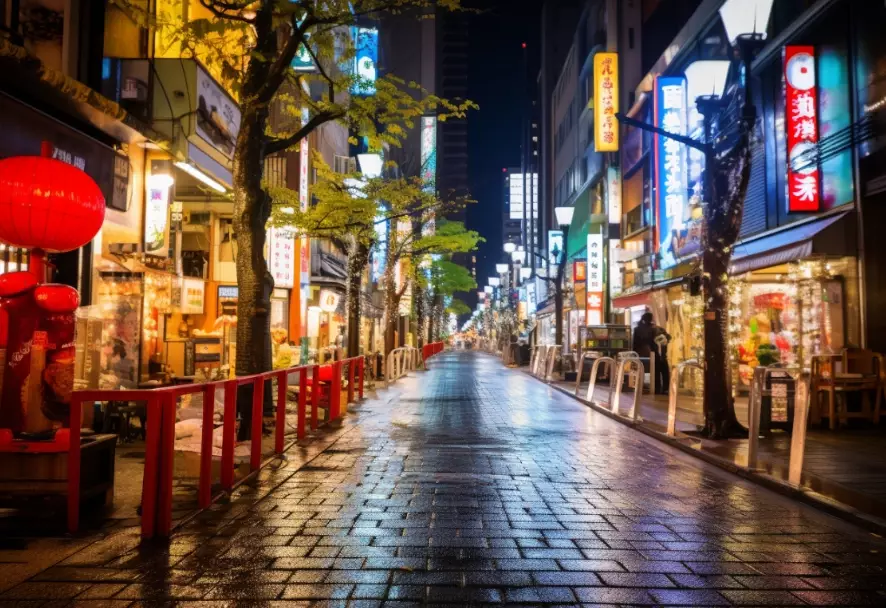
Because cheap isn't just about flight tickets.
It's about hotels that don't cost a fortune, crowds that let you breathe, and whether you're okay trading cherry blossoms for a chance to have Kyoto's Fushimi Inari Shrine almost to yourself. I once went in early February. My flight was half the price of my friend's Golden Week trip. I wore a thick coat, sure, but I also had moments of pure magic in empty gardens dusted with frost, without elbowing through a single tour group. That's a different kind of value.
Breaking Down Japan's Seasons: A Cost and Vibe Analysis
To really understand the cheapest time to visit Japan, you have to wrestle with its seasons. Each one has a totally different personality and price tag.
The Undisputed Winner for Low Costs: Winter (Jan-Feb, post-New Year)
This is it. The answer to "what is the cheapest time to go to Japan?" for pure, unadulterated savings. After the expensive New Year's holidays (Jan 1-3) wrap up, Japan settles into its quietest tourist period.
- Flights: You'll find the lowest fares from North America and Europe. Airlines are desperate to fill seats.
- Accommodation: Hotels and ryokans drop their rates. You might even snag a deal on a place that's usually booked solid.
- Crowds: Minimal. It's glorious for actual exploration.
- The Catch: It's cold. Especially in Tokyo and northwards. Hokkaido is in full, beautiful snowfall mode (great for skiers!). Southern areas like Kyushu and Okinawa are milder. You also miss the famous spring and autumn foliage.
My personal take? I love winter travel in Japan. The onsens (hot springs) are infinitely better when the air is crisp. Seeing snow on the roofs of historic temples in Kyoto or Kanazawa is something special. But if you hate the cold, this trade-off might not be for you.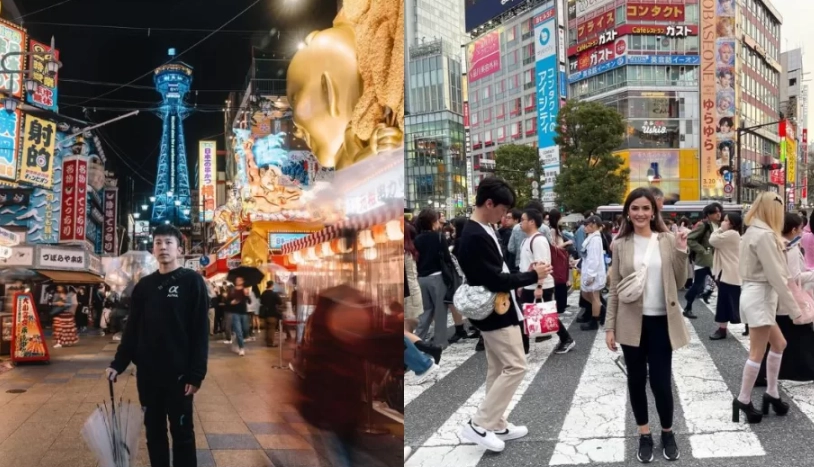
The Shoulder Seasons: Spring (Late March/April) & Autumn (Late Oct-Nov)
These are the famous, beautiful, and... expensive times. Calling them "cheap" is a stretch, but you can find better value on the edges.
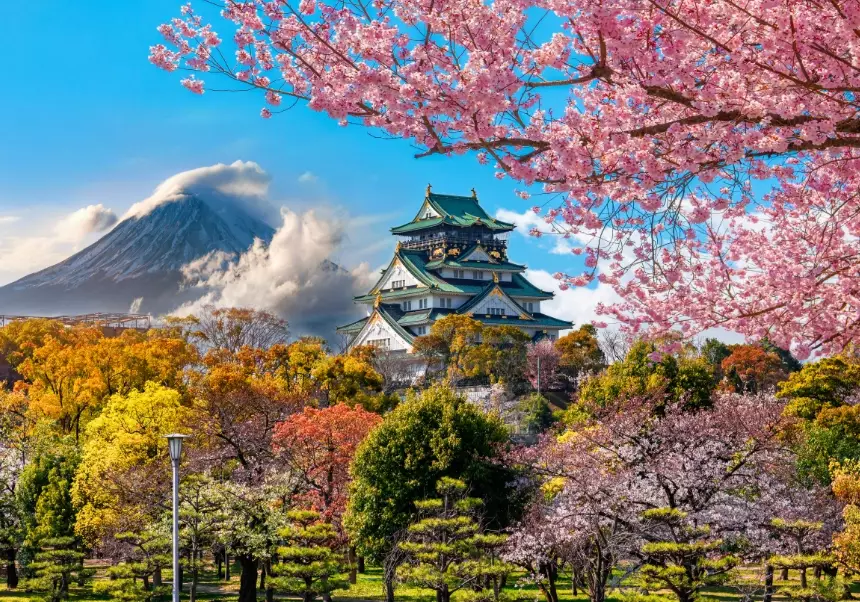
- Cherry Blossom Season (Sakura): Late March to early April is peak. It's stunning and incredibly busy. Prices skyrocket. This is arguably the MOST expensive time. If you want any chance of a deal, target very late March or early April and be flexible on location—bloom times vary.
- Late Autumn (Koyo): Similar story with fall colors in November. Gorgeous, packed, pricey.
- The Smart Move: Aim for the very tail end of these seasons. Late April, after the main sakura frenzy, can see prices dip while gardens are still lovely. Early November, before the peak koyo, can be similar. It's a gamble with nature, but it can pay off.
The Wild Card: Summer (June - September)
Summer is... complicated. It's hot and humid, especially July and August. But it has its perks.
- Flights: Can be moderately priced, especially from June to early July, before school holidays peak globally.
- Festivals! Incredible events like Gion Matsuri in Kyoto (July) and countless fireworks festivals (Hanabi).
- The Big Downside: The humidity is no joke. And late June to mid-July is the rainy season (Tsuyu) for much of Japan, which can put a damper on sightseeing. August is also a major Obon holiday period for domestic travel (mid-August), causing price spikes.
So, is summer a cheap time to visit Japan? Sometimes, for flights. But you pay with weather and potential holiday crowds.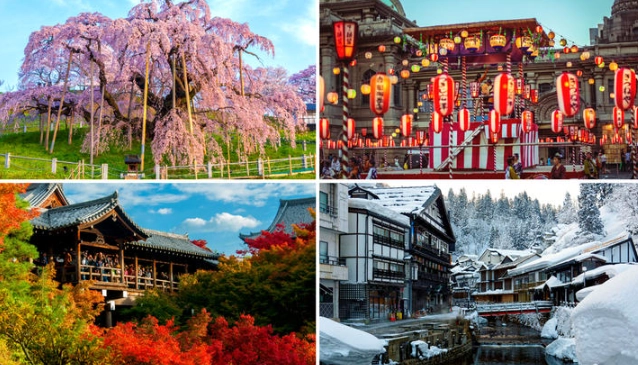
The Cost Breakdown: Where Your Money Actually Goes
Let's get practical. When you're figuring out the cheapest time to travel to Japan, you need to look at the big three expenses.
| Expense Category | Cheapest Season (Winter) | Most Expensive Season (Spring/Autumn Peak) | Money-Saving Tip |
|---|---|---|---|
| Round-Trip Flights (e.g., from US West Coast) | $650 - $900 | $1,300 - $2,000+ | Use flight alert tools (Google Flights, Skyscanner). Be flexible by a few days. |
| Mid-Range Hotel (Tokyo, per night) | $80 - $120 | $180 - $300+ | Consider business hotels or guesthouses. Book *well* in advance for any season. |
| Japan Rail Pass (7-day Ordinary) | ~$330 (Price is fixed, but value is higher when you travel more) | ~$330 (Same price, but trains are more crowded) | Calculate if it's worth it for your itinerary. For single-city trips, it's often not. |
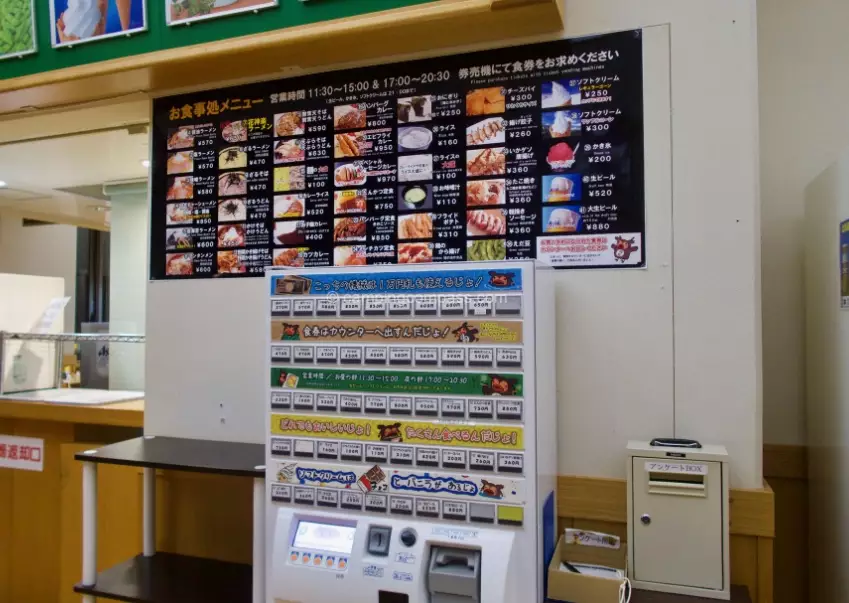
| Daily Food Budget | $30 - $50 (Convenience store meals, casual ramen) | $40 - $70 (Same, but you might splurge more) | Lunch sets (teishoku) are great value. Department store basements (depachika) have amazing takeaway. |
See the difference? It's massive.
The flight and hotel savings alone in winter can fund your entire food and activity budget. That's why the question "what is the cheapest time to go to Japan?" is so powerful—it directly determines your trip's financial feasibility.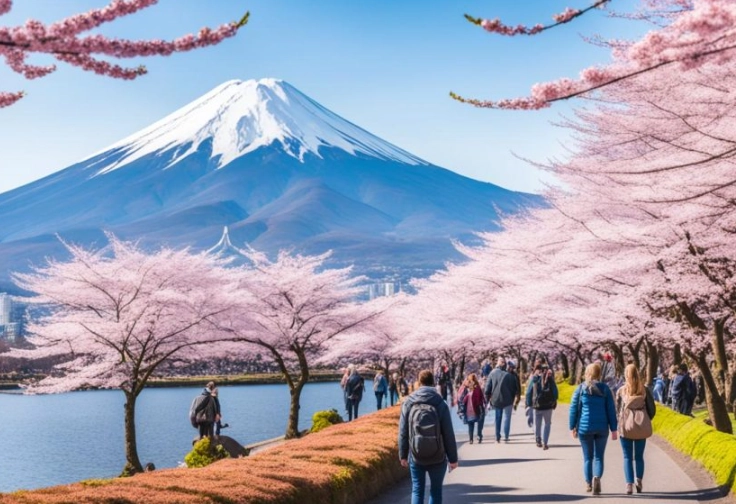
Beyond the Calendar: Pro Tips to Save Money ANY Time of Year
Let's say your vacation days are locked in for October. You can't chase the absolute cheapest time. Don't worry, these strategies work year-round.
The Fly-Smart Strategy
Don't just search for "Tokyo." Use nearby airports. Flying into Osaka (KIX) or Nagoya (NGO) can sometimes be significantly cheaper than Tokyo (NRT/HND). Check the official sites of airlines like ANA or JAL for special visitor fares, which are often fantastic deals. I saved $200 once by flying into Osaka and taking a cheap bus to Kyoto to start my trip.
Accommodation Hacks: Look beyond big hotels. Business hotels (like Toyoko Inn, APA) are no-frills but clean and efficient. Guesthouses and hostels in Japan are often immaculate and social. For a unique (and sometimes budget) experience, look into temple stays (shukubo) in places like Koyasan. The Japan National Tourism Organization (JNTO) website is a goldmine for finding legitimate, unique lodging options.
Getting Around: The JR Pass is a famous money-saver, but it's not automatic. If you're just doing a Tokyo-Kyoto round-trip, a normal Shinkansen ticket might be close in price. Use the calculator on the official Japan Rail Pass site. For regional travel, look into regional passes (like a Hokkaido Rail Pass or a Kansai Area Pass). They can be brilliant. Local buses and subways are always affordable.
Answering Your Next Questions (The FAQ You're Already Thinking)
Okay, so you know the cheapest time to go to Japan is winter. But your brain is already asking the follow-ups. Let's tackle them.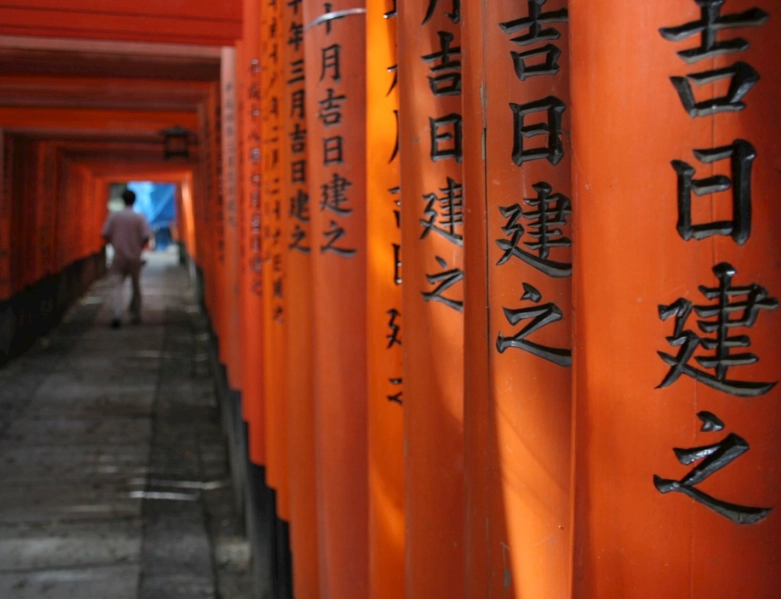
Is it worth going in the cheap season if the weather is bad?
Define "bad." It's not tropical, that's for sure. But Japan's winter is often sunny and dry, just cold. The snow in the mountains and north is a feature, not a bug, for many. And cities like Tokyo rarely get massive snowstorms that shut things down. Check historical weather data on sources like the Japan Meteorological Agency to set realistic expectations. Pack layers, a good coat, and you'll be fine. The reward is fewer crowds and lower prices.
What about national holidays? Should I avoid them?
Yes, you should be aware. As mentioned, Golden Week (late Apr/early May) and Obon (mid-August) are the big ones. Also, New Year (Dec 29 - Jan 3) is a major family holiday where many businesses close. Ironically, the days right AFTER New Year (Jan 4-6 onwards) plunge into the cheap period. So, avoiding these holiday clusters is key to finding the cheapest time to travel to Japan.
Can I see cherry blossoms or fall colors on a budget?
It's tough, but not impossible. The trick is location and timing. Everyone goes to Kyoto and Tokyo. Consider lesser-known spots for blooms or foliage—they're just as beautiful and cheaper. For example, the Kawazu cherry blossoms in Shizuoka bloom in early February (much earlier and often cheaper). For autumn, the colors in Nikko or the Japan Alps are spectacular and can be slightly less overrun than Kyoto. It requires more planning, but it can bridge the gap between cost and experience.
Putting It All Together: Your Action Plan
So, how do you actually find the cheapest time to go to Japan for YOUR trip?
- Define Your Priorities: Is absolute lowest cost #1? Or is good weather? Or seeing a specific festival? Be honest.
- Be Flexibile with Dates: If you can, use the "flexible dates" search on flight sites. Even a 3-day shift can save you $300.
- Set Price Alerts: For both flights and hotels. Let the tools work for you.
- Book Key Things Early: Even in the cheap season, good deals on popular ryokans or special hotels get snapped up. Flight prices also only go up as dates get closer.
- Build a Balanced Itinerary: Mix famous sights with off-the-beaten-path ones. The latter are often free or very cheap and offer a more authentic feel.
At the end of the day, the cheapest time to visit Japan is when your priorities and budget align. For most people seeking maximum savings, that's the winter window. But with smart strategies, you can make almost any time of year more affordable.
Japan is worth it. Every season has its magic. The goal is to find the magic that fits your wallet. Now that you know the answer to "what is the cheapest time to go to Japan?", you're already ahead of 90% of planners. The next step is to start looking at those winter flight prices. You might be surprised at what you can afford.
Happy planning.

Share Your Thoughts