Ask anyone about the famous market in Tokyo, and you'll likely get one name: Tsukiji. But here's the thing – that answer is only half right, and clinging to it might make you miss the real magic. The truth is, Tokyo doesn't have just one "famous" market. It has a constellation of them, each famous for a different reason. Some are legends of history and seafood. Others are chaotic alleys of discount goods and street food. One is a futuristic marvel that replaced an icon.
Thinking of them as just places to buy fish is the first mistake tourists make. They're living museums, culinary playgrounds, and windows into Tokyo's soul. I've spent years getting lost in these alleys, and I still find new stalls and tastes every time.
So, what is the famous market in Tokyo? Let's break it down by what you're actually looking for.
Your Tokyo Market Guide
Tsukiji Outer Market: The Food Lover's Legend
This is the place most people picture. When the inner wholesale market moved to Toyosu in 2018, many thought Tsukiji was dead. They were wrong. The Outer Market – the maze of narrow lanes packed with hundreds of stalls, restaurants, and shops – stayed put. And it's more vibrant than ever.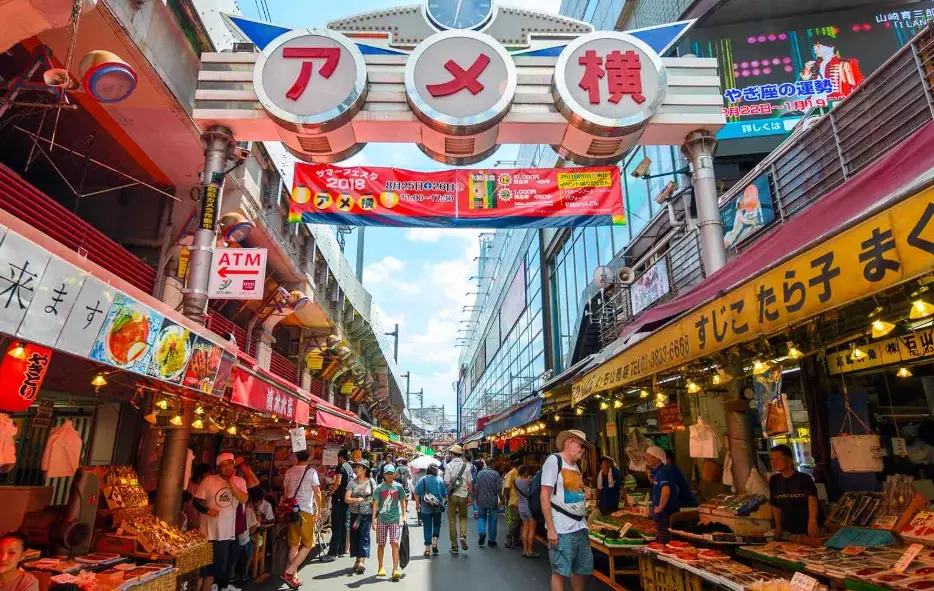
Forget the 3 AM tuna auction. The famous market experience here is about eating your way through history. The energy is tangible. Sizzling grills, shouted orders, the salty smell of the sea mixed with sweet soy sauce.
What to Eat (and Where to Find It)
Don't just wander aimlessly. Have a game plan. Here’s a hit list:
- Tuna Skewers (Maguro no Kushiyaki): Look for stalls with lines. They grill fatty tuna belly (toro) over binchotan charcoal. It's juicy, rich, and costs about 500-800 yen. A must.
- Fresh Oysters (Kaki): Several stalls shuck massive Miyagi oysters on the spot. You get a squeeze of lemon and a slurp of briny perfection for around 500 yen each.
- Tamagoyaki (Japanese Omelette): This is an art form here. Watch the masters layer thin sheets of sweet, dashi-infused egg. A slice costs 200-300 yen. The shop "Tsukiji Tamagoyaki" is an institution.
- Sushi Breakfast: Yes, the famous Sushi Dai moved to Toyosu, but its original location in Tsukiji is still operated by former apprentices under a different name. The line is still long, but the quality is legendary. Expect to queue for 1-2 hours for the omakase (chef's selection), which runs about 4,000 yen.
Tsukiji Outer Market Practicals:
Address: 4 Chome-16-2 Tsukiji, Chuo City, Tokyo. It's not a single address; just head to Tsukiji station and follow the crowds.
Nearest Station: Tsukiji Station (Hibiya Line), Tsukijishijo Station (Oedo Line). A 5-minute walk from either.
Hours: Most stalls open from 5:00 AM to around 2:00 PM. Many are closed on Sundays and some Wednesdays. Restaurants may have later hours.
Key Tip: Go on a weekday, as early as you can (8-9 AM is ideal). By 11 AM, the main alleys are a slow-moving river of people.
Toyosu Market: The High-Tech Successor
This is where the famous tuna auction and wholesale business relocated. Toyosu is clean, organized, temperature-controlled, and feels more like a laboratory than a traditional market. It lacks the gritty charm of Tsukiji, but it offers something unique: guaranteed viewing access.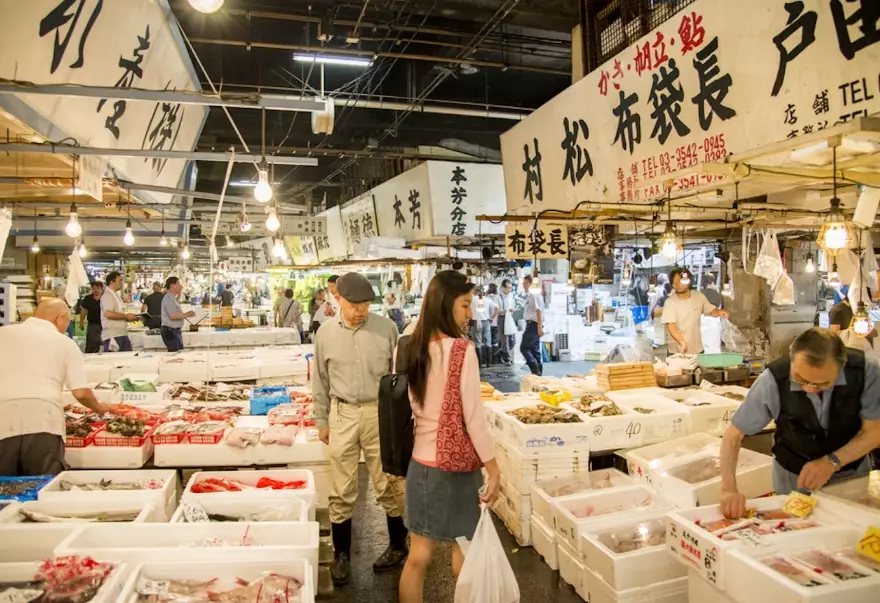
You watch the action from elevated glass-walled corridors above the wholesale floors. It's fascinating to see the giant tunas laid out and the professional buyers at work, but it's a silent, observational experience.
The Real Draw: The Sushi Restaurants. Many of Tsukiji's most famous sushi-ya relocated here to the 3rd floor of the Fish Wholesale Market Building. The quality is exceptional, as they're literally above the source. The queues for Sushi Dai and Daiwa Sushi are just as epic, if not more so. My take? If you're a sushi purist and don't mind the wait, it's worth it. If you want atmosphere, stick to Tsukiji.
| Feature | Toyosou Market | Tsukiji Outer Market |
|---|---|---|
| Atmosphere | Modern, clean, observational | Historic, chaotic, immersive |
| Main Attraction | Tuna auction viewing (reservation needed), top-tier sushi restaurants | Street food stalls, casual eating, market vibe |
| Best For | Guaranteed auction viewing, pristine sushi experience | Food adventure, photography, sensory overload |
| Getting There | Toyosu Station (Yurikamome Line) | Tsukiji/Tsukijishijo Station |
Ameya Yokocho (Ameyoko): The People's Market
If Tsukiji is famous for food, Ameyoko is famous for everything else. Stretching along the tracks between Ueno and Okachimachi stations, this bustling market street has a completely different origin. Post-WWII, it was a black market for "ame" (candy and sweets), hence the name. Today, it's a vibrant, loud, and slightly chaotic mix of discount clothing, sneakers, cosmetics, spices, dried fish, and incredible street food.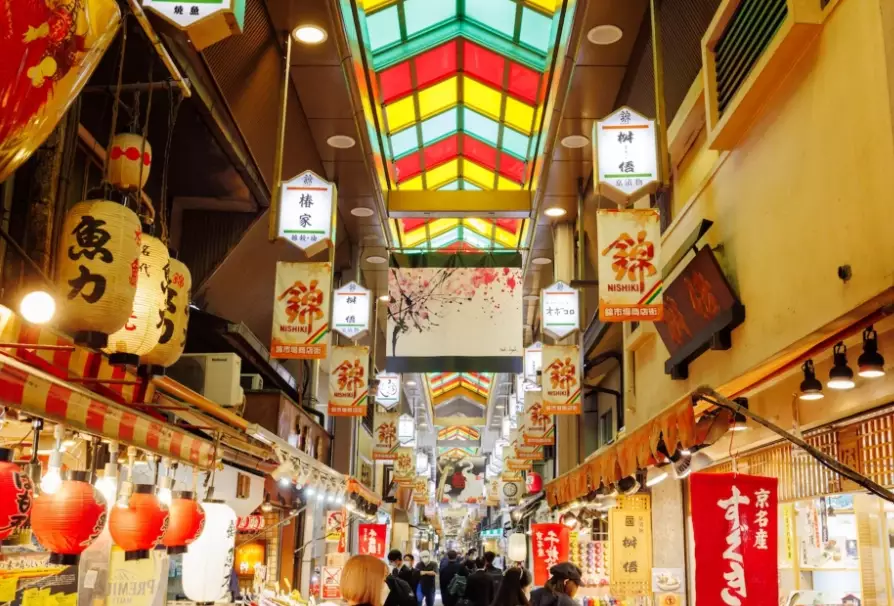
The energy here is raw and local. You'll hear more Japanese than tourist languages. It's where Tokyoites come for a bargain and a quick, delicious bite.
Ameyoko's Food Scene: A World Tour
The food here is less about pristine seafood and more about hearty, flavorful, and cheap eats.
- Kaisendon: Donburi bowls piled high with salmon roe, sea urchin, and crab are surprisingly affordable here (1,000-2,000 yen).
- Grilled Seafood: Giant grilled scallops, buttery grilled crabs, and whole grilled fish are sold from smoky stalls.
- International Flavors: You'll find Korean pancakes, Turkish kebabs, and Chinese dumplings, reflecting the area's diverse history.
Address: Along the tracks between Ueno and Okachimachi stations, Taito City.
Hours: Most shops open from 10:00 AM to 8:00 PM. Street food stalls are busiest from lunch through evening.
Pro Tip: Go hungry and with an open mind. Don't be afraid to point at what looks good.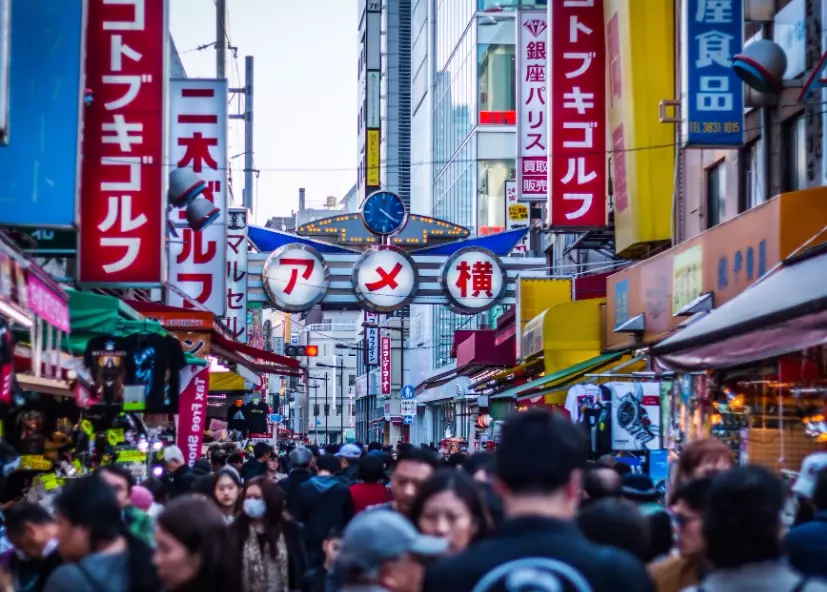
Other Markets Worth Your Time
Tokyo's market scene runs deep.
Kappabashi Dougu Street: The famous "kitchen town" market for chefs and restaurant owners. Want a samurai-quality knife, a plastic food sample, or a giant cauldron? This is your place. It's not a food market, but it's utterly unique to Tokyo. (Nearest Station: Tawaramachi).
Sunamachi Ginza Shotengai: This is the anti-tourist market. A 600-meter long shotengai (shopping street) in eastern Tokyo that feels frozen in the Showa era. It's almost entirely for locals, with butchers, fishmongers, pickle vendors, and tiny standing bars. If you want to see a real, working-class Tokyo market with zero pretense, make the trip. (Nearest Station: Sunamachi).
The Expert's Playbook: How to Do Markets Right
After countless visits, here’s what most guides won’t tell you.
1. The "Weekend vs. Weekday" Rule is Incomplete. Everyone says avoid weekends. True, but also avoid national holidays and the first three days of the New Year. Even on a Wednesday, if it's a holiday, it will be packed. Check the Japanese calendar.
2. Cash is King, But Small Bills are Emperor. Yes, bring cash. But break those 10,000 yen notes at your hotel or a 7-Eleven first. A street food vendor does not want to make change for your 10,000 yen note for a 300 yen skewer. It's rude and slows everything down. Have a stash of 1,000 yen notes and coins.
3. The "Must-Eat" Stall Might Be Two Doors Down. The stall with the longest line is usually great. But the stall right next to it, with no line, is often run by the brother or a former apprentice using the same suppliers. The quality difference is often marginal, but the time saved is huge. Be adventurous.
4. You Don't Need to See the Tuna Auction. Unless you're a seafood industry professional or have a deep, specific fascination, the Toyosu auction viewing is underwhelming. You're far away, behind glass, and it's over quickly. Your time is better spent eating. The real action was the chaotic, on-the-floor scrum of old Tsukiji. That's gone.
5. Plan a Strategic Route. For Tsukiji, enter from the side near Tsukiji Honganji Temple, not the main gate. You'll hit the dense food stall area first and can loop back. For Ameyoko, start at the Ueno Park end and work your way south towards Okachimachi, finishing near more train lines.
6. The Best Sushi Might Be at Lunch. For those famous Toyosu or Tsukiji sushi restaurants, the lunch omakase is often significantly cheaper than dinner and features many of the same cuts. The price difference can be 30-50%.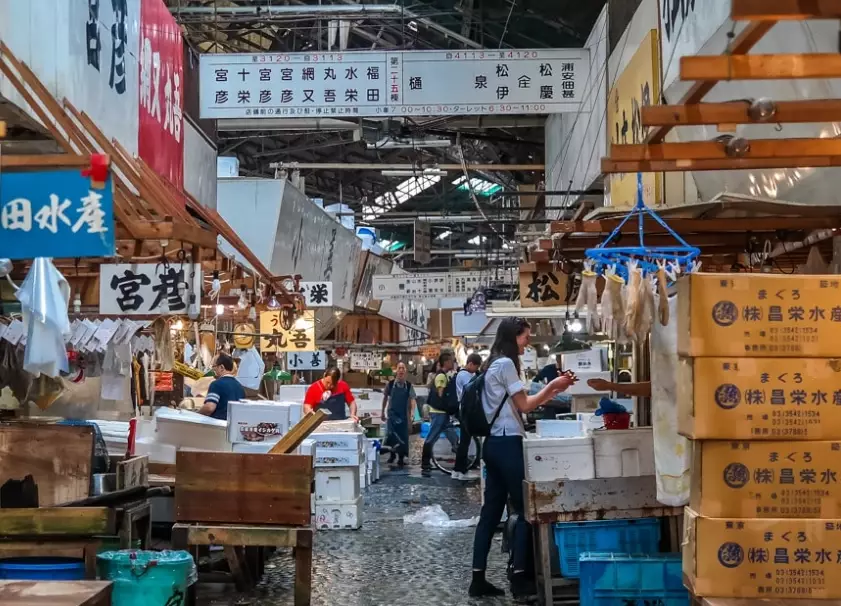
Tokyo Market FAQs: Your Questions, Answered
Which is the best famous market in Tokyo for first-time visitors?
For a first visit, the Tsukiji Outer Market is unbeatable. It's accessible, packed with iconic food stalls, and offers the quintessential 'old Tokyo' market vibe. You can easily spend half a day here sampling tuna skewers, tamagoyaki, and fresh oysters. It's less overwhelming than some other options but delivers a concentrated dose of market energy and flavor.
How can I efficiently visit both Tsukiji Outer Market and Toyosu Market in one day?
Start early at Toyosu Market (arrive by 9 AM) to see the wholesale area and have a late breakfast at one of the famous sushi restaurants on the 3rd floor. Then, take the Tokyo Water Bus from the Toyosu Pier to the Hinode Pier (a scenic 20-minute ride). From Hinode Pier, it's a short walk or one-stop train ride to Tsukiji. This lets you experience the new and the old seamlessly without backtracking across the city.
Is it still worth visiting Tsukiji after the inner market moved to Toyosu?
Absolutely. The move only affected the wholesale tuna auction and wholesale vendors. The Tsukiji Outer Market, which was always the destination for tourists and food lovers, remains exactly where it has always been. Hundreds of stalls, restaurants, and knife shops are still there, serving the same incredible food. In fact, it's often less chaotic now without the large trucks, making for a more pleasant stroll.
What is the best payment method at Tokyo's famous markets?
Carry plenty of Japanese Yen in cash, specifically in smaller denominations (1000 yen notes and coins). While some larger stalls in places like Ameya Yokocho may accept IC cards (Suica/Pasmo) or credit cards, the vast majority of small vendors, especially the best street food stalls in Tsukiji, are cash-only. ATMs can be sparse within the market alleys, so get cash beforehand at a convenience store or train station.


Share Your Thoughts