Quick Guide
Let's be honest. When you think of Japan, your mind probably jumps to neon-lit Tokyo streets, ancient temples in Kyoto, or maybe steaming bowls of ramen. The idea of visiting Japanese national parks? It might not be the first thing that pops up. I was the same. My first few trips were all about the cities. It wasn't until I stumbled into Nikko on a whim that I realized what I'd been missing. The sheer scale, the quiet, the feeling of being somewhere truly ancient—it completely changed my perspective on what travel in Japan could be.
Japan has 34 national parks. That's a lot of ground to cover, from the subarctic volcanoes of Hokkaido to the coral reefs of the southern islands. They're not just pretty postcard spots; they're the soul of the country, deeply woven into its culture and history. But planning a trip to them can feel daunting. The logistics are different from city hopping. The rules are different. Even the mindset you need is different.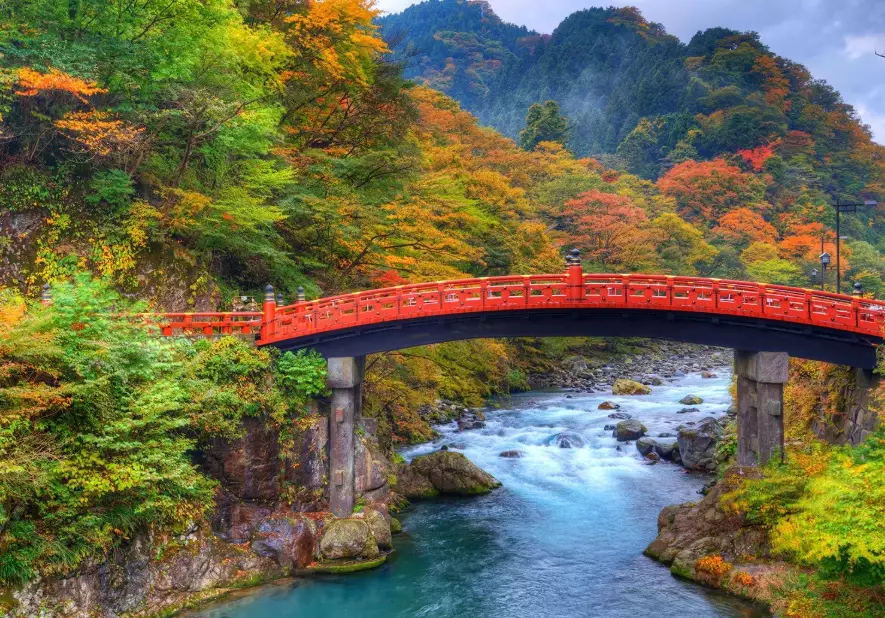
This guide is what I wish I'd had before my first park visit. We're going to cut through the clutter. No generic lists, no poetic fluff about "communing with nature." Just straight-up, practical advice on choosing where to go, how to get there, what to expect, and how to not be *that* tourist. Whether you're a hardcore hiker or someone who just wants a stunning view from a comfortable bus, there's a park here for you. Let's get into it.
Why Bother Visiting Japanese National Parks Anyway?
You're already spending time and money to be in Japan. Why add the complexity of getting out into the wild? I get it. I used to think parks were an optional extra. Now I see them as essential.
First, it's a crowd-beater. While thousands are jostling for a photo at Fushimi Inari, you could be having a pristine mountain trail or a serene lakeside almost to yourself, especially outside peak seasons. The sense of space is a luxury in Japan.
Second, the diversity is insane. In one trip, you could walk through moss-covered cedar forests that feel straight out of a fairy tale (Yakushima), stand on the rim of an active volcano watching sulphurous gases vent (Aso-Kuju), and then snorkel in warm, turquoise water surrounded by tropical fish (Keramashoto). You can't get that range of experiences anywhere else in such a compact area.
And third, it's a cultural experience in itself. Shinto, Japan's indigenous religion, is rooted in nature worship. Many mountains are considered sacred (like Fuji, obviously), and you'll find small shrines and torii gates in the most unexpected forest clearings. Visiting these parks isn't just a scenic tour; it's a glimpse into the spiritual backbone of the country.
But—and this is a big but—it's not always easy. Signage in English can be sparse once you're off the main tracks. Public transport schedules can be infrequent. The weather can turn on a dime. That's why planning is key, and why a generic "top 10" list won't cut it. You need to match the park to your travel style.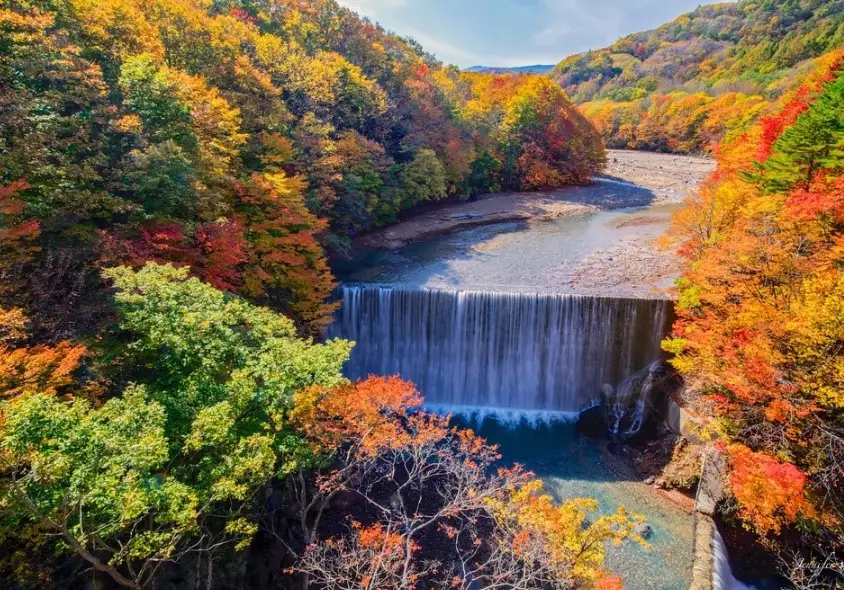
First Things First: Picking Your Park (Be Honest With Yourself)
This is the most important step. A mistake here can mean a frustrating trip. Don't just pick the most famous one. Ask yourself:
- What's your fitness level? Are you up for multi-day alpine treks, or do you prefer well-paved paths with a cafe at the end?
- What's your travel style? Are you a planner who books everything months ahead, or a go-with-the-flow type?
- What season are you going? This is huge. Hokkaido's parks are magical in autumn but can be inaccessible in early spring due to snow. The alpine flowers in central Honshu bloom in July, but that's also rainy season in some areas.
- How much time do you have? Some parks are perfect for a day trip from a major city (like Chichibu-Tama-Kai from Tokyo). Others, like Daisetsuzan or the Ogasawara Islands, demand a serious time commitment just to get there.
To make this easier, here's a breakdown of some top-tier parks, categorized by what they're best for. This isn't an exhaustive list, but it covers the heavy hitters and a few personal favorites.
| Park Name (Region) | Best For... | Access & Time Needed | One Thing to Know |
|---|---|---|---|
| Fuji-Hakone-Izu (Kanto) | First-timers, iconic views, hot springs, variety (lake, mountain, coast). | Easy day trip from Tokyo. 1-3 days ideal. | Views of Mt. Fuji are weather-dependent. Lake Kawaguchiko side is often clearer than Hakone. |
| Nikko (Kanto) | History & nature combo, stunning waterfalls (Kegon), autumn colors. | 2-hour train from Tokyo. 1-2 full days. | The UNESCO world heritage shrines are at the entrance. The real park beauty is further up the mountain road. |
| Daisetsuzan (Hokkaido) | Wilderness, serious hiking, escaping crowds, early autumn colors. | Fly to Asahikawa. Requires 3+ days minimum. | Weather is volatile. Trails are remote. Only for well-prepared, experienced hikers. |
| Aso-Kuju (Kyushu) | Otherworldly volcanic landscapes, active craters, vast grasslands. | Shinkansen to Kumamoto, then bus/train. 2 days. | The Nakadake crater's access is frequently closed due to gas levels. Always check the official Aso area page before you go. |
| Yakushima (Kyushu) | Mystical ancient forests (Jomon Sugi), moss-covered trails, unique ecosystem. | Flight/ferry from Kagoshima. 3 days minimum. | It RAINS. A lot. Think "vertical rainforest." Waterproof gear is non-negotiable. |
| Shiretoko (Hokkaido) | Wildlife (bears, eagles, deer), dramatic coastal cliffs, remote feel. | Fly to Memanbetsu or train to Shiretoko-Shari. 2-3 days. | Bear safety is paramount. Certain trails require mandatory guided walks in summer. |
| Keramashoto (Okinawa) | Snorkeling, diving, white-sand beaches, subtropical relaxation. | Flight to Naha, then ferry to the Kerama Islands. 2-4 days. | This is a marine park. The beauty is under the water. Bring your own snorkel if you can. |
See what I mean? Yakushima and Daisetsuzan are both incredible, but they cater to completely different travelers. Picking the right one makes all the difference.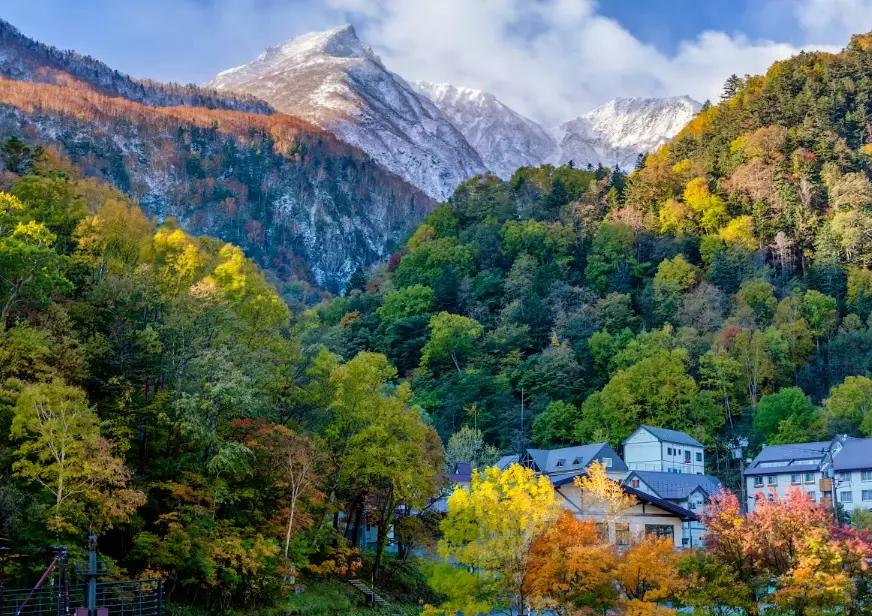
The Nitty-Gritty: Planning Your Visit Like a Pro
Okay, you've picked a park. Now for the logistics. This is where most guides get vague. Let's get specific.
Getting There & Around (The Transport Puzzle)
Public transport is your friend, but it has its limits. Major parks near cities (Nikko, Hakone, parts of Chubu-Sangaku) are well-served by trains and buses. For others, you'll rely on buses that might run only a few times a day.
My golden resource? The Japan National Tourism Organization (JNTO) website. It's a reliable starting point for general info. But for real-time bus and train schedules, you need hyper-local sources.
- Trains: The Japan Rail Pass can be great value if you're doing long-distance travel *and* your park is on a JR line (like to the trailhead for the Japan Alps). For most park access, local buses are key, and the Pass doesn't cover most of those.
- Buses: Google Maps is surprisingly good for intercity buses. For rural park routes, search for "[Park Name] bus timetable" in English and Japanese. Often the park's official website (more on that below) will have the most accurate PDFs.
- Rental Cars: This is a game-changer for parks in Hokkaido (Shiretoko, Daisetsuzan), Kyushu (Aso, Kirishima-Kinkowan), and Shikoku. The freedom is unparalleled. Just know that driving in Japan requires an International Driving Permit (IDP) obtained in your home country *before* you arrive. No exceptions.

Where to Stay: From Huts to Ryokans
Accommodation near or inside national parks falls into a few categories:
- Mountain Huts (山小屋 Yamagoya): For multi-day hikers. They provide dinner, a bunk, and breakfast. They are basic, crowded, and not private, but they are a lifesaver. Book well in advance for popular routes. Cash only.
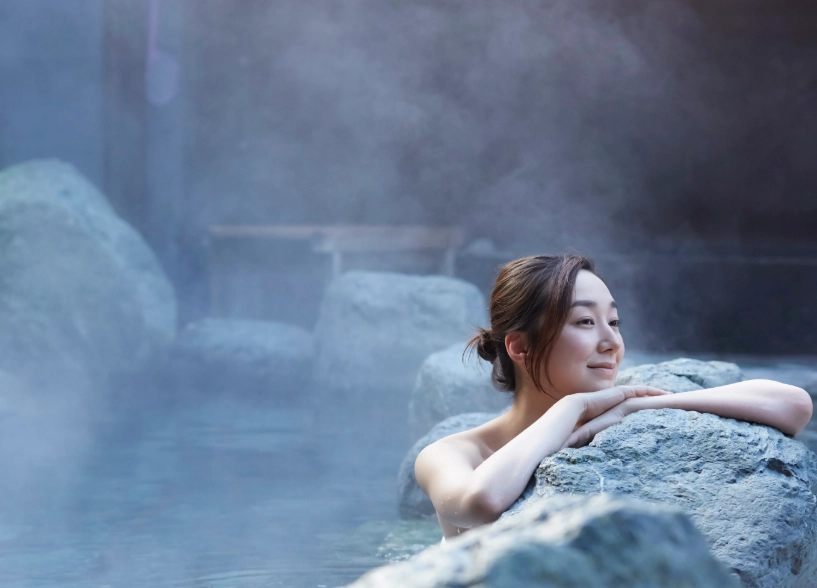
- Onsen Ryokans: Often found in park gateway towns like Hakone, Nikko, or around Aso. The perfect way to end an active day. Soaking in a hot spring while looking at a forest is a core memory waiting to happen.
- Guesthouses & Pensions: Common in areas like Yakushima or the Japan Alps. Usually family-run, more affordable than ryokans, and the owners often have fantastic local trail advice.
- Campsites: Designated campsites are available in many parks. They are usually well-maintained with basic facilities. Wild camping is generally prohibited and frowned upon. Always use the official sites.
Booking.com and Airbnb cover a lot, but for remote mountain huts and some smaller guesthouses, you may need to book directly via phone or a Japanese-only website. Sometimes the local tourist information center can help with this if you visit in person.
Permits, Fees, and Rules (Don't Skip This!)
Unlike some countries, Japan doesn't usually have a general entrance fee for its national parks. The cost is in the transport and activities. However, there are critical exceptions and rules.
- Specific Access Fees: You might pay to use a specific cable car, toll road (like the Shiretoko Pass), or to enter a particular hot spring area within the park.
- Climbing Permits: For Mt. Fuji during the official climbing season (July-early September), a mandatory 1000 yen donation/ fee is requested at the trailheads. It's for conservation.
- Wildlife Zones: In Shiretoko, some coastal areas are restricted during bear activity season, and guided tours are mandatory. This is for your safety and the bears' protection. Ignoring these rules is reckless.
The most important resource for this is the official park website managed by the Japanese Ministry of the Environment. These sites are packed with accurate, up-to-date info on trail closures, bear sightings, weather warnings, and facility status. The English versions can be a bit clunky, but they are authoritative. For example, for Shiretoko, you'd check the Ministry's Shiretoko page.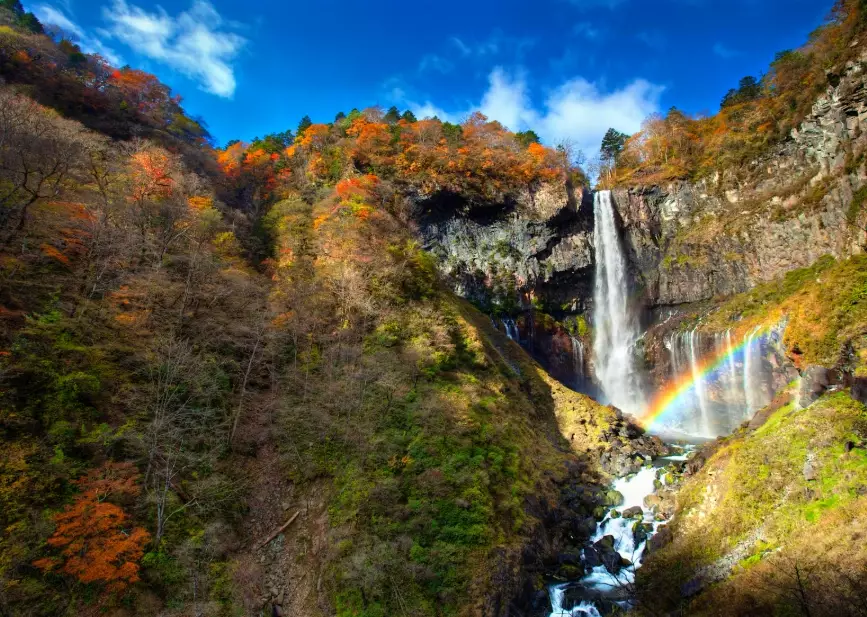
On the Ground: Etiquette and Staying Safe
This is the part that makes you a good guest, not just a tourist.
The Leave No Trace Principle, Japanese-Style
You will notice a distinct lack of public trash cans on trails. This isn't an oversight. The expectation is that you carry *all* your trash out with you. This includes food wrappers, tissues, everything. Bring a small plastic bag for this purpose.
Stay on designated trails. The undergrowth is often delicate, and going off-path damages the ecosystem. It can also be dangerous due to sudden drop-offs or unstable ground.
No feeding the wildlife. Ever. This is especially critical with deer (in places like Nara or Miyajima, which are near parks) and monkeys. Feeding them makes them aggressive and dependent on humans.
Weather and Gear: Be Prepared, Not Sorry
Mountain weather is unpredictable. A sunny morning can turn into a cold, rainy afternoon in an hour. My worst day hiking in Japan was in the Alps when I underestimated how cold the summit would be. I was miserably underdressed.
Essential gear, even for a day hike:
- Layered clothing (moisture-wicking base, insulating mid-layer, waterproof/windproof outer shell).
- Sturdy, broken-in footwear with good grip. Trail runners are okay for easy paths; proper hiking boots are needed for anything rocky or steep.
- Rain gear (jacket AND pants).
- Plenty of water and high-energy snacks. Vending machines are not found on mountain ridges.
- A physical map and/or a fully charged phone with offline maps downloaded. GPS can work without signal, but your map needs to be pre-loaded.
Bathroom Breaks and Onsen Know-How
Toilets at trailheads and major points are usually modern and clean. Deeper in the mountains, you'll encounter pit toilets. They are what they are. Always carry your own toilet paper and hand sanitizer, just in case.
If you're staying at a ryokan or using a day-trip onsen, remember the ritual: wash thoroughly at the shower station *before* you get into the shared bath. No soap in the bath. Small towels are for modesty or for wiping sweat, not for dipping in the water. Tattoos can still be an issue at some public onsens, though many are becoming more relaxed. Look for "tattoo friendly" stickers or ask discreetly.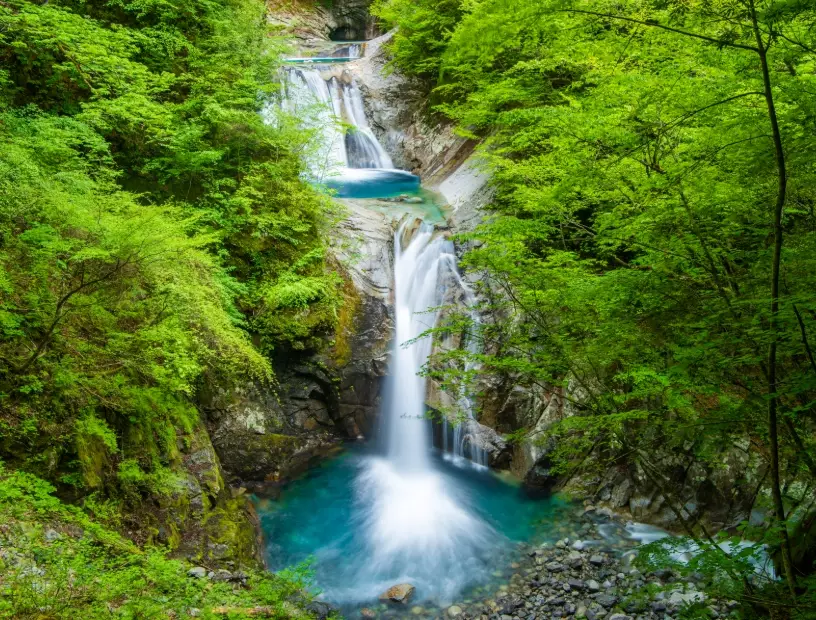
Answering Your Questions (The FAQ I Needed)
Yes, absolutely, but with planning. Parks like Nikko, Hakone, and parts of the Japan Alps (Kamikochi) are famously accessible by public transport. For others, you'll rely on infrequent but existing buses. The key is to base yourself in the main gateway town and plan your day around the bus schedule. It's less flexible but totally doable.
There is no single best time. It's a trade-off.
- Spring (April-May): Cherry blossoms at lower elevations, fresh greenery, fewer bugs. Alpine areas may still have snow.
- Summer (June-August): Lush and green, perfect for high-altitude hiking (alpine zones are snow-free). Also hot, humid, and rainy (typhoon season peaks Aug-Sept). Mosquitoes are fierce.
- Autumn (September-November): My personal favorite. Crowds thin, humidity drops, and the fall colors (koyo) are spectacular, moving from north to south. Hokkaido peaks in early October, Kyoto area in late November.
- Winter (December-March): For skiers and snowshoers. Many high mountain trails are closed. But seeing a snow-covered, silent landscape like Nikko or Hakone is magical.
Many are! The key is choosing the right activity. Easy, paved walks like the Shiratani Unsuikyo Ravine in Yakushima (the inspiration for Princess Mononoke) or the marshland boardwalks in Kushiro-shitsugen (a national park in Hokkaido) are great for kids. Ropeways and cable cars in Hakone or Tateyama Kurobe offer stunning views with minimal effort. Avoid long, strenuous hikes and always check if facilities like restrooms and food are available along your chosen route.
Not really for the basics. At train stations, major bus terminals, and information centers, you'll often find English signage and sometimes English-speaking staff. On trails and in remote villages, English will be minimal. Learning a few key phrases helps immensely: "Sumimasen" (Excuse me), "Arigatou gozaimasu" (Thank you), "Toire wa doko desu ka?" (Where is the toilet?). A translation app on your phone is a great backup. People are generally very helpful even if there's a language barrier.
Visiting Japanese national parks forced me to slow down. You can't rush a mountain trail because you'll miss the tiny orchid by the path. You can't control the weather that hides the view you came to see. Sometimes the bus is late. Sometimes the onsen is closed for cleaning.
The magic often happens in these unplanned moments—the local shop owner who offers you a sample of wild mountain vegetable pickles, the sudden clearing of fog that reveals a valley, the exhaustion and triumph of reaching a summit. It's a different rhythm from the cities, and that's the whole point.
Do your homework, pack your rain gear, and then be ready to let the park show you what it has to offer. It's an adventure that will stick with you long after the city memories start to blur together.
So, which park is calling to you? Start with the official resources, map out those bus times, and get ready for a side of Japan that most visitors never take the time to see. Happy trails.
Share Your Thoughts