Your Tokyo Journey at a Glance
- Day 1: Shinjuku & Harajuku – The Heart of Modern Tokyo
- Day 2: Shibuya, Daikanyama & a Taste of Tradition
- Day 3: Asakusa, Ueno & Akihabara – Old Tokyo & Otaku Culture
- Day 4: Tsukiji, Ginza, Roppongi & a City View
- Day 5: Your Choice Day & Departure Prep
- Essential Tokyo Travel FAQs
- Wrapping Up Your Perfect 5 Days in Tokyo
Let's be honest. Planning a trip to Tokyo can feel overwhelming. There's just too much. You've got ancient temples next to neon-lit skyscrapers, serene gardens a subway ride away from chaotic crosswalks, and more food options than you could try in a lifetime. How do you possibly fit it into a short trip? That's where this guide comes in. I've been to Tokyo more times than I can count, made all the mistakes (like trying to see Tsukiji and Akihabara in the same morning – don't), and refined this plan into what I think is the perfect balance. This Tokyo itinerary for 5 days is designed to give you a real taste of the city, not just a frantic checklist.
We'll mix the iconic spots with some local favorites, build in time to actually enjoy a bowl of ramen instead of just snapping a photo, and give you options based on your energy level. Because sometimes, after a long day of walking, you just want to find a great izakaya, not another temple.
Day 1: Shinjuku & Harajuku – The Heart of Modern Tokyo
Your first full day throws you right into the deep end, in the best way possible. Shinjuku is Tokyo's administrative and skyscraper heart, while neighboring Harajuku is the epicenter of youth culture and fashion. The contrast is half the fun.
Morning: Shinjuku Gyoen & Skyscraper Views
Start at Shinjuku Gyoen National Garden. It's a massive, stunning park with three distinct styles: a formal French garden, a traditional Japanese landscape, and an English landscape garden. It's the perfect, peaceful antidote to jet lag. Spend a good 90 minutes here just wandering. If you're visiting during cherry blossom season (sakura) in late March/early April, it's one of the top spots in the city, but be prepared for crowds. Honestly, even in autumn or with winter evergreens, it's beautiful.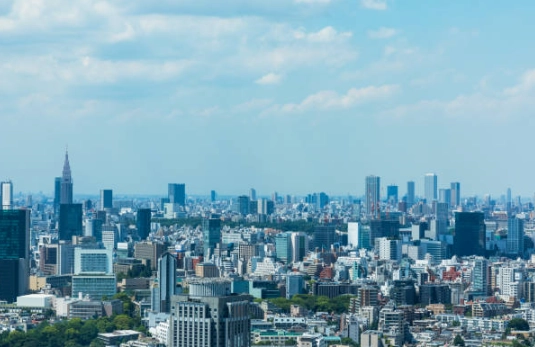
After the park, walk towards the skyscrapers of West Shinjuku. Your goal is the Tokyo Metropolitan Government Building. The best part? The observation decks on the 45th floor of both towers are completely free. The view is phenomenal, stretching all the way to Mount Fuji on a clear day. It's a much better value than some of the paid observatories, especially for your first panoramic view of the city.
Afternoon: Harajuku's Takeshita Street & Omotesando
Take the JR Yamanote Line one stop from Shinjuku to Harajuku. Emerge from the station and you'll immediately feel the energy shift. Takeshita Street is a narrow, pedestrian-only lane packed with crepe stands, quirky fashion stores, and teenagers in wild cosplay. It's sensory overload. Walk the length of it, maybe grab a giant rainbow cotton candy or a crepe stuffed with strawberries and cream (it's a rite of passage), but don't spend all afternoon here.
For a more refined experience, walk down Omotesando, often called Tokyo's Champs-Élysées. It's a beautiful, tree-lined avenue full of high-end architecture and designer boutiques. The backstreets here, like Cat Street, are great for finding unique, less-hyped fashion brands and cool cafes.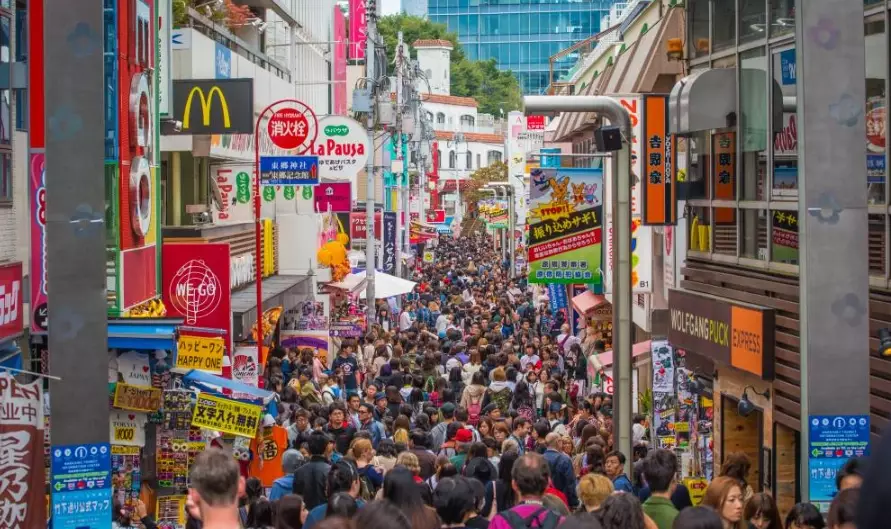
Evening: Back to Shinjuku for Food & Neon
Return to Shinjuku for the evening. The area around the East Exit is a maze of narrow alleys packed with tiny restaurants and bars. This is Omoide Yokocho ("Memory Lane") and Golden Gai. Omoide Yokocho is full of tiny yakitori (grilled chicken skewer) joints, each seating maybe 8 people. It's smoky, loud, and incredibly atmospheric. Golden Gai is a collection of even tinier bars, each with its own theme. Be respectful – some are for regulars only, but many welcome curious tourists. Just peek politely before entering.
Dinner option? Find a ramen shop in the underground labyrinths of Shinjuku Station (Ramen Koike is a fantastic, no-frills local favorite) or dive into a proper izakaya for small plates and beer.
Day 2: Shibuya, Daikanyama & a Taste of Tradition
Day two mixes the world's busiest crossing with pockets of quiet sophistication and a crucial cultural stop.
Morning: The Shibuya Scramble & Hachiko
Start at the Shibuya Crossing. Come out of Shibuya Station's Hachiko Exit, named for the famous loyal dog statue where everyone meets. Watch the scramble from ground level first – it's a spectacle of organized chaos. Then, for the best view, head to the second-floor Starbucks in the Tsutaya building (it's always busy) or, better yet, the free viewing gallery on the 2nd floor of the Shibuya Scramble Square building (the SHIBUYA SKY observatory is on the roof, but that's paid).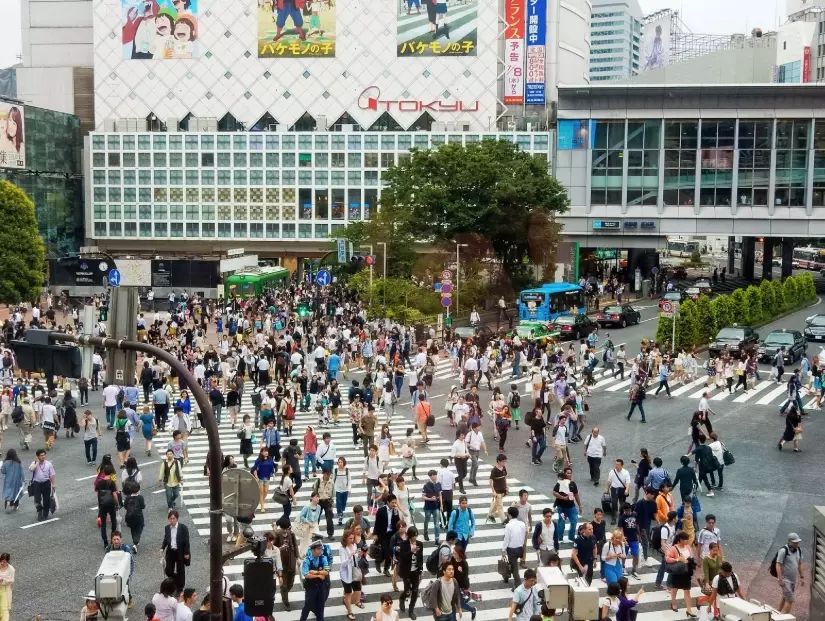
I find the crossing a bit overhyped after a few views, but you have to see it. The real magic of Shibuya is in its backstreets and department store food halls (depachika).
Afternoon: Meiji Jingu & Harajuku's Calm Side
Walk from Shibuya towards Harajuku (or take one train stop). Right next to Harajuku Station is the entrance to Meiji Jingu, a Shinto shrine dedicated to Emperor Meiji and Empress Shoken. You walk through a massive, quiet forest of over 100,000 trees – an incredible oasis in the middle of the city. The shrine itself is majestic and serene. This is where you'll see traditional Shinto rituals, maybe even a wedding if you're lucky. It's a world away from Takeshita Street just minutes before.
After the shrine, if you're up for more walking, head to the nearby Yoyogi Park. On weekends, it's full of musicians, dancers, and picnickers.
Late Afternoon & Evening: Daikanyama & Ebisu
From Shibuya, take the Tokyu Toyoko Line one stop to Daikanyama. This area is Tokyo's answer to Brooklyn – stylish, laid-back, and full of boutique shops, chic cafes, and beautiful bookstores like the famous Daikanyama T-Site (Tsutaya Books). It's perfect for a relaxed coffee and some people-watching.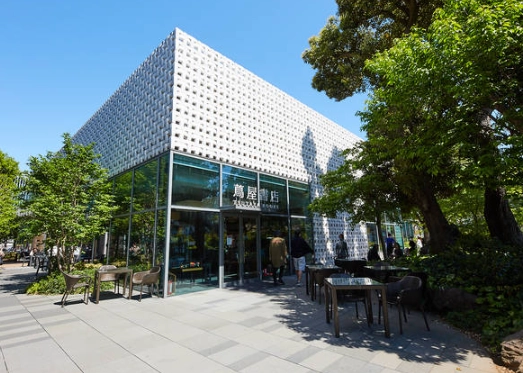
For dinner, walk to the neighboring area of Ebisu. It's less touristy, with a great local vibe. The Yebisu Garden Place complex is nice, but I prefer the smaller lanes around the station. Look for a tonkatsu (breaded pork cutlet) restaurant or a standing sushi bar for a quick, authentic meal.
Day 3: Asakusa, Ueno & Akihabara – Old Tokyo & Otaku Culture
Today we head east to the city's old shitamachi (downtown) district, then into the electric world of anime and gadgets.
Morning: Asakusa's Senso-ji
Take the Ginza Line to Asakusa. Walk down Nakamise-dori, the lively shopping street leading to Senso-ji, Tokyo's oldest and most significant Buddhist temple. The street is packed with stalls selling traditional snacks (try the fresh-baked melon-pan or ningyo-yaki sponge cakes) and souvenirs. The temple grounds are always bustling. Go through the Kaminarimon (Thunder Gate), purify your hands at the chozuya, and make your way to the main hall. It's touristy, yes, but it's the real deal and absolutely essential for any Tokyo itinerary for 5 days.
For a different perspective, walk a few minutes to the Asakusa Culture Tourist Information Center. The observation deck on its 8th floor is free and offers a fantastic, uncrowded view of the temple complex and the Tokyo Skytree.
Afternoon: Ueno Park & Museums
From Asakusa, it's a short train or even a pleasant walk along the Sumida River to Ueno. Ueno Park is huge and home to several major museums. You have to pick one or two unless you're a museum marathoner.
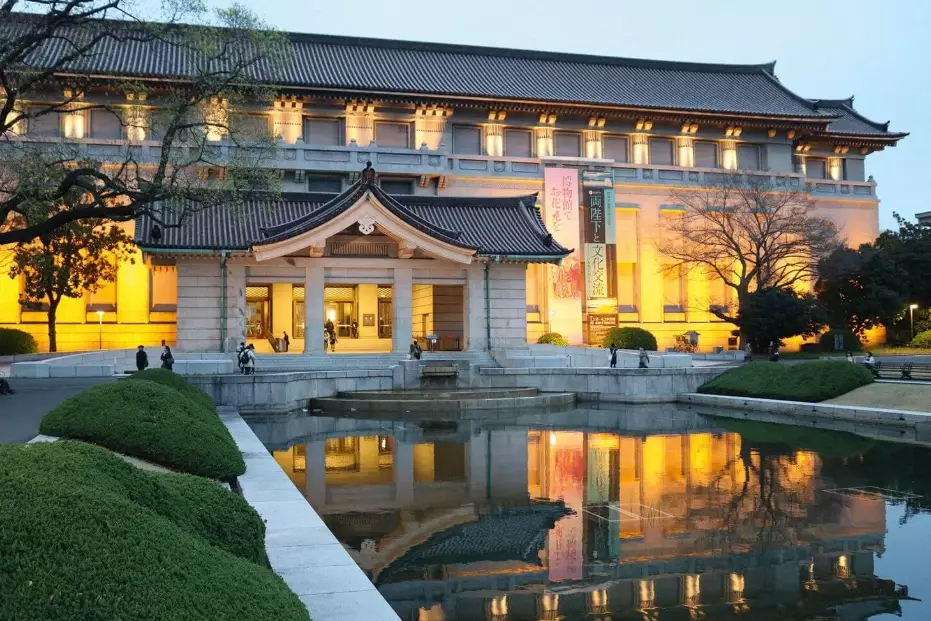
- Tokyo National Museum: The granddaddy of them all. If you only see one museum in Japan, make it this one. It houses the world's largest collection of Japanese art and artifacts. I spent half a day here and still didn't see everything. The official website has great English info.
- National Museum of Nature and Science: Fantastic if you're traveling with kids or love natural history.
- Ueno Zoo: Japan's oldest zoo, famous for its giant pandas.
The park itself is lovely, with a large pond (Shinobazu Pond) and, in spring, one of Tokyo's best cherry blossom spots.
Evening: Akihabara - Electric Town
As evening falls, take the train to Akihabara. The transformation is jarring. Neon signs, giant anime posters, and the buzz of electronics stores. This is the heart of otaku culture. Wander the main drag, Chuo Dori (closed to traffic on Sundays), and explore the multi-story arcades and manga shops like Mandarake. Check out a "maid cafe" if you're curious about the phenomenon (set expectations – it's quirky performance, not gourmet coffee). For dinner, Akihabara is full of casual eateries. You'll find great curry shops, ramen, and even themed restaurants.
It's loud, bright, and not for everyone. But even if anime isn't your thing, the sheer energy of the place is an experience. I usually spend an hour or two here before the sensory overload kicks in.
Day 4: Tsukiji, Ginza, Roppongi & a City View
A day of contrasts: the early morning market, high-end shopping, and sophisticated night views.
Early Morning: Tsukiji Outer Market
The inner wholesale market has moved to Toyosu, but the Tsukiji Outer Market is very much alive and is a food lover's paradise. Go hungry. The narrow lanes are crammed with stalls selling fresh seafood, tamagoyaki (sweet rolled omelets), grilled scallops, uni (sea urchin), and more. Have breakfast by hopping from stall to stall. Get there by 9 AM to beat the worst of the crowds. Sushi for breakfast? When in Tsukiji, absolutely. Some of the small sushi bars here, like Sushi Dai, have legendary queues, but there are plenty of other fantastic options with shorter lines.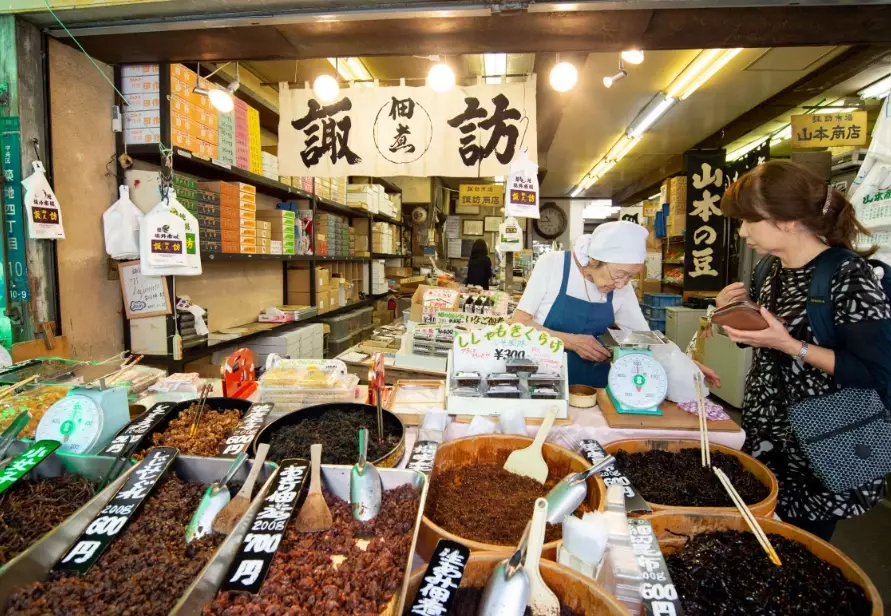
Late Morning: Ginza
From Tsukiji, walk to the Ginza district. This is luxury shopping at its finest – think Chanel, Gucci, and flagship department stores like Mitsukoshi and Wako. Even if window-shopping is the plan, it's impressive. Don't miss the Ginza Six complex for its stunning design and rooftop garden. For a unique experience, visit the Itoya stationery store – it's a multi-floor temple for pen and paper lovers.
Afternoon: Relax or Explore
This is a good time for a flexible afternoon. Options include:
- Hamarikyu Gardens: A beautiful, traditional landscape garden with a seawater pond that changes with the tides. It's right near Tsukiji and offers another moment of peace.
- Imperial Palace East Gardens: The inner grounds are generally closed, but the East Gardens are free to enter and offer a glimpse of the moats and old castle ruins.
- Or, simply take a break at your hotel. A five-day Tokyo itinerary can be tiring!
Evening: Roppongi Hills or Tokyo Tower
Head to Roppongi for the evening. The Roppongi Hills complex is a city within a city. Your destination is the Tokyo City View observatory in the Mori Tower. It's a paid entry, but it's worth it, especially if you go just before sunset. You get to see the city transform from day to night, with millions of lights switching on. The open-air Sky Deck (extra fee, weather permitting) is incredible. The view of Tokyo Tower from here is iconic.
Alternatively, go to Tokyo Tower itself. The main deck is good, but the newer Shibuya Sky or Tokyo Skytree offer more modern experiences. Tokyo Tower is a classic landmark, though, and looks beautiful lit up at night.
Dinner in Roppongi can range from upscale restaurants in the hills to more casual izakayas in the streets below the station.
Day 5: Your Choice Day & Departure Prep
For your last day, here are three solid options depending on your interests. You can't go wrong with any of them.
| Option | Best For | What You'll Do | Travel Time from Central Tokyo |
|---|---|---|---|
| Option A: TeamLab & Odaiba | Digital art, futuristic landscapes, family fun. | Visit the incredible, immersive teamLab Planets or teamLab Borderless (reopened in 2024). Then explore the futuristic Odaiba island: see the Gundam statue, Palette Town, and enjoy bay views. | ~30 mins |
| Option B: A Day Trip to Kamakura | Traditional Japan, a break from the metropolis. | Visit the Great Buddha (Daibutsu), explore multiple serene temples like Hase-dera and Hokoku-ji (the bamboo temple), and walk Komachi-dori shopping street. A perfect coastal, historical contrast. | ~60 mins |
| Option C: Dive Deeper into a Neighborhood | Shopping, niche interests, relaxed pace. | Revisit a favorite area (like Daikanyama/ Nakameguro for cafes, or Shimokitazawa for vintage shopping and indie vibe). Or explore Koenji for punk culture and second-hand stores, or Kagurazaka for a touch of old Tokyo with a French twist. | N/A |
My personal favorite for a first-timer's 5 day Tokyo itinerary is Option B, Kamakura. It shows you a completely different side of Japan and is incredibly refreshing. The Great Buddha is awe-inspiring. Just check the weather and train schedules on the JR East website.
If you have an evening flight, make sure to leave enough time to get back to your hotel, collect your luggage, and get to Narita or Haneda. Haneda is closer (30-50 mins via monorail or train), while Narita can take 60-90 minutes by the Narita Express (N'EX).
Essential Tokyo Travel FAQs
It's enough for a fantastic first visit that covers the major highlights. You'll get a profound sense of the city's diversity. Will you see everything? Of course not. Tokyo is endlessly deep. But a well-planned 5-day trip will leave you satisfied and eager to return, which is the best feeling.
Almost certainly no. The Japan Rail Pass is designed for long-distance Shinkansen travel between cities. For getting around Tokyo, your Suica/Pasmo IC card is all you need. It works on almost all trains, subways, and buses within the city. If you do a day trip to Kamakura on Day 5, you can use your Suica on the local JR trains there too.
For a first trip following this Tokyo itinerary 5 days, I recommend staying near a major Yamanote Line station for connectivity. My top picks:
- Shinjuku: Unbeatable transport hub, tons of dining/nightlife. Can feel overwhelming.
- Shibuya: Youthful energy, great shopping, central location. Very busy.
- Tokyo Station / Marunouchi: More business-like, but incredibly central for bullet trains and is surprisingly calm at night. Very convenient.
- Ueno: Great access to Asakusa, Akihabara, and museums. Slightly less polished, but has a real local feel and is often more affordable.
Excluding flights and accommodation, a comfortable mid-range budget is about 8,000-12,000 yen per person per day. This covers local transport, museum entries, and meals at a mix of casual and mid-range restaurants (ramen shops, izakaya, department store food halls). You can do it cheaper with convenience store meals (which are great!) or spend much more on fine dining.
Don't worry too much; people are forgiving of tourists. Key ones: don't eat while walking (it's frowned upon), be quiet on trains (no phone calls), line up orderly for trains and buses, and learn to say "arigatou gozaimasu" (thank you). Slurping noodles is totally fine! When visiting temples and shrines, follow the purification ritual and be respectful.
Wrapping Up Your Perfect 5 Days in Tokyo
So there you have it. A Tokyo itinerary for 5 days that moves you through the city's layers – from serene shrines to electric town, from street food stalls to sky-high observatories. The pace is brisk but manageable, with built-in flexibility. Remember, this is a template. Swap out an afternoon if you're exhausted. Skip Akihabara if it doesn't appeal and spend more time in Ueno's museums. The beauty of Tokyo is that there's no single "right" way to see it.
The most important tip I can give you? Leave space for getting lost. Some of my best memories are from wandering down a random side street in Shimokitazawa, finding a tiny bar in a non-touristy neighborhood, or simply sitting in a park watching life go by. Use this 5-day Tokyo itinerary as your backbone, then let the city surprise you. You're going to have an amazing time.
Safe travels, or as they say in Japan, yoi tabi o!

Share Your Thoughts