In This Guide
- Why Japan is Uniquely Poised for the Sustainable Traveler
- The Pillars of Your Sustainable Japan Trip: A Practical Framework
- Your Sustainable Travel Japan Toolkit: The Essential How-To List
- Tackling the Tricky Questions: Your Sustainable Travel Japan FAQ
- Beyond the Basics: For the Truly Committed Traveler
- The Realistic Bottom Line
Let's be honest. The term "sustainable travel" gets thrown around a lot. It can feel like just another marketing buzzword, especially when you're trying to plan a trip to a place as complex and incredible as Japan. You want to do the right thing, but where do you even start? Is it just about recycling and skipping the hotel towels?
Not quite. When it comes to sustainable travel in Japan, it's a deeper conversation. It's about understanding the delicate balance between a hyper-modern society and ancient traditions that have respected nature for centuries. It's about choices that go beyond the obvious.
I remember my first trip to Kyoto, overwhelmed by the crowds at Kinkaku-ji. It felt like the opposite of a peaceful, respectful experience. That's when I started looking for another way. This guide isn't about preaching perfection; it's about sharing the practical, sometimes messy, reality of making better choices while exploring Japan. We'll ditch the vague ideals and get into the nitty-gritty of trains, food, stays, and those hidden moments that make sustainable travel Japan not just a concept, but a genuinely richer way to experience the country.
Why Japan is Uniquely Poised for the Sustainable Traveler
Japan is a paradox. It's a country of breathtaking natural beauty—from the snowy peaks of Hokkaido to the subtropical reefs of Okinawa—wrapped in a layer of high-tech, convenience-obsessed cities. This contrast is actually your biggest opportunity.
The foundation for eco friendly Japan travel is already there, rooted in concepts like "mottainai" (a sense of regret concerning waste) and "satoyama" (the border zone between mountain foothills and arable flat land). You see it in the meticulous sorting of trash, the pride in local crafts, and the deep-seated Shinto belief that spirits reside in natural elements. The infrastructure for green travel, especially public transport, is arguably the best in the world. Your job as a traveler is to tap into these existing systems and mindsets.
But it's not all perfect. The reliance on plastic packaging is real, and overtourism is choking some iconic spots. Acknowledging these challenges is part of the honest conversation about sustainable travel Japan.
The Pillars of Your Sustainable Japan Trip: A Practical Framework
Forget rigid rules. Think of your trip as built on a few key pillars. Get these right, and you're 90% of the way there.
Pillar 1: Getting Around – The Rail Network is Your Green Superpower
This is the easiest and most impactful win. Japan's railways are a masterpiece of efficiency. Choosing trains over planes or rental cars slashes your carbon footprint dramatically. The Japan Rail Pass is a famous option, but do the math for your itinerary. Sometimes regional passes or just paying for individual Shinkansen tickets can be cheaper and more flexible.
Beyond the Shinkansen, don't sleep on local trains, trams, and buses. They're slower, but they connect you to the rhythm of local life in a way the bullet train never can. For city travel, rent a bike. Cities like Kyoto, with its grid layout, or flat-as-a-pancake Sapporo, are perfect for cycling. Many train stations have cycle rental shops.
| Transport Mode | Sustainability Score | Best For | Pro Tip / Watchout |
|---|---|---|---|
| Shinkansen & National Rail | Excellent | Long distances between cities, cross-country travel. | Compare JR Pass vs. regional passes vs. point tickets. Book non-reserved seats to avoid paper waste from reserved tickets. |
| Local Trains & Trams | Excellent | Regional exploration, connecting to rural areas. | Embrace the slowness. Bring a book, enjoy the views. The "Norokko" slow trains are experiences in themselves. |
| City Cycling | Outstanding | Urban exploration, short distances. | Use apps like "Hello Cycling" for pickup/drop-off rentals. Be mindful of complex traffic rules in mega-cities like Tokyo. |
| Inter-city Buses | Good | Budget travel on specific routes (e.g., Tokyo-Kyoto). | Carbon footprint per passenger is low, but journey times are long. Good for overnight trips to save a hotel night. |
| Domestic Flights | Poor | Only for extreme distances (e.g., Tokyo to Okinawa). | If you must fly, consider airlines investing in SAF (Sustainable Aviation Fuel) and opt for direct flights. |
| Rental Car | Fair to Poor | Remote, rural areas with poor public transit (e.g., parts of Hokkaido, Shikoku). | If needed, rent a hybrid or small kei car. Avoid for city-to-city travel where trains exist. |
Pillar 2: Where to Stay – From Ryokans to Modern Eco-Hotels
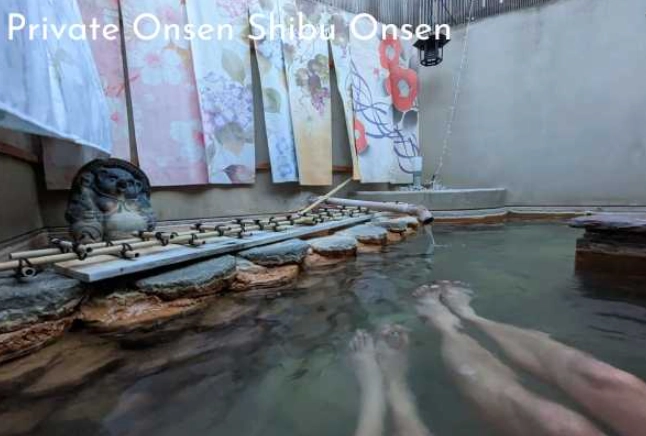
Accommodation is where you can directly support sustainable practices. The classic Japanese ryokan is often a green tourism Japan champion by default: they use local, seasonal food (kaiseki cuisine), often have onsens heated by geothermal springs, and are built with natural materials like wood and tatami. Staying in one is a cultural and environmental immersion.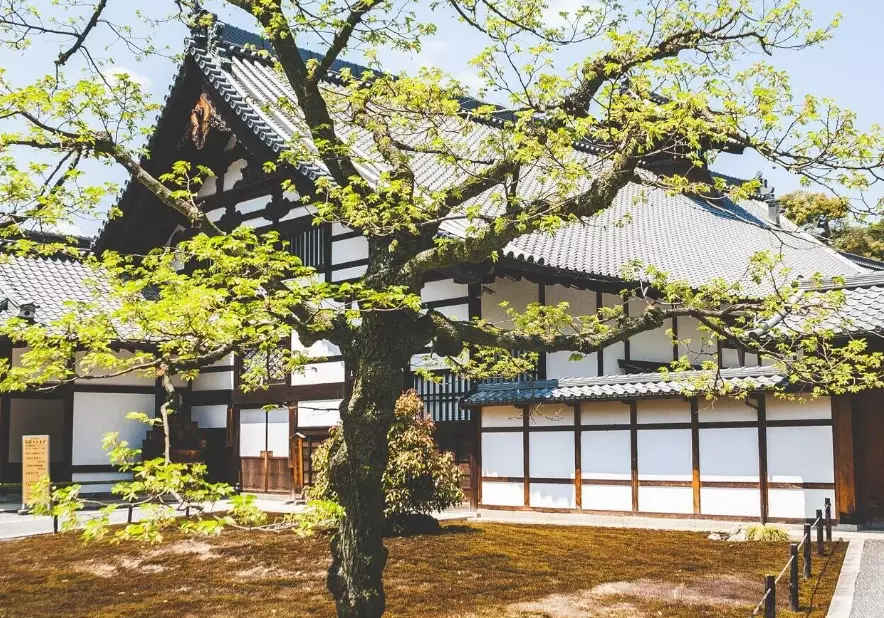
Now, a new wave of certified eco-hotels is emerging. Look for properties with recognized certifications or clear sustainability policies on their websites. Do they have solar panels? Do they source locally? Do they have a proper waste reduction and water-saving program?
For a more community-focused approach, consider a minshuku (family-run guesthouse) in a rural area or a temple stay (shukubo). Your money goes directly to local households or religious institutions, helping to sustain populations in areas facing depopulation.
Pillar 3: Eating & Drinking – The Heart of Low-Impact Travel
Japanese food culture is a dream for the sustainable traveler, if you know where to look. The principle of "shun" (seasonality) means chefs design menus around what's fresh and local. Your first mission: eat what's in season. It tastes better and hasn't been shipped across the planet.
Support small, independent restaurants over large chains. Wander down backstreets and look for places packed with locals. Izakayas (Japanese pubs) often source from nearby markets. Be adventurous with plant-based options. While traditional Japanese cuisine uses dashi (fish stock), more restaurants are offering authentic shojin ryori (Buddhist temple cuisine), which is vegan and exquisite. Cities like Tokyo and Kyoto now have fantastic vegan ramen spots and cafes.
Now, the plastic issue. Convenience stores (konbini) are a lifesaver, but they are wrapped in plastic. You can't avoid it completely, but you can minimize. Say no to the extra plastic bag ("fukuro wa irimasen"). Carry your own reusable chopsticks, a cloth napkin, and a water bottle. Fill up at the many public water fountains or ask for a refill at a cafe.
Pillar 4: Activities & Sightseeing – Seeking Depth in a Crowded World
Overtourism is a real threat to the very places we love. Sustainable travel Japan means making conscious choices to alleviate pressure.
- Go Early or Go Late: Visit major sites right at opening or near closing. The light is often better, and the crowds are thinner.
- Seek the "Second City" Magic: Instead of just Tokyo-Kyoto-Osaka, build in time for places like Kanazawa, Takayama, Matsuyama, or Sendai. They offer incredible history, food, and culture with a fraction of the visitors.
- Choose Guided Experiences Wisely: Look for tours led by local guides who are passionate about their community's heritage and environment. The Japan National Tourism Organization lists licensed guides who can offer deep, respectful insights.
- Support Conservation Directly: Participate in a beach clean-up in Okinawa (organizations like Oceanic Wilderness sometimes host these), or visit a satoyama forest being managed by a local NGO. Your tourist yen becomes a conservation dollar.

Your Sustainable Travel Japan Toolkit: The Essential How-To List
Let's get hyper-practical. Here's your actionable checklist.
Before You Go
- Pack Light: A lighter suitcase means less fuel burned in transport. Pack versatile, quick-dry clothing.
- Digital Over Paper: Download your tickets, reservations, and guidebooks to your phone. Get a digital Suica/Pasmo card in your Apple Wallet or Google Pay.
- Learn Key Phrases: "Kore wa, saishō no fukuro de ii desu ka?" (Can I have this in the smallest bag possible?). Even attempting Japanese is a sign of respect.
- Research & Book Direct: Where possible, book accommodations and tours directly with the provider, cutting out commission-heavy platforms that take a big cut from small operators.
On the Ground
- Your Green Kit: Always carry a reusable foldable bag, a water bottle, a handkerchief (tenugui), and reusable chopsticks.
- Trash is Your Responsibility: Public trash cans are rare. Be prepared to carry your waste (sorted) back to your accommodation. It's a revealing lesson in how much you generate.
- Respect the Rules: Follow onsen etiquette, temple silence rules, and trail guidelines. This protects the experience for everyone and the site itself.
- Buy Thoughtful Souvenirs: Skip mass-produced trinkets. Buy local crafts (like Echizen pottery, Kaga yuzen silk), regional food specialties (like Yame tea, Shinshu miso), or donate to a local preservation society instead.
Tackling the Tricky Questions: Your Sustainable Travel Japan FAQ
I get asked these all the time. Here's my straight-take.

Beyond the Basics: For the Truly Committed Traveler
If you want to go further, here are some powerful ideas.
Volunteer Tourism (Voluntourism): Do this with extreme caution. Short-term, unskilled volunteering can do more harm than good. If you have specific skills (e.g., forestry, translation) and time, look for reputable NGOs working on long-term recovery projects (like in Tohoku) or conservation. Organizations like WWOOF Japan connect you with organic farms for a cultural/work exchange—this is a structured, longer-term way to contribute.
Staying in a Depopulated Area (Chiiki Okoshi): Some rural towns offer very cheap or even free accommodation in traditional houses (akiya) to attract visitors and potentially new residents. Your simple presence, spending money in local shops, and engaging with the community can be a form of support. It's a raw, real look at contemporary Japan.
Supporting Indigenous Ainu Culture in Hokkaido: Sustainable travel is also about cultural sustainability. In Hokkaido, seek out experiences that respectfully promote and sustain Ainu culture, such as visiting the Upopoy National Ainu Museum and Park, or purchasing crafts directly from Ainu artisans. This helps ensure this unique heritage is valued and continued.
The Realistic Bottom Line
You will not have a zero-waste, zero-impact trip to Japan. That's okay. The goal of sustainable travel Japan isn't purity; it's consciousness. It's about making better choices where you can, learning as you go, and understanding that your travel has consequences—both positive and negative.
Every time you take a train instead of a plane, eat at a family-run soba shop, buy a ceramic cup from a local kiln, or simply sit quietly in a lesser-known garden, you're voting for a different kind of tourism. You're getting a more authentic, more meaningful experience in return. The Japan that reveals itself to the slow, respectful traveler is infinitely more rewarding than the one seen from a crowded tour bus.
So plan with intention, travel with respect, and don't stress about being perfect. Just be present, and make the better choice when it's in front of you. That's what sustainable travel is really about.
Japan is waiting. And honestly, it could use more travelers who care. Go have an amazing, thoughtful adventure.


Share Your Thoughts