Your Journey Map
- So, What Exactly IS the Japan Rail Pass (aka JR Pass)?
- The Heart of the Matter: Types, Prices, and What You Actually Get
- How to Use the Pass: The Step-by-Step Reality
- The Real Differences: Official Pass vs. Third-Party Sellers & Regional Alternatives
- Your Burning Questions, Answered (The FAQ)
- Making Your Decision: A Simple Checklist
Look, I get it. You're planning a trip to Japan, you've heard about this magical train ticket that lets you zip around the country on the famous bullet trains, and suddenly you're drowning in search results for "JR Pass" and "Japan Rail Pass." Are they different? Is one a scam? Which one should you buy? Your head is spinning, and the clock is ticking on your itinerary planning.
Let's clear this up right away. The short, no-nonsense answer is this: There is no practical difference between a JR Pass and a Japan Rail Pass. They are two names for the exact same product. "JR Pass" is simply the common, shortened nickname for the official "Japan Rail Pass." Think of it like Coke and Coca-Cola. Same drink, different way of saying it.
But here's where the real confusion—and your real questions—begin. Because while the name refers to one thing, the world of buying and using it isn't so simple. You might see different websites offering it at different prices. You'll hear stories from other travelers that don't match up. You'll wonder if the pass is even worth it for your specific trip. That's what we're really going to dig into today. This isn't just about defining terms; it's about giving you the complete, unvarnished picture so you can make the best decision for your Japanese adventure.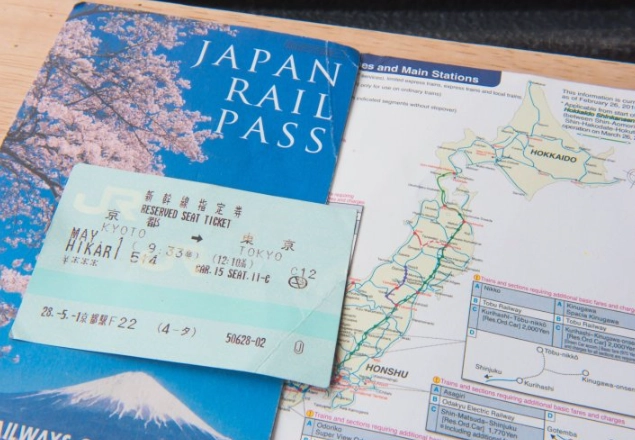
So, What Exactly IS the Japan Rail Pass (aka JR Pass)?
Fundamentally, the Japan Rail Pass is a special discount ticket sold exclusively to foreign visitors on a "temporary visitor" visa. It's a collaboration between the six companies of the Japan Railways (JR) Group. The core offer is straightforward: for a fixed, upfront price, you get unlimited travel on most JR trains across Japan for a consecutive period of 7, 14, or 21 days. This includes the legendary Shinkansen (bullet trains), with a few notable exceptions on the very fastest trains like the Nozomi and Mizuho.
The value proposition is massive if your travel plans are spread out. A single round-trip Shinkansen ticket between Tokyo and Kyoto can cost around ¥27,000. A 7-day Ordinary Japan Rail Pass costs about ¥50,000. If your itinerary is Tokyo -> Kyoto -> Hiroshima -> Tokyo, you've already smashed past the break-even point and are riding "for free" on everything else.
But—and this is a big but—it's not a golden ticket for everyone. If you're only visiting one city like Tokyo or Osaka, a local IC card (like Suica or Pasmo) or regional passes will be far more cost-effective. Understanding this is the first step to avoiding the classic tourist mistake of buying a pass you don't need.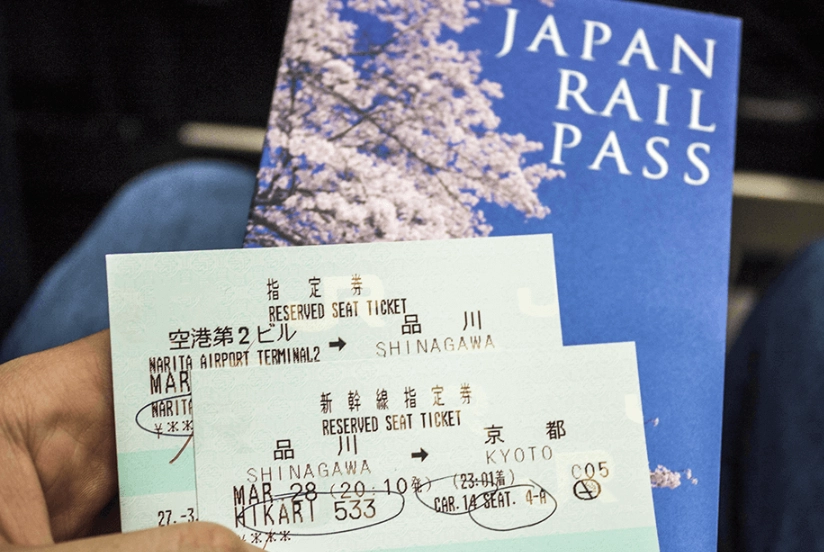
The Heart of the Matter: Types, Prices, and What You Actually Get
When people search for "what is the difference between JR Pass and Japan Rail Pass," they often bump into the different types of the pass itself. This is where the details matter.
Two Main Ticket Classes: Ordinary vs Green Car
The Japan Rail Pass comes in two flavors, and choosing between them is a key decision.
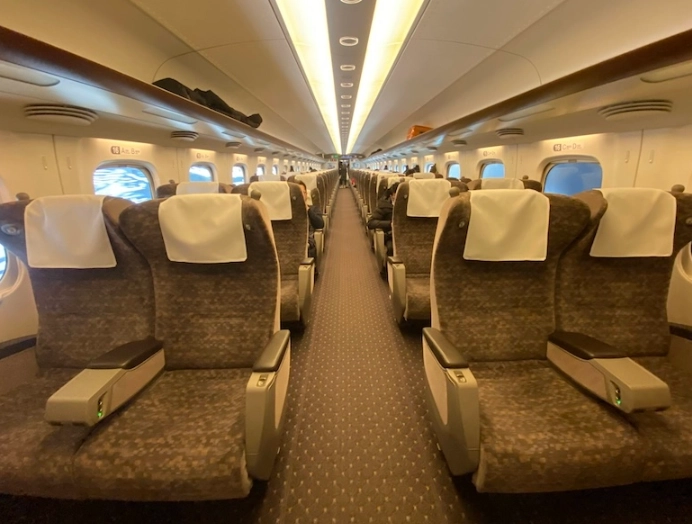
Standard Class (Ordinary Car): This is the default and what most people buy. The seats are perfectly comfortable—clean, with ample legroom by most standards, and often arranged 2x2. On Shinkansen, you get a reclining seat, a fold-down table, and power outlets. It's comparable to premium economy on a good airline. For 90% of travelers, this is all you need. I've traveled thousands of kilometers in Ordinary class and never felt I was missing out.
Green Car (First Class): This is the premium option. Seats are wider (often 2x1 configuration), have more recline, are upholstered in higher-quality materials, and come with extras like complimentary wet towels (oshibori) and sometimes a drink service. The car itself is quieter and less crowded. Is it worth the roughly 30-50% price premium? Personally, I only recommend it if you are traveling during a peak holiday period (like Golden Week or Obon) when trains are packed, you value maximum space and quiet, or your travel style is simply more luxurious. For a typical tourist rushing from sight to sight, the extra cost is hard to justify.
Duration and the Stark Reality of Price Increases
Here's a concrete look at the options. The prices listed are for the official exchange order purchased outside of Japan. Prices skyrocketed in October 2023, which changed the math for many travelers.
| Pass Type | 7-Day Pass | 14-Day Pass | 21-Day Pass |
|---|---|---|---|
| Ordinary (Adult) | ¥50,000 | ¥80,000 | ¥100,000 |
| Green Car (Adult) | ¥70,000 | ¥110,000 | ¥140,000 |
| Ordinary (Child 6-11) | ¥25,000 | ¥40,000 | ¥50,000 |
See the pattern? The 14-day pass isn't double the 7-day; it's a slightly better deal per day. The 21-day pass offers an even better daily rate. This pricing structure encourages longer, more extensive travel.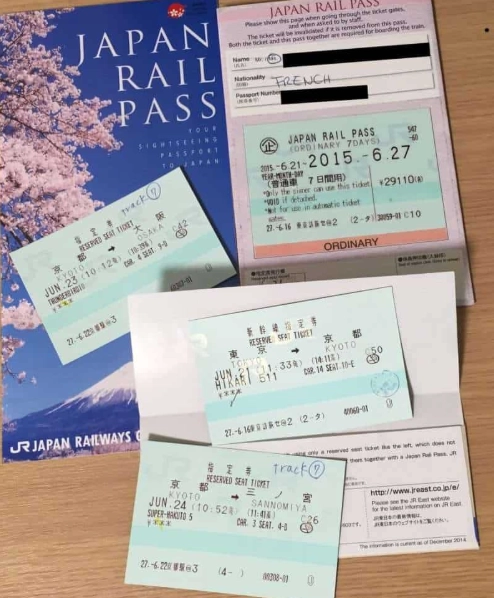
The price hike in 2023 was a game-changer. Suddenly, a lot of shorter itineraries that used to be a slam-dunk for the pass no longer made financial sense. It forced travelers to be much more meticulous with their planning. Now, using a fare calculator like the one on Jorudan or the official JR websites is not just a good idea—it's essential.
How to Use the Pass: The Step-by-Step Reality
Understanding the mechanics saves you a huge headache at the station.
First, you don't just flash a PDF at the gate. After you arrive in Japan, you take your Exchange Order and your passport to a JR Travel Service Center (found at major airports like Narita, Haneda, Kansai, and at big stations like Tokyo, Shinjuku, Osaka). They check your passport for the "Temporary Visitor" stamp, then issue you the physical pass—a small paper ticket with a magnetic strip.
You then write your name on it. Do not lose this. It is not easily replaceable.
For local JR trains and many rapid services, you simply go to the manned gate, show your pass to the attendant, and walk through. For Shinkansen travel, you have two options:
- Non-Reserved Seat: You can hop on any Shinkansen (except Nozomi/Mizuho) and sit in any car marked with a "非指定席" (Non-Reserved) sign. This is great for flexibility, but during busy times you might stand.
- Reserved Seat: This is the way to go for peace of mind. Go to a JR ticket office (Midori-no-madoguchi) or a touch-screen ticket machine. Insert your pass, select your train, time, and seat (window or aisle). The machine will print a separate reserved seat ticket for free. You then use BOTH this seat ticket and your pass at the gate.
My own ritual: I always reserve my first long-distance Shinkansen seat when I activate my pass at the airport. For the rest of the trip, I reserve seats a few hours or a day in advance at the station. I've never been shut out of a train I needed.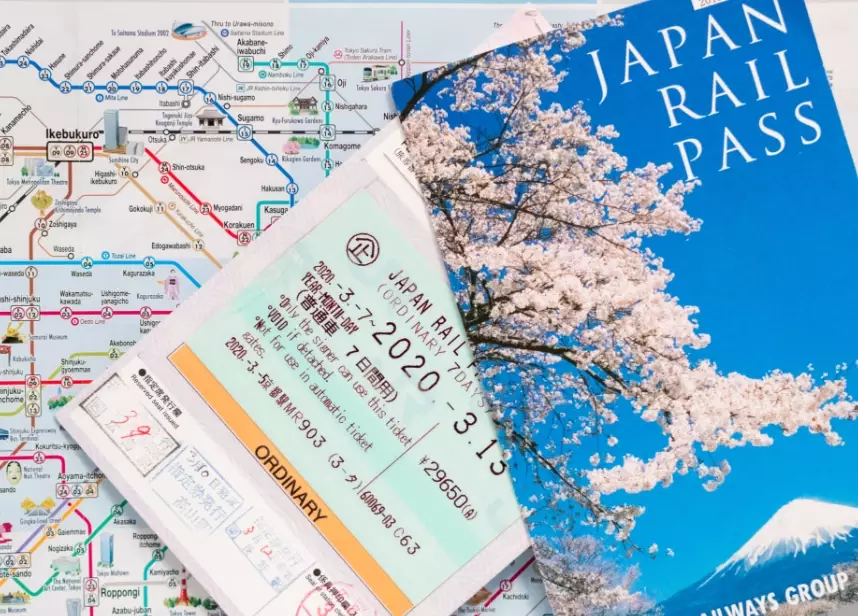
The Real Differences: Official Pass vs. Third-Party Sellers & Regional Alternatives
Ah, now we're getting to the meat of what people are actually asking when they wonder about the difference between JR Pass and Japan Rail Pass. The confusion often stems from the marketplace, not the product.
The One Official Pass, Many Sellers
There is only one official Japan Rail Pass, managed by the JR Group. However, they authorize many third-party travel agencies around the world to sell the Exchange Order vouchers. This is where price variations appear. The face value of the pass is fixed in Yen (see the table above). But agencies buy in bulk and sell to you in your local currency. Depending on their exchange rate, fees, and promotions, their final price to you can vary.
So, you might see "JR Pass" on Site A for $340 and "Japan Rail Pass" on Site B for $350. They are both selling the identical product. The difference is their markup and the current USD/JPY rate they're using. Always shop around among reputable authorized sellers.
JR Pass vs. Regional JR Passes: This is Crucial
This is a major area of potential savings that many travelers overlook. The JR Group also offers cheaper, regional passes. If your travel is concentrated in one area, these can be a far better deal than the nationwide pass.
- JR East Pass (Tohoku area): Covers Tokyo, Nikko, Sendai, up to Aomori.
- JR West Kansai Area Pass: For travel around Kyoto, Osaka, Nara, Kobe.
- JR Kyushu Rail Pass: For exploring the island of Kyushu.
- JR Hokkaido Rail Pass: For the vast northern island.
These regional passes are often available for consecutive days or flexible days within a longer period. They are also, in many cases, purchasable inside Japan. Before automatically buying the nationwide pass, map your itinerary and check if a regional pass covers it. The official Japan Rail Pass website has links to all the regional pass sites for comparison.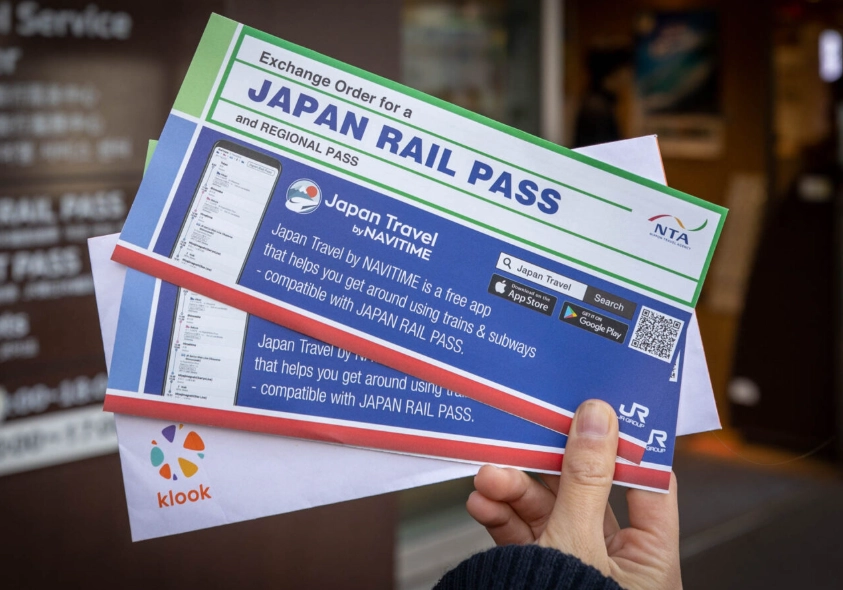
Your Burning Questions, Answered (The FAQ)
No. The pass is only for JR Group trains. In Tokyo, this means you can use the JR Yamanote Line (the iconic green loop line that circles the city), the JR Chuo Line, and others. But the dense Tokyo Metro and Toei Subway networks are separate, privately-run systems. You'll need a Suica card or buy separate tickets for those. In Osaka, the JR Loop Line is useful, but again, the Metro is separate.
What about the Narita Express (N'EX) or Haruka Airport Express?Yes! This is a huge perk. Your Japan Rail Pass covers the Narita Express from Narita Airport to Tokyo Station/Shinjuku/etc., and the Haruka Express from Kansai Airport to Kyoto and Osaka. These are expensive tickets on their own, so using your pass here immediately adds value.
Is the JR Pass worth it after the 2023 price increase?It depends more than ever on your itinerary. For the classic "Golden Route" (Tokyo-Kyoto-Hiroshima round-trip), the 7-day pass is still a solid value. For shorter trips or trips focused on a single region, it's often not. You must calculate. The break-even point is now higher.
Can I use it on all Shinkansen?Almost all. You cannot use it on the Nozomi and Mizuho trains, which are the very fastest on the Tokaido and Sanyo lines. You must use the slightly slower (but still incredibly fast) Hikari, Sakura, or Kodama trains. The difference in travel time between a Nozomi and a Hikari from Tokyo to Kyoto is about 20-30 minutes. It's a minor inconvenience for the savings.
What happens if I lose my activated pass?This is bad news. It is generally not replaceable. The terms and conditions are very clear on this. Treat it like cash. Keep it in a secure, designated spot in your wallet or bag. This is one reason I always reserve seats—if I lose the pass, at least I have the separate seat ticket as a record of my purchase details, which might help at a customer service desk (but no guarantees).
Making Your Decision: A Simple Checklist
Stop searching for a difference between JR Pass and Japan Rail Pass. Start asking these questions instead:
- Map It: Write down every long-distance train trip you plan to take between cities. Use a fare calculator to get the full-price cost for each leg.
- Add It Up: Total the full-price cost of all those legs.
- Compare: Stack that total against the price of the 7, 14, or 21-day Ordinary Pass. Does your total exceed the pass price? If yes, the pass is financially worthwhile. If it's close, the convenience factor might tip the scales. If it's less, the pass is not for this trip.
- Check Regionals: Does your travel fall neatly into one area (e.g., only Kansai)? If so, price out the relevant regional JR pass.
- Consider Convenience: Even if you only break even, the ability to hop on any JR train without buying tickets, make last-minute changes, and take spontaneous side trips has a real value that's hard to quantify.
The Japan Rail Pass (call it JR Pass if you want, everyone does) is a fantastic tool. It opened up Japan for generations of travelers. But it's not a mandatory tourist tax. It's a strategic purchase. With the higher prices post-2023, being strategic is more important than ever.
Do the math. Be honest about your travel style. And then, whether you buy the pass or not, you'll board your first Shinkansen with confidence, knowing you made the right choice for your own journey.



Share Your Thoughts