Yes, 14 days is enough for a fantastic trip to Japan—if you plan it right. I’ve visited Japan multiple times, and from my experience, two weeks lets you hit the major highlights without burning out. But you need to be strategic. This guide dives into a detailed itinerary, practical tips, and insider advice to make your 14-day Japan adventure unforgettable.
Your Japan Trip Roadmap
Why 14 Days is the Sweet Spot for Japan Travel
Let’s cut to the chase. Fourteen days gives you enough time to explore Japan’s diversity—modern cities, ancient temples, and scenic countryside—without feeling like you’re on a marathon. Many first-timers try to cram too much into 10 days and end up exhausted. I made that mistake once, rushing from Tokyo to Kyoto and missing the local vibes. With 14 days, you can balance sightseeing with relaxation. According to the Japan National Tourism Organization, the average tourist spends about 10-14 days in Japan, which aligns with popular itineraries. You’ll cover the Golden Route (Tokyo, Kyoto, Osaka) and maybe add a side trip to Hiroshima or Hakone. It’s efficient but not frantic.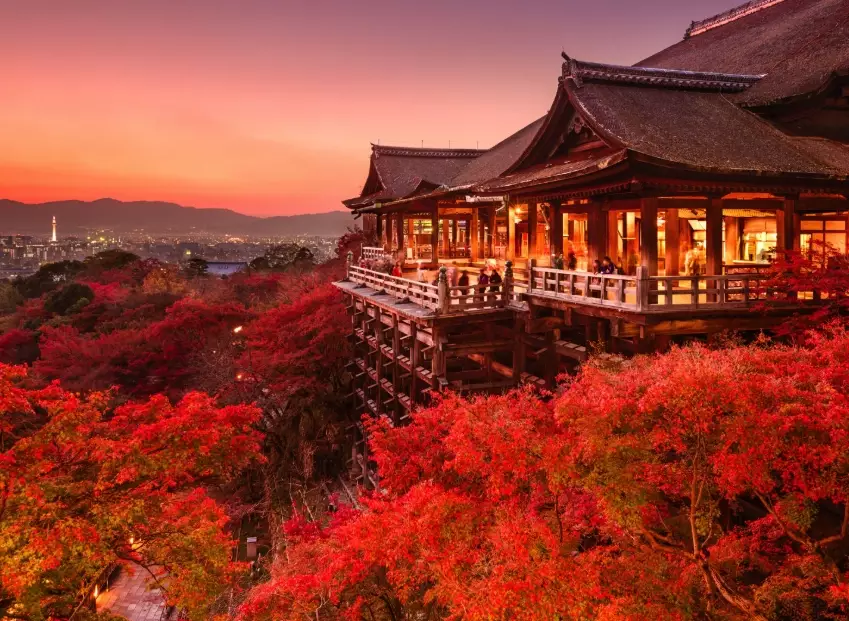
Pro tip: Avoid peak seasons like Golden Week in early May or Obon in August. Crowds can double your wait times. Spring (March-May) for cherry blossoms or autumn (September-November) for foliage are ideal, but expect higher prices.
Crafting Your Perfect 14-Day Japan Itinerary
Here’s a balanced itinerary I’ve refined over trips. It assumes you’re flying into Tokyo and out of Osaka, but you can adjust. Each day includes key spots with realistic timing.
Days 1-4: Tokyo – The Modern Metropolis
Tokyo is overwhelming, so focus on districts. Day 1: Settle in Shinjuku. Visit the Tokyo Metropolitan Government Building for free views (open 9:30 AM-11 PM, 2-8-1 Nishishinjuku). Day 2: Shibuya and Harajuku. See the Shibuya Crossing, then Meiji Shrine (open sunrise to sunset, free entry). Day 3: Asakusa and Akihabara. Senso-ji Temple opens at 6 AM—go early to avoid crowds (2-3-1 Asakusa). Day 4: Day trip to Nikko or Kamakura. Nikko’s Toshogu Shrine costs 1,300 yen and is worth the 2-hour train ride.
Days 5-7: Kyoto – The Cultural Heart
Take the Shinkansen from Tokyo to Kyoto (about 2.5 hours). Day 5: Arrive and explore Gion district. Day 6: Hit the east side—Kiyomizu-dera Temple (400 yen, 6 AM-6 PM, 1-294 Kiyomizu). Walk down Sannen-zaka for souvenirs. Day 7: West Kyoto. Arashiyama Bamboo Grove is free but packed; go by 7 AM. Then, Tenryu-ji Temple (500 yen, 8:30 AM-5:30 PM).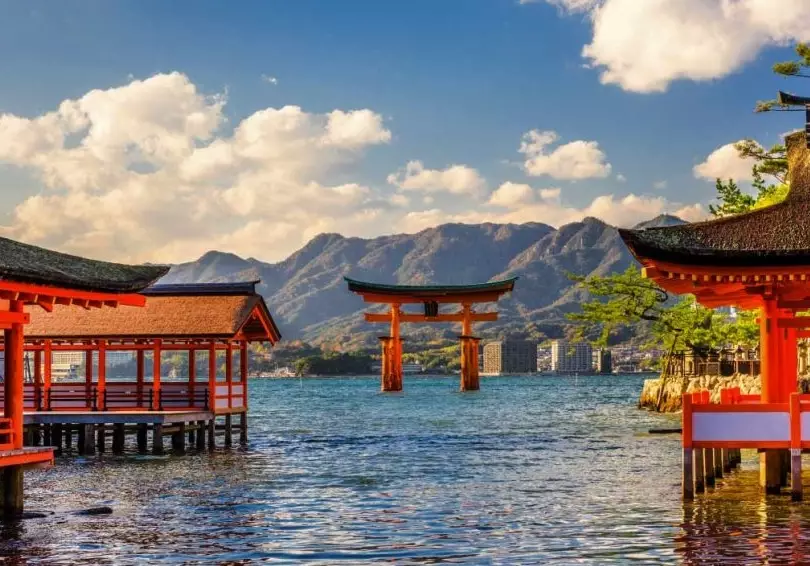
Days 8-10: Osaka and Nara – Food and History
Kyoto to Osaka is 30 minutes by train. Day 8: Osaka Castle (600 yen, 9 AM-5 PM) and Dotonbori at night for street food. Day 9: Day trip to Nara. Todai-ji Temple costs 600 yen, and you can feed the deer in Nara Park. Day 10: Explore Shinsekai or Universal Studios Japan if you’re into theme parks.
Days 11-14: Hiroshima and Miyajima, or Alternative Routes
From Osaka, Hiroshima is 1.5 hours by Shinkansen. Day 11: Hiroshima Peace Memorial Museum (200 yen, 8:30 AM-6 PM). Day 12: Miyajima Island—Itsukushima Shrine tides matter; check schedules. Day 13: Back to Osaka for last-minute shopping or a side trip to Himeji Castle. Day 14: Depart from Kansai International Airport.
Alternative: If you prefer nature, swap Hiroshima for Hakone (from Tokyo) for onsens and Fuji views. But Hiroshima’s historical weight is unique.
Must-See Attractions with Practical Details
Don’t just list places—here’s what you need to know. I’ve compiled key spots with logistics to save you time.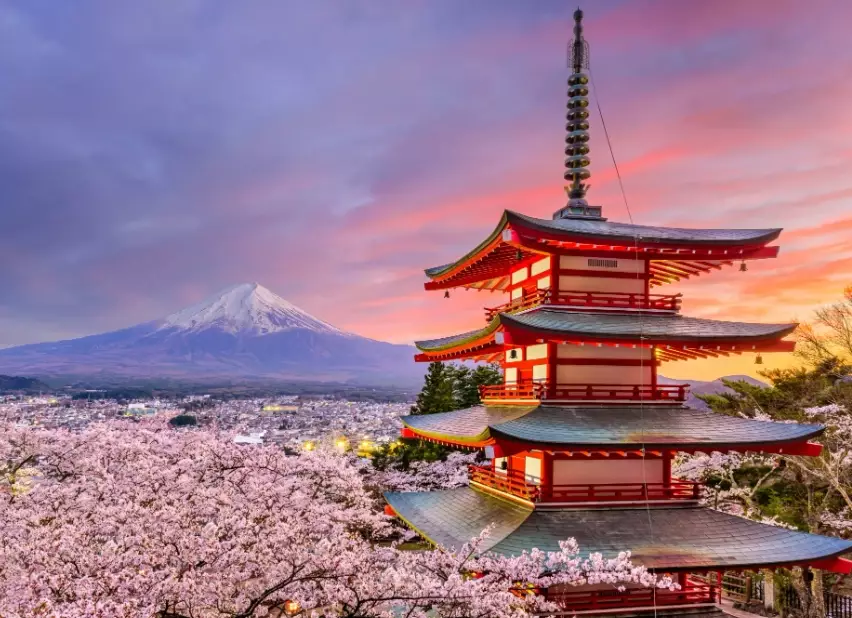
| Attraction | Location | Entry Fee | Hours | Why It’s Worth It |
|---|---|---|---|---|
| Fushimi Inari Shrine | Kyoto, 68 Fukakusa Yabunouchicho | Free | 24/7 | Iconic torii gates; go at dawn for photos without crowds. |
| Tokyo Skytree | Tokyo, 1-1-2 Oshiage | 2,100 yen | 8 AM-10 PM | Tallest tower in Japan; book online to skip lines. |
| Osaka Aquarium Kaiyukan | Osaka, 1-1-10 Kaigandori | 2,400 yen | 10 AM-8 PM | Massive tank with whale sharks; great for families. |
| Himeji Castle | Himeji, 68 Honmachi | 1,000 yen | 9 AM-5 PM | Best-preserved feudal castle; UNESCO site. |
| Miyajima Itsukushima Shrine | Hiroshima, 1-1 Miyajimacho | 300 yen | 6:30 AM-6 PM | Floating torii gate; check tide times for best view. |
Many temples close around 5 PM, so plan mornings for cultural sites. Parks and shrines often have no fees, but donations are appreciated.
Where to Eat: Foodie Highlights
Japan’s food scene is insane. Skip tourist traps—here are spots I’ve loved.
Tokyo: For sushi, try Sushi Dai at Tsukiji Outer Market (opens 5 AM, expect a 2-hour wait, but the 4,000 yen omakase is fresh). Or, head to Ginza Kyubey for a splurge (reserve ahead). Ramen fans: Ichiran in Shibuya (24/7, 890 yen) lets you customize broth. Don’t miss conveyor belt sushi like Genki Sushi in Shinjuku—fun and affordable.
Kyoto: Nishiki Market is a must for street food (10 AM-6 PM). Try tamagoyaki at Aritsugu. For kaiseki, Gion Karyo offers a 10,000 yen dinner; book weeks ahead. A hidden gem: Menbakaichidai for fire ramen—it’s gimmicky but tasty (1,000 yen, near Nijo Castle).
Osaka: Dotonbori is chaotic but essential. Try takoyaki at Kukuru (500 yen for 8 pieces) or okonomiyaki at Mizuno. For a quieter meal, Kuromon Ichiba Market has fresh seafood.
Food costs vary: budget 3,000-5,000 yen per day for meals if you mix street food and casual dining.
Where to Stay: Accommodation Picks
Location matters more than luxury. I’ve stayed in everything from capsule hotels to ryokans. Here’s a quick list.
- Tokyo: Stay near Shinjuku or Shibuya for transport links. Hotel Gracery Shinjuku (3-2-13 Shinjuku) has Godzilla views—rooms from 15,000 yen. For budget, try APA Hotel chain—clean but tiny.
- Kyoto: Gion or near Kyoto Station. Gion Hatanaka is a ryokan with kaiseki dinner (30,000 yen per night). Cheaper: Piece Hostel Sanjo (2,000 yen for dorms).
- Osaka: Namba area for nightlife. Hotel Nikko Osaka (5,000 yen up) or Airbnb in Shinsekai.
- Hiroshima: RIHGA Royal Hotel near Peace Park (10,000 yen).
Book early, especially for cherry blossom season. Ryokans offer cultural experience but require advance planning.
Getting Around Japan: Transport Tips
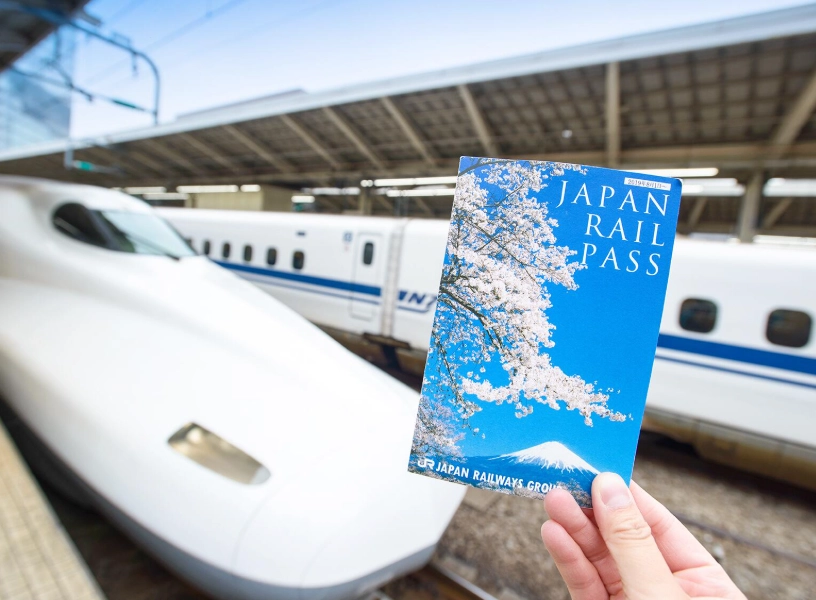
Japan’s trains are efficient but confusing. Get a JR Pass if covering long distances—for 14 days, a 7-day pass (about 29,000 yen) might suffice if you time it right. Activate it when leaving Tokyo for Kyoto. For local travel, Suica or Pasmo cards are lifesavers—tap and go on subways.
Shinkansen reservations are recommended during peaks. Use Hyperdia app for schedules. Buses in Kyoto are crowded; consider renting a bike for 1,000 yen per day.
Walking is underrated. In cities, I often walked 10-15 km daily—wear comfortable shoes.
Common mistake: Over-relying on taxis. They’re expensive (starting at 500 yen). Stick to public transport; it’s punctual and extensive.
Frequently Asked Questions (FAQ)
Fourteen days in Japan is a golden window—enough to taste its essence without rushing. Plan smart, stay flexible, and soak in the moments. Safe travels!

Share Your Thoughts